
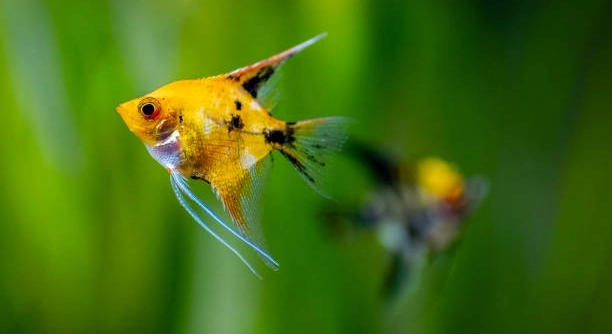
Angelfish are popular aquarium fish known for their beauty and unique behaviors. One of the more puzzling actions they sometimes display is eating their own eggs. This surprising behavior raises questions among fish owners and enthusiasts alike.
Angelfish may eat their own eggs for various reasons, including stress, lack of experience, or to control the population. They may also do it if the eggs are infertile, if the water quality is poor, or due to a lack of proper environment.
Understanding the reasons behind this behavior is important for ensuring the health and well-being of your angelfish. By learning about these factors, you can help create a better environment for both the eggs and the parents.
Stress and Environmental Factors
Stress is one of the most common reasons angelfish eat their eggs. This can be caused by sudden changes in water temperature, poor water quality, or even overcrowding. Angelfish are sensitive to their environment, and if something feels off, they may abandon or eat their eggs. Stress can also be triggered by nearby predators or other fish in the tank. When they feel unsafe, angelfish might consume their eggs as a form of self-preservation. In the wild, angelfish face many threats, so they may instinctively eat their eggs if they sense danger in their surroundings. Ensuring a peaceful, stable environment is key to preventing this behavior.
Poor water quality is also a big factor. If the water has too much ammonia, nitrites, or nitrates, it can affect the angelfish’s health and lead to stress. Keeping the water clean and properly filtered can reduce the chance of this happening. Additionally, providing hiding spots and reducing the number of fish in the tank can help angelfish feel safe.
By managing these factors, you can create a peaceful environment that encourages the angelfish to care for their eggs, rather than eat them.
Inexperienced Parents
Inexperienced angelfish, especially first-time parents, may eat their eggs out of confusion or uncertainty. They might not fully understand how to care for their eggs yet. Without proper knowledge of guarding and protecting their eggs, they might eat them, thinking it’s the right response.
For first-time parents, observing them carefully and making adjustments to the tank setup can help them learn how to care for their eggs properly. Ensuring the right environment with limited distractions can increase their chances of successfully hatching their eggs. With time and experience, most angelfish parents will improve in protecting their eggs.
Infertile Eggs
Angelfish may eat their eggs if they are infertile. When eggs are not fertilized, they are unlikely to hatch and could begin to decay, which can harm the tank environment. Angelfish have a natural instinct to remove these bad eggs to keep the tank clean and healthy.
To avoid this, it’s essential to ensure that both parents are healthy and properly conditioned before breeding. Providing them with nutritious food and maintaining a stable environment can increase the chances of fertilized eggs. If infertile eggs are left in the tank, it can cause stress to the parents and potentially lead to egg-eating behavior.
When angelfish eat their own eggs, it’s often a survival instinct. Removing the bad eggs helps prevent any harmful bacteria from spreading. Healthy, fertilized eggs are more likely to be cared for and protected, giving them the best chance to hatch successfully.
Poor Water Quality
Water quality plays a huge role in the health of angelfish and their eggs. Poor water conditions can stress out the fish and may lead them to eat their eggs. High ammonia levels, low oxygen, or imbalanced pH can all negatively impact the breeding process.
Angelfish are particularly sensitive to changes in water quality, and any issues can cause them to become anxious. Poor water quality can also harm the developing eggs, making them less likely to hatch. Regular water changes and proper filtration are essential to prevent these problems.
Maintaining good water quality creates a healthier environment for both the fish and their eggs. Using an appropriate water testing kit and monitoring the tank regularly will help keep things in balance. Fish are more likely to protect their eggs if the water is clean and stable, reducing the chances of egg-eating behavior.
Lack of Proper Diet
Angelfish need a well-balanced diet to stay healthy and successfully breed. If they don’t get enough nutrients, they may become stressed and may eat their eggs. A poor diet weakens their immune system and can affect their ability to care for their eggs properly.
To ensure that your angelfish are well-nourished, feed them a variety of foods, including high-quality pellets, frozen foods, and live food. Providing them with the right nutrients will support their health and reduce the chances of egg-eating behavior. A well-fed angelfish will be more likely to protect their eggs instead of eating them.
Proper nutrition also boosts the chances of successful breeding. Healthy, strong parents are more capable of looking after their eggs and raising the next generation. Keeping them well-fed supports their natural instincts and improves the overall breeding experience.
Overcrowding in the Tank
Overcrowding can lead to stress for angelfish, which may result in egg-eating behavior. When there are too many fish in a tank, the angelfish may feel threatened or anxious. This stress can cause them to eat their eggs as a defensive response.
To prevent overcrowding, make sure your tank is the right size for the number of fish. Angelfish need space to swim and feel secure. By maintaining the right balance of fish and creating a calm, peaceful environment, you’ll reduce stress levels and improve the chances of successful egg-keeping.
Predators in the Tank
The presence of other aggressive fish in the tank can also lead to angelfish eating their eggs. If the parents sense a threat from nearby fish, they may eat their eggs to protect them from potential predators. Keeping the tank peaceful is crucial to preventing this behavior.
FAQ
Why do angelfish eat their eggs?
Angelfish may eat their eggs due to several factors, such as stress, poor water quality, infertility, or even lack of experience as parents. Stress from overcrowding, sudden changes in the tank environment, or the presence of predators can also lead them to consume their eggs. Sometimes, angelfish may eat their eggs to prevent them from decaying if they are not fertilized or if they are unhealthy.
Can I stop angelfish from eating their eggs?
Yes, you can reduce the likelihood of angelfish eating their eggs by providing them with a stable environment. Ensure good water quality by performing regular water changes and using a reliable filtration system. Avoid overcrowding the tank and provide plenty of space for the angelfish to feel safe. A proper diet with a variety of nutrients also helps the parents stay healthy and focused on caring for their eggs. Keeping potential predators or aggressive fish away is another key factor in reducing egg-eating behavior.
What should I do if my angelfish eat their eggs?
If your angelfish eat their eggs, the first step is to identify what caused the behavior. Check the water quality, and make sure it is within safe parameters for your fish. Ensure the tank is not overcrowded and that the angelfish have enough space to feel secure. Additionally, evaluate the diet of your angelfish and ensure they are getting enough nutrition. If the eggs are infertile, consider removing them to prevent decay. Monitor your angelfish closely, and try again with the next breeding cycle to see if they care for the eggs.
How can I tell if angelfish eggs are infertile?
Infertile eggs often appear white or clear and will not develop over time. If you observe the eggs closely, you might notice that they start turning white and opaque instead of darkening as they would if fertilized. Fertile eggs typically look like tiny golden or amber-colored beads and will hatch after a few days if conditions are right. Infertile eggs may be eaten by the parents, especially if they begin to decay. It’s important to remove any visibly bad eggs to prevent contamination of the rest of the batch.
Can angelfish eggs hatch without the parents?
While it’s possible to hatch angelfish eggs without the parents, it requires more attention and care. If you choose to remove the eggs, you will need to provide a controlled environment, including the proper water temperature, oxygen, and filtration. Many fish keepers use an egg tumbler to simulate the parent’s protection and movement. However, it’s generally best to allow the parents to care for the eggs, as they have instincts to protect and guard them.
How long do angelfish eggs take to hatch?
Angelfish eggs typically take about 2 to 4 days to hatch, depending on the water temperature. Warmer water speeds up the hatching process, while cooler water can slow it down. After hatching, the larvae will swim to the surface and attach to the rocks or plants, where they will remain until they fully develop into free-swimming fry.
How do I know if my angelfish are ready to breed?
Angelfish usually start breeding when they are around 6 to 12 months old. Signs that your angelfish are ready to breed include the formation of pairs, with one fish becoming more dominant over the other. The female will begin to look plumper as she fills with eggs, and both fish will often clean a surface, like a plant leaf or flat rock, to lay their eggs on. It’s important to ensure that the tank environment is ideal for breeding, with stable water conditions, ample space, and no potential predators.
Why do angelfish guard their eggs so fiercely?
Angelfish are protective of their eggs because they have a strong instinct to ensure their offspring survive. In the wild, eggs and young fish are vulnerable to predators. The parents will often guard the eggs aggressively by fanning them to provide oxygen and keeping other fish away. This behavior is essential to the survival of the next generation, as the parents ensure the eggs remain clean and well-oxygenated. If the eggs are disturbed or threatened, the parents will become more protective.
Can angelfish fry survive without their parents?
Angelfish fry can survive without their parents, but they are more vulnerable. When angelfish fry are first born, they rely on the yolk sac attached to their bodies for nourishment. During this time, they are highly susceptible to stress and may not have the best chance of surviving in an environment where the parents aren’t providing protection. After a few days, the fry will start to swim freely and begin eating small foods like infusoria or baby brine shrimp. Without the parents to guard them, you may need to ensure the fry are protected from potential threats in the tank.
Should I remove the eggs or let the parents care for them?
It’s generally recommended to let the parents care for the eggs as they have natural instincts to protect and nurture them. Removing the eggs can be risky, as it might stress the parents and affect future breeding attempts. However, if the eggs are infertile or the tank environment isn’t suitable, you might want to remove them to prevent decay and harm to the other eggs. If you’re unsure, try letting the parents handle the eggs first and observe their behavior. If they show signs of not caring for them, it might be time to step in.
Final Thoughts
Angelfish eating their eggs is a natural behavior that can be influenced by several factors. While it may be surprising or disappointing for aquarium owners, understanding the reasons behind this behavior can help prevent it from happening. Stress, poor water quality, overcrowding, and even the presence of infertile eggs are common causes. In many cases, the fish are simply reacting to what feels like a threatening or unsuitable environment. By keeping the tank clean, ensuring proper nutrition, and maintaining a peaceful atmosphere, you can encourage your angelfish to take better care of their eggs.
It’s also important to consider the experience level of the angelfish. First-time parents may not yet have the instincts or understanding of how to protect their eggs. Over time, as the parents grow more comfortable and familiar with the process, they will likely become better at guarding and protecting their eggs. Patience is key when breeding angelfish. Sometimes, it takes more than one attempt for the parents to learn how to properly care for their offspring. Ensuring that the tank conditions remain stable and providing a proper diet will support both the parents and the eggs.
Ultimately, there are no guarantees when it comes to breeding angelfish. Every fish and situation is unique. Some angelfish may eat their eggs, while others may successfully raise their fry. By carefully monitoring the environment and providing the best conditions, you’ll give your angelfish the best chance of successfully hatching their eggs. Even if things don’t go as planned, it’s all part of the learning process and an opportunity to improve the breeding setup for future attempts. With time and attention, you can help create the right conditions for your angelfish to thrive.

Hello,
If you enjoy the content that we create, please consider saying a "Thank You!" by leaving a tip.
Every little bit helps us continue crafting quality advice that supports the health, happiness, and well-being of pets around the world, for pets of all shapes, sizes, and species.
We really appreciate the kindness and support that you show us!