
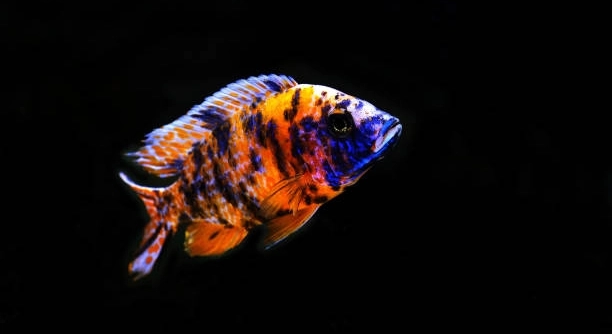
African cichlids are popular aquarium fish known for their vibrant colors and unique behaviors. One behavior many owners notice is when these fish watch quietly from a corner. This article explores why they often choose this spot.
African cichlids tend to watch from a corner as a natural behavior related to territoriality and security. Corners offer a sense of protection from potential threats, allowing the fish to observe their surroundings while feeling less exposed. This behavior is common in environments with perceived stress or unfamiliar stimuli.
Understanding why cichlids prefer corners helps improve their care and tank setup. Observing these habits can reveal important clues about their well-being and environment.
Understanding Cichlid Behavior in Corners
Watching from a corner is a common way cichlids protect themselves. In the wild, these fish often seek sheltered spots to avoid predators and feel secure. Aquarium corners mimic this natural shelter. When cichlids feel stressed or unsure, they retreat to these safe zones to watch their surroundings carefully. This behavior also helps them monitor other fish and establish territory without direct confrontation. Corners provide a good vantage point that limits exposure on multiple sides. It’s a balance between staying alert and feeling protected. If your cichlids spend a lot of time in corners, it might be a sign they need more hiding places or less disturbance in their tank. Observing where and when they do this can guide adjustments in tank setup to improve their comfort.
This corner-watching is a sign of natural survival instincts. It shows how sensitive cichlids are to their environment.
Giving cichlids space and proper tank design reduces their need to hide. Including rocks, caves, or plants creates more comfortable areas. Adjusting water quality and minimizing sudden changes also lowers their stress. When these needs are met, cichlids will explore more and spend less time in corners. This improves their activity and overall health. Watching their behavior closely helps spot any problems early. Small changes often make a big difference in how confident and happy they feel in the tank.
The Role of Tank Setup on Cichlid Behavior
Tank layout strongly influences where cichlids choose to spend their time.
Proper space, structure, and hiding spots encourage natural behavior.
The size and design of your aquarium affect how comfortable your cichlids feel. Small tanks can increase stress by limiting movement and territory options. Overcrowding adds tension between fish, pushing some to isolate themselves in corners. Adding decorations like rocks, caves, and plants offers places to hide and claim as territory. These structures break up the open space, giving fish more control over their environment. Lighting also plays a role. Bright lights can cause discomfort, so having shaded or dim areas helps fish feel secure. Regular tank maintenance, including clean water and stable temperature, supports a calm atmosphere. When the setup reflects the needs of cichlids, they are more likely to explore and interact rather than stay withdrawn. Adapting the tank carefully is key to encouraging healthy, natural activity and reducing corner-watching behavior.
Stress and Its Impact on Cichlid Behavior
Stress can make cichlids retreat to corners more often. It is usually caused by poor water conditions, aggressive tank mates, or sudden changes in the environment.
When stressed, cichlids seek shelter in corners to feel safer. Stress weakens their immune system, making them more vulnerable to illness. It also reduces their activity and appetite, affecting overall health. Signs of stress include rapid breathing, faded colors, and hiding behavior. Identifying and reducing stress factors can help cichlids become more confident and active again.
Common stress triggers include overcrowding, improper water parameters, and incompatible species in the tank. Keeping water clean, stable, and ensuring peaceful tank mates improves cichlids’ comfort. Regularly checking water quality and adjusting tank conditions helps prevent stress. Providing plenty of hiding spots also reduces fear and encourages natural behavior. Understanding and addressing stress is important for the well-being of your fish.
Observing Cichlid Personality Traits
Cichlids each have unique personalities that affect their behavior. Some are naturally shy and prefer to stay hidden, while others are bolder and more active. Personality differences influence how often they watch from a corner or explore the tank.
Recognizing these traits helps tailor care to individual fish needs. Shy cichlids benefit from quieter environments and more hiding places. Bold ones need enough space to claim territory and show off their colors. Tank mates should be chosen with personality balance in mind to avoid bullying. Observing how each fish behaves over time builds a better understanding of their preferences and comfort levels. This knowledge allows you to create an environment where all cichlids feel safe and secure.
Importance of Water Quality
Clean water is essential for cichlids’ health and behavior. Poor water conditions cause stress, leading them to hide more often in corners.
Regular water changes and monitoring parameters like pH and ammonia keep the tank stable. This helps fish feel secure and active.
Social Dynamics Among Cichlids
Cichlids establish complex social hierarchies that affect their behavior. Dominant fish often control prime areas, forcing submissive ones to retreat to corners. This natural order reduces direct conflicts but can cause some fish to spend more time isolated.
Proper tank size and structure help reduce tension by providing enough space and hiding spots for all fish. Separating aggressive individuals or adjusting the mix of species can improve harmony. Understanding social behavior helps create a peaceful environment, reducing stress and corner-watching tendencies.
Signs of Illness in Cichlids
Watching from a corner can sometimes indicate illness. Sick cichlids often become less active and isolate themselves to conserve energy.
Adjusting Lighting for Comfort
Bright lighting can cause discomfort, making cichlids hide in shaded corners. Using dimmer or adjustable lights improves their comfort and encourages more natural activity.
FAQ
Why do African cichlids spend so much time watching from a corner?
African cichlids use corners as safe spots to observe their environment. This behavior helps them feel protected from threats and reduces stress. Corners limit exposure on multiple sides, making them feel more secure, especially when there are unfamiliar fish or changes in the tank.
Is it normal for cichlids to hide a lot in corners?
Yes, it can be normal, especially if they are new to the tank or feeling stressed. However, if hiding becomes excessive, it may indicate poor water conditions, overcrowding, or aggression from other fish. Monitoring their environment and behavior helps identify problems early.
How can I reduce my cichlids’ stress so they explore more?
Improving tank conditions is key. Regular water changes, stable water parameters, and proper temperature help reduce stress. Adding plenty of hiding spots like rocks, caves, and plants lets fish feel safe. Also, avoid sudden changes and keep aggressive tank mates separate.
Can poor water quality cause cichlids to hide in corners?
Absolutely. High ammonia, nitrites, or improper pH levels can stress fish and make them seek shelter. Maintaining clean water with regular testing and changes prevents stress-related hiding and supports overall health.
Do all African cichlids behave the same way when stressed?
No, personality and species differences affect behavior. Some cichlids are naturally shy and hide more, while others may become aggressive or restless. Knowing your fish species and their typical behavior helps you respond appropriately.
Could lighting affect where cichlids choose to stay?
Yes. Bright lighting may cause discomfort, leading fish to seek shaded corners. Using dim or adjustable lighting creates a more comfortable environment and encourages natural activity throughout the tank.
How does tank size influence cichlid corner-watching?
Smaller tanks limit swimming space and territory options, which can increase stress and hiding. Larger tanks with ample territory reduce competition and allow fish to spread out, lowering the need to stay in corners.
Can social dynamics force some cichlids into corners?
Yes. Dominant fish often claim central or preferred areas, pushing submissive ones to corners to avoid conflict. Providing plenty of hiding places and space helps balance social tensions.
What signs indicate hiding is due to illness rather than behavior?
If a cichlid isolates itself and shows other signs like loss of appetite, faded color, labored breathing, or lethargy, it could be sick. In such cases, testing water quality and considering treatment options is important.
How long does it take for cichlids to stop hiding after moving to a new tank?
Adjustment times vary, but many cichlids take a few days to a couple of weeks to feel comfortable. During this period, they may spend a lot of time in corners. Patience and stable tank conditions encourage quicker acclimation.
What tank decorations help reduce corner-watching behavior?
Rocks, caves, plants, and driftwood create hiding spots and visual barriers. These decorations break the open space, allowing cichlids to feel secure and claim territories without feeling exposed.
Should aggressive cichlids be separated to reduce hiding behavior?
In some cases, yes. Aggressive fish can stress others, causing them to hide more. Separating overly aggressive individuals or adjusting tank mates can improve peace and reduce corner-watching. Monitoring behavior closely helps decide when separation is necessary.
Can feeding routine affect cichlids’ behavior in the tank?
Yes. Irregular feeding or poor diet can stress fish, causing hiding or lethargy. Consistent, balanced feeding encourages healthy activity levels and confidence in the environment.
Is corner-watching always a negative sign?
Not always. It can be a natural behavior for security or observation. However, persistent hiding without signs of normal activity could indicate stress, illness, or poor tank conditions. Observing other behaviors helps determine the cause.
What immediate steps should I take if my cichlids hide excessively?
Check water quality, tank mates, and tank setup first. Ensure water parameters are within species requirements. Add hiding spots if missing. Observe for illness signs. Reducing stressors quickly helps fish regain confidence and reduce hiding.
Final Thoughts
Watching African cichlids stay in a corner is a common behavior that reflects their natural instincts. These fish use corners as safe places to feel protected from potential threats and to observe their surroundings without being exposed. This behavior can also be a sign of stress caused by factors like poor water quality, overcrowding, or aggressive tank mates. Understanding this behavior helps fish owners provide better care and create a more comfortable environment for their cichlids.
It is important to pay attention to the conditions in the tank to reduce stress and encourage healthy activity. Maintaining clean water with stable parameters, offering enough space, and adding plenty of hiding spots can make a big difference. Decorations such as rocks, caves, and plants help mimic natural habitats and give fish places to retreat that are safe and calming. Proper lighting and a peaceful social environment also play key roles in how comfortable cichlids feel. When their needs are met, cichlids are more likely to explore the tank freely rather than staying hidden in corners.
Each cichlid has its own personality, and some fish may be naturally shy or cautious. This means that a little corner-watching can be normal, especially during times of adjustment or change. However, if hiding becomes excessive or is combined with other signs like loss of appetite or faded color, it may indicate a problem. Regular observation and care are essential to keep cichlids healthy and happy. By understanding their behavior and environment, you can help your fish thrive and enjoy a vibrant, active life in your aquarium.

Hello,
If you enjoy the content that we create, please consider saying a "Thank You!" by leaving a tip.
Every little bit helps us continue crafting quality advice that supports the health, happiness, and well-being of pets around the world, for pets of all shapes, sizes, and species.
We really appreciate the kindness and support that you show us!