
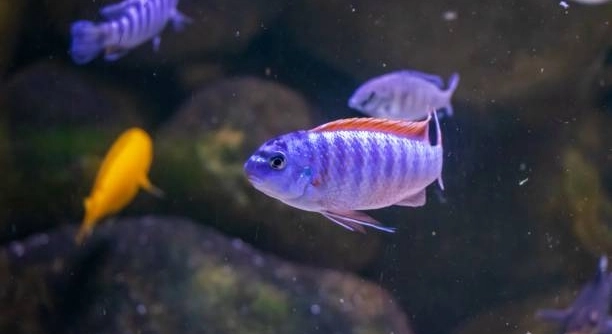
African cichlids are popular aquarium fish known for their vibrant colors and active behavior. Sometimes, they suddenly hide all day, leaving owners concerned. Understanding this change in behavior is important for maintaining their health and well-being.
African cichlids hide for various reasons including stress, changes in water quality, illness, or territorial disputes. Such hiding behavior is a natural response to unfavorable conditions and serves as a protective mechanism to avoid threats or discomfort.
Recognizing why cichlids hide helps fishkeepers create a better environment and improve their fish’s comfort and safety. This article explores common causes and practical tips to support your cichlids.
Common Causes of Hiding Behavior in African Cichlids
African cichlids often hide because they feel threatened or uncomfortable in their environment. Changes in water quality, such as shifts in temperature, pH, or ammonia levels, can make them seek shelter. Stress from overcrowding or aggressive tank mates also leads to hiding. Illness or injury can cause a fish to withdraw and avoid activity. Sometimes, cichlids hide during breeding periods to protect their eggs or fry. Lack of proper hiding spots can increase their stress, so having enough caves or decorations is important. Observing their behavior closely helps to identify the cause of hiding. Regular water testing and tank maintenance reduce the chances of sudden hiding due to poor conditions.
Hiding is a survival instinct for cichlids, helping them avoid danger and recover from stress or illness. It often signals a need for changes in care or environment.
Creating a stable and comfortable habitat with appropriate tank mates and hiding places reduces hiding behavior. Proper diet and regular health checks also support their well-being, keeping your cichlids more active and visible.
How Water Quality Affects African Cichlids
Poor water quality is a leading reason African cichlids hide. Even small changes in water chemistry can cause stress. Ammonia and nitrite spikes are toxic and quickly force fish to seek shelter. Temperature fluctuations disrupt their metabolism and behavior. Maintaining stable water parameters is crucial to keep them healthy. Frequent water testing and partial water changes help keep conditions optimal. Using a reliable filtration system and avoiding overfeeding also prevent water pollution. If water quality improves, fish will gradually become more active and reduce hiding.
Water conditions play a major role in fish comfort. Neglecting this often leads to prolonged hiding and health problems.
In many cases, cichlids start hiding when water quality deteriorates because it affects their breathing and overall health. They might also become less responsive and lose their appetite. A clean, well-maintained tank supports their immune system and natural behavior. Setting up regular maintenance routines and monitoring water parameters can prevent stress-related hiding. This care ensures a happier, healthier aquarium where your cichlids display their full colors and personalities.
Stress and Aggression in African Cichlids
Stress and aggression are common reasons cichlids hide. Aggressive tank mates can intimidate more timid fish, causing them to retreat. Overcrowding increases stress levels, making hiding a defense.
Aggressive behavior often comes from territorial disputes. Male cichlids especially defend their space fiercely. If your tank is too small or has too many fish, some may feel constantly threatened. Providing plenty of hiding spots and visual barriers helps reduce stress. Separating overly aggressive individuals may be necessary to maintain peace. Monitoring interactions between fish can prevent prolonged hiding due to bullying.
Stress weakens immune systems, making cichlids more vulnerable to illness. When hiding due to aggression, fish may also stop eating, which worsens their condition. Creating a balanced community with compatible species and proper tank size encourages natural behavior and reduces hiding. Regular observation helps catch aggression before it becomes severe.
Illness and Its Impact on Hiding Behavior
Illness is a major cause of prolonged hiding in African cichlids. When sick, they conserve energy and avoid predators by staying hidden. Symptoms like lethargy, discoloration, or clamped fins often accompany hiding.
Common illnesses include bacterial infections, parasites, and fungal growth. Water quality problems often contribute to disease outbreaks, so maintaining clean water is essential. Quarantining new fish before introducing them helps prevent spreading illness. Early treatment improves recovery chances and reduces hiding time. If you notice persistent hiding with visible symptoms, it is important to act quickly to diagnose and treat the problem.
Ignoring illness can lead to serious health decline and even death. Fish that hide excessively may miss meals and weaken further. Proper nutrition and a stress-free environment support their immune system. Regular tank checks and prompt responses to signs of illness keep your cichlids active and healthy, minimizing hiding behavior.
Lack of Proper Hiding Spots
African cichlids need enough hiding places to feel secure. Without adequate caves, plants, or decorations, they may hide more out of stress than comfort. Providing good shelter reduces anxiety and supports natural behavior.
Creating a varied environment with plenty of hiding spots helps fish feel safe and reduces aggressive encounters. It encourages them to explore the tank more openly.
Changes in Lighting and Environment
Sudden changes in lighting or tank setup can cause cichlids to hide. Bright lights may stress them, especially if they are used to dimmer conditions. Moving decorations or rearranging the tank disrupts their familiar territory, prompting withdrawal.
Consistency in environment and gentle adjustments help fish adapt quickly. Gradual changes in lighting and layout reduce hiding and promote normal activity.
Feeding and Hiding Behavior
Cichlids may hide when they feel unsafe during feeding times. Aggressive feeders can scare others into retreating. Ensuring all fish get enough food with multiple feeding spots prevents this issue.
Hiding at feeding time is often temporary and linked to competition in the tank.
FAQ
Why do African cichlids hide suddenly after being active?
Sudden hiding usually means something in their environment has changed. It could be water quality issues, a new tank mate causing stress, or illness. Fish are sensitive to changes, so even small shifts in temperature or pH can cause them to retreat and hide until they feel safe again.
How long do African cichlids hide when stressed or sick?
The hiding period varies. If stress or illness is mild and conditions improve, they may hide only a few hours or days. More serious problems can cause hiding for weeks. Persistent hiding often indicates the need for water testing, better tank conditions, or medical treatment.
Can hiding behavior harm African cichlids?
Hiding itself is a natural defense and not harmful, but it can be a sign of underlying issues. When fish hide excessively, they may eat less and become weak, which lowers their immunity. Without intervention, prolonged hiding due to stress or disease can lead to poor health.
What can I do to reduce hiding in my cichlids?
Start by checking water parameters and maintaining clean water. Provide plenty of hiding spots so fish feel secure. Avoid overcrowding and separate aggressive individuals if needed. Feed a balanced diet and observe your fish for signs of illness. Small changes in lighting and tank setup can also help them feel comfortable.
Are some African cichlid species more prone to hiding?
Yes. Some species are naturally more shy or territorial and may hide more often. Others are bolder and stay visible. Knowing your specific species’ behavior helps set expectations. For example, Mbuna cichlids tend to be more aggressive and territorial, while some peacock cichlids are less likely to hide frequently.
Can hiding be related to breeding behavior?
Absolutely. During breeding, female cichlids often hide to protect their eggs or fry. This hiding is normal and usually temporary. Males might also become more territorial and aggressive during this time, which can increase hiding among other fish.
How do tank mates affect hiding behavior?
Tank mates that are aggressive or overly active can stress cichlids, causing them to hide. It’s important to choose compatible species and avoid overcrowding. Sometimes rearranging the tank or adding visual barriers can reduce aggression and encourage shy fish to come out.
Does lighting affect hiding?
Yes. Bright or sudden changes in lighting can stress fish. African cichlids prefer a lighting level that mimics their natural habitat, which is often moderate and stable. Dimmer lighting or providing shaded areas helps fish feel safe and reduces hiding.
Is hiding a sign of illness? What symptoms should I watch for?
Hiding can signal illness, especially if combined with symptoms like loss of appetite, unusual swimming, color fading, clamped fins, or spots on the body. If these appear with hiding, it’s important to test water and consider treatment promptly to prevent worsening health.
Can diet influence hiding behavior?
Poor nutrition weakens fish and increases stress, which may lead to hiding. A varied diet suited to the species’ needs supports health and activity. Feeding smaller amounts several times a day rather than one large feeding can also reduce competition and stress at mealtime, encouraging fish to come out.
African cichlids hiding all day can be a sign that something in their environment needs attention. It is important to remember that hiding is a natural behavior for these fish, especially when they feel stressed, threatened, or unwell. Their instinct is to seek shelter to stay safe. However, if hiding becomes constant or lasts a long time, it usually points to problems such as poor water quality, aggressive tank mates, illness, or lack of proper hiding spots. Observing your cichlids closely and maintaining good tank conditions helps reduce hiding and keeps them healthy.
Water quality is one of the most important factors affecting cichlid behavior. Changes in temperature, pH, ammonia, or nitrite levels can cause stress and encourage hiding. Regular water testing and maintenance, including partial water changes and proper filtration, are essential to keep the environment stable and comfortable. Also, overcrowding and aggressive fish can increase stress, making timid fish hide more often. Providing enough space, hiding places, and compatible tank mates can help reduce this stress and encourage cichlids to be more active and visible.
Lastly, health plays a key role in hiding behavior. Sick or injured fish naturally withdraw to protect themselves while they recover. Keeping an eye out for signs of illness like loss of appetite, discoloration, or unusual swimming is important. Early treatment and good nutrition support recovery and help prevent hiding caused by health problems. By paying close attention to water quality, tank conditions, and fish health, you create a better environment where your African cichlids feel safe and comfortable, showing more of their natural colors and behavior.

Hello,
If you enjoy the content that we create, please consider saying a "Thank You!" by leaving a tip.
Every little bit helps us continue crafting quality advice that supports the health, happiness, and well-being of pets around the world, for pets of all shapes, sizes, and species.
We really appreciate the kindness and support that you show us!