
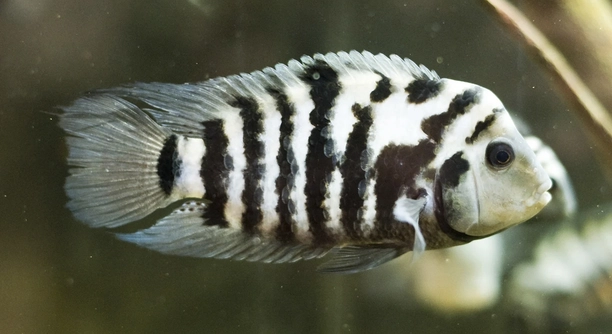
African cichlids are popular aquarium fish known for their bright colors and interesting behaviors. Many owners notice these fish rubbing against rocks or other surfaces in their tanks. This action can seem unusual but is quite common among cichlids.
African cichlids rub against rocks mainly to remove parasites and clean their skin. This behavior also helps reduce irritation caused by shedding old skin or during spawning activities. It is a natural and necessary part of their health maintenance.
Observing this behavior closely can help you better care for your fish and ensure they stay healthy in their environment. Understanding why they rub against rocks reveals important aspects of their wellbeing.
Why African Cichlids Rub Against Rocks
When African cichlids rub against rocks, it is often to get rid of parasites like fish lice or other small organisms that cling to their skin. This behavior helps keep their skin clean and healthy. Sometimes, cichlids may also rub to relieve irritation caused by shedding their outer layer of skin. The texture of the rocks provides a natural surface for this purpose. Additionally, during breeding periods, rubbing can help remove old skin and prepare their bodies for spawning. This rubbing action is instinctive and an important part of their overall care routine. Watching your cichlids carefully can show you when they need this kind of attention. It’s a sign that their natural habits are working to keep them comfortable and healthy in their environment.
This rubbing behavior is common and not a cause for concern unless it becomes excessive or causes injury.
Understanding these behaviors can help you provide the right environment and care for your cichlids, ensuring they thrive in your aquarium. Knowing what drives them to rub can also alert you to possible health issues early.
Signs of Stress and Health Issues
Stress can make African cichlids rub more often than usual. Stress comes from poor water quality, overcrowding, or aggressive tank mates. If your fish rub against rocks frequently, it might be a sign they are uncomfortable or unwell. Keeping their environment stable and clean helps reduce stress.
Health problems, like skin infections or parasites, might also cause rubbing. If the rubbing seems constant and your fish show other signs such as loss of color, sores, or lethargy, it is best to check water parameters and consider treatment. Maintaining good water conditions and observing behavior closely helps catch issues before they worsen. This attention to detail can keep your fish healthy and happy for a long time.
Common Triggers for Rubbing Behavior
Changes in water temperature or pH can trigger African cichlids to rub against rocks. Sudden shifts make their skin sensitive, prompting them to seek relief. Poor water quality also irritates their skin and encourages rubbing as a coping mechanism.
Water quality is crucial for keeping cichlids healthy. Ammonia, nitrite, and nitrate levels must stay within safe limits. High levels cause skin irritation and stress, leading to rubbing. Regular water testing and partial water changes help maintain a clean environment. Using a good filtration system reduces harmful substances that bother your fish. If you notice more rubbing after water changes, double-check that parameters are stable and not fluctuating too quickly. Proper tank maintenance prevents skin problems and reduces unwanted rubbing behavior.
Tank mates also influence rubbing. Aggressive fish may stress cichlids, causing them to rub more often. Observing your aquarium dynamics helps identify issues early and maintain a peaceful habitat.
How to Help Your Cichlids
Providing plenty of smooth rocks and hiding places gives cichlids safe spots to rub without injury. Avoid sharp or rough decorations that could harm their skin. A well-decorated tank mimics their natural environment and supports natural behaviors.
Balanced nutrition supports healthy skin and immune function. Feeding high-quality pellets or flakes formulated for cichlids provides essential vitamins and minerals. Supplements like spirulina or vitamins can boost skin health and reduce irritation. When your fish have good nutrition and a comfortable environment, they are less likely to rub excessively. Regular observation ensures you catch any changes in behavior or health early. Keeping stress low and habitat clean are key to happy, healthy African cichlids.
Preventing Excessive Rubbing
Keeping water clean and stable is the best way to prevent excessive rubbing. Regular water tests and changes help maintain healthy conditions that keep your cichlids comfortable. Avoid sudden changes in temperature or chemistry.
Providing a stress-free environment also limits rubbing. Avoid overcrowding and keep aggressive fish separated to reduce stress-related behaviors.
Observing Normal vs. Problematic Rubbing
Normal rubbing happens occasionally and is gentle, usually around smooth rocks. Problematic rubbing is frequent, intense, and may cause visible skin damage. Watch your fish closely to spot any worrying signs. Early detection helps prevent serious health issues.
When to Seek Help
If rubbing causes injuries or continues despite good care, consider consulting a vet or aquatic specialist. Professional advice ensures your fish get proper treatment and support for recovery.
FAQ
Why do African cichlids rub more after a water change?
African cichlids can be sensitive to sudden changes in water chemistry, temperature, or pH after a water change. These shifts can irritate their skin and trigger rubbing behavior as they try to relieve discomfort. To prevent this, make sure water changes are done gradually and the new water matches tank conditions closely.
Is rubbing against rocks harmful to African cichlids?
Rubbing is usually harmless and a natural behavior for cichlids. However, excessive rubbing or rubbing against sharp surfaces can cause injuries or skin damage. It’s important to provide smooth rocks and observe your fish to ensure they do not hurt themselves.
How can I tell if rubbing is caused by parasites?
If rubbing is frequent and your fish also show signs like flashing (quickly swimming and rubbing), spots, redness, or visible parasites, it may indicate an infestation. Checking water quality and treating the tank with proper medication can help remove parasites.
Can diet affect rubbing behavior?
Yes, a poor diet lacking essential vitamins and minerals can weaken the skin and immune system, making fish more prone to irritation and rubbing. Feeding a balanced, high-quality diet supports skin health and reduces rubbing caused by discomfort.
Does stress cause African cichlids to rub rocks?
Stress is a common reason for increased rubbing. Causes include overcrowding, aggressive tank mates, or unstable water conditions. Reducing stress through proper tank setup and care helps minimize excessive rubbing behavior.
Should I separate a rubbing cichlid from other fish?
If rubbing is due to injury or infection, separating the affected fish can prevent further harm and allow targeted treatment. For minor rubbing related to normal behavior, separation is usually unnecessary. Always monitor to decide the best action.
What are the best rocks to use in a cichlid tank?
Smooth, rounded rocks without sharp edges are best to prevent injury during rubbing. Natural river stones or aquarium-safe rocks specifically designed for fish tanks are ideal. Avoid rough or jagged rocks that can damage delicate skin.
How often should I check water parameters?
Testing water parameters weekly is recommended, especially for sensitive species like African cichlids. Regular checks for ammonia, nitrite, nitrate, pH, and temperature help catch problems early and prevent skin irritation that leads to rubbing.
Can rubbing be a sign of illness other than parasites?
Yes, skin infections, fungal diseases, or bacterial infections may cause irritation that leads to rubbing. If rubbing is paired with visible sores, discoloration, or lethargy, it’s important to assess the fish’s health and seek treatment if needed.
Is rubbing normal during breeding?
Rubbing often increases during breeding as cichlids clean their bodies and prepare spawning sites. This is a normal behavior and usually decreases once breeding activities end. Providing appropriate surfaces helps support this natural process.
What should I do if my cichlid has a skin injury from rubbing?
If rubbing causes wounds, keep the water clean and stable to promote healing. Consider adding aquarium salt if recommended for your species, and monitor for infection. In severe cases, consult a vet or aquatic specialist for proper care.
Can tank decorations affect rubbing behavior?
Yes, decorations that are rough or sharp can cause injury if fish rub against them. Smooth rocks and safe plants create a comfortable environment where rubbing won’t lead to harm. Changing or rearranging decorations can reduce risky rubbing spots.
Does tank size impact rubbing behavior?
A crowded or small tank increases stress, which can lead to more rubbing. Providing enough space and hiding spots reduces stress and aggressive interactions, helping keep rubbing at normal levels. A well-sized tank promotes healthier behaviors overall.
Are there treatments to reduce rubbing caused by parasites?
Yes, medications designed to treat external parasites are available at pet stores or from vets. Proper diagnosis and treatment help remove parasites, stopping the irritation that causes rubbing. Always follow instructions carefully to protect your fish and tank balance.
How long does rubbing behavior usually last?
Normal rubbing lasts a short time, usually minutes or occasional sessions. If rubbing continues for days or weeks, it may indicate a health problem or poor tank conditions that need addressing.
Can rubbing damage the fish’s slime coat?
Yes, excessive rubbing can wear down the slime coat, which protects fish from infections. Maintaining good water quality and addressing causes of rubbing helps preserve this important barrier.
This FAQ covers common concerns about African cichlid rubbing behavior and offers practical tips to keep your fish healthy and comfortable.
African cichlids rubbing against rocks is a natural behavior that serves important purposes. It helps them remove parasites, shed old skin, and relieve irritation. When they rub gently and only occasionally, it is a good sign that they are caring for their skin properly. Watching this behavior can tell you a lot about how healthy your fish are. It shows that they are following their natural instincts and maintaining themselves. This rubbing is part of what makes African cichlids interesting to keep in an aquarium.
However, if the rubbing becomes frequent or rough, it could mean something is wrong. It might be caused by poor water conditions, parasites, or stress from other fish. These problems make the fish uncomfortable and cause them to rub more than usual. When you see this, it is important to check the water quality and the behavior of all the fish in the tank. Fixing water problems or removing aggressive tank mates can help the rubbing stop. Sometimes, fish might need medication if parasites or infections are the cause. Taking quick action can prevent more serious health issues.
Providing a good environment is key to keeping African cichlids healthy and happy. This means clean water, a stable temperature, and smooth rocks where they can rub safely without getting hurt. Also, feeding a balanced diet supports their skin and immune system. Paying attention to these details reduces the chances of excessive rubbing. Regular observation helps you notice early signs of discomfort or illness. When you care for your cichlids well, their natural behaviors like rubbing become a healthy part of their life instead of a problem. This makes your aquarium a better place for your fish to thrive.

Hello,
If you enjoy the content that we create, please consider saying a "Thank You!" by leaving a tip.
Every little bit helps us continue crafting quality advice that supports the health, happiness, and well-being of pets around the world, for pets of all shapes, sizes, and species.
We really appreciate the kindness and support that you show us!