
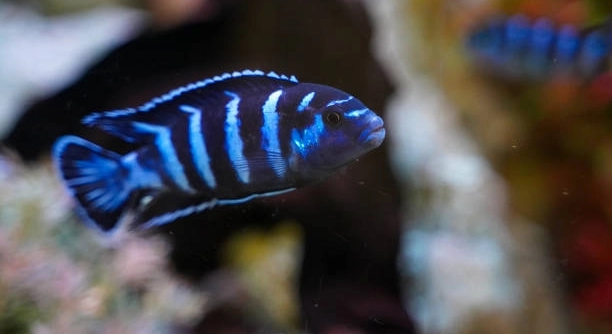
African cichlids are popular freshwater fish known for their vibrant colors and lively behavior. Sometimes, these fish spend time resting near the bottom of their tanks or natural habitats. Observing this behavior can be interesting for fish owners and enthusiasts alike.
African cichlids rest at the bottom primarily to conserve energy, reduce stress, and find a safe space. This behavior helps them regulate their body functions and avoid predators, especially when they feel threatened or tired. It is a natural and healthy part of their routine.
Learning more about why these fish choose the bottom can help you better understand their needs and keep them healthy in your care.
Reasons African Cichlids Rest at the Bottom
African cichlids often rest at the bottom of their tanks or lakes to conserve energy and feel secure. The bottom offers a stable place where they can reduce movement, especially after swimming actively or during feeding times. Resting here helps them recover and maintain their strength. Sometimes, they stay low to avoid strong currents or bright light, which can be stressful. The structure of the tank or natural environment also plays a role. Rocks, plants, and hiding spots near the bottom provide protection from potential threats. In addition, some cichlids are territorial and use the bottom to guard their space. This resting behavior is natural and varies among species, but it mainly helps with safety and energy management.
Resting at the bottom also helps cichlids regulate their breathing by staying in areas with slightly cooler water or better oxygen levels.
This behavior is essential for their survival and overall well-being. Recognizing it can improve how you care for them in captivity.
How Tank Setup Affects Resting Behavior
The tank environment greatly influences where cichlids rest. A well-structured tank with rocks and plants encourages natural resting spots near the bottom.
Proper tank setup mimics their natural habitat, giving them safe places to rest and hide. Without enough hiding spots, cichlids may feel stressed and avoid resting properly. A balanced tank environment also helps control water flow, light intensity, and temperature—all factors that impact where the fish feel comfortable. Ensuring the tank has areas with softer light and slower currents near the bottom can encourage healthy resting habits. Providing a clean, well-maintained tank supports their natural behaviors, helping them stay calm and active when needed. Observing these details helps keep African cichlids happy and healthy in an artificial setting.
Health and Stress Indicators
Resting at the bottom can sometimes signal stress or health issues in African cichlids. If they stay low for long periods or show other signs like loss of appetite, it may need attention.
Stress can come from poor water quality, aggressive tank mates, or sudden changes in the environment. Illnesses like parasites or infections may also cause lethargy. Monitoring water temperature, pH, and cleanliness is important to prevent these problems. Watch for other symptoms such as clamped fins, discoloration, or unusual swimming patterns. Promptly addressing these signs with proper care or veterinary advice helps keep your cichlids healthy and comfortable.
Sometimes resting is just a normal behavior, but prolonged inactivity should never be ignored.
Feeding and Resting Patterns
African cichlids often rest after feeding as their digestion requires energy. Their resting spot near the bottom can be a quiet place to process food. Overfeeding may cause discomfort and more resting time, so careful portion control is important. Feeding smaller amounts several times a day supports natural behavior and energy balance.
Resting patterns also change depending on the time of day. These fish tend to be more active during daylight and rest more when it’s darker. Providing a consistent light cycle in the tank helps maintain these natural rhythms. Observing their feeding and resting habits can give useful clues about their overall health and well-being.
Environmental Factors Affecting Resting
Water temperature and quality greatly impact where cichlids choose to rest. Cooler, cleaner water near the bottom often feels more comfortable. Poor water conditions can cause them to stay low and inactive.
Lighting also plays a role. Too much light can make them seek shaded or darker areas at the tank’s base for rest.
Natural Behavior and Territory
Resting at the bottom is part of many African cichlids’ natural behavior linked to their territorial instincts. They use the lower areas to guard their space and eggs. This behavior is seen more in breeding males and females during spawning periods. Staying low helps them protect their territory from intruders and keeps eggs safe until they hatch.
Signs of Illness
Sudden changes in resting habits can signal illness. Pay attention if your cichlid rests more than usual or appears weak.
FAQ
Why do African cichlids rest at the bottom so often?
African cichlids rest at the bottom to conserve energy, reduce stress, and find safety. The bottom of the tank or their natural habitat offers cooler water, shelter, and less light. This resting helps them recover after swimming or feeding and avoid predators or strong currents.
Is it normal for my African cichlid to stay at the bottom all day?
While it is normal for cichlids to rest at the bottom sometimes, staying there all day may indicate stress or health problems. Check the water quality, temperature, and tank mates. Also, look for other signs like loss of appetite or unusual behavior.
Can poor water conditions make my cichlid rest more?
Yes, poor water quality can cause African cichlids to rest more often and stay at the bottom. Dirty water, incorrect pH, or wrong temperature can stress them and reduce their energy. Keeping the tank clean and stable is essential for their health.
How does lighting affect their resting behavior?
Too much bright light can cause cichlids to seek shaded or darker spots, usually near the bottom. They prefer resting in areas with less intense light to feel safe and comfortable. Providing a balanced day-night light cycle helps regulate their natural behavior.
Does resting at the bottom mean my cichlid is sick?
Not always. Resting is a normal behavior, but if it lasts longer than usual or is combined with other signs like faded colors, clamped fins, or difficulty swimming, it may indicate illness. Monitor your fish carefully and take action if needed.
Can tank size influence their resting habits?
Yes, tank size matters. Small or overcrowded tanks can increase stress and cause cichlids to hide and rest more at the bottom. Providing enough space and hiding spots improves their comfort and encourages normal activity.
Should I change the water temperature if my cichlid rests a lot?
African cichlids prefer stable temperatures around 75-82°F (24-28°C). Sudden changes or temperatures outside this range can make them lethargic. Maintaining consistent and appropriate water temperature supports healthy energy levels and resting habits.
What should I do if my cichlid rests too much after feeding?
It’s normal for cichlids to rest after eating because digestion requires energy. However, overfeeding can cause discomfort and increased resting. Feed small amounts regularly rather than large meals to keep your fish comfortable and active.
How can I create a better resting environment for my cichlid?
Include rocks, plants, and caves near the bottom of the tank. These provide safe spots for resting and hiding. Keep water quality high, control lighting, and avoid aggressive tank mates to reduce stress and support natural behavior.
Can African cichlids rest while protecting their eggs?
Yes, during breeding, cichlids often rest near the bottom to guard their eggs or fry. This territorial behavior helps keep the young safe from threats and allows the parents to conserve energy while staying alert.
Is resting behavior different among cichlid species?
Resting habits can vary. Some species prefer staying near the bottom more than others, depending on their natural habitat and temperament. Understanding your specific species helps in providing the right care and environment.
How often should I check on my cichlid’s resting behavior?
Regular observation is important. Watching your fish daily helps you notice changes in behavior early. Resting is normal, but sudden shifts can be a sign to check water conditions or health.
Can stress from tank mates cause resting at the bottom?
Yes, aggressive or overly active tank mates can stress African cichlids, causing them to hide and rest more at the bottom. Separating aggressive fish or providing more hiding spots can reduce stress and encourage normal activity.
What role does oxygen level play in resting behavior?
Areas near the bottom sometimes have better oxygen levels in well-maintained tanks. Cichlids may rest there to breathe more easily. Poor oxygen in water can cause lethargy, so ensure proper aeration and filtration.
Is resting at the bottom a sign of aging?
Older cichlids may rest more as their energy levels decline. This is normal but should be combined with monitoring for health issues. Providing gentle care and a calm environment helps aging fish stay comfortable.
How can I tell if resting is just normal behavior or a problem?
Look for consistency and other signs. Normal resting is occasional and balanced with active swimming. If your fish is always at the bottom, shows unusual behavior, or looks unhealthy, it’s time to investigate further or seek advice.
Resting at the bottom is a common behavior for African cichlids and usually is nothing to worry about. It helps these fish conserve energy, feel safe, and recover after being active. The bottom of the tank or their natural habitat often provides cooler water, less light, and places to hide. These conditions make it easier for them to rest well. Understanding this behavior can help fish owners create a better environment that supports the natural needs of their cichlids. Paying attention to their resting habits is part of good fish care.
However, it is important to keep in mind that resting at the bottom can sometimes point to stress or health problems. If your cichlid stays at the bottom for very long periods or shows other signs like loss of appetite, faded colors, or unusual swimming, it may need attention. Poor water quality, incorrect temperature, aggressive tank mates, or illness can cause these problems. Regularly checking water conditions and keeping the tank clean helps prevent many issues. Providing hiding spots like rocks or plants also reduces stress and makes resting more comfortable.
By watching your African cichlids closely, you can tell when resting is normal and when it may be a sign of trouble. Maintaining a stable, clean tank with proper temperature, good lighting, and enough space will support healthy behavior. Feeding balanced meals and avoiding overcrowding also helps your fish stay active and happy. Resting at the bottom is a natural part of their routine, but it should be balanced with periods of activity. Taking care of these details will help your cichlids live a healthy, comfortable life.

Hello,
If you enjoy the content that we create, please consider saying a "Thank You!" by leaving a tip.
Every little bit helps us continue crafting quality advice that supports the health, happiness, and well-being of pets around the world, for pets of all shapes, sizes, and species.
We really appreciate the kindness and support that you show us!