
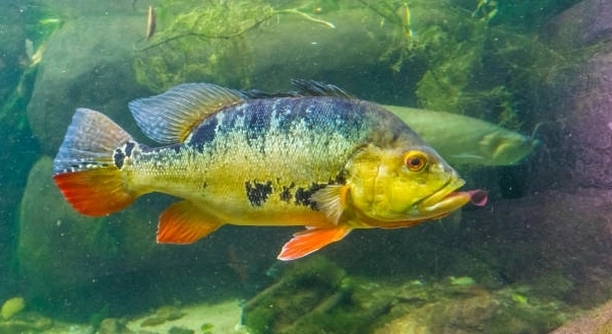
African cichlids are popular aquarium fish known for their bright colors and unique behaviors. Many fishkeepers notice that these cichlids often seem to ignore each other, even when kept together in the same tank. This behavior can seem puzzling at first but is quite natural for them.
African cichlids ignore each other primarily due to established territories and social hierarchies. When each fish has its own space, they avoid unnecessary conflicts by keeping distance. This territorial behavior reduces stress and aggression within their community.
Understanding why these fish behave this way helps improve how they are cared for in home aquariums. This knowledge can create a healthier and more peaceful environment for your cichlids to thrive.
Territorial Behavior Among African Cichlids
African cichlids are naturally territorial fish. In the wild, they claim specific areas in lakes and defend them from others. This instinct carries over to aquariums. Each fish tries to keep its space to avoid fights and stress. When a tank is large enough with plenty of hiding spots, these fish feel comfortable setting boundaries. They spend time patrolling and marking their territory. Sometimes, they swim close to each other without interaction, respecting those invisible borders. This behavior reduces aggressive encounters and helps maintain balance in the tank. Understanding territorial needs can guide you in tank setup and fish placement. It prevents overcrowding and helps your cichlids live more peacefully.
Territorial behavior explains why cichlids often ignore each other. They are simply respecting each other’s space to avoid conflict.
Knowing how to provide enough space and hiding areas will make your cichlids feel safe and less aggressive. A well-structured tank can encourage calm interactions among them.
Social Hierarchy and Communication
African cichlids establish social ranks within their groups.
Social hierarchy plays a crucial role in how these fish behave toward each other. Higher-ranking fish often display bold behavior, while lower-ranking fish keep their distance to avoid trouble. This pecking order means fish don’t need constant fighting. Instead, they use body language and color changes to communicate status. Subtle displays like flaring fins or specific swimming patterns signal dominance or submission. These signals help fish recognize each other’s place, so they can coexist peacefully. Understanding these social dynamics can help in managing groups to prevent stress and aggression. Keeping fish of similar size and temperament reduces the chance of conflicts. Watching their interactions can be interesting and helpful to maintaining a healthy aquarium. Respecting their natural communication is key to their wellbeing.
Environmental Factors Affecting Interaction
Tank size and decoration impact how African cichlids interact.
A larger tank with plenty of rocks and hiding spots reduces tension. Fish have places to retreat and claim as their own, lowering stress and aggression. Without enough space or shelter, cichlids may feel threatened and act aggressively or ignore others to avoid conflict. Proper environmental setup encourages natural behaviors and peaceful coexistence.
Lighting and water quality also influence cichlid behavior. Bright lighting can increase visibility, making fish more aware of others’ presence. Meanwhile, stable water conditions support their health, preventing irritability. A well-maintained environment helps cichlids feel secure and less likely to display hostile behavior.
Feeding and Its Effect on Social Behavior
Feeding routines influence how African cichlids act around each other.
When food is abundant and evenly distributed, cichlids are less competitive. They focus more on eating than defending territory or challenging others. Uneven feeding, however, can lead to aggression as fish compete for limited resources. Feeding smaller amounts several times a day can reduce stress and aggression.
Diet quality also affects social behavior. Nutritious food keeps fish healthy and less prone to irritability. Poor nutrition can increase stress, leading to more conflicts or withdrawal. Consistent feeding schedules and good diet support calmer interactions and a more balanced tank environment.
Breeding Behavior and Interaction
During breeding, African cichlids become more focused on their mates and territory.
They may ignore other fish to protect their eggs or fry, showing less social interaction during this time.
Stress and Its Impact on Behavior
Stress causes cichlids to hide or avoid other fish. Stress factors include poor water quality, overcrowding, or sudden changes. Managing these conditions helps reduce stress and encourages healthier social behavior among cichlids.
Recognizing Signs of Illness
Illness can make African cichlids withdraw from others.
Sick fish often lose appetite, hide more, and show faded colors or unusual swimming. Early detection and treatment improve recovery chances and prevent spread to healthy fish.
Why do African cichlids sometimes ignore each other?
African cichlids ignore each other mainly because they respect established territories and social hierarchies. When each fish has its own space, it reduces the need for constant interaction or conflict. This behavior helps maintain peace in the tank by minimizing aggression and stress. Additionally, during certain times like breeding or stress, cichlids may focus on their own activities and avoid others temporarily.
Is it normal for African cichlids to be quiet and not interact?
Yes, it is normal. African cichlids are not always active with each other. They spend a lot of time watching from a distance or staying in their preferred spots. Quiet behavior often shows they feel secure and are not threatened. However, if a fish completely isolates itself and stops eating, it might be a sign of illness or stress.
How does tank size affect cichlid interactions?
Tank size plays a big role in cichlid behavior. Larger tanks give fish more space to establish territories and avoid one another if they want. This decreases fighting and stress. Small or overcrowded tanks can cause fish to feel trapped, leading to aggression or constant chasing. Providing enough room and hiding spots helps fish feel safer and more relaxed.
Can adding decorations reduce aggression among African cichlids?
Yes, decorations like rocks, plants, and caves help break sight lines and create hiding places. This allows fish to escape from dominant individuals and claim their own space. Proper tank décor mimics their natural environment and helps lower stress levels, which in turn reduces aggressive behavior and makes fish more comfortable.
Why do some African cichlids suddenly become aggressive and then ignore each other later?
African cichlids may show brief aggression when defending territory or during mating. Once boundaries are clear or breeding is over, they often calm down and ignore each other to avoid unnecessary fights. This cycle of aggression followed by peace is part of their natural social structure and helps maintain balance in the tank.
How does feeding affect African cichlid behavior?
Feeding time is when cichlids can become competitive. If food is scarce or all in one spot, fish may fight or chase others away. Evenly spreading food and feeding smaller amounts more often reduces competition. Good nutrition also helps keep fish healthy, calm, and less prone to aggressive behavior.
What signs show that African cichlids are stressed?
Signs of stress include hiding a lot, rapid breathing, loss of appetite, faded colors, and erratic swimming. Stress can come from poor water quality, overcrowding, sudden changes, or illness. Reducing stress factors and keeping a stable, clean environment helps fish behave normally and ignore unnecessary threats.
Do African cichlids recognize each other?
Yes, African cichlids can recognize other fish in their group by sight and behavior. They remember social ranks and territories. This recognition helps them avoid repeated fights and maintain a stable social order. Fish that are new or unfamiliar may be challenged until they fit into the hierarchy.
How does breeding change African cichlid social behavior?
During breeding, cichlids become very focused on protecting their eggs or fry. They may ignore other fish completely or act aggressively to guard their territory. After breeding, their behavior usually returns to normal. Providing safe spaces and separating breeding pairs if needed helps reduce stress and conflict.
What should I do if my African cichlid is sick and avoiding others?
If a fish hides, loses appetite, or shows unusual swimming, it may be sick. Check water quality first, then isolate the fish if possible to prevent spreading disease. Consult a vet or fish expert for proper diagnosis and treatment. Early care increases the chances of recovery and helps maintain a healthy tank.
Can African cichlids live peacefully with other fish species?
They can, but it depends on tank size, species compatibility, and individual fish temperaments. African cichlids are territorial and can be aggressive toward smaller or less assertive fish. Choosing tank mates that can hold their own and providing enough space reduces conflicts and helps different species coexist more peacefully.
Why do African cichlids sometimes ignore newcomers in the tank?
New fish can be seen as threats, but often cichlids ignore newcomers to avoid unnecessary fighting. Over time, they observe and assess the new fish. If the newcomer is non-threatening and respects territories, they may be gradually accepted. Proper introduction methods and patience help ease the transition.
How can I encourage better social interaction among my cichlids?
Providing a well-structured tank with enough space, hiding spots, and balanced feeding encourages natural behavior. Avoid overcrowding and keep water quality stable. Watching fish closely helps spot signs of stress or aggression early. Sometimes, rearranging decorations can reset territories and improve social balance.
Is it normal for some African cichlids to be more solitary than others?
Yes, individual personalities and species differences affect social behavior. Some cichlids prefer solitude and spend most time alone in their territory. Others are more social and interact frequently. Respecting these differences by giving each fish suitable space and conditions helps maintain a peaceful tank.
What role does water quality play in African cichlid behavior?
Poor water quality stresses fish, making them more aggressive or withdrawn. High ammonia, nitrite, or unstable pH levels can irritate cichlids and change their behavior. Regular testing and maintenance keep water clean and stable, promoting healthy social interactions and preventing illness.
Can African cichlids coexist with their own kind without issues?
They can, especially when the tank is large enough and well decorated. However, some aggression is natural due to territorial disputes and social hierarchy. Providing enough space and hiding places helps reduce fighting and allows them to coexist more peacefully. Careful monitoring is important to catch problems early.
African cichlids are fascinating fish with unique behaviors that can sometimes be misunderstood. Their tendency to ignore each other is often a sign of healthy social structure rather than a problem. In many cases, this behavior comes from their natural instincts to maintain territories and respect social ranks. When they have enough space and proper conditions, they don’t need to interact constantly. Instead, they keep their distance, which helps reduce stress and aggression in the tank. Understanding this behavior is important for anyone who wants to keep African cichlids in a home aquarium.
Creating the right environment for African cichlids is key to their wellbeing. Providing a spacious tank with plenty of hiding spots allows each fish to claim its own area and feel secure. Good water quality, stable temperatures, and a balanced diet also play a big role in how these fish behave. When they are healthy and comfortable, they are less likely to show aggressive or fearful behavior. It is also important to consider how many fish live together and their individual personalities, as these factors can affect how often they interact or choose to stay apart.
Watching African cichlids and learning how they communicate through body language and movement can be very rewarding. Their social behaviors are complex but natural, and they often balance interaction with peaceful coexistence. If your fish sometimes ignore each other, it is usually a good sign that they are content and have found their place in the tank. Taking time to observe and adjust the aquarium setup when needed will help ensure your cichlids live comfortably and happily together. This approach leads to a healthier and more enjoyable aquarium for both the fish and the keeper.

Hello,
If you enjoy the content that we create, please consider saying a "Thank You!" by leaving a tip.
Every little bit helps us continue crafting quality advice that supports the health, happiness, and well-being of pets around the world, for pets of all shapes, sizes, and species.
We really appreciate the kindness and support that you show us!