
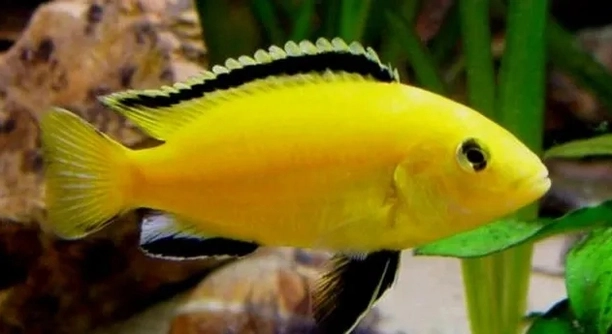
African cichlids are popular freshwater fish known for their unique behaviors. One common action they perform is fanning the substrate in their tanks or natural habitats. This behavior plays an important role in their daily life and survival.
African cichlids fan the substrate primarily to clean and prepare the area for breeding. By using their fins to move water and sediment, they remove debris and create a suitable nest for their eggs, ensuring better chances of reproduction success.
Understanding why these fish fan the substrate offers insight into their natural instincts and care needs. This knowledge can help aquarium owners create a healthier environment for their cichlids.
Why African Cichlids Fan the Substrate
African cichlids fan the substrate to maintain a clean and safe area for their eggs. When they spread their fins close to the tank or lake bed, they create water currents that move away dirt and small particles. This helps keep the eggs free from harmful debris and increases their chances of survival. The fanning also oxygenates the water around the eggs, which is important for their development. In addition, the behavior can serve as a signal to other cichlids about the readiness of the nest site. This natural instinct is vital for their reproductive success. Watching them fan the substrate reveals a lot about their care for their young. This simple yet essential action reflects how these fish manage their environment to protect their offspring and ensure healthy growth.
The substrate fanning behavior is common among many cichlid species, especially during breeding periods.
Understanding this can help aquarium keepers provide better conditions that support the natural habits of African cichlids, leading to healthier fish and successful breeding outcomes.
Environmental Factors Affecting Substrate Fanning
Water quality and substrate type impact how often and how effectively cichlids fan the substrate. Poor water conditions can reduce their activity and breeding success. Clean, well-oxygenated water encourages natural behaviors.
Cichlids prefer fine gravel or sand that can be easily moved. Rough or sharp substrates might discourage fanning. Providing the right environment makes a difference in how these fish behave and breed. Adjusting tank conditions to match their needs supports their natural instincts. This also helps prevent stress, which can harm their health. Keeping the water clean and choosing the correct substrate are simple but important steps for any cichlid keeper. Observing changes in their fanning can also indicate how well they are adapting to their environment. If the fish stop fanning or seem restless, it may be time to check water quality or substrate conditions. Proper care based on these factors leads to a more natural and healthy aquarium setup.
Breeding Behavior and Nest Preparation
African cichlids fan the substrate mainly to prepare a safe nest for their eggs. This behavior is part of their natural breeding routine.
By moving water across the substrate, they clear away debris and create a clean surface. This helps protect the eggs from dirt and potential fungi or bacteria. Fanning also improves oxygen flow around the eggs, which is essential for their development. During this process, males often guard the area to keep rivals away. Females then deposit eggs on the prepared site, knowing it offers a better chance for survival. This careful preparation shows how much effort cichlids put into ensuring their young grow safely. The behavior also signals readiness to other fish and strengthens pair bonds during breeding. It is a clear example of instinct guiding fish toward reproductive success.
Understanding this helps aquarium owners support natural breeding habits by providing appropriate tank conditions.
Signs Your Cichlids Are Preparing a Nest
Cichlids that fan the substrate will often clear specific areas and become more territorial. This change in behavior signals nesting activity.
You may notice a fish digging or pushing substrate with its fins. The fish might guard this area more aggressively than usual. Other signs include increased activity around the nest site and reduced feeding. This focus on the substrate is a clear indication they are preparing for eggs. Providing a soft substrate and quiet space will support this behavior. Tank mates should be monitored to avoid stress or aggression during this time. Recognizing these signs helps you create the best environment for breeding success. Being attentive to these behaviors allows you to care for your cichlids in a way that respects their natural instincts and needs.
The Role of Water Flow in Substrate Fanning
Water movement helps cichlids fan the substrate more efficiently. It carries away fine particles and improves oxygen levels around the eggs.
Stronger water currents encourage more frequent fanning. Without enough flow, debris can settle, reducing the chances of successful breeding.
How Substrate Type Influences Fanning
Soft substrates like sand are easier for cichlids to fan and shape. They can quickly clear and rearrange these surfaces for nesting.
Hard or sharp substrates may discourage fanning since they are difficult to move and can harm the fish’s fins.
Impact of Stress on Fanning Behavior
Stress reduces the likelihood that cichlids will fan the substrate. Factors like overcrowding or poor water quality increase stress.
When stressed, fish focus on survival rather than breeding activities, so substrate fanning often stops or becomes less frequent.
FAQ
Why do African cichlids fan the substrate?
African cichlids fan the substrate mainly to clean and prepare a suitable nesting site. By fanning, they move water over the substrate, which removes debris and increases oxygen flow. This creates a healthier environment for their eggs and improves the chances of successful hatching.
Is substrate fanning only related to breeding?
While substrate fanning is most commonly linked to breeding, cichlids may also fan the substrate to explore or clean their territory. However, the behavior becomes more frequent and intense during breeding periods when nest preparation is critical.
What type of substrate is best for cichlids to fan?
Fine sand or small, smooth gravel is best because it’s easy for cichlids to move with their fins. Rough or sharp substrates can discourage fanning since they are harder to shift and may injure the fish’s fins during the process.
How can I tell if my cichlids are preparing a nest?
Look for focused activity in one spot, where a cichlid repeatedly fans and moves the substrate. They may become territorial and guard the area. This change in behavior usually signals nest preparation before egg laying.
Can poor water quality affect substrate fanning?
Yes, poor water quality can reduce fanning behavior. Dirty or low-oxygen water stresses the fish and makes them less likely to engage in breeding behaviors like substrate fanning. Keeping water clean supports their natural instincts.
What role does water flow play in substrate fanning?
Water flow helps carry away fine particles and supplies oxygen to the eggs. A moderate current encourages more effective fanning. Without enough flow, debris can settle, reducing the benefits of substrate cleaning and oxygenation.
How can I encourage substrate fanning in my aquarium?
Provide a soft substrate like sand or fine gravel and maintain good water quality with moderate flow. Avoid overcrowding and reduce stress factors. Creating a calm environment supports natural breeding behaviors, including fanning.
Do both male and female cichlids fan the substrate?
Usually, males do most of the substrate fanning when preparing the nest, but females may also fan to help clean the site. Both parents often guard and care for the eggs after they are laid.
What should I do if my cichlids stop fanning the substrate?
Check for stressors like poor water quality, overcrowding, or aggressive tank mates. Ensure the substrate is suitable and the environment is calm. Adjusting these factors often helps fish return to normal behaviors.
Can substrate fanning damage my aquarium setup?
Substrate fanning moves sediment and small particles but generally does not harm the tank. It’s a natural behavior and usually causes only minor disturbance in the substrate arrangement.
Is substrate fanning seen in all cichlid species?
Not all cichlids fan the substrate, but many African species, especially those from rocky or sandy habitats, show this behavior during breeding. Different species have different nesting habits.
How long does substrate fanning last during breeding?
Fanning lasts from several hours to days depending on the species and conditions. It continues until the eggs are laid and sometimes while the parents guard the nest.
Can substrate fanning be harmful to eggs?
Proper fanning is beneficial, as it cleans and oxygenates the eggs. However, if water conditions are poor or the fish become overly aggressive, eggs can be disturbed or damaged.
Should I provide hiding spots near nesting areas?
Yes, hiding spots reduce stress and protect breeding fish from tank mates. Safe areas near the nest help parents focus on fanning and guarding without distractions.
Does temperature affect substrate fanning behavior?
Higher temperatures often increase breeding activity, including substrate fanning, because they mimic natural breeding seasons. Cold or unstable temperatures can reduce this behavior. Maintaining stable, appropriate temperatures encourages healthy breeding.
African cichlids fanning the substrate is an important and natural behavior that plays a key role in their breeding process. By using their fins to move water and shift sediment, these fish create clean and well-oxygenated spaces for their eggs. This behavior helps protect the eggs from dirt and harmful organisms while improving their chances of successful hatching. Understanding why cichlids fan the substrate helps aquarium keepers support these natural instincts and create better environments for their fish. It also shows how thoughtful and deliberate fish can be when it comes to caring for their offspring.
Providing the right conditions in an aquarium is essential for encouraging substrate fanning. A soft substrate like fine sand or smooth gravel is easier for cichlids to move and shape. Good water quality and moderate water flow are also necessary to keep the fish healthy and active in their natural behaviors. Stress, overcrowding, or poor tank conditions can reduce or stop substrate fanning, which often signals trouble for the fish’s breeding success. Observing changes in this behavior can help owners identify and fix problems early. Creating a calm, clean, and supportive environment helps cichlids feel secure and allows them to show their natural nesting behaviors.
Recognizing and respecting the substrate fanning behavior improves not only breeding outcomes but also the overall well-being of African cichlids. This behavior is a clear sign of how these fish interact with their environment and care for their young. It reminds us that even small actions have important meanings in the animal world. By paying attention to these natural habits, aquarium keepers can better meet the needs of their cichlids and enjoy watching the fish thrive. Supporting these behaviors enriches the aquarium experience and promotes a healthy and balanced ecosystem within the tank.

Hello,
If you enjoy the content that we create, please consider saying a "Thank You!" by leaving a tip.
Every little bit helps us continue crafting quality advice that supports the health, happiness, and well-being of pets around the world, for pets of all shapes, sizes, and species.
We really appreciate the kindness and support that you show us!