
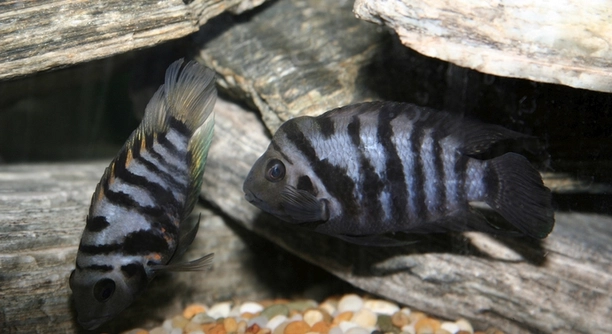
African cichlids are known for their active behavior, especially when it comes to moving gravel around their tanks. This constant rearranging is a typical part of their natural habits. Many fish owners notice this behavior and wonder about its purpose.
African cichlids constantly rearrange gravel as part of their instinctual behaviors related to territory establishment, breeding, and environmental interaction. This activity helps maintain their habitat, signals dominance, and creates suitable conditions for laying eggs.
Understanding why cichlids behave this way can improve tank management and fish wellbeing. The following article explains the reasons behind this behavior and offers helpful insights for enthusiasts.
Natural Instincts Drive Gravel Rearranging
African cichlids move gravel to mark their territory and create comfortable spaces. This behavior comes from their natural instincts in the wild, where maintaining territory is important for survival. Moving gravel also helps them find food or create hiding spots. Sometimes, they shift gravel to build nests or prepare safe areas for their eggs. This activity keeps the tank environment dynamic, reflecting their need to interact with their surroundings. If the gravel looks messy, it usually means your cichlids are healthy and active. While it can seem disruptive, this behavior is a sign they are comfortable in their habitat and expressing natural tendencies. Observing these behaviors can provide insight into their mood and health. Gravel rearranging may also help cichlids reduce stress by giving them control over their space. This instinctual behavior is a key part of their daily routine and helps keep them mentally stimulated.
African cichlids moving gravel shows they are actively engaging with their environment.
By understanding these instincts, you can create a better tank setup. Provide enough gravel and space for them to explore and rearrange. Avoid overcrowding the tank, which limits their ability to claim territory. Different gravel types can affect their behavior; smoother gravel is often preferred to prevent injury. Regular tank maintenance is important, but avoid over-cleaning the substrate as it removes natural scent markers. Adding rocks or caves can complement their natural digging and rearranging habits, giving them additional areas to explore. Watching how your cichlids interact with their tank can help you notice changes in behavior that might signal health or environmental issues. Supporting their natural behaviors through tank design improves their overall wellbeing and keeps them active and content.
Creating a balanced environment with enough gravel and hiding places encourages healthy behavior.
Breeding and Gravel Rearranging
Gravel movement is especially noticeable during breeding periods. Male African cichlids often rearrange gravel to create nesting sites. They clear spaces or pile gravel to attract females and prepare for spawning. This behavior signals readiness and territory ownership. Females may also move gravel to clean or prepare the area for eggs. Proper nesting sites are essential for successful breeding, which is why gravel manipulation is a key part of the process. Breeding behavior often increases gravel movement, making tanks appear more disturbed than usual. Recognizing this pattern helps fish owners understand when their cichlids are preparing to reproduce. Providing the right environment, such as flat rocks or smooth gravel, can encourage natural breeding behavior. Observing these behaviors closely ensures the tank setup meets their reproductive needs.
Gravel rearranging is a critical part of the African cichlids’ reproductive cycle.
During breeding, cichlids become more territorial and active in shaping their environment. The male’s role in preparing nesting sites involves carefully clearing and arranging gravel to protect eggs and offspring. This activity helps secure a safe, clean space free of debris and potential threats. Females select males based on the quality of their nesting site, making gravel management an important display of fitness. Breeding sites also require stable conditions, so consistent water quality and temperature support this behavior. If the tank lacks adequate gravel or suitable surfaces, breeding may be inhibited. Understanding this helps fish owners provide the best care, supporting natural behaviors that lead to successful reproduction. Gravel rearranging during this time is not random but purposeful and vital for the species’ continuation.
Providing suitable gravel and nesting spaces supports natural breeding behavior and enhances tank health.
Gravel Movement and Tank Environment
Gravel rearranging helps African cichlids maintain a healthy and comfortable environment in their tank. This constant activity prevents buildup of waste and keeps the substrate fresh.
When cichlids move gravel, they expose hidden areas and help circulate water around the substrate. This reduces the chances of harmful bacteria or fungi growing. It also allows oxygen to reach the bottom layers, which is important for a balanced tank ecosystem. Gravel shifting can stir up detritus, helping filter systems capture it more effectively. This behavior supports the overall cleanliness and health of the aquarium.
However, excessive gravel movement might cause temporary cloudiness in the water. This is normal and usually clears up once particles settle or are filtered out. To help manage this, regular water changes and a good filtration system are essential. Ensuring the gravel is of appropriate size and weight can reduce unnecessary displacement and minimize mess.
How Tank Setup Influences Gravel Behavior
The size and type of tank setup directly impact how much gravel rearranging occurs. Smaller tanks with limited space may increase territorial disputes and more frequent gravel movement.
Providing ample space and well-placed hiding spots can reduce stress and limit aggressive behavior that leads to constant gravel shifting. Smooth gravel or sand is easier for cichlids to move but can cause more frequent rearranging. Rougher gravel is less likely to be moved but might discourage some natural digging behaviors. Adjusting tank décor, such as adding rocks and caves, gives cichlids alternative ways to mark territory and reduces substrate disturbance.
Lighting and water conditions also play a role. Bright light may make fish more active, while poor water quality can increase stress and trigger more digging or moving of gravel. Proper tank setup balances these factors, helping keep your cichlids calm and their gravel movement moderate.
Gravel Size and Texture
Gravel size affects how easily African cichlids can move it around. Smaller gravel is simpler for them to shift and rearrange frequently.
Coarser gravel is harder to move but provides better stability for plants and decorations. The choice depends on balancing fish behavior with tank aesthetics and function.
Managing Gravel Rearranging
Limiting excessive gravel movement can be done by adding larger rocks or décor to stabilize the substrate. These features create natural barriers.
Encouraging natural digging with designated areas or smooth gravel can help contain the behavior and reduce mess throughout the tank.
Gravel Rearranging and Fish Health
Regular gravel movement can be a sign of a healthy, active fish. It indicates normal exploration and territorial behavior.
If gravel movement suddenly stops or becomes frantic, it may signal stress or illness requiring attention.
FAQ
Why do African cichlids constantly rearrange gravel?
African cichlids move gravel as part of their natural instincts. It helps them mark territory, build nests, and create comfortable spaces in their environment. This behavior also keeps their habitat clean and allows them to express natural digging and exploration tendencies.
Is gravel rearranging harmful to my tank?
Gravel rearranging is usually not harmful. However, it can cause temporary cloudiness in the water as particles get stirred up. Proper filtration and regular water changes help maintain water clarity. If gravel movement is excessive, adding larger decorations or heavier gravel can reduce the disturbance.
Can gravel rearranging affect other fish in the tank?
Yes, constant gravel shifting might disturb other fish, especially shy or slow-moving species. African cichlids are territorial and active, so their behavior can cause stress in less aggressive tank mates. Providing enough hiding spaces and separate areas can help reduce tension.
How can I minimize gravel movement without restricting natural behavior?
Use a mix of larger rocks and heavier gravel to stabilize the substrate. Adding decorations like caves or plants gives cichlids alternative spots to explore and mark. Creating designated digging zones with smoother gravel can focus their behavior and reduce overall substrate disturbance.
Does gravel size influence how much cichlids move it?
Yes, smaller and smoother gravel is easier for cichlids to shift, leading to more frequent rearranging. Larger, rougher gravel is harder to move but may limit natural digging activities. Balancing gravel size helps manage how much they move the substrate.
Why do cichlids rearrange gravel more during breeding?
During breeding, males clear and prepare nesting sites by moving gravel. This signals readiness and helps protect eggs and fry. Females may also rearrange gravel to prepare the spawning area. This behavior is essential for successful reproduction.
Should I be concerned if my cichlids stop moving gravel?
A sudden stop in gravel movement could indicate stress, illness, or an uncomfortable environment. Healthy, active cichlids usually show this behavior regularly. Check water quality, tank conditions, and fish health if the activity declines sharply.
Can gravel rearranging damage plants in the tank?
Yes, cichlids digging in gravel may uproot or disturb plants, especially delicate ones. To protect plants, choose hardy species, use plant anchors, or place plants in areas less accessible to digging. Some fish-safe substrates designed for planted tanks can help.
Is gravel rearranging more common in certain cichlid species?
Yes, species with strong territorial or breeding behaviors tend to rearrange gravel more often. African cichlids from rocky lake environments are particularly active in moving substrate as part of their natural habits.
How often should I clean the gravel if cichlids are constantly moving it?
Regular tank maintenance is important, but avoid over-cleaning gravel to preserve natural scent markers important for cichlids’ territory. Cleaning every two to four weeks is usually sufficient, depending on tank size and stocking levels.
Can gravel rearranging cause damage to aquarium equipment?
Generally, gravel movement doesn’t damage equipment if the tank is properly set up. However, excessive stirring can clog filters faster due to increased debris in the water. Keep filters clean and monitor flow to ensure efficient operation.
Does lighting affect gravel rearranging behavior?
Bright lighting can increase fish activity, including gravel moving. Dimmer lighting may reduce some behaviors but also affects plant growth and fish health. A balanced lighting schedule supports natural behavior without overstimulation.
African cichlids constantly rearranging gravel is a natural and important behavior that reflects their instincts and needs. This activity helps them establish territory, prepare nesting sites, and keep their environment comfortable. Although it may sometimes seem disruptive, it is a positive sign that your fish are healthy and active. Understanding why they move gravel can help you provide a better tank setup that supports their natural habits. By giving them enough space, proper substrate, and hiding places, you can encourage healthy behaviors and reduce stress.
Managing gravel rearranging is part of maintaining a well-balanced aquarium. Choosing the right size and type of gravel makes a difference in how often the fish move it. Adding decorations like rocks, caves, or plants can create natural barriers and offer alternative places for cichlids to explore. This helps contain the digging and limits excessive substrate disturbance. It is also important to keep the tank clean with regular water changes and proper filtration to prevent cloudiness from stirred-up particles. These steps contribute to a stable, healthy habitat for your cichlids.
Monitoring your cichlids’ gravel rearranging can provide useful insights into their health and wellbeing. Regular movement generally shows they are comfortable and expressing normal behavior. However, sudden changes, like a decrease in activity or frantic digging, may signal stress or environmental issues. Paying attention to these signs allows you to address potential problems early. Overall, gravel rearranging is a natural part of African cichlid life, and supporting this behavior with thoughtful tank care will keep your fish happy and thriving.

Hello,
If you enjoy the content that we create, please consider saying a "Thank You!" by leaving a tip.
Every little bit helps us continue crafting quality advice that supports the health, happiness, and well-being of pets around the world, for pets of all shapes, sizes, and species.
We really appreciate the kindness and support that you show us!