
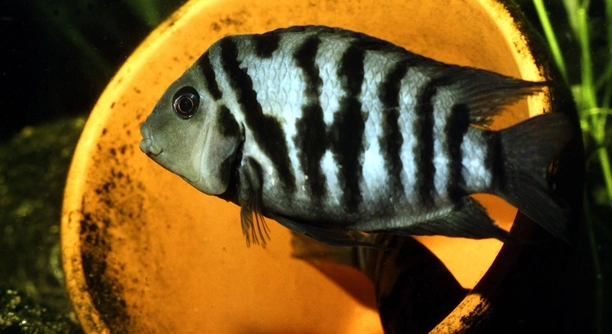
African cichlids are popular freshwater fish known for their bright colors and interesting behaviors. One behavior that often catches attention is when they swim in circles around each other. This circling is a common part of their interaction in tanks or natural habitats.
The circling behavior in African cichlids is mainly a form of territorial or mating display. It allows the fish to assess each other’s strength and status without immediate aggression. This ritual helps reduce direct fights and establishes social order among them.
Understanding why these fish circle each other reveals more about their social nature and environmental needs. Observing these behaviors can improve how we care for them and keep their habitats healthy.
Understanding Circling as a Territorial Behavior
When African cichlids circle each other, they are often marking their territory. These fish are very protective of their space, especially in confined environments like aquariums. Circling helps them show dominance without immediately resorting to fighting. Each fish tries to appear stronger by swimming confidently and closely around the other. This behavior helps them avoid injuries that could result from constant physical battles. It is a natural way for them to communicate who owns a particular area. If a fish feels threatened, it will often increase this circling behavior to warn the other to stay away. Over time, these displays lead to one fish claiming control over a certain spot, creating a peaceful balance in the tank.
Territorial circling usually happens near hiding spots or food areas. It’s a way for cichlids to protect what’s important to them.
Circling as a territorial display is essential for maintaining harmony among African cichlids. Without this behavior, constant fights could stress the fish and harm their health. Observing these patterns can guide you in setting up your tank with enough space and shelters. This reduces tension and keeps the fish comfortable. Understanding their need for territory allows better care and a peaceful aquarium environment.
Circling in Courtship and Mating
Circling is also part of African cichlids’ mating rituals. When a male and female are ready to breed, they will swim in circles together to establish a connection. This behavior helps the male show off his strength and colors to attract the female’s attention. The female evaluates the male’s display before deciding to mate. This circling is slower and more deliberate compared to territorial circling, showing a different kind of interaction. It builds trust and signals readiness for spawning.
During courtship, the male may also dig small pits or clear spaces as part of the display. This helps create a safe place for eggs and shows the female that he can protect the offspring. Watching this behavior can be fascinating because it shows the natural cycle of life in the aquarium. Providing a suitable environment with flat surfaces or soft substrate encourages this courtship behavior, improving the chances of successful breeding.
How Environment Influences Circling Behavior
The tank setup greatly affects how often African cichlids circle each other. Crowded spaces can increase circling as fish compete for limited territory. Providing enough hiding spots helps reduce tension and aggressive displays.
A well-arranged aquarium with rocks, plants, and caves mimics their natural environment. This encourages natural behavior and lowers stress. When fish feel secure, they circle less aggressively and more calmly. Proper water quality and temperature also play a role in how comfortable the fish feel, impacting their interactions. Observing their behavior can guide adjustments in tank design to create a balanced habitat.
Sometimes, even small changes like rearranging decorations or adding more plants can calm the fish. This makes circling less frequent and less intense, helping the whole community thrive. Adjusting the environment is key to managing their behavior effectively.
Recognizing Stress in Circling Behavior
Circling can sometimes indicate stress or discomfort. When fish circle rapidly or aggressively, it may signal overcrowding or poor water conditions. This behavior is a warning sign to check their habitat.
Stress weakens their immune system and can lead to illness. It’s important to monitor tank conditions regularly, including cleanliness and water parameters. Adding more space or improving filtration often reduces stress-related circling. Also, avoid sudden changes in lighting or temperature, as these can trigger anxiety in cichlids. Recognizing these signs early helps maintain healthy fish.
Stress can also result from incompatible tank mates. Some cichlids are more aggressive, which increases tension in the group. Choosing compatible species and providing enough territory lowers stress. Keeping a calm environment ensures healthier and happier fish.
Circling and Social Hierarchy
Circling helps establish a clear social hierarchy among African cichlids. Dominant fish use this behavior to assert their status and keep weaker fish in check. It’s a way to avoid constant fighting while maintaining order.
Lower-ranked fish often back down after a few displays, reducing conflict and stress. This balance keeps the group stable and organized.
Impact of Age and Size on Circling Behavior
Younger and smaller cichlids tend to circle less aggressively than older, larger ones. Size often determines which fish takes the lead in these interactions. Older fish use circling to maintain dominance, while younger fish are more cautious and avoid direct challenges. Understanding this helps in managing tank populations and reducing fights, especially in mixed-age groups.
How to Manage Excessive Circling
Providing ample space and hiding spots can reduce excessive circling. Regular tank maintenance also helps keep the fish calm and less territorial.
What does it mean when African cichlids circle each other?
Circling is a common behavior that serves several purposes. Most often, it is about establishing territory or dominance without immediately fighting. Fish swim around each other to size up strength and avoid injury. It also plays a role in mating rituals, where the circling is slower and more about attraction than aggression.
Is circling always a sign of aggression?
No, circling isn’t always aggressive. While it can be part of territorial disputes, it is also a way for cichlids to communicate and establish social order peacefully. In mating, circling is a gentle display to attract a partner. Observing the speed and intensity can help tell if it’s aggressive or calm behavior.
How can I tell if circling is causing stress?
Rapid, intense circling with chasing or biting is a sign of stress and aggression. Fish might hide more, lose color, or eat less if stressed. If you notice this behavior often, check tank conditions, space, and compatibility between fish to reduce tension.
What tank conditions encourage healthy circling behavior?
A spacious tank with plenty of hiding spots helps fish feel secure. Clean water, proper temperature, and stable lighting reduce stress. These conditions encourage natural behaviors, including circling that is calm and less frequent. Avoid overcrowding to prevent excessive territorial displays.
Can circling behavior lead to injury?
Yes, if circling escalates into chasing or fighting, fish can get hurt. Scrapes, torn fins, and stress-related illnesses can follow. Providing enough space, hiding places, and monitoring aggressive fish reduces the risk. Early intervention helps keep fish safe.
Does the size of the fish affect circling behavior?
Larger, older fish often circle more to show dominance. Smaller or younger fish tend to be more cautious and avoid direct challenges. Size differences affect who controls territory and how often circling happens. Managing fish of similar size can reduce conflict.
Is circling more common in certain species of cichlids?
Yes, some African cichlid species are more territorial and display circling more often. Mbuna cichlids, for example, are known for active territorial behavior. Understanding species-specific traits helps create a better tank environment and manage their behavior effectively.
How does circling relate to breeding success?
Circling is part of courtship. It helps males show strength and readiness to mate. Females watch the displays and decide if the male is a suitable partner. Providing appropriate surfaces and safe areas encourages successful breeding by supporting natural courtship behaviors.
What can I do if circling becomes a problem in my tank?
Start by assessing tank size and population density. Add decorations or plants to break sightlines and create territories. Separate overly aggressive fish if necessary. Regular maintenance and stable water conditions reduce stress, which can lower aggressive circling.
Does diet affect circling behavior?
A healthy diet helps fish feel strong and reduces stress, which can influence behavior. Poor nutrition might make fish more aggressive or weak, changing how they interact. Feeding high-quality, balanced food regularly supports their overall well-being and social behavior.
Can circling behavior indicate illness?
Sometimes abnormal circling or twitching can suggest illness or discomfort. Watch for other signs like lethargy, loss of appetite, or visible wounds. If you suspect illness, test water quality and consider consulting a vet or expert to prevent further health problems.
Is it normal for cichlids to circle at night or in low light?
Circling is mostly a daytime behavior connected to social interactions. At night or in dim light, fish usually rest and reduce activity. If circling happens at unusual times, it might indicate stress or a problem with the environment.
How long does circling usually last during interactions?
Circling can last from a few seconds to several minutes, depending on the purpose. Territorial displays tend to be shorter to quickly establish dominance. Courtship circling may last longer as the fish build connection before spawning.
Can circling be used to tell if fish are compatible?
Yes, how fish circle and respond to each other can indicate compatibility. Calm, balanced circling suggests they can coexist peacefully. Frequent aggressive circling might mean the fish don’t match well and could need separation to avoid fights.
Are there any signs that circling will turn into aggression?
Signs include fast swimming, flared fins, chasing, and biting attempts. If these follow circling, aggression is likely. Intervening early by rearranging the tank or separating fish can prevent injuries and reduce stress.
Circling behavior in African cichlids is a natural part of their life. It helps them communicate with each other, whether it is about territory, social ranking, or mating. Understanding this behavior allows us to better care for these fish in aquariums. When fish circle calmly, it usually means they are establishing boundaries or showing interest in a mate. This kind of interaction is normal and healthy for them. It is important to recognize that circling is not always a sign of aggression, but rather a way to avoid fights and keep peace within their group.
The environment plays a big role in how often and how intensely cichlids circle. A crowded tank or lack of hiding places can make the fish more tense and aggressive. On the other hand, a well-set-up aquarium with plenty of space and decorations helps reduce stress and makes circling less frequent and less harmful. Maintaining good water quality and a stable temperature also helps the fish feel safe. Watching their behavior closely and making adjustments to the tank can improve their comfort and health. It’s important to remember that every tank and group of fish is different, so what works for one may need to be changed for another.
Taking care of African cichlids means paying attention to their natural behaviors like circling. By providing the right environment, good diet, and proper tank mates, their interactions will be more balanced and less stressful. Circling is a useful sign that shows how fish relate to each other and their surroundings. Learning to read these signs can help you create a calm and healthy space for your cichlids to live. With care and understanding, these beautiful fish can thrive and display their unique behaviors without causing harm to themselves or others.

Hello,
If you enjoy the content that we create, please consider saying a "Thank You!" by leaving a tip.
Every little bit helps us continue crafting quality advice that supports the health, happiness, and well-being of pets around the world, for pets of all shapes, sizes, and species.
We really appreciate the kindness and support that you show us!