
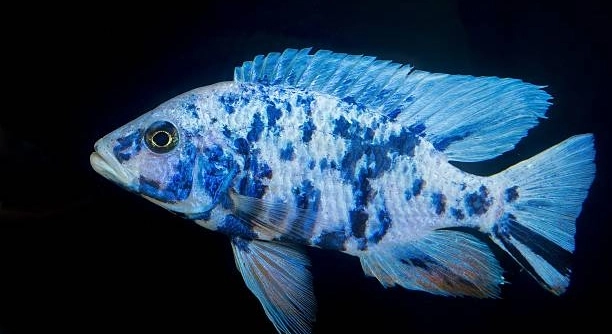
Have you ever noticed your African cichlid looking completely different from one day to the next, with bold colors fading or shifting? These changes can be surprising, especially if you’re new to keeping these vibrant freshwater fish.
African cichlids change colors suddenly due to factors like stress, dominance behavior, mating readiness, or environmental shifts. These color changes are a natural part of their communication and social structure, helping them respond to their surroundings.
Understanding why this happens can help you keep your fish healthy, reduce stress in your tank, and appreciate their fascinating behavior even more.
What Triggers Color Changes in African Cichlids
Color changes in African cichlids are usually tied to their environment, health, and social interactions. These fish are sensitive to what’s happening around them. If there’s a new tank mate, a change in water conditions, or a sudden shift in lighting, it can trigger a visible reaction in their appearance. Stress is one of the most common reasons they lose color. Overcrowding, poor water quality, or aggressive tank mates can all contribute. On the other hand, brighter colors often signal confidence, good health, or a display of dominance. During mating periods, males especially show off more vibrant shades to attract females. These changes aren’t just for show; they play a role in survival, communication, and territory defense. Keeping your tank stable and calm will help maintain the natural balance and allow your cichlids to display their true colors comfortably.
Even small shifts in the tank can influence their appearance, especially if they feel threatened or unsure.
Watching for patterns in when and how the color changes happen can tell you a lot about what your fish might be experiencing. It’s not just about looks—color shifts are often your first clue that something deeper is going on in the tank.
Common Types of Color Changes
Some color changes are temporary, while others can become permanent depending on the fish’s age or role in the group.
Dominance is one of the biggest reasons for sudden color shifts. When a male wants to show authority or rise in rank, he may darken or brighten rapidly. Submissive fish may fade in color to avoid confrontation. Mating behavior also causes noticeable changes. During breeding season, males usually become more vibrant to attract a mate. Even females can show different hues when ready to breed or when protecting eggs. Another common cause is stress. Poor water quality, sudden temperature drops, or bullying can cause a cichlid to turn pale. Illness can also impact color, with sick fish sometimes losing their brightness or showing blotchy patches. Lastly, age plays a role—juveniles may change appearance as they mature, and older fish might gradually lose vibrancy over time. Recognizing the context behind each shift can help you respond properly and improve your fish’s overall well-being.
How Stress and Environment Affect Their Colors
Stress can quickly dull a cichlid’s colors. This often happens when the tank is overcrowded, the water quality drops, or they feel threatened. A stressed fish may appear pale or blotchy, signaling it’s not comfortable in its current setting.
Water conditions are one of the most important factors. If the temperature changes too quickly or the pH is off, your cichlid can react by changing color. Loud noises, bright lighting, or even frequent tank cleaning can create tension. They need a calm, stable environment to feel secure. Adding hiding spots or breaking up sightlines with plants and rocks can reduce stress. Monitor water parameters regularly and make changes slowly to avoid shocking your fish. Keeping a consistent routine helps build a stable environment where your cichlids can thrive and maintain their natural coloration.
If aggression is the issue, try separating the more dominant fish or rearranging the tank. This resets territory boundaries and gives others a chance to settle in. You can also use dividers or rehome particularly aggressive individuals. It’s important to understand that color fading from stress isn’t permanent—it can reverse once things calm down. A peaceful setup leads to healthier, more vibrant fish that show off their best colors daily.
The Role of Mating and Social Signals
During breeding periods, male cichlids display brighter, more intense colors to attract females. It’s their way of showing strength and readiness. In contrast, a female might shift shades to indicate interest or protectiveness once eggs are laid.
These color displays are a natural part of their social structure. In a group setting, cichlids constantly adjust their colors to signal rank, mood, or readiness to breed. You may notice that dominant males keep their bold hues longer, while submissive ones tone down to avoid fights. Some species even show bars or patches only during courtship. These changes happen quickly and can shift again within hours, depending on what’s happening in the tank. Watching this behavior gives you insight into their relationships and helps you spot any signs of tension or illness. Knowing what’s normal for your fish makes it easier to tell when something might be wrong.
Natural Growth and Color Development
Young cichlids often look dull or neutral in color. As they grow, their colors develop slowly, usually becoming more noticeable around sexual maturity. It’s normal for juveniles to look completely different from the adults in both pattern and brightness.
Each species matures at its own pace. Some take months, others even longer.
When Color Changes Signal a Problem
If your cichlid’s color fades suddenly and doesn’t return, it might be a sign of illness or poor tank conditions. Watch for other symptoms like loss of appetite, unusual swimming, or clamped fins. These signs often appear together and should be addressed quickly to avoid more serious issues.
What You Can Do About It
Start by checking your tank’s water parameters and making sure everything is stable. Make changes slowly, and avoid sudden shifts in lighting or temperature.
FAQ
Why did my African cichlid suddenly turn pale overnight?
Sudden paleness is often a stress response. This can be caused by poor water conditions, aggressive tank mates, sudden lighting changes, or even rearranging the tank. It may also happen if the fish feels threatened or has lost its place in the tank’s social hierarchy. Pale coloring doesn’t always mean illness, but it’s important to look for other signs like rapid breathing, hiding, or clamped fins. If your fish looks pale for more than a day or two, test the water parameters and observe how the other fish are behaving.
Can African cichlids change color permanently?
Yes, some color changes can be permanent. As cichlids grow and mature, their colors often deepen or change pattern entirely. Males usually show stronger, more vivid colors than females, especially once they reach breeding age. Sometimes, a fish that was dominant but loses its position in the group will permanently fade in color. Aging can also dull their colors over time. However, if a permanent color shift happens suddenly and the fish also seems unwell, it’s worth checking for illness or long-term stress.
Do female cichlids change color too?
Yes, although not as dramatically as males. Female cichlids may show subtle changes, especially during breeding or when guarding fry. Some species have females that darken when they’re feeling protective or lighten when stressed. Unlike males, their changes are usually less flashy and more functional, helping them blend in or signal readiness. In many cases, female colors stay more neutral overall, but you’ll still notice small shifts during specific moments.
Is it normal for cichlids to show bars or stripes sometimes?
Yes, vertical or horizontal bars can appear and disappear depending on mood, stress, or social status. These patterns are often temporary and serve as signals to other fish. For example, a fish displaying dark bars might be asserting dominance or warning others. Stripes can also appear when a cichlid is excited or agitated. They’re one of the many ways cichlids communicate without fighting. If the bars stay visible all the time, though, it could mean the fish is under constant stress.
What should I check first when I notice a color change?
Start with water quality. Check temperature, ammonia, nitrite, nitrate, and pH. Even small imbalances can cause stress and affect a fish’s appearance. Next, look at social behavior in the tank. Has there been more aggression lately? Any new fish added? Changes in lighting or decor can also affect mood. Once you’ve ruled out environmental issues, observe the fish’s behavior closely. If it’s still eating, swimming normally, and interacting with others, the color change might be temporary.
Can medications or food affect their color?
Yes. Some medications, especially those used to treat parasites or bacterial infections, can stress fish and cause fading. On the other hand, high-quality foods rich in natural color enhancers like spirulina or krill can help cichlids show off brighter colors. Diet alone won’t solve underlying issues, but it plays a key role in their overall health. Avoid overfeeding or using low-quality pellets, as that can lead to health issues that also affect appearance.
How long does it take for color to return after stress?
It depends on the cause and how quickly the issue is resolved. In some cases, color can return within hours if the stressor is removed. In others, it may take several days or even weeks. If the stress continues or the fish feels unsafe, it may keep its colors muted to avoid attention. Focus on keeping a calm environment, stable water, and a good diet. Once the fish feels secure again, the color usually comes back.
Do all African cichlids change color in the same way?
No. Each species has its own behavior and pattern when it comes to color changes. Some, like peacocks and haps, show vibrant color shifts when dominant or during mating. Others, like Mbunas, use subtle shading to signal stress or social standing. It’s helpful to research your specific species so you can understand what’s normal and what’s not. Observing your fish regularly makes it easier to spot unusual changes early.
Can lighting in the tank affect how their colors look?
Definitely. The type and intensity of lighting can make a big difference in how colors appear. LED lights with full-spectrum or actinic settings can enhance blues and reds, while weak or overly harsh lighting might wash out their colors. Sometimes what looks like a dull fish is just poor lighting. A consistent lighting schedule also helps reduce stress. Try not to leave lights on for more than 8–10 hours a day.
Should I separate a fish that keeps changing color?
Not always. If the fish is otherwise healthy and just shifting between dominance and submission, there’s no need to isolate it. But if you see signs of bullying, constant hiding, loss of appetite, or torn fins, it may be time to step in. A divider or rearranging the tank decor can help without fully removing the fish. Separating should be a last resort unless the fish is clearly injured or severely stressed.
Final Thoughts
African cichlids are known for their bright, shifting colors, and watching them change can be both fascinating and confusing. These changes are a normal part of their behavior and often reflect what is going on in their environment. Stress, breeding, social standing, or health can all play a role. Sometimes the change is temporary and harmless, while other times it can be a sign that something needs attention. As a cichlid keeper, it’s helpful to observe your fish often so you can learn what is normal for them and notice when something seems off. Understanding their signals takes time, but it can make caring for them feel more natural and rewarding.
Color changes are not always a problem. In fact, they often mean your cichlids are interacting normally with their surroundings and each other. A dominant fish becoming more colorful or a female darkening to guard her fry are just a few examples of healthy behavior. However, if colors fade suddenly, or your fish seems sick or stressed, it’s a good idea to check on water quality, social dynamics, and diet. Small changes to the tank setup or routine can make a big difference. Clear water, stable temperature, hiding spots, and a peaceful tank environment all help cichlids stay vibrant and active.
Caring for African cichlids requires some patience, but it doesn’t have to be overwhelming. Keeping a close eye on their colors is one simple way to track their well-being. You don’t need to stress over every small change, but being aware helps you step in early if something is wrong. With time, you’ll start to recognize patterns and learn what your fish need to stay healthy and bright. Whether the change is due to growth, stress, or social behavior, color is just one of the many ways these fish communicate. By giving them the care they need, you’ll enjoy a tank full of lively, colorful cichlids that reflect the effort you put into their environment.

Hello,
If you enjoy the content that we create, please consider saying a "Thank You!" by leaving a tip.
Every little bit helps us continue crafting quality advice that supports the health, happiness, and well-being of pets around the world, for pets of all shapes, sizes, and species.
We really appreciate the kindness and support that you show us!