
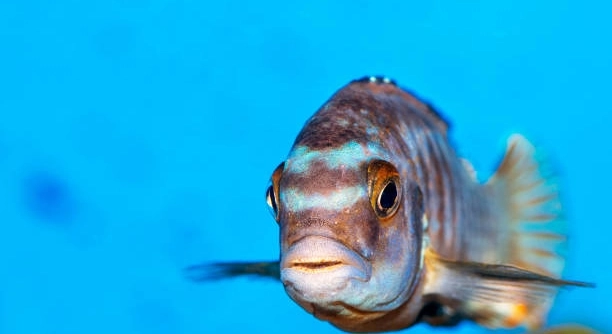
Have you ever noticed your African cichlids biting the glass of their tank? This common behavior can be puzzling and sometimes frustrating for aquarium owners. Understanding why they do this can help create a better environment for these colorful fish.
African cichlids bite the glass mainly due to territorial instincts and stress. This behavior is a natural response to their environment, where they may see their reflection as a rival or feel confined, leading to repeated glass-biting actions.
Learning more about this behavior can improve your aquarium setup and keep your fish healthier and happier over time.
Why African Cichlids Show Territorial Behavior
African cichlids are known for their strong territorial instincts. In the wild, these fish stake out areas of rocks or sand to claim as their own. When kept in a tank, they often mistake their reflection on the glass for another fish intruding on their space. This causes them to bite or ram the glass repeatedly. It’s not out of aggression towards you, but rather an instinct to defend their territory. Sometimes, a tank that is too small or overcrowded can increase stress levels, making this behavior worse. The environment plays a big role in how your fish act, so paying attention to tank size and decorations helps reduce their need to guard a space.
This territorial nature is part of why African cichlids are so active and lively. They need enough room to claim their own spots to stay calm.
Adjusting the tank environment to mimic their natural habitat helps ease their stress and lowers glass-biting incidents. Providing hiding spots and enough space for each fish can make a big difference.
How Tank Setup Affects Glass Biting
Tank size and decoration can greatly impact how often your cichlids bite the glass. Small tanks with little hiding space cause fish to feel trapped and stressed. When fish feel confined, their natural reactions, like attacking reflections or pacing, increase. Rocks, caves, and plants create boundaries and comfort zones. These decorations reduce stress and help fish focus on their surroundings, not their reflections. Proper filtration and water quality also keep fish healthy, reducing stress behaviors. Keeping the tank clean and balanced ensures your cichlids stay active but calm.
A well-planned tank setup is essential for healthy behavior in African cichlids.
When you improve your tank setup, your fish will feel more secure and bite the glass less often. Increasing tank size gives them room to swim freely and reduces territorial conflicts. Adding rocks and caves offers places to hide or claim, which helps lower stress. Avoid placing tanks where outside movement creates reflections, adding to confusion. A stable environment means happier fish that are less likely to show aggressive or nervous behaviors. Watching your fish adapt after these changes can be very rewarding and shows how important their environment is for their well-being.
Reflection and Its Effect on Behavior
Reflections in the tank glass often confuse African cichlids. They see their own image and mistake it for a rival fish. This triggers territorial aggression and causes them to bite or push the glass repeatedly.
The clearer and more reflective the glass, the stronger this reaction can be. Fish may spend a lot of energy attacking what they think is an intruder. This behavior can be stressful and even harmful if it happens too often. It is common during certain times, like breeding, when territorial instincts are strongest. Reducing reflections by adjusting lighting or placing backgrounds on the tank can help minimize this issue and calm the fish.
Even subtle movements outside the tank that create reflections can trigger biting. Covering the tank or moving it away from busy areas reduces these triggers. This simple change can improve your fish’s behavior and comfort.
Stress and Its Impact on Glass Biting
Stress is a key reason why African cichlids bite the glass. Poor water quality, incorrect temperature, or overcrowding all cause stress. When stressed, fish show behaviors like glass biting more often.
Maintaining proper tank conditions is important. Regular water changes, good filtration, and keeping the water temperature steady make a big difference. Overcrowded tanks increase stress as fish compete for space and food. Giving each fish enough room reduces tension and aggressive behaviors. Keeping an eye on fish health and tank cleanliness helps prevent stress and keeps glass biting under control. Stress reduction improves fish well-being and makes them less likely to harm themselves by biting glass.
Tank Size and Space
A small tank limits the space African cichlids have to swim and explore. This confinement increases their stress and causes more glass biting.
Larger tanks provide enough room for territories and reduce competition, which helps lower aggressive behavior and glass biting in cichlids.
Diet and Feeding Habits
A poor diet can lead to increased stress and agitation in African cichlids. Feeding a balanced diet with proper nutrients keeps them healthy and less likely to exhibit unwanted behaviors like glass biting. Regular feeding times also help maintain their calm and reduce frustration.
Interaction with Other Fish
Introducing the right tank mates can help reduce territorial disputes and glass biting. Avoid overcrowding or mixing overly aggressive species with African cichlids to keep peace in the tank.
Why do African cichlids bite the glass?
African cichlids bite the glass mostly because they see their reflection and think it’s another fish invading their territory. This behavior is driven by natural territorial instincts and stress. The glass acts like a mirror, confusing them and causing repeated attacks. Sometimes, stress from a small tank or poor water conditions also plays a role.
Is glass biting harmful to African cichlids?
Yes, frequent glass biting can harm your fish. They might injure their mouths or heads by hitting the hard glass. It can also cause stress, which lowers their immune system and makes them more vulnerable to illness. Keeping an eye on this behavior and making adjustments to the tank can prevent damage.
How can I stop my African cichlids from biting the glass?
Improving tank conditions helps a lot. Use a larger tank with plenty of hiding spots like rocks and caves. Reduce reflections by adjusting lighting or adding a background. Keep the water clean and stable, and avoid overcrowding. Sometimes adding peaceful tank mates can distract the fish and reduce aggressive behavior.
Does tank size really affect glass biting?
Absolutely. African cichlids need space to swim and claim territories. In a small tank, they feel trapped and stressed, leading to more glass biting. A larger tank reduces stress, allows natural behavior, and lowers the chance of aggression toward reflections.
Can reflections cause my cichlids to bite more?
Yes, reflections are a major trigger. The clearer and shinier the glass, the stronger the reflection. Fish see their image as a rival and try to attack it. Reducing reflections by changing tank lighting or covering the back and sides can calm your cichlids.
Will changing the diet help reduce glass biting?
A good diet supports overall health and reduces stress, which helps lower glass biting. Feed a balanced mix of pellets, flakes, and occasional live or frozen food. Avoid overfeeding or underfeeding, as either can cause stress and lead to aggressive behavior.
Does adding more fish reduce glass biting?
Adding more fish can sometimes distract your cichlids, but overcrowding causes stress and aggression, making things worse. It’s important to add compatible species and keep the tank size adequate. Too many fish in a small tank often increase glass biting rather than reduce it.
Can stress from water quality cause glass biting?
Yes. Poor water quality, wrong temperature, or inconsistent conditions stress cichlids. Stressed fish show more biting and aggressive behaviors. Regular water changes, proper filtration, and stable temperatures are essential to keep stress low and prevent glass biting.
Is it normal for African cichlids to bite glass during breeding?
Yes, during breeding, territorial instincts become stronger. Males especially guard their space and attack reflections more often. This behavior can increase temporarily but usually lessens after breeding is over. Providing enough hiding spots helps reduce tension during this time.
Can glass biting damage the tank?
While glass is very hard, repeated biting or ramming usually won’t damage the tank. However, constant banging can stress the fish and sometimes loosen tank seals. It’s best to address the behavior early to protect both your fish and your aquarium setup.
African cichlids biting the glass is a common behavior that many fish owners notice. This action mostly comes from natural instincts like defending territory and reacting to reflections. It can also be caused by stress when their environment is not ideal. Understanding why your fish bite the glass helps you make changes that improve their well-being. By recognizing these reasons, you can create a better home for your cichlids that reduces their frustration and keeps them healthier.
Making simple adjustments in the tank often solves the problem. Providing enough space for each fish is important, so consider using a larger tank if yours feels small. Adding rocks, caves, and plants gives your cichlids places to hide and claim as their own. These decorations reduce stress and help fish focus less on their reflections. It’s also helpful to reduce reflections by adjusting the lighting or adding a background to the tank. Good water quality, stable temperature, and a balanced diet also play key roles in keeping your fish calm and healthy. When these basic needs are met, glass biting usually decreases.
Remember that some level of glass biting can be natural, especially during breeding seasons or when new fish are introduced. It is part of how African cichlids behave in their environment. However, if the biting becomes excessive or causes injuries, it’s a sign that changes are needed. Watching your fish closely and making thoughtful improvements to their tank setup can help reduce this behavior. Taking these steps shows care for your fish and helps create a peaceful, happy aquarium where your African cichlids can thrive.

Hello,
If you enjoy the content that we create, please consider saying a "Thank You!" by leaving a tip.
Every little bit helps us continue crafting quality advice that supports the health, happiness, and well-being of pets around the world, for pets of all shapes, sizes, and species.
We really appreciate the kindness and support that you show us!