
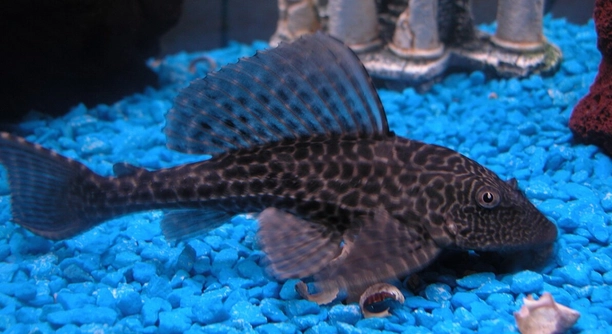
Losing a plecostomus can be a worrying experience for aquarium owners. These fish are often known for their resilience, so when one goes missing, it can be puzzling. Understanding what might have happened can help you prevent it in the future.
There are several reasons why your plecostomus may have disappeared, including poor water quality, lack of hiding spots, or even predation by other fish. These factors can cause them to retreat or become stressed, leading to potential disappearance.
By identifying the underlying cause, you can create a better environment for your plecostomus. We’ll explore the common reasons behind their disappearance and how to address them for healthier, happier fish.
Poor Water Quality
Water quality is a critical factor for the health of your plecostomus. These fish thrive in clean, well-maintained tanks. When water conditions deteriorate, they can become stressed and seek out hiding places. Poor water quality can include high ammonia or nitrate levels, an improper pH balance, or even the accumulation of waste. The presence of toxins in the water can quickly affect your plecostomus, leading it to hide or even pass away unnoticed. A sudden change in temperature can also create shock, causing the pleco to disappear or become inactive.
A stable tank environment is essential for the well-being of your plecostomus. Test your tank regularly for harmful chemicals and ensure you are performing regular water changes. Proper filtration is a must.
To keep your plecostomus healthy, always check your water parameters before assuming the fish is gone. Having a reliable testing kit and sticking to a maintenance schedule will help avoid unexpected surprises. Regular water changes can make all the difference in keeping your fish thriving.
Hiding Spots
Plecostomus are nocturnal creatures and love hiding in caves or behind decorations during the day. If your pleco goes missing, it may simply be resting in an overlooked corner or a spot you didn’t expect.
When setting up your tank, ensure there are plenty of safe spaces for your plecostomus to retreat. These hiding places give them a sense of security and prevent stress. It’s a good idea to check these areas when searching for your fish. Sometimes, a little patience is all that’s needed.
Plecos are naturally shy fish that often seek shelter. By providing proper hiding spots in your aquarium, you create an environment that allows them to feel safe and comfortable. This can help ensure they remain healthy and visible.
Incompatible Tank Mates
Tank mates play a huge role in the behavior of your plecostomus. If it shares its space with aggressive fish, it may feel threatened and hide more often. This stress can even lead to the pleco hiding for long periods, making it seem like it’s disappeared.
Aggressive fish, such as cichlids, may chase or nip at your pleco, forcing it to retreat and stay out of sight. Over time, this can weaken the plecostomus and affect its health. When adding new fish to the tank, it’s important to consider the temperament of your existing fish to avoid causing unnecessary stress.
If your plecostomus is sharing the tank with more peaceful fish, it’s less likely to feel the need to hide constantly. Choosing tank mates with similar behavior and temperament will allow your plecostomus to be more active and visible. Pay close attention to any signs of aggression in the tank.
Water Temperature
Plecostomus are sensitive to changes in water temperature. Extreme fluctuations, either too hot or too cold, can cause them to seek refuge in hidden spots. They prefer water that stays between 74°F and 80°F (23°C to 27°C). If the temperature drops or rises outside this range, your pleco may become stressed.
A consistent water temperature helps your pleco maintain its health. Using a reliable heater or cooling system can prevent these fluctuations. It’s also essential to check the temperature regularly with a thermometer to ensure it remains stable.
When the water temperature is ideal, your plecostomus will be more likely to stay active and visible. A stable environment reduces stress and encourages better overall behavior. Make sure your tank setup includes features to maintain temperature consistency.
Overfeeding
Overfeeding your plecostomus can lead to health problems and unwanted behavior. When they consume more food than they need, excess food can pollute the water, making it difficult for the pleco to thrive. This may cause your fish to hide or even become ill.
Overfeeding can lead to uneaten food decomposing in the tank, raising ammonia levels and decreasing water quality. This stress can make your plecostomus retreat, which might explain why it seems to disappear. It’s important to feed only the appropriate amount of food for your pleco’s size and ensure it’s consumed within a short time frame.
Feeding your pleco in moderation is crucial for its health and well-being. Avoid overfilling the tank with food, and clean any uneaten portions after a few hours. Proper feeding habits lead to a happier plecostomus and healthier tank environment.
Predators
If your plecostomus shares a tank with more aggressive or predatory fish, it could be at risk. Larger fish, like certain types of cichlids, may attack or harass your plecostomus, which could force it into hiding.
When selecting tank mates, it’s essential to ensure the species are compatible. If a predator is present in the tank, the pleco will likely retreat into hiding, avoiding interaction with the more aggressive fish. If the aggression is severe enough, it can lead to injury or death.
Stress
Stress is a major factor that can cause your plecostomus to disappear. Environmental changes, sudden loud noises, or overcrowding can trigger stress, making your pleco hide for long periods. The stress of constant disturbances can cause them to seek solitude.
Stress is also a result of poor tank conditions. Dirty water, incompatible tank mates, or an unstable temperature can all contribute. It’s essential to maintain a stable and peaceful environment to reduce stress for your plecostomus.
FAQ
Why did my plecostomus suddenly stop moving?
If your plecostomus has stopped moving, there could be several reasons behind it. One common cause is poor water quality. Ammonia, nitrates, and other toxins in the water can make your pleco feel stressed and inactive. A simple water test can help identify any harmful chemicals. Another possibility is a sudden change in temperature, which can also affect their behavior. If the water is too hot or too cold, your pleco may retreat to a hiding spot to avoid discomfort. Checking the water temperature and ensuring it’s in the ideal range for plecos can help address this.
Is it normal for my plecostomus to hide for days?
Yes, it’s perfectly normal for a plecostomus to hide for a few days, especially if it’s a nocturnal species. Plecos tend to stay hidden during the day and come out more during the night. They feel more comfortable in dark, secure places, so it’s important to provide adequate hiding spots in the tank. If your pleco stays hidden for an extended period, make sure the tank’s water quality is optimal. Stress from other tank mates or a drop in temperature can also make them more inclined to hide.
Can I keep multiple plecos in the same tank?
It’s possible to keep multiple plecostomus in the same tank, but there are a few things to consider. Plecos are territorial creatures, and if you keep more than one, they might fight over space. This could cause stress or even injury. It’s best to have a tank large enough to accommodate multiple plecos with plenty of hiding spots to reduce territorial behavior. Additionally, keep an eye on their behavior to ensure they are not fighting or becoming too stressed. Sometimes, a single pleco can feel more secure in a less crowded tank.
How do I know if my plecostomus is stressed?
Signs of stress in plecostomus include unusual hiding behavior, loss of appetite, or erratic swimming patterns. If your pleco is frequently hiding or becomes overly reclusive, this could be a sign that something is wrong with the water quality or tank conditions. Stress can also be caused by aggressive tank mates, so look for any signs of fighting or harassment. Physical signs like torn fins or scratches may indicate aggression. A stressed pleco might also scrape its body against surfaces in the tank, which can lead to skin damage.
What’s the best way to clean my plecostomus’ tank?
Cleaning the tank regularly is crucial for your plecostomus’ health. Start by removing any uneaten food from the substrate, as leftover food can decompose and pollute the water. Use a gravel vacuum to clean the substrate and remove waste from the bottom of the tank. Replace 20-30% of the water weekly to maintain water quality. Make sure to clean the filter and change the filter media as needed. Avoid over-cleaning, though, as it can disrupt the tank’s natural bacteria balance. Regular cleaning will help keep the environment healthy for your pleco and other tank inhabitants.
How long can plecostomus live without food?
Plecostomus are hardy fish and can survive for several days without food, especially if they have access to algae or other natural food sources in the tank. However, it’s not healthy to withhold food for extended periods. If your pleco is refusing food, it may be stressed, unwell, or suffering from poor water quality. It’s important to monitor their feeding habits and ensure they are getting the appropriate nutrition. If a pleco refuses food for more than a week, it may be a sign of an underlying health issue.
What should I feed my plecostomus?
Plecostomus are primarily herbivores, and their diet should consist mainly of plant-based foods. Algae wafers, spirulina tablets, and blanched vegetables like zucchini or cucumber are great options. They may also eat leftover food or algae that grow in the tank. While they may occasionally consume protein-based foods like shrimp or worms, their main diet should be plant matter. Make sure to provide a balanced variety of foods to keep your pleco healthy. Overfeeding should be avoided, as excess food can pollute the tank and harm water quality.
Can plecostomus live with other fish?
Yes, plecostomus can live with many other types of fish, but it’s important to choose compatible tank mates. Peaceful fish like tetras, guppies, or other small species are good choices. However, avoid keeping them with aggressive fish that may harass or stress your pleco. Larger fish, like cichlids, may pose a threat, as they might nip at or chase your plecostomus. Plecos can also become territorial with each other, so having a large tank with plenty of hiding spaces is essential when keeping more than one.
How often should I check the water in my plecostomus tank?
Water quality is crucial for the health of your plecostomus, so it’s important to check it regularly. Testing the water for ammonia, nitrites, nitrates, and pH should be done at least once a week. If you notice any issues with your pleco’s behavior or the tank’s cleanliness, it’s a good idea to check the water more frequently. Regular water testing helps catch potential problems early before they become serious. Maintaining stable water conditions will keep your pleco healthy and active in its environment.
Final Thoughts
If your plecostomus has disappeared, it can be unsettling, but it’s important to understand that there are many factors that could be at play. Plecos are hardy fish, but they still require certain conditions to thrive. Water quality, temperature, and the presence of hiding spots all play a role in their behavior. When any of these factors are out of balance, your plecostomus may choose to retreat or become inactive. Understanding these variables can help you create a healthier and more comfortable environment for your fish.
Another key factor to keep in mind is the stress your plecostomus may experience due to incompatible tank mates. Aggressive fish or other disturbances can cause your pleco to hide more often. It’s essential to choose peaceful companions that won’t cause harm or stress. Stress is one of the biggest contributors to changes in behavior, and with the right environment, your pleco will feel more comfortable and be more active. Providing the right setup with proper hiding spaces, the right water temperature, and compatible tank mates can go a long way in preventing your pleco from disappearing.
Lastly, always monitor the health of your plecostomus by keeping an eye on its behavior, food intake, and water quality. If your pleco is consistently hiding, or if it’s not eating, it’s a sign that something may not be right. Regular maintenance, such as water changes and filter cleaning, can help prevent water quality issues. Taking the time to observe your pleco and understand its needs will not only help you avoid potential problems but also ensure that it stays healthy and happy in your tank for years to come.

Hello,
If you enjoy the content that we create, please consider saying a "Thank You!" by leaving a tip.
Every little bit helps us continue crafting quality advice that supports the health, happiness, and well-being of pets around the world, for pets of all shapes, sizes, and species.
We really appreciate the kindness and support that you show us!