
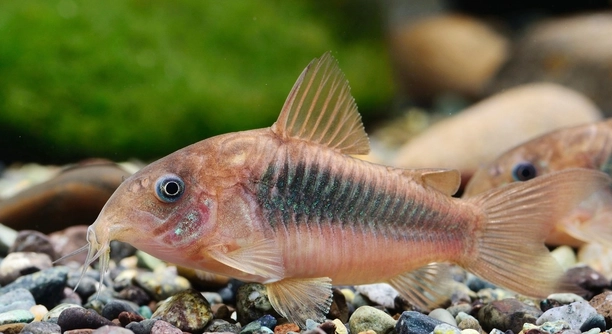
Corydoras catfish are popular aquarium pets due to their peaceful nature and active behavior. However, it can be worrying when they suddenly disappear without a trace. This article explores possible reasons behind their disappearance and how to address it.
The disappearance of your Corydoras catfish can be caused by various factors, such as water quality issues, predator behavior, or stress. Poor tank conditions, inappropriate tank mates, or sudden environmental changes can lead to your catfish hiding or even passing away.
Understanding these factors can help prevent further issues and ensure the well-being of your Corydoras catfish. We’ll explore the causes behind their disappearance and offer tips on maintaining a healthy aquarium environment.
Poor Water Quality
Water quality is one of the most common reasons your Corydoras catfish might disappear or appear to be missing. If the water conditions are off, your fish may retreat to hidden corners of the tank or even die. Ammonia, nitrites, and nitrates can accumulate quickly, especially in a tank that hasn’t been properly maintained. High levels of these harmful substances can cause stress, illness, or death. Additionally, fluctuating water temperature or poor oxygen levels can be fatal for sensitive species like Corydoras.
Inadequate filtration or overfeeding can cause water quality to deteriorate rapidly. Make sure to check water parameters regularly using a reliable test kit. Pay attention to the pH levels, hardness, and temperature to maintain an optimal environment for your fish. If you’re unsure, performing partial water changes can help improve water quality in the tank.
A good water filtration system is essential to keeping your aquarium clean. Regular maintenance of the filter and consistent water changes will help prevent dangerous chemical buildups. Proper water care can ensure your Corydoras are comfortable and stay visible in their tank rather than disappearing into hiding spots.
Incompatible Tank Mates
Corydoras catfish can sometimes disappear due to aggressive or territorial tank mates. Certain fish, like cichlids, can be too dominant and may chase or harass your Corydoras, causing them to hide or become stressed.
If you’re keeping Corydoras with larger, more aggressive species, it’s important to monitor their behavior closely. Corydoras are peaceful bottom-dwellers and can be easily intimidated by faster or more dominant fish. When selecting tank mates, choose species that are calm and compatible with these small, bottom-feeding catfish.
Aggression can also lead to injury. Some fish may nip at your Corydoras’ delicate fins, making them more prone to hiding or even retreating to secluded spots in the aquarium. To reduce stress and help your Corydoras feel safe, try separating aggressive fish or offering plenty of hiding spots in the tank. You can use plants, rocks, or caves to create a comfortable environment for your catfish to relax in.
Stress and Environmental Changes
Stress is a major factor in why your Corydoras catfish may vanish or hide. These fish are sensitive to sudden environmental changes, such as shifts in water temperature or light levels. When stressed, they may seek secluded areas of the tank to avoid feeling threatened.
Changes in their environment, like moving the tank or introducing new fish, can cause Corydoras to feel unsettled. If you’ve recently made changes to the aquarium, it’s important to give your fish time to adjust. Stress can weaken their immune system and make them more prone to illness, which might lead to them disappearing from view or even passing away. Keep the tank’s environment as stable as possible.
To minimize stress, avoid sudden changes in water conditions or overcrowding. Make sure the tank is in a quiet, low-traffic area. The more stable and calm the environment, the better your Corydoras will fare. A peaceful atmosphere can help them feel secure and more likely to stay active and visible.
Poor Diet
Corydoras need a well-balanced diet to stay healthy and thrive. If their nutritional needs aren’t met, they can become weak, stressed, and more likely to hide or disappear from sight. A poor diet can also lead to illness, which might cause your catfish to retreat.
These catfish primarily feed on sinking pellets, small live foods like worms, and occasional plant matter. If you’re only feeding them one type of food or too much of one thing, it can result in poor nutrition. Consider rotating their meals and providing a variety of options. Offering both protein-rich foods and vegetables will ensure they receive all the nutrients they need.
Not all fish food is created equal, and it’s essential to choose the right type for your Corydoras. Low-quality food can lead to digestive problems or malnutrition, which may cause your fish to become weak and hide. A healthy diet is key to a long, active life for your catfish, and it can help them remain visible and energetic.
Tank Size and Overcrowding
A tank that’s too small or overcrowded can lead to problems for Corydoras catfish. These fish need space to swim and hide. When there are too many fish in the tank, Corydoras may become stressed and retreat to less visible spots.
If your aquarium is overcrowded, your Corydoras may feel cramped and anxious. They might disappear into hiding places to avoid the crowded conditions. To keep them healthy and comfortable, it’s important to ensure the tank is large enough and that the number of fish is appropriate for the tank’s size.
A general rule is to provide at least 10 gallons of water per Corydoras, with enough space for the other fish as well. Having a properly sized tank with enough room to move will help prevent stress and encourage active, visible behavior.
Lighting and Tank Decorations
Bright, harsh lighting or lack of hiding spaces can stress Corydoras catfish, leading them to hide more frequently. These fish prefer low-light environments and feel more secure when they have places to retreat.
Adding plants, rocks, or caves to the tank can help create shaded areas for your Corydoras. These hiding spots help them feel secure, reducing stress. Avoid strong lighting, especially during the day, as it can disturb their natural behavior and make them more likely to seek cover. Gentle lighting and plenty of decor will keep them active and comfortable.
Illness or Injury
Your Corydoras might disappear due to illness or injury. If they are sick or injured, they may hide to recover in a safe space away from other fish. Look for signs of unusual behavior, like lethargy or poor appetite, which could indicate a problem.
Fish diseases can be tricky to spot at first, but early intervention can make a big difference. Symptoms like pale gills, unusual swimming patterns, or lesions can point to a health issue. If you notice these signs, take action quickly by isolating the affected fish and treating the tank.
FAQ
Why do Corydoras catfish hide so much?
Corydoras catfish are naturally shy, bottom-dwelling fish. They feel safer when they have plenty of hiding spots. In the wild, they use rocks, plants, and other structures to hide from predators. In your tank, they may hide due to stress, illness, or discomfort. It’s important to provide a well-decorated tank with plenty of hiding spots to make them feel secure.
Can I add more Corydoras catfish to my tank?
Yes, Corydoras are social fish and prefer to be in groups. Adding more of the same species will help them feel comfortable and less stressed. However, it’s essential to consider your tank size before adding new fish. Overcrowding can cause stress, which might lead to hiding or even health issues. Ensure you have enough space, about 10 gallons per 3-5 Corydoras.
How do I know if my Corydoras is sick?
A sick Corydoras may display signs like swimming erratically, rubbing against objects, clamped fins, or loss of appetite. Other indicators include pale gills, visible lesions, or a bloated abdomen. If you notice any of these symptoms, it’s important to isolate the fish and treat the tank accordingly. Consult an aquatic vet if the problem persists.
What should I feed Corydoras catfish?
Corydoras are omnivores, so their diet should include sinking pellets, live or frozen foods like brine shrimp or bloodworms, and occasional plant matter. Providing a varied diet ensures they get all the nutrients they need. Overfeeding or feeding only one type of food can lead to health problems. Ensure their food sinks to the bottom since Corydoras primarily forage along the tank floor.
How can I improve the water quality in my tank?
Maintaining good water quality is crucial for the health of your Corydoras. Regular water changes are essential, ideally around 20-30% weekly, depending on the size of the tank. Use a reliable filtration system to keep the water clean and test the water for ammonia, nitrites, nitrates, pH, and temperature. Keeping the tank stable and free of harmful chemicals helps prevent stress and illness.
How often should I clean my Corydoras tank?
Cleaning your tank is important, but it’s also essential not to disturb the fish too much. Perform partial water changes weekly, removing around 20-30% of the water. Clean the filter monthly and vacuum the substrate to remove excess food, waste, and debris. However, avoid over-cleaning, as beneficial bacteria need time to establish and break down harmful substances.
Can Corydoras live with other fish?
Yes, Corydoras are peaceful and get along well with most other species, especially non-aggressive fish. Avoid keeping them with aggressive or large fish that might see them as prey. Good tank mates include tetras, rasboras, and peaceful livebearers. Always consider the size of the fish and ensure they are not competing for space or food.
How do I prevent my Corydoras from becoming stressed?
To prevent stress, keep water conditions stable and ensure the tank is free of sudden changes. Corydoras also need adequate hiding spots, so add rocks, caves, or plants. Avoid aggressive tank mates and keep the water temperature between 72-78°F (22-25°C). A calm, peaceful environment encourages your Corydoras to stay active and visible.
Can Corydoras survive in a tank without a filter?
While Corydoras can survive for a short time in a tank without a filter, it’s not ideal. Filters help keep the water clean and provide oxygen, which is necessary for the fish’s health. Without a filter, toxins like ammonia and nitrites can build up, leading to poor water quality. If you choose to keep them in an unfiltered tank, regular water changes will be even more important.
Why is my Corydoras not eating?
A Corydoras that stops eating could be stressed, sick, or adjusting to a new environment. Check the water quality first, as poor conditions can cause loss of appetite. If your Corydoras continues to refuse food, check for signs of illness, such as abnormal swimming or lethargy. If no improvement occurs, isolate the fish and consider consulting a vet for advice.
Final Thoughts
Corydoras catfish are typically hardy and easy to care for, but their sudden disappearance or tendency to hide can be concerning. Often, it’s related to stress, poor water quality, or environmental factors that make them uncomfortable. The key to preventing this is creating a stable and healthy environment. Regular water changes, good tank filtration, and maintaining the right temperature and pH can significantly improve the chances of your Corydoras feeling safe and secure.
If you notice your Corydoras catfish hiding more than usual or acting differently, it’s important to observe the water quality and the tank environment. Check for any changes that might have caused stress, like new tank mates or altered lighting. Corydoras are sensitive to changes in their surroundings, so minimizing disruptions and providing plenty of hiding spots can help them feel more at ease. A healthy, well-maintained tank environment reduces the likelihood of your fish hiding or disappearing, ensuring they stay visible and active.
Ultimately, Corydoras are social fish that thrive in stable, peaceful environments. By understanding their needs, including proper diet, tank size, and water conditions, you can create a space where they feel secure and happy. Regular maintenance and attention to their behavior can help you address any issues early. With the right care, your Corydoras can continue to be an active and visible part of your aquarium for years to come.

Hello,
If you enjoy the content that we create, please consider saying a "Thank You!" by leaving a tip.
Every little bit helps us continue crafting quality advice that supports the health, happiness, and well-being of pets around the world, for pets of all shapes, sizes, and species.
We really appreciate the kindness and support that you show us!