
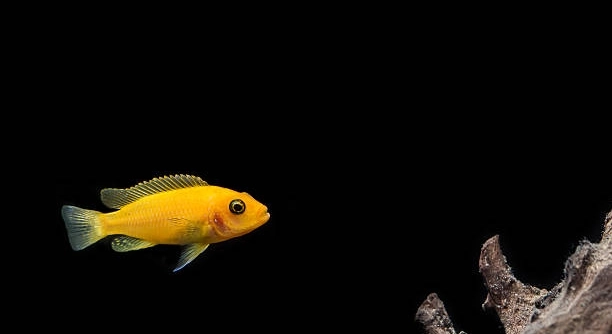
African cichlids are popular aquarium fish known for their vibrant colors and active behavior. Sometimes, these fish seem to vanish without warning, leaving their owners confused. Understanding why your cichlid disappeared can help prevent future losses and keep your tank healthy.
There are several reasons why an African cichlid might disappear, including hiding due to stress, illness, being eaten by tank mates, jumping out of the tank, or even death without visible remains. Each cause has distinct signs and preventive measures.
Knowing the common reasons behind a missing cichlid can help you protect your fish and maintain a balanced aquarium environment.
Hiding Due to Stress or Fear
African cichlids can disappear because they are hiding from stress or fear. Stress may come from sudden changes in water conditions, aggressive tank mates, or overcrowding. When feeling threatened, cichlids often retreat to caves, plants, or decorations. This hiding behavior helps them feel safe but can make them seem missing. It’s important to provide enough hiding spots and maintain stable water parameters. Regular water testing and tank cleaning reduce stress. Also, avoid mixing overly aggressive fish with timid cichlids. Observing your tank carefully helps you spot signs of stress, like rapid breathing or lack of appetite. If your cichlid stays hidden too long, it may need attention for illness or injury. Adjusting the tank environment often encourages shy fish to come out and thrive.
Hiding can last days or weeks, but consistent care usually helps cichlids return to normal behavior.
Creating a calm, stable tank with plenty of cover reduces stress-related hiding. This encourages your cichlid to feel secure and visible.
Being Eaten by Tank Mates
If your African cichlid disappeared suddenly, it might have been eaten by larger or more aggressive tank mates. Some cichlids show territorial or predatory behavior, especially during breeding or feeding. Smaller fish or weaker individuals are vulnerable. This happens more in tanks with mixed species or incorrect size ratios. Signs include missing fish, torn fins on survivors, or increased aggression during feeding. To avoid this, research compatible species before adding fish to your tank. Ensure plenty of space and hiding places for smaller fish. Feeding the tank well reduces hunger-driven aggression. Sometimes, separating aggressive fish or providing a species-only tank is necessary. Keeping an eye on fish interactions helps prevent losses from predation. If you notice signs of aggression, act quickly to rearrange your tank or remove problem fish. This improves safety for all your aquatic pets.
Jumping Out of the Tank
African cichlids sometimes jump out of tanks, especially if they feel threatened or uncomfortable. This behavior often happens in tanks without a secure lid. Fish may jump when water quality is poor or during aggressive encounters.
A missing cichlid could simply be hiding outside the tank or, sadly, deceased after jumping. Check around the tank area carefully. Ensure the tank has a tight-fitting lid to prevent escapes. Monitor water quality regularly because poor conditions stress fish and increase jumping risk.
If your cichlid jumped, it’s a sign to improve tank safety and environment. Proper water parameters and secure lids protect your fish and reduce stress-related jumps.
Illness or Disease
Illness is a common reason why an African cichlid might disappear. Sick fish often hide away and become less active. Diseases like ich, fin rot, or swim bladder problems can cause a cichlid to isolate itself or sink to the bottom.
Watch for symptoms like discoloration, ragged fins, or unusual swimming. Early detection and treatment are crucial. Quarantine new fish before adding them to the tank to prevent disease spread. Maintain clean water and a balanced diet to keep your cichlids healthy.
If your fish suddenly disappears, it may be fighting an illness. Careful observation and quick action help improve recovery chances and prevent losses in your aquarium.
Natural Hiding Instincts
African cichlids have strong natural hiding instincts. They often retreat to caves, plants, or decorations to feel safe. This behavior is normal and helps reduce stress.
Providing plenty of hiding spots encourages your fish to explore and feel secure.
Poor Water Quality
Poor water quality can cause your cichlid to become weak and hide more often. High ammonia, nitrite, or nitrate levels damage fish health quickly. Regular water tests and partial water changes keep the tank safe and clean.
Maintaining stable water conditions is essential to prevent sudden disappearances linked to stress or illness caused by poor water quality.
Tank Size and Environment
An overcrowded or small tank can cause stress and aggressive behavior among cichlids. Fish may hide or even disappear due to fights or lack of space. Providing enough room and a well-structured environment reduces conflicts and promotes healthy behavior.
FAQ
Why did my African cichlid disappear suddenly?
Your cichlid may have disappeared due to hiding, illness, aggression from other fish, or jumping out of the tank. Sudden changes in water quality or tank environment can stress fish, causing them to hide or act erratically. Check for signs of aggression or water problems, and inspect the tank area for escaped fish.
How can I tell if my cichlid is hiding or has died?
If your cichlid is hiding, you might spot it in caves, behind plants, or decorations. Dead fish often sink to the bottom or get hidden in filter intake areas. A strong ammonia smell can also indicate decay. Careful searching and observing water quality help determine what happened.
Can aggressive tank mates cause a cichlid to disappear?
Yes. Aggressive fish sometimes attack or eat smaller or weaker cichlids. Territorial disputes during breeding can increase aggression. Keeping compatible species together and providing plenty of hiding spots reduces conflicts and protects your fish.
What should I do if I find my cichlid jumped out?
If your fish jumped out and is still alive, gently place it back into the tank. Check the tank lid to prevent future escapes. Improving water quality and reducing stress can also lower jumping behavior.
How often should I test my aquarium water?
Testing water weekly is ideal to keep ammonia, nitrites, and nitrates at safe levels. Sudden changes in these can stress or kill fish. Regular water changes and maintenance help maintain stable conditions.
Can diseases cause a cichlid to disappear?
Yes. Sick cichlids often hide and become inactive before dying. Common diseases include ich and fin rot. Early treatment with appropriate medication and quarantine of new fish prevent outbreaks.
Is it normal for cichlids to hide for long periods?
It can be normal if the fish is adjusting to a new tank or feeling stressed. However, prolonged hiding may indicate illness, poor water conditions, or bullying by tank mates.
What size tank is best for African cichlids?
A minimum of 30 gallons is recommended for a few cichlids. Larger tanks reduce territorial aggression and provide enough space to establish hiding spots. Proper tank size supports healthier, more active fish.
Why do cichlids jump out of tanks?
They jump due to stress, poor water quality, or aggressive tank mates. Lack of a secure lid also increases escape chances. Addressing these factors reduces jumping incidents.
How can I create a safe environment to prevent my cichlid from disappearing?
Keep stable water conditions, provide hiding places, avoid overcrowding, and ensure tank mates are compatible. Secure the tank lid to prevent jumping. Regular observation helps catch problems early.
Can cichlids survive outside water if they jump out?
Only briefly. Fish can survive minutes to a few hours, depending on conditions. Immediate rescue improves survival chances, but long exposure is usually fatal.
What signs show my cichlid is stressed before disappearing?
Look for rapid breathing, loss of appetite, dull colors, or hiding more than usual. Stress weakens the immune system and may lead to illness or erratic behavior.
How do I treat a sick African cichlid?
Isolate the fish in a quarantine tank. Use appropriate medication based on the diagnosis, such as antifungal or antibacterial treatments. Keep water clean and stable to support recovery.
Can poor diet cause a cichlid to disappear?
Poor nutrition weakens immune defenses and causes lethargy. Malnourished fish hide more and become easy targets for aggression or disease. Provide a balanced diet with high-quality pellets and occasional live or frozen food.
Is it possible my cichlid was eaten by snails or other invertebrates?
No. Snails and typical invertebrates do not eat healthy adult fish. However, some larger invertebrates might scavenge dead fish remains.
How do I reduce aggression among cichlids?
Increase tank size, provide multiple hiding spots, and keep an even ratio of males to females. Avoid overcrowding and separate very aggressive individuals.
What should I do if I lose multiple fish?
Test water parameters immediately. Look for signs of disease or aggression. Quarantine new fish and adjust tank conditions. Consider consulting a specialist if problems persist.
Can sudden temperature changes cause a cichlid to disappear?
Yes. Sudden drops or spikes in temperature stress fish, causing hiding, illness, or death. Keep a stable temperature within the recommended range for your cichlid species.
Is it common for cichlids to hide during breeding?
Yes. Breeding fish often hide to protect eggs or fry. This behavior is normal and temporary but can look like disappearance.
How often should I clean my tank to keep cichlids healthy?
Regular water changes every 1-2 weeks and gravel vacuuming maintain cleanliness. Avoid complete tank cleanings that remove beneficial bacteria. Balanced maintenance supports fish health and visibility.
African cichlids are lively and colorful fish that can bring a lot of joy to any aquarium. However, when one suddenly disappears, it can be confusing and worrying. Understanding the common reasons behind their disappearance helps make better decisions to care for them. Whether a fish is hiding due to stress, illness, or aggression from other tank mates, each situation calls for different attention. Taking time to observe your tank and maintain stable conditions often prevents these problems from happening. Regular care and monitoring create a safe and healthy environment where your cichlids can thrive and be visible.
Water quality plays a crucial role in the health and behavior of African cichlids. Poor water conditions can cause stress and illness, which often lead fish to hide or disappear. It is important to test water regularly and perform partial water changes to keep ammonia, nitrite, and nitrate levels low. Along with water quality, tank size and the right choice of tank mates also affect your fish’s comfort. Overcrowding and aggressive species can cause stress, resulting in hiding or even injury. Providing enough space, hiding places, and compatible companions helps reduce tension in the aquarium. Simple adjustments like securing a tank lid can prevent fish from jumping out, a surprisingly common reason for sudden disappearances.
Finally, paying attention to your cichlids’ behavior and condition is key to spotting issues early. Changes in appetite, color, or activity often indicate stress or illness. Acting quickly by treating disease, improving water quality, or changing the tank environment gives your fish a better chance to recover. A healthy, balanced diet also supports their immune system and overall wellbeing. By learning the possible reasons behind your African cichlid’s disappearance and addressing them, you can enjoy a vibrant, lively aquarium. Careful management keeps your fish safe and visible, making the aquarium a more rewarding experience.

Hello,
If you enjoy the content that we create, please consider saying a "Thank You!" by leaving a tip.
Every little bit helps us continue crafting quality advice that supports the health, happiness, and well-being of pets around the world, for pets of all shapes, sizes, and species.
We really appreciate the kindness and support that you show us!