
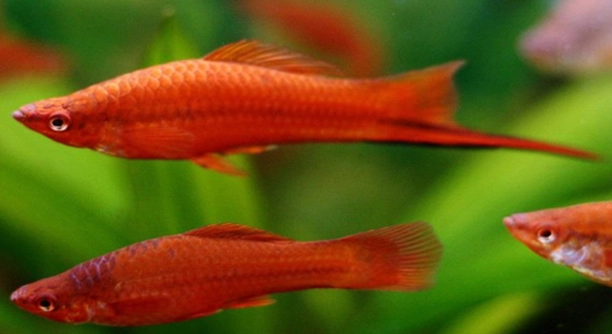
Have you ever looked into your tank only to notice that your swordtail is suddenly gone without a trace? It can be unsettling and confusing, especially when everything seemed fine just hours earlier.
Swordtails may disappear due to jumping out of the tank, hiding among decorations, falling ill, or being harassed by tank mates. These behaviors are often influenced by stress, water conditions, tank layout, and compatibility with other fish.
Knowing what might have caused your swordtail’s disappearance can help you prevent it from happening again and protect your other fish.
Common Reasons Your Swordtail Disappeared
Swordtails can vanish for a few key reasons, and understanding each one helps you respond quickly and effectively. These fish are known to be jumpers, especially when startled or when water conditions are off. A missing swordtail might have jumped out of the tank and landed behind furniture, making it hard to find right away. If the lid isn’t secure, this is a likely cause. Others may simply be hiding. Swordtails sometimes wedge themselves in plants, decorations, or behind filters when stressed or unwell. Poor water quality, illness, or aggression from other fish can also cause a swordtail to isolate. It’s also possible the fish passed away and was eaten by scavengers or tank mates before you noticed. Observing your other fish and checking the environment closely can reveal signs that confirm one of these possibilities. Always take action quickly to address anything that might endanger the rest of your fish.
Smaller fish are often eaten without leaving a trace, especially in tanks with bottom dwellers or larger species.
Check every corner of the tank. Lift decorations gently, inspect the floor around the aquarium, and look behind any filters. Swordtails are fast and can hide better than expected. Stay calm while inspecting, as sudden movements may cause hiding fish to stay hidden longer.
Preventing Future Disappearances
A tight-fitting lid is the simplest way to stop your swordtail from jumping out of the tank. Always double-check after water changes or maintenance.
Keeping your water parameters stable is just as important. Use a reliable water testing kit to monitor ammonia, nitrite, nitrate, and pH. Perform weekly partial water changes and avoid overcrowding the tank. Swordtails need room to swim and places to feel secure. Add live or silk plants and smooth decorations where they can explore without getting stuck. If you notice aggression from other fish, rearrange the layout to break up territories, or consider rehoming aggressive tank mates. Feed your swordtails regularly and ensure they’re not being outcompeted for food. Stress caused by food scarcity or harassment can lead to odd behavior or attempts to escape. Observation is key—if one fish appears stressed, isolate the issue quickly. Regularly checking your tank conditions, fish behavior, and equipment can prevent sudden problems. When conditions remain consistent and safe, your swordtails will be more visible, healthy, and confident in their environment.
How Tank Conditions Influence Behavior
Poor water quality affects how swordtails behave and where they spend their time. When conditions are off, they may hide more, stop eating, or become less active. Sudden shifts in temperature or pH can push them into survival mode quickly.
Swordtails are sensitive to changes in their surroundings. High ammonia or nitrite levels can burn their gills, making them stay near the surface or retreat into hiding. If oxygen levels are low, you might see them gasping or staying close to the filter. Dirty gravel, decaying plants, or uneaten food all contribute to poor water quality. A lack of regular maintenance often leads to these problems. Sometimes a fish will disappear simply because it’s trying to avoid discomfort caused by its environment. Routine water testing, cleaning, and water changes help reduce stress and keep conditions safe. When the tank feels stable, swordtails are more likely to stay active and visible.
Lighting also plays a role in their comfort. Lights that are too bright or left on too long can make swordtails feel exposed. Inconsistent lighting schedules may also confuse their natural rhythms. Try using a timer to keep things consistent, and offer shaded areas in the tank. Plants or driftwood help provide a sense of safety.
How Illness and Injury Contribute
Swordtails may isolate themselves when they feel unwell. Lethargy, fading color, clamped fins, and labored breathing are common signs of illness. A sick fish will often hide in low areas or stay motionless near the back of the tank.
Bacterial infections, parasites, and internal issues like swim bladder problems can cause a fish to disappear from its usual spots. Injuries from fights or sharp decorations might make a swordtail act similarly. Sometimes, by the time you notice a fish is gone, it’s already severely weakened or dead. A dead fish might be eaten by snails, shrimp, or other tank mates, especially in a community setup. Watching your fish daily makes it easier to spot health changes early. Quarantine new additions before adding them to your tank, and avoid overfeeding, which contributes to waste and health issues. Maintaining a clean tank, feeding a balanced diet, and acting quickly at the first signs of illness can reduce the chances of sudden disappearances.
Hiding and Tank Setup
Swordtails often hide in dense plants, hollow decorations, or behind filters, especially when stressed or threatened. A tank with too many hiding spots can make it harder to find them when they retreat.
Low lighting, tall plants, and stacked ornaments give swordtails extra places to vanish. This can feel comforting but also misleading.
Jumping and Tank Safety
Swordtails are known for jumping when startled, especially during water changes or loud noises. An uncovered tank increases the risk. A fish can jump through the smallest opening, so keeping lids secure is essential. Adding floating plants can help reduce jump-related stress by giving them a calmer surface environment.
Predation in Community Tanks
If housed with larger or more aggressive fish, swordtails can become targets. Attacks may occur at night or during feeding. Missing fins, stress marks, or unusual hiding may suggest trouble. Monitor tank dynamics closely and separate incompatible species to prevent repeated disappearances.
FAQ
Can swordtails disappear even in small tanks?
Yes, swordtails can still disappear in small tanks if there are enough hiding spots like caves, plants, or ornaments. They may wedge themselves into tight areas, stay behind the filter, or blend in with decorations. A stressed or injured fish might stay hidden for long periods.
Do swordtails eat their dead tank mates?
Swordtails don’t usually eat each other, but if a fish dies, other tank mates—including swordtails—may nip at the body. In community tanks, scavengers like snails or shrimp often clean up quickly, which can make it seem like the fish vanished without a trace.
Can swordtails die from stress alone?
Yes, stress can weaken their immune system and lead to illness or sudden death. Poor water quality, aggressive tank mates, temperature changes, or frequent disturbances all contribute to stress. When combined, these factors can cause a healthy-looking swordtail to crash fast.
Is it possible for swordtails to get stuck behind decorations?
It happens more often than you might think. Swordtails sometimes squeeze into narrow spaces to hide and then can’t get back out. If you suspect this, gently check behind decor, filters, or any small openings that aren’t fully visible from the front of the tank.
Why do swordtails hide after water changes?
Water changes can stir up waste, alter temperature, or cause pH swings, which may startle swordtails. If the new water isn’t close to the tank’s original conditions, they may feel uncomfortable and hide until they adjust. Gentle, gradual water changes are better for reducing stress.
Do swordtails always show signs before disappearing?
Not always. Some may appear healthy the day before and be gone the next. Others might show slight changes—like less movement or not eating—that can be easy to miss. Daily checks help you notice small shifts early, especially in their behavior or appearance.
What should I do if I can’t find my swordtail?
First, check all decorations, plants, and behind filters. If the tank is covered, make sure the fish hasn’t jumped out through a small gap. Look around the area just in case. If there are tank mates, observe their behavior to see if they’re acting differently.
Can swordtails survive outside the water if they jump out?
They don’t survive long out of water. Time depends on how quickly they dry out and the room’s temperature. If you find them still wet and moving, gently return them to the tank. Add extra aeration and monitor them closely for signs of stress or damage.
Do swordtails disappear more often in community tanks?
Yes, especially in crowded or poorly balanced setups. Aggression, limited space, or different water preferences can stress them. If a swordtail keeps hiding or vanishes entirely, check if it was bullied, chased, or outcompeted for food by larger or more active tank mates.
How do I prevent future disappearances?
Use a lid, maintain good water quality, and choose peaceful tank mates. Avoid overcrowding, provide a balanced diet, and keep decorations safe and easy to clean around. Regular observation, routine testing, and gentle handling during maintenance can help keep swordtails safe and visible.
Final Thoughts
Swordtails are active and peaceful fish, but their sudden disappearance can be worrying. In many cases, the reason is simple—like hiding in plants, jumping out of the tank, or getting stuck in decorations. These situations can be hard to spot right away, especially if the tank is heavily decorated or the fish is stressed. Swordtails often hide when they feel unsafe, and a change in behavior can happen quickly. Being familiar with their daily routine can help you notice when something seems off. Even if your tank setup seems secure, it’s important to check regularly for any gaps, sharp edges, or overcrowded spots.
The health of your swordtail plays a big role in how it behaves. A sick or stressed fish may isolate itself or stop swimming around as much. Poor water quality, sudden temperature drops, or aggressive tank mates can all create stress. Over time, this can lead to illness or death, which sometimes happens quietly and without obvious warning signs. If a swordtail dies, scavengers or other fish in the tank may remove the remains before you notice anything is wrong. This can give the impression that the fish just disappeared. Keeping a close eye on water parameters and making small, regular adjustments can reduce stress and help keep your fish healthy.
Creating a safe and calm environment for your swordtail can prevent most issues. Use a secure lid to prevent jumping, avoid overcrowding the tank, and add hiding spots that are safe and easy to check. Choose peaceful tank mates that don’t chase or nip. Watch how your swordtails act during feeding time and throughout the day. If one starts hiding or acting differently, take time to figure out why. It may be a simple fix, like adjusting the lighting or rearranging plants. Being observant and patient makes a big difference. While it’s not always possible to prevent every issue, small efforts in tank care can go a long way in keeping your swordtails safe and visible.

Hello,
If you enjoy the content that we create, please consider saying a "Thank You!" by leaving a tip.
Every little bit helps us continue crafting quality advice that supports the health, happiness, and well-being of pets around the world, for pets of all shapes, sizes, and species.
We really appreciate the kindness and support that you show us!