
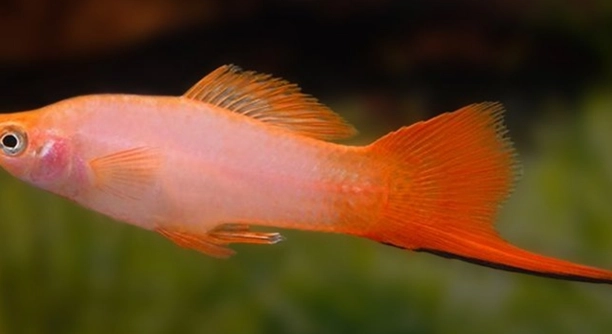
Swordstails are generally peaceful fish, making it a surprise when they suddenly turn aggressive. If your swordtail attacked, understanding the reasons behind the behavior is key to resolving the issue and maintaining harmony in your tank.
The primary reason for sudden aggression in swordtails is stress. This could be triggered by factors such as overcrowding, poor water quality, lack of hiding spots, or territorial disputes. Understanding and addressing these triggers is essential for restoring balance.
Managing your tank environment effectively will help prevent aggression in the future. We will go over steps to reduce stress and keep your swordtails calm and healthy.
Common Reasons for Swordtail Aggression
Aggression in swordtails can be linked to several factors, with stress being the most common cause. When swordtails feel threatened or uncomfortable in their environment, they may start attacking others. Stress can come from overcrowding, poor water quality, or sudden changes in the tank. Swordtails are also territorial by nature, especially during breeding times. If there is not enough space or hiding spots, they may show aggression to protect their territory. It’s important to consider all these factors when addressing unexpected attacks.
Overcrowding and poor water quality are two of the main contributors to stress. If your swordtail is feeling cramped or the water is unclean, aggression may occur. Making sure your tank is properly sized for the number of fish you have and keeping the water conditions stable can reduce stress.
Another reason for aggression can be the presence of competing fish, especially during mating season. Male swordtails are known to fight each other for the attention of females. Ensuring there are enough females and hiding spaces can help reduce tension.
How to Prevent Aggressive Behavior
The best way to prevent aggression is by improving the tank’s environment. Regularly clean the tank and monitor water parameters, such as temperature, pH, and hardness. Make sure you have enough space for each fish, as swordtails are active swimmers that need room to move.
Adding plants, rocks, and decorations to the tank gives swordtails places to hide, which can make them feel safer. You should also avoid keeping too many males in one tank. If you notice any signs of aggression, remove the aggressive fish or add more females to balance the male-to-female ratio. Keeping these factors in mind will help maintain a peaceful aquarium environment.
Tank Size and Overcrowding
Swordtails need adequate space to thrive. If there are too many fish in the tank, stress levels rise, leading to aggression. A tank that is too small can cause territorial disputes. For a peaceful tank, ensure each fish has enough room to swim freely.
A general rule is to provide 1 inch of fish per gallon of water, but swordtails are active and should have even more space than this. Overcrowding not only leads to aggression but can also cause poor water quality, as waste builds up quickly. It’s vital to know the fish’s adult size and plan accordingly.
Larger tanks help reduce territorial behavior because they offer more places for fish to claim. With more space, swordtails won’t feel the need to defend their area as fiercely. Regularly check your tank’s size and adjust if necessary to avoid unnecessary conflicts between fish.
Water Quality and Temperature
Maintaining high water quality is crucial for swordtails. Poor water conditions can lead to stress and make them more prone to aggression. Regular water changes and proper filtration help keep the tank environment healthy.
Swordtails thrive in water with a temperature between 72°F and 78°F (22°C to 26°C). Any fluctuation outside this range can stress them out, increasing the chances of aggression. Additionally, pH levels should be kept between 7.0 and 8.4, as swordtails prefer slightly alkaline water. Testing your water regularly and adjusting accordingly will help create a stable environment where fish feel secure.
Proper water conditions also affect the health of your fish, preventing illnesses that could worsen aggression. Healthy swordtails are less likely to be aggressive. By paying attention to water quality and temperature, you can ensure a peaceful tank environment for all your fish.
Male Swordtails and Aggressive Behavior
Male swordtails are more likely to show aggression, especially when competing for females. The presence of multiple males in a tank can lead to frequent territorial fights. It’s important to maintain a balanced male-to-female ratio to minimize these aggressive interactions.
To reduce male aggression, keep one male for every two to three females. This way, males will be less focused on competing and more on courting females. If aggression continues, consider removing some males or adding more females to help distribute the attention and reduce stress among the fish.
Territorial Issues in Swordtails
Swordtails are naturally territorial, and they may become more aggressive when defending their space. Without enough hiding spots, they can feel threatened by other fish and may start attacking. Providing adequate decorations helps alleviate this.
Adding rocks, plants, or caves gives swordtails places to hide and retreat when needed. By creating more territories in the tank, you allow fish to spread out, which reduces the likelihood of constant aggression. Territorial issues can often be solved with a bit more space and the right decorations.
Tank Mates and Aggression
Swordtails can be peaceful with other fish, but some species may trigger aggression. Fish with long, flowing fins or overly active species may cause stress in swordtails. Choose tank mates carefully to avoid conflicts.
Aggressive or overly competitive tank mates can push swordtails to become territorial or stressed. It’s important to research the compatibility of different fish before adding them to your tank. Peaceful species that don’t invade swordtails’ space will create a calmer environment for all.
FAQ
Why did my swordtail suddenly start attacking?
Swordtails may start attacking due to stress, poor water quality, overcrowding, or territorial disputes. If their environment is not ideal, they can become more aggressive. Factors like inadequate hiding spots, changes in tank conditions, or the introduction of new fish can lead to sudden aggression. Ensuring a balanced male-to-female ratio and maintaining good water quality can reduce this behavior.
How can I reduce aggression in my swordtail tank?
To reduce aggression, ensure that your tank is large enough to provide each fish with space to swim and establish territories. You can also add plants, rocks, or caves to create hiding spots and break up sightlines between fish. Maintaining a proper male-to-female ratio helps too, as too many males can result in competition for mates. Keep your water quality in check, and avoid overcrowding.
Do swordtails get along with other fish?
Swordtails are generally peaceful and can live harmoniously with other non-aggressive species. However, they may not do well with fish that are overly territorial or have long, flowing fins, which swordtails might find threatening. Be mindful of the temperament of potential tank mates and choose species that are known to coexist peacefully with swordtails.
How many swordtails can I keep in one tank?
The number of swordtails you can keep depends on the size of your tank. A good rule of thumb is one inch of fish per gallon of water, but swordtails are active swimmers, so they need more space. For a group, consider a 20-gallon tank for a small group of swordtails, but adjust based on tank size and other fish.
Can female swordtails become aggressive?
While female swordtails are generally less aggressive than males, they can become territorial, especially when they feel overcrowded or stressed. If there are not enough hiding spots, or if there is too much competition for mates, females may also exhibit aggression. However, male swordtails are typically the more aggressive ones, especially when vying for female attention.
What is the best male-to-female ratio for swordtails?
A 1:2 or 1:3 male-to-female ratio is ideal for swordtails. Keeping multiple females per male reduces the pressure on each female and prevents males from becoming overly aggressive. This ratio helps maintain a more peaceful and balanced tank environment.
Do swordtails need hiding spots in their tank?
Yes, swordtails benefit from having hiding spots in their tank. These provide them with a place to retreat when they feel threatened or need a break. Plants, rocks, and caves can all serve as hiding spots. Offering shelter helps reduce stress and prevent aggressive behavior among swordtails.
Can swordtail aggression be a sign of illness?
Aggression can sometimes be a sign of illness. If a swordtail is feeling unwell, it may become more irritable or aggressive. Common illnesses, such as parasites or internal infections, can cause discomfort and make the fish more likely to lash out. If aggression is accompanied by other symptoms, such as lethargy, discoloration, or changes in eating habits, it’s important to check the water quality and monitor the fish closely for signs of disease.
How can I tell if my swordtail is stressed?
Signs of stress in swordtails include unusual behavior like hiding more often, erratic swimming, loss of appetite, or increased aggression. Stress can also cause physical symptoms like faded colors or clamped fins. Monitoring the water quality, tank conditions, and interactions with other fish can help identify and address stress before it becomes a bigger issue.
Is it necessary to separate aggressive swordtails?
In some cases, it might be necessary to separate aggressive swordtails. If one fish is constantly harassing others or causing injury, it may be better to isolate it temporarily. However, before doing this, try to adjust tank conditions, such as improving space, adding hiding spots, or adjusting the male-to-female ratio. If aggression persists despite these changes, separating the aggressive fish could be the best option.
Can swordtails live with other types of livebearers?
Swordtails can live with other livebearers, such as guppies, platies, and mollies, as long as they have similar care requirements and are non-aggressive. However, be cautious of overcrowding and ensure there is enough space for all fish. Some livebearers may be more timid and stressed by swordtail aggression, so choose tank mates carefully.
How do I know if my swordtail is going to breed?
Male swordtails will display more intense colors and become more active when they are ready to breed. Males will also chase females, attempting to show their swordtail fins to impress them. Female swordtails, when ready to breed, will show a rounded belly as they develop eggs. If you notice these behaviors, it’s likely that breeding is about to occur.
How do I deal with fry (baby swordtails)?
If you don’t want to keep the fry, you should consider separating pregnant females into a breeding tank. This prevents the adult swordtails from eating the babies. In a breeding tank, make sure the water quality is maintained, and provide plants or decorations for the fry to hide. If you’re planning to keep the fry, ensure the tank has plenty of space for them to grow.
What are the best tank conditions for swordtails?
Swordtails prefer a temperature range of 72°F to 78°F (22°C to 26°C) and slightly alkaline water with a pH level between 7.0 and 8.4. Regular water changes, good filtration, and a stable temperature are key to creating a healthy environment for swordtails. They also need plenty of swimming space and places to hide when needed.
How often should I feed my swordtail?
Swordtails should be fed small portions of food two to three times a day. It’s important not to overfeed, as excess food can pollute the water. A balanced diet of flakes, pellets, and occasional live or frozen foods like brine shrimp or daphnia will keep them healthy and happy.
What size tank is best for swordtails?
A 20-gallon tank is usually sufficient for a small group of swordtails, but larger tanks are always better, especially if you plan to keep multiple fish. A bigger tank gives swordtails more space to swim, reduces stress, and makes it easier to maintain water quality. Consider upgrading if you want to keep a larger group or other species.
Do swordtails need special care compared to other fish?
Swordtails are relatively easy to care for compared to other fish, as long as their water quality, temperature, and tank size are properly maintained. They are hardy fish and adapt well to various conditions, but they do require enough space to thrive. Regular monitoring of water parameters and a balanced diet are all that’s needed for healthy swordtails.
Final Thoughts
Swordtails are generally peaceful fish, but like all aquarium species, they can exhibit aggressive behavior under certain circumstances. Understanding the root causes of aggression, such as stress, overcrowding, or territorial disputes, is crucial in keeping a peaceful tank. By carefully managing tank conditions, water quality, and fish populations, you can significantly reduce the chances of aggression. Monitoring your swordtails regularly for signs of stress or conflict is key to maintaining harmony in the aquarium.
A few simple adjustments can make a big difference. For example, providing plenty of hiding spots and decorations allows swordtails to claim their own space and feel more secure. A proper male-to-female ratio also plays an important role in preventing territorial fights among males. Swordtails are less likely to fight over females if there are enough females to go around. Additionally, ensuring that your tank isn’t overcrowded will reduce stress levels, giving each fish enough room to swim freely. All these small changes add up to create a more comfortable and peaceful environment for your swordtails.
If aggression continues despite taking these steps, it may be worth reconsidering your tank mates or making further adjustments to the setup. Swordtails can live peacefully with many other species, but choosing the right companions is essential. In the end, the goal is to keep your swordtails healthy, happy, and free from stress. A well-maintained tank with the right conditions will encourage natural, peaceful behavior and ensure that your swordtails live a long, healthy life.

Hello,
If you enjoy the content that we create, please consider saying a "Thank You!" by leaving a tip.
Every little bit helps us continue crafting quality advice that supports the health, happiness, and well-being of pets around the world, for pets of all shapes, sizes, and species.
We really appreciate the kindness and support that you show us!