
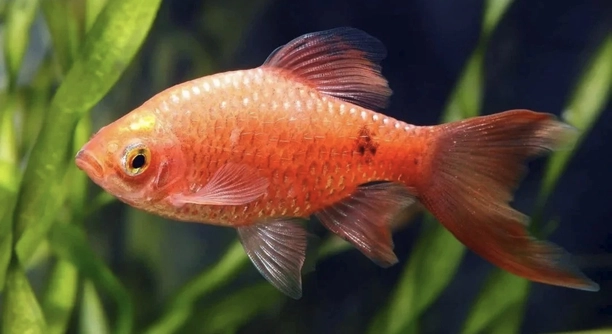
Many aquarium owners notice sudden bursts of energy in their rosy barbs. These lively fish can change behavior quickly, catching attention. Understanding why this happens helps maintain a healthy and balanced environment for these vibrant swimmers.
Rosy barbs often become more energetic due to changes in water temperature, improved oxygen levels, or shifts in feeding routines. Such factors stimulate their metabolism and activity, reflecting natural responses to environmental variations and care adjustments.
Recognizing these causes can improve your fish care routine. Knowing what triggers this energy helps support your rosy barb’s well-being and keeps your aquarium thriving.
Common Reasons for Sudden Energy in Rosy Barbs
Rosy barbs are naturally active fish, but noticeable bursts of energy can happen suddenly. One common reason is a change in water temperature. When the water warms slightly, their metabolism speeds up, making them swim faster and appear more lively. Another factor is improved oxygen levels, often caused by better water circulation or aeration. This increase in oxygen encourages more movement. Changes in feeding schedules or types of food can also make a difference. If they receive more nutritious or varied food, they may become more active. Lastly, stress reduction plays a role. If their tank environment becomes more stable or less crowded, rosy barbs can feel safer and exhibit more energetic behavior. Monitoring these factors ensures that their sudden bursts of energy are signs of good health rather than stress.
Sudden changes in lighting or tank decorations can also influence their activity briefly. These environmental shifts catch their attention and stimulate movement.
Keeping track of these factors helps in maintaining a comfortable habitat for your rosy barbs. Adjusting temperature, oxygen, feeding, and surroundings promotes healthy, natural energy levels.
How Water Conditions Affect Rosy Barb Behavior
Water conditions are crucial for the health and activity of rosy barbs. Temperature, pH levels, and oxygen concentration directly impact their behavior. Warmer water usually increases activity, but too warm can cause stress. Stable pH levels between 6.5 and 7.5 are ideal, as extreme pH swings can lead to lethargy or erratic movement. Proper oxygenation supports higher energy levels, especially during feeding times or active periods. Filtration and water changes also contribute to a clean environment, reducing toxins that might otherwise slow them down. Regular testing and maintenance prevent sudden changes that could shock the fish. By keeping water conditions consistent and within the proper ranges, rosy barbs display healthy, natural behaviors, including occasional energetic bursts.
Adjusting water conditions carefully helps keep your rosy barbs active and stress-free.
A stable environment with balanced water parameters encourages normal swimming patterns and lively behavior. It also supports their immune system and overall well-being. Sudden shifts in water quality often cause abnormal activity or hiding. Understanding the link between water conditions and fish energy helps you create a tank environment that fosters happy and healthy rosy barbs. Routine testing, gentle filtration, and timely water changes are essential parts of this care. This knowledge allows you to anticipate and manage behavior changes, keeping your aquarium peaceful and vibrant.
Feeding Changes and Activity Levels
Changes in feeding routines often cause sudden bursts of energy in rosy barbs. They respond quickly to new food types or feeding schedules, which can boost their activity.
When you introduce a different type of food, especially live or high-protein options, rosy barbs may become more active. Their metabolism reacts to the increased nutrients, causing more swimming and exploration. Feeding frequency also plays a role; more frequent small meals can stimulate movement, as fish anticipate food and get excited. Overfeeding, however, should be avoided, as it can lead to health problems and less activity in the long term.
Proper feeding practices support natural behavior and keep rosy barbs healthy. Providing a varied diet that meets their nutritional needs encourages consistent energy and vitality. Observing how they react to different foods helps tailor their feeding schedule for balanced activity and well-being.
Tank Environment and Social Behavior
Rosy barbs are social fish that thrive in groups. A change in their social environment, such as adding or removing tank mates, can alter their activity levels. When placed with compatible companions, they tend to be more active and display schooling behavior. Isolation or overcrowding may cause stress, affecting energy.
The layout of the tank also impacts their movement. Adding plants, hiding spots, or open swimming areas changes how they explore and interact. A well-structured environment provides stimulation and comfort, encouraging natural activity. Sudden rearrangements or new decorations can prompt brief energetic responses as they adjust. Understanding how social and environmental factors influence behavior allows you to create a balanced tank that promotes healthy activity patterns in rosy barbs.
Seasonal Changes and Rosy Barb Activity
Seasonal shifts can influence the energy levels of rosy barbs. Changes in room temperature and daylight hours affect their natural rhythms. Warmer months often bring more activity, while cooler periods may slow them down.
Seasonal lighting changes also impact their behavior. Longer daylight encourages swimming and feeding, while shorter days can reduce movement. Adjusting tank conditions to mimic natural seasons helps maintain consistent health and energy.
Stress Factors and Sudden Energy
Stress can cause unexpected bursts of activity in rosy barbs. Sudden noises, vibrations, or tank disturbances trigger flight responses. Recognizing and minimizing these stressors keeps your fish calm.
Monitoring Behavior Patterns
Keeping a close eye on your rosy barbs’ activity helps spot changes early. Noticing sudden energy shifts can indicate adjustments in care or environment. Regular observation is key to maintaining their well-being.
Health Concerns and Energy Changes
Sometimes, increased energy signals health issues such as parasites or discomfort. Watch for other symptoms and consult care guidelines or a vet if needed.
FAQ
Why did my rosy barb suddenly become more active at night?
Rosy barbs are generally diurnal, but sudden increased activity at night can result from disruptions in their environment. Changes in lighting, noises, or nearby movement may stimulate them. Sometimes, stress or poor water conditions cause restlessness. Ensuring stable lighting schedules and a calm environment can help restore normal behavior.
Is it normal for rosy barbs to dart quickly around the tank?
Yes, quick darting is often part of their natural behavior, especially when exploring or reacting to stimuli. However, constant frantic movement may indicate stress, poor water quality, or illness. Observing other signs, such as color changes or hiding, can clarify if it’s normal or a problem.
Can feeding too much cause my rosy barb to become hyperactive?
Overfeeding can lead to bursts of energy but often causes health issues like bloating or poor water quality. While some excitement at feeding time is normal, consistently hyperactive behavior after eating may suggest an imbalance in diet or tank conditions.
What water temperature is best to keep rosy barbs calm and healthy?
Rosy barbs thrive in temperatures between 64°F and 72°F (18°C to 22°C). Temperatures on the higher end may increase activity, while cooler water can slow them down. Keeping the water stable within this range helps maintain balanced behavior.
How do tank mates affect my rosy barb’s energy levels?
Rosy barbs are social fish and feel more secure in groups of at least six. Compatible tank mates encourage schooling and play, which increases activity. Aggressive or territorial fish can stress them, leading to erratic or reduced movement. Proper tank mate selection promotes healthy energy levels.
Could poor water quality cause sudden changes in my rosy barb’s activity?
Yes, poor water quality can cause stress, making rosy barbs more restless or lethargic. High ammonia, nitrites, or nitrates irritate fish and may lead to frantic swimming or hiding. Regular testing and maintenance prevent these issues and stabilize behavior.
Why does my rosy barb swim near the surface more often than before?
Swimming near the surface can indicate low oxygen levels in the tank. Rosy barbs rise to areas with higher oxygen concentration. It can also signal stress or illness. Improving aeration and water circulation usually helps reduce this behavior.
Can changes in lighting cause my rosy barb to become suddenly energetic?
Yes, sudden changes in lighting, such as switching lights on or off abruptly or changing light intensity, can stimulate activity. Gradual transitions and consistent light cycles help maintain calm and predictable behavior.
What should I do if my rosy barb’s energy spikes but then it hides or becomes lethargic?
Energy spikes followed by hiding or lethargy may indicate stress or illness. Check water parameters and observe for signs like discoloration, spots, or damaged fins. If symptoms persist, seek advice from an aquatic specialist to diagnose and treat any issues.
Are there natural behaviors that explain sudden energy bursts in rosy barbs?
Rosy barbs sometimes display short bursts of speed when interacting, during feeding, or as a response to environmental stimuli. These behaviors are normal and indicate good health and alertness, provided they aren’t constant or accompanied by signs of distress.
How often should I change the water to maintain stable behavior in rosy barbs?
Weekly partial water changes of about 20-30% are recommended to keep water quality high. This helps prevent buildup of toxins that stress fish and cause erratic behavior. Consistency in water changes supports steady energy levels and overall health.
Can stress from moving or new tank setup cause sudden energetic behavior?
Yes, moving to a new tank or rearranging the current one can cause temporary stress and increased activity as rosy barbs adjust. Providing hiding spots and minimizing disturbances helps them settle faster.
What role does oxygenation play in controlling activity levels of rosy barbs?
Good oxygen levels encourage healthy, natural activity in rosy barbs. Low oxygen can cause them to gasp at the surface or become lethargic, while increased oxygen can lead to more swimming and playfulness. Aeration devices improve oxygen supply and stabilize behavior.
Is it necessary to monitor rosy barb behavior daily?
Daily observation helps spot unusual changes early, allowing prompt action before problems escalate. Noticing sudden increases or decreases in activity can indicate environmental issues or health concerns, improving care outcomes.
How do temperature fluctuations impact rosy barb behavior?
Sudden temperature changes stress rosy barbs and can cause erratic swimming or hiding. Keeping temperature stable within their preferred range reduces stress and supports consistent activity. Gradual adjustments are safer if temperature needs to be changed.
Sudden bursts of energy in rosy barbs are often a natural part of their behavior. These lively fish react quickly to changes in their environment, such as temperature shifts, feeding adjustments, or new tank decorations. Understanding that increased activity is usually a response to external factors can help fish owners feel more confident in managing their aquarium. Most of the time, energetic behavior means your rosy barbs are healthy and adapting well to their surroundings. Observing these changes closely allows you to provide the best care possible.
Maintaining stable water conditions is key to supporting balanced activity levels in rosy barbs. Regular testing for temperature, pH, and oxygen ensures their environment stays within comfortable limits. Small changes in these factors can cause noticeable differences in how your fish behave. Feeding routines and diet quality also play important roles. Providing varied, nutritious food at consistent times supports their metabolism and energy. Along with a properly structured tank layout and compatible tank mates, these elements contribute to a calm yet lively community of rosy barbs.
It is important to pay attention to signs of stress or illness when you notice sudden energy changes. While increased activity is usually positive, it can sometimes indicate discomfort or poor water quality. Watching for other symptoms like changes in color, hiding behavior, or loss of appetite will help identify problems early. Taking quick action by improving water quality or adjusting care routines can prevent health issues. Overall, understanding the reasons behind your rosy barb’s energy helps you maintain a thriving aquarium that keeps your fish happy and active.

Hello,
If you enjoy the content that we create, please consider saying a "Thank You!" by leaving a tip.
Every little bit helps us continue crafting quality advice that supports the health, happiness, and well-being of pets around the world, for pets of all shapes, sizes, and species.
We really appreciate the kindness and support that you show us!