
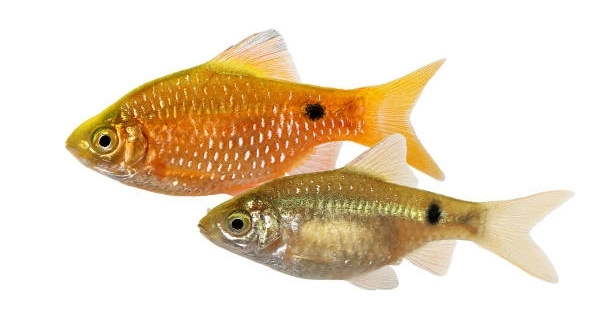
Is your rosy barb suddenly motionless in the tank, leaving you unsure about what went wrong in its calm routine?
A rosy barb may stop swimming suddenly due to stress, illness, poor water quality, or low oxygen levels. Environmental changes, such as temperature fluctuations or toxins, can also trigger this behavior and require prompt attention.
Understanding what caused this behavior can help prevent further issues and ensure your fish stays active and healthy moving forward.
Common Causes of Sudden Stillness in Rosy Barbs
When a rosy barb stops swimming, it’s often a sign that something in the tank environment has changed. Water quality is one of the most important factors to consider. High ammonia or nitrite levels can quickly stress or sicken fish. Inadequate oxygenation may also lead to sluggish behavior, especially if the water is too warm. Sudden shifts in temperature or pH can shock a fish and affect its activity. Additionally, internal parasites or bacterial infections may cause fatigue or discomfort, making your rosy barb less active. It’s also worth considering social dynamics in the tank. If another fish is acting aggressively or competing for food, your barb may retreat. These behavioral shifts are usually a warning that something needs to be addressed before more serious health problems develop. Regular observation and tank maintenance go a long way in preventing this from happening again.
Check the temperature, oxygen levels, and water parameters first. This often reveals the underlying problem quickly.
Fish behavior can be subtle, so you may need to watch closely. A healthy rosy barb should swim freely, react to movement, and show interest in food. If your fish is hovering near the bottom or gasping at the surface, you should take action immediately. Removing uneaten food, cleaning the substrate, and ensuring good water circulation can help improve water quality. Installing an air stone or increasing surface agitation may help if oxygen is low. If the fish is still not active after environmental adjustments, monitor it for physical signs like bloating, discoloration, or clamped fins. At that point, a veterinarian or aquatic specialist may be needed to diagnose further. Acting quickly and being consistent with care can make a big difference in helping your rosy barb recover.
When Illness Is the Cause
Illness may be the reason your rosy barb has suddenly stopped swimming. Certain symptoms can help confirm this possibility.
Parasitic infections such as ich, or internal parasites, often make fish sluggish. You might also see small white spots, weight loss, or a loss of appetite. Bacterial infections may result in visible wounds, frayed fins, or erratic swimming when the fish tries to move. Fungal issues can create fuzzy patches on the body or gills. These conditions usually require prompt treatment with targeted medications available at pet stores. It’s important to remove any carbon from the filter before adding treatment, as it can absorb the medicine. Quarantining the affected fish, when possible, can prevent the spread to other tank mates. Keeping the tank clean and stable while administering medication increases the chances of recovery. Never skip a water change during this time. If the fish shows no improvement after treatment, consult an aquatic vet. Early action improves the chances of saving your fish.
How Stress and Environment Play a Role
Stress in rosy barbs can build up from small, unnoticed changes in their surroundings. Poor lighting, loud noise, or constant tapping on the tank can cause anxiety and withdrawal.
Overcrowding is another issue that affects their behavior. Rosy barbs are active swimmers and need ample space to move. A tank that’s too small or shared with incompatible tank mates can make them feel threatened. Unstable temperatures or sudden shifts in water parameters can also lead to stress, often resulting in lethargy or hiding. Even a lack of routine—like inconsistent feeding or water changes—can trigger a negative reaction. Maintaining a calm and steady environment goes a long way in helping these fish stay healthy. It’s important to look beyond the obvious and ensure the tank setup supports the fish’s natural needs.
When the tank is not set up with the right conditions, rosy barbs can start acting differently. They may stop swimming, hide in corners, or breathe faster. Look at the filter strength too—if the water flow is too strong, your fish might be struggling to swim. Sharp decorations or gravel may also cause injuries, adding to their discomfort. Also, if the tank doesn’t mimic their natural habitat with open swimming space and hiding spots, it increases their stress levels. It’s a good idea to keep lighting soft, avoid sudden tank changes, and give them time to adjust after introducing anything new. Each change affects their comfort, so even minor tweaks should be made slowly.
Diet and Feeding Issues
A poor diet or feeding routine can affect how active your rosy barb is. If they’re not getting the right nutrients or enough food, it can lead to fatigue and slower movement.
Rosy barbs need a balanced diet made up of high-quality flakes, occasional protein-rich treats like bloodworms, and some vegetable matter. Feeding only one type of food or relying on low-quality flakes can weaken their immune system. You may notice the fish losing color, avoiding food, or becoming lethargic. Overfeeding is also a common issue. Uneaten food breaks down and pollutes the water, causing stress. Feed small portions once or twice a day and remove leftovers within a few minutes. Watch how each fish eats to ensure all of them are getting their share. If your rosy barb stops swimming and skips meals, consider switching up the diet or spacing out the feedings to avoid digestive problems.
Sometimes a rosy barb may go quiet after eating too much or consuming something hard to digest. Bloating, constipation, or swim bladder issues may result from an unbalanced feeding schedule. If your fish floats oddly or sinks to the bottom, it could be struggling internally. Try fasting the fish for a day or two, then feed a blanched pea to help digestion. Avoid fatty or processed food and focus on variety. Monitor how your fish reacts to each meal. Keeping a routine and adjusting food based on activity helps prevent future problems. Small diet improvements can make a big difference in energy and movement.
Tank Mates and Social Behavior
Rosy barbs are schooling fish and often feel stressed when kept alone or in small numbers. Isolation can lead to inactivity or hiding, especially if they don’t feel safe in their environment.
Aggressive or overly active tank mates can intimidate them. Constant chasing or competition for food creates tension and can make them stop swimming.
When to Seek Professional Help
If your rosy barb stays inactive despite clean water, a proper diet, and a calm environment, it may be time to contact a vet. Unexplained behavior changes can sometimes be linked to internal conditions that require professional diagnosis. Look for other warning signs like bloating, frayed fins, or labored breathing. A vet can perform tests or suggest treatments tailored to the specific issue. It’s important to act quickly, as early intervention can prevent the condition from worsening. Don’t try multiple treatments without guidance, as this can harm your fish. A professional opinion can make a big difference in recovery.
Final Checkpoints
Before assuming the worst, check your equipment. Filters, heaters, and air pumps must work correctly to keep the tank stable and comfortable.
Why did my rosy barb suddenly stop swimming?
Sudden stillness usually indicates stress, illness, or poor water conditions. Check the water temperature, ammonia, nitrite, and oxygen levels first. Changes in tank environment, such as new fish, decorations, or water parameters, can also cause this behavior. Addressing these issues quickly is essential.
How can I improve my rosy barb’s swimming activity?
Ensure the tank is clean, well-oxygenated, and stable in temperature. Feed a balanced diet and avoid overcrowding. Adding tank mates of the same species can encourage natural schooling behavior. Avoid loud noises or constant tapping on the glass, as these stress the fish.
What water conditions are ideal for rosy barbs?
Rosy barbs thrive in water with a temperature between 64-72°F (18-22°C), pH around 6.5 to 7.5, and low ammonia and nitrite levels near zero. Regular water testing and partial water changes keep these parameters stable.
Can poor diet cause a rosy barb to stop swimming?
Yes. Nutritional deficiencies weaken the immune system and energy levels. Overfeeding leads to poor water quality, which also causes stress. Feed high-quality flakes supplemented with occasional live or frozen foods and vegetables to keep your fish healthy.
What signs of illness should I watch for?
Look for clamped fins, faded colors, white spots, lethargy, labored breathing, or unusual swimming patterns. Any physical changes like swelling or wounds also indicate health problems. Early detection improves treatment success.
Is my tank too small for rosy barbs?
A tank under 20 gallons can stress rosy barbs, especially if there are several fish. They need enough space to swim actively and form schools. A larger tank with hiding spots and open swimming areas supports their natural behavior.
How often should I clean the tank to keep rosy barbs healthy?
Partial water changes of 20-30% every one to two weeks help maintain water quality. Clean filters monthly but avoid removing all beneficial bacteria. Regular gravel vacuuming removes waste and prevents toxins buildup.
Can stress cause permanent damage to rosy barbs?
Prolonged stress weakens the immune system and may cause long-term health issues. Frequent stress can lead to slower growth, illness, or even death. Creating a calm environment reduces these risks.
What should I do if my rosy barb is hiding and not swimming?
Check water quality and tank conditions first. Provide hiding spots but ensure they have enough open space. Avoid sudden changes and give the fish time to adjust. Monitor closely for signs of illness and treat if needed.
Are medications safe to use in a community tank?
Some medications can harm other fish or invertebrates. Use treatments cautiously and follow instructions carefully. If possible, isolate the sick fish in a quarantine tank for treatment to protect the rest of your aquarium.
Can changes in lighting affect rosy barb behavior?
Yes. Too bright or inconsistent lighting can stress fish. Use a regular day/night cycle and avoid sudden light changes. Soft lighting that mimics natural conditions helps reduce stress and encourage normal swimming.
Why is my rosy barb gasping at the surface?
Gasping usually signals low oxygen levels or poor water quality. Improve aeration by adding air stones or increasing surface agitation. Test water for harmful chemicals and perform partial water changes if necessary.
How do I safely introduce new fish to my tank?
Quarantine new fish for at least two weeks to prevent disease spread. Introduce them slowly to the main tank, observing their behavior. Ensure the tank is large enough and offers hiding spots to reduce stress.
What is swim bladder disease, and can it cause my rosy barb to stop swimming?
Swim bladder disease affects a fish’s buoyancy, causing it to float awkwardly or sink. It can be caused by constipation, infection, or injury. Feeding peas or specialized treatments can help, but serious cases may need veterinary care.
How can I tell if my rosy barb is stressed versus sick?
Stress usually causes hiding, erratic swimming, or loss of appetite without visible signs of illness. Sickness often comes with physical symptoms like spots, wounds, or swelling. Both require attention, but sickness typically needs treatment.
Can temperature fluctuations cause rosy barbs to stop swimming?
Yes. Sudden or extreme changes shock the fish and disrupt their metabolism. Maintain stable temperatures within the recommended range to prevent stress and inactivity. Use a reliable heater and thermometer for control.
Is it normal for rosy barbs to rest at the bottom sometimes?
Short rests near the bottom can be normal, especially at night or after feeding. However, prolonged inactivity or staying at the bottom without swimming indicates a problem that needs investigation.
How long does it take for a sick rosy barb to recover?
Recovery time varies depending on the illness and treatment. Mild stress or minor infections may improve in days, while serious diseases could take weeks. Consistent care and a clean environment speed up healing.
What should I do if my rosy barb refuses to eat?
Loss of appetite often signals stress or illness. Check water quality and tank conditions immediately. Try offering different foods or feeding smaller portions. If the problem persists, consult a vet.
Can overcrowding cause rosy barbs to stop swimming?
Yes. Too many fish create stress, competition for resources, and poor water quality. Ensure your tank has enough space for all inhabitants. A general rule is one inch of fish per gallon, but active species like rosy barbs need more room.
Final Thoughts
When a rosy barb suddenly stops swimming, it is important to act quickly and carefully. This behavior usually signals that something in the fish’s environment or health is not right. Checking water quality is the first step because poor water conditions are often the cause of stress or illness. Temperature, pH, ammonia, nitrite, and oxygen levels should all be within the recommended ranges for rosy barbs. Maintaining these conditions regularly helps prevent many common problems. Tank cleanliness and proper filtration are also essential for keeping your fish healthy and active.
Aside from water quality, diet and tank setup play key roles in the wellbeing of rosy barbs. Providing a balanced diet with a variety of foods ensures they receive necessary nutrients to stay energetic. Overfeeding or feeding poor-quality food can harm both the fish and the tank environment. Additionally, rosy barbs are social fish that thrive in groups and need plenty of space to swim freely. Overcrowding or aggressive tank mates can cause stress, which often leads to changes in behavior like stopping swimming. Creating a calm, stable environment with appropriate tank mates and enough room supports natural activity.
If your rosy barb remains inactive despite addressing water, diet, and environment, it may be sick. Early signs of illness should never be ignored, as many diseases worsen without treatment. Observing your fish daily and looking for changes in appearance or behavior can help catch problems early. When necessary, seek advice from aquatic professionals or veterinarians who specialize in fish health. Taking prompt action and maintaining good tank care will increase your rosy barb’s chance to recover and enjoy a long, active life in your aquarium.

Hello,
If you enjoy the content that we create, please consider saying a "Thank You!" by leaving a tip.
Every little bit helps us continue crafting quality advice that supports the health, happiness, and well-being of pets around the world, for pets of all shapes, sizes, and species.
We really appreciate the kindness and support that you show us!