
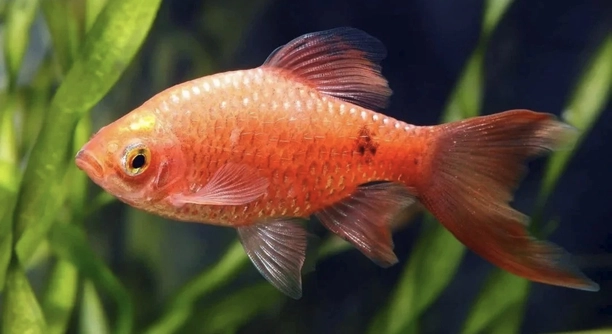
Rosy barbs are popular freshwater fish known for their lively colors and active swimming habits. Many aquarium owners enjoy watching them interact and thrive in their tanks. Sometimes, these fish may start swimming in unusual ways that catch your attention.
Erratic swimming in rosy barbs is often caused by environmental stressors such as poor water quality, sudden temperature changes, or illness. These factors disrupt their natural behavior and can indicate health issues that need prompt attention to prevent further harm.
Understanding the reasons behind this behavior can help you improve your fish’s well-being and maintain a healthy aquarium environment.
Common Causes of Erratic Swimming in Rosy Barbs
Rosy barbs can swim erratically for several reasons, most of which relate to their environment or health. Poor water quality is one of the main causes. When ammonia, nitrite, or nitrate levels rise, fish become stressed and may swim abnormally. Temperature changes can also upset them; rosy barbs prefer stable water between 64°F and 72°F (18°C to 22°C). Sudden shifts make them uncomfortable and disoriented. Another cause could be poor oxygen levels. If the tank water isn’t properly aerated, fish may struggle to breathe and move irregularly. Stress from overcrowding or aggressive tank mates also affects their behavior. Parasites or infections can lead to neurological problems, causing uncoordinated swimming. Observing your fish carefully can help you spot these issues early, so you can take the right steps to fix the problem.
Water quality and tank conditions are essential for keeping rosy barbs healthy and swimming normally.
Checking water parameters and tank setup regularly helps maintain stable conditions and prevents erratic swimming.
How to Improve Your Rosy Barb’s Swimming Behavior
Keeping the tank clean and maintaining proper water parameters are critical for reducing erratic swimming. Regular partial water changes help remove toxins and keep ammonia and nitrate levels low. Using a reliable test kit to monitor pH, ammonia, nitrite, and nitrate levels can prevent surprises. Ensuring the tank is well-aerated with good filtration improves oxygen levels, which supports healthy fish behavior. Avoid sudden temperature fluctuations by using a stable heater and keeping the tank away from direct sunlight or drafts. If tank mates are aggressive or overcrowded, consider rearranging or reducing the number of fish to reduce stress. In cases of illness, quarantining affected fish and consulting a vet or aquatic specialist may be necessary. These actions help create a stable environment where your rosy barbs can swim calmly and enjoy their home.
Taking small steps to adjust water and tank conditions can quickly improve your fish’s behavior and overall health.
Signs of Illness in Rosy Barbs
Erratic swimming is often a sign of illness, but other symptoms may appear too. Look for faded colors, clamped fins, or loss of appetite. White spots or redness on the body can also indicate infection or parasites.
If your rosy barb swims erratically and shows signs like lethargy or rubbing against objects, illness is likely. Common infections include ich, caused by parasites, and bacterial infections, which often result from poor water conditions. Stress weakens their immune system, making them more vulnerable. Quarantining sick fish and improving tank conditions can help stop the spread and support recovery. Early treatment is important to prevent worsening symptoms and save your fish.
Regular observation helps catch illness early. Maintaining good water quality and reducing stress are the best ways to prevent health problems.
Adjusting Tank Environment to Reduce Stress
Stress causes many behavioral problems in rosy barbs, including erratic swimming. Avoid overcrowding the tank, as this leads to competition and aggression. Provide plenty of plants and hiding spots to create a calm environment. Stable water temperature and regular maintenance reduce stress and keep fish healthy.
By controlling environmental factors, you improve your fish’s comfort and reduce erratic behavior. A well-planned tank setup ensures rosy barbs feel secure and less prone to stress. Maintaining clean water and avoiding sudden changes are key to their well-being. Adding compatible tank mates can also influence their behavior positively or negatively. Watching your fish’s behavior and adjusting conditions promptly helps create a peaceful tank where they can thrive without erratic movements.
Water Quality Tips for Rosy Barbs
Maintaining clean water is essential for healthy rosy barbs. Regularly test the water for ammonia, nitrites, and nitrates to keep levels safe. Performing partial water changes every week helps keep toxins low and the environment stable.
Use a good filter to remove waste and debris efficiently. Avoid overfeeding, as leftover food can pollute the water and cause harmful spikes in toxins. Proper tank maintenance keeps your fish comfortable and reduces erratic swimming caused by poor water quality.
Feeding and Nutrition
A balanced diet supports your rosy barbs’ health and energy. Feed them high-quality flakes or pellets designed for tropical fish. Supplement with occasional live or frozen foods like brine shrimp or bloodworms to add variety.
Tank Setup Considerations
A well-arranged tank with plants and hiding spots gives rosy barbs places to rest and feel safe. Keep the tank spacious enough to avoid overcrowding, which stresses fish and causes erratic swimming.
When to Seek Expert Help
If erratic swimming continues despite proper care, it may be time to consult a veterinarian or aquatic specialist. Early diagnosis helps protect your fish and prevents worsening health issues.
FAQ
Why is my rosy barb swimming erratically all of a sudden?
Sudden erratic swimming usually points to changes in the tank environment or health issues. It could be caused by poor water quality, a sudden temperature shift, or stress from new or aggressive tank mates. Illness, such as parasites or bacterial infections, can also cause unusual swimming behavior. Checking water parameters and observing your fish closely can help find the cause quickly.
Can water temperature affect my rosy barb’s swimming behavior?
Yes, rosy barbs prefer stable temperatures between 64°F and 72°F (18°C to 22°C). Rapid temperature changes or temperatures outside this range can stress them, leading to erratic swimming. Using a reliable heater and avoiding placing the tank near drafts or direct sunlight can help maintain a steady temperature.
What water conditions are ideal for rosy barbs?
Rosy barbs thrive in clean, well-oxygenated water with a pH between 6.5 and 7.5. Ammonia and nitrite levels should be at zero, and nitrates kept below 20 ppm. Regular water testing and partial water changes help maintain these conditions. A good filter and aeration system also support water quality.
How often should I clean my tank to prevent erratic swimming?
A partial water change of about 25% every week is recommended. This removes toxins and keeps water quality high. Avoid full water changes too often, as they can stress fish by removing beneficial bacteria. Cleaning the substrate and filter regularly also helps maintain a healthy environment.
Can stress cause my rosy barb to swim erratically?
Stress is a common cause of erratic swimming. It can come from overcrowding, aggressive tank mates, sudden changes in water conditions, or lack of hiding spots. Providing enough space, compatible companions, and plants or decorations to hide in reduces stress and helps your fish swim normally.
What should I do if I notice signs of illness in my rosy barb?
Isolate the sick fish in a quarantine tank to prevent spreading disease. Check water quality and correct any issues immediately. Treat common infections like ich with appropriate medications following instructions carefully. If symptoms worsen or don’t improve, seek advice from an aquatic veterinarian or specialist.
Is overfeeding related to erratic swimming?
Overfeeding can pollute the tank with uneaten food, leading to poor water quality, which stresses fish and may cause erratic swimming. Feed small amounts that your fish can finish in a few minutes, once or twice daily. Removing leftover food quickly prevents buildup of harmful toxins.
Do tank decorations affect rosy barb behavior?
Yes, providing plants, rocks, and hiding spots gives rosy barbs places to rest and feel safe. A bare tank can increase stress and cause unusual swimming. However, overcrowding the tank with decorations can limit swimming space and also stress fish. Balance is key.
Can introducing new fish cause erratic swimming in rosy barbs?
Introducing new fish can cause stress and disrupt the established tank hierarchy, leading to erratic swimming. Quarantine new fish before adding them and introduce them slowly. Monitor interactions to prevent aggression and ensure the new fish fit well with the existing community.
How do I know if my rosy barb’s erratic swimming is serious?
If erratic swimming is brief and your fish otherwise acts normal, it may be a minor issue. Persistent erratic swimming, especially when paired with other signs like loss of appetite, clamped fins, or discoloration, indicates a serious problem. Immediate action is needed to prevent further harm.
Final Thoughts
Rosy barbs are active and beautiful fish that bring life to any aquarium. When they start swimming erratically, it can be worrying. This behavior usually points to problems with their environment or health. It’s important to keep an eye on their water quality, tank conditions, and overall behavior to catch any issues early. Consistent care helps prevent stress and illness, which are often behind strange swimming patterns.
Maintaining a clean tank with stable water temperature and proper filtration plays a big role in keeping rosy barbs healthy. Regular water testing and partial water changes are simple steps that make a big difference. Stress from overcrowding or aggressive tank mates should also be minimized. Providing enough space, hiding spots, and peaceful companions creates a better environment for your fish. When fish feel safe and comfortable, they swim normally and show their true colors.
If your rosy barb continues to swim erratically despite your best efforts, it might be a sign of illness. In this case, isolating the fish and consulting a vet or aquatic specialist can help. Early diagnosis and treatment improve the chances of recovery. Paying attention to small changes in behavior and acting quickly protects your fish’s health. With proper care and attention, rosy barbs can live happy and active lives, swimming smoothly and brightening your tank for years to come.

Hello,
If you enjoy the content that we create, please consider saying a "Thank You!" by leaving a tip.
Every little bit helps us continue crafting quality advice that supports the health, happiness, and well-being of pets around the world, for pets of all shapes, sizes, and species.
We really appreciate the kindness and support that you show us!