
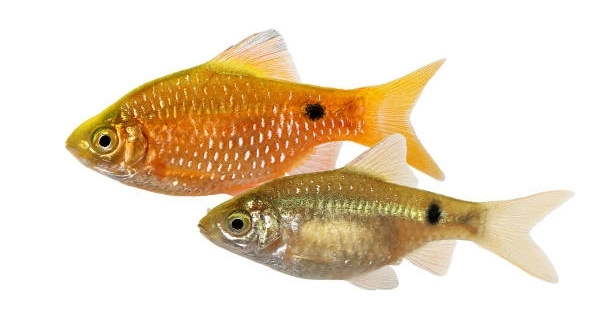
Rosy barbs are popular freshwater fish known for their bright colors and lively behavior. Many fishkeepers enjoy watching them swim energetically in home aquariums. Sometimes, these fish show unexpected behaviors that catch owners’ attention.
The most common reason a rosy barb headbutts the glass is stress or territorial behavior. This action can result from overcrowding, poor water quality, or lack of hiding places, causing the fish to feel threatened or frustrated in its environment.
Understanding why your rosy barb acts this way can help improve its living conditions and reduce stress. This article will explain the causes and solutions for this behavior.
Reasons Behind Headbutting Behavior
Rosy barbs may headbutt the glass for several reasons. One common cause is stress caused by poor water conditions. If the tank is overcrowded or the water parameters are off, fish can become anxious and restless. Another reason is boredom or lack of stimulation. Without enough plants or decorations, the fish might become frustrated and display odd behaviors like glass headbutting. Sometimes, the fish may mistake its reflection for another fish, leading to aggressive behavior. It is important to monitor tank conditions regularly to prevent these issues. Maintaining proper water quality, ensuring enough space, and adding hiding spots can reduce stress and keep your rosy barb calm and healthy.
Poor water quality often causes physical discomfort, which prompts restless actions such as glass headbutting.
Adjusting your tank setup can help your fish feel secure, reducing unwanted behaviors.
Improving Your Rosy Barb’s Environment
Creating a suitable habitat is essential for your rosy barb’s well-being. Start by testing the water regularly for ammonia, nitrite, and nitrate levels, keeping them within safe ranges. Ensure the tank is large enough to prevent overcrowding; a minimum of 20 gallons is recommended for a small group. Adding live plants and decorations provides hiding places and reduces reflections that may confuse the fish. Changing water weekly and avoiding sudden changes in temperature will also reduce stress. Watching your fish and adjusting the environment to its needs often leads to a noticeable improvement in behavior. Consistent care and proper maintenance help keep your rosy barb calm and less likely to headbutt the glass.
Common Mistakes in Rosy Barb Care
Many fishkeepers unintentionally cause stress by overcrowding tanks. Rosy barbs need space to swim freely and establish territories. Overcrowding leads to aggression and erratic behavior like headbutting.
Improper feeding can also cause issues. Feeding too much or too little affects their health and mood. Uneaten food pollutes water, increasing toxins that stress the fish. Using a balanced diet and feeding appropriate portions keeps your fish healthy and calm.
Ignoring tank maintenance often worsens problems. Dirty tanks cause poor water quality, affecting fish behavior. Regular water changes and cleaning are necessary to maintain a safe environment. This prevents stress-related behaviors and promotes a healthy aquarium.
How to Handle Aggressive Behavior
Aggressive actions such as headbutting often come from stress or competition. Increasing hiding spots helps reduce tension and gives fish places to retreat. Rearranging decorations regularly can break territorial claims and lower aggression.
If aggression persists, consider separating aggressive fish or adding more rosy barbs to balance social dynamics. Proper group size reduces bullying. Monitoring behavior closely helps catch early signs of stress. Adjusting water parameters to ideal conditions supports calmer fish. Consistent care reduces aggression and promotes harmony in your tank.
Signs of Stress in Rosy Barbs
Stress in rosy barbs can show through unusual behaviors such as glass headbutting. Other signs include hiding more often and loss of appetite. These behaviors indicate discomfort in their environment.
Changes in water quality, overcrowding, or aggressive tank mates often trigger stress. Monitoring these factors helps keep your fish healthy and relaxed.
Adjusting Tank Lighting
Bright or fluctuating lighting can disturb rosy barbs. Too much light causes stress and erratic swimming. Dimmer, stable lighting creates a calm environment.
Use a timer to maintain consistent light cycles. Natural day and night rhythms help regulate fish behavior. Soft lighting reduces reflections that may confuse your fish.
Role of Tank Mates
Compatible tank mates reduce stress and aggression. Avoid housing rosy barbs with overly aggressive or slow-moving fish.
Choosing species that thrive in similar water conditions and activity levels promotes peace. This balance reduces headbutting caused by territorial disputes or fear.
FAQ
Why does my rosy barb keep hitting the glass?
This behavior usually stems from stress, boredom, or territorial instincts. Your fish might be reacting to its reflection or feeling confined in a small or overcrowded tank. Poor water quality and lack of hiding places can also make them restless, leading to headbutting.
How can I stop my rosy barb from headbutting the glass?
Improving tank conditions is key. Regularly test and maintain water quality, provide enough space, and add plants or decorations for hiding spots. Reducing reflections by adjusting lighting or adding a background can also help minimize this behavior.
Is headbutting a sign of illness in rosy barbs?
Headbutting is generally a behavioral issue rather than illness. However, if combined with other symptoms like lethargy or loss of appetite, it could indicate stress or disease. Regular health checks and maintaining proper care help prevent illness.
Can overcrowding cause headbutting?
Yes, overcrowding is a common cause. Rosy barbs need space to swim and establish territories. When there are too many fish, stress and aggression increase, often leading to headbutting and other problematic behaviors.
Does water temperature affect this behavior?
Water temperature affects fish metabolism and stress levels. Temperatures too high or too low for rosy barbs cause discomfort, which can trigger erratic behavior, including glass headbutting. Maintaining a stable temperature within their ideal range (around 64-72°F) helps keep them calm.
Will adding more fish reduce headbutting?
Adding more rosy barbs can sometimes reduce aggression by dispersing territorial behavior, but overcrowding must be avoided. Keeping them in small groups (at least 5-6) helps maintain social balance and reduces stress-related actions.
How often should I clean the tank to prevent this behavior?
Perform partial water changes weekly or biweekly, depending on tank size and stocking levels. Regular cleaning removes waste and toxins that stress fish, reducing headbutting caused by poor water quality.
Are there specific decorations that help reduce headbutting?
Plants, rocks, and other decorations provide hiding places and break reflections, helping fish feel secure. Soft, natural decorations are best to avoid injury and reduce territorial disputes.
Can lighting affect my rosy barb’s behavior?
Yes, bright or flickering lights can stress fish and increase aggression. Using a stable, moderate light setting and a consistent light schedule reduces reflections and helps maintain calm behavior.
What should I do if my rosy barb is injured from headbutting?
Isolate the injured fish in a separate hospital tank with clean, warm water. Use gentle water treatments to prevent infection. Improving the main tank environment reduces the chance of repeated injuries.
Is headbutting more common in certain ages or sizes?
Younger, more active rosy barbs might show this behavior more often due to energy and territorial exploration. Adult fish usually settle down once they establish territories and feel secure in their environment.
Can diet influence headbutting behavior?
A balanced diet is important for overall health and mood. Overfeeding or underfeeding can stress fish, potentially leading to restless behaviors. Feed small amounts of quality food 2-3 times daily to maintain health.
Does the tank size matter for rosy barb behavior?
Tank size plays a major role. Small tanks limit swimming space and increase stress, often causing headbutting. A minimum of 20 gallons is recommended for a small group to ensure enough room and reduce aggressive behavior.
Are there any fish species that worsen headbutting in rosy barbs?
Aggressive or territorial tank mates can increase stress and provoke headbutting. Avoid keeping rosy barbs with larger or highly aggressive fish. Peaceful community fish that share similar water needs work best.
How can I tell if headbutting is due to reflection or aggression?
If your fish repeatedly attacks the glass in one spot, it’s likely reacting to its reflection. If it also shows chasing or nipping behaviors toward tank mates, aggression may be involved. Adjust lighting and tank mates accordingly.
Can adding a tank background help?
Yes, a solid or natural-looking background reduces reflections and distractions, which can calm your rosy barbs and decrease headbutting caused by confusion or territorial displays.
Is headbutting harmful to rosy barbs?
Repeated headbutting can cause stress or injury over time. While occasional behavior is usually harmless, persistent headbutting signals environmental or social issues that need correction for the fish’s well-being.
Final Thoughts
Rosy barbs are active and social fish that bring color and life to any aquarium. Their behavior, including headbutting the glass, often reflects their comfort and well-being in the tank. Understanding the reasons behind this action helps in creating a better environment for these fish. When a rosy barb headbutts the glass, it usually signals stress, boredom, or territorial instincts. By addressing these causes, you can help your fish feel more secure and calm. Proper tank size, good water quality, and enough hiding spots are essential in reducing unwanted behaviors.
Maintaining a stable and clean aquarium environment requires consistent care and attention. Regular water testing, partial water changes, and proper feeding all contribute to your rosy barb’s health. It is important to avoid overcrowding and choose compatible tank mates to prevent aggression. Lighting should be steady and not too bright, as this can also impact your fish’s behavior. Monitoring your fish’s actions and adjusting their surroundings accordingly will lead to a more peaceful and healthy tank. Taking these steps ensures that your rosy barb remains comfortable and less likely to engage in glass headbutting.
Every aquarium is different, and small changes can make a big difference in your fish’s behavior. Adding plants and decorations not only beautifies the tank but also provides security and stimulation for your rosy barbs. If headbutting continues despite these adjustments, it may be helpful to review the overall setup or consult a specialist. Patience and observation are key in keeping your fish happy. With the right care, your rosy barb can thrive and display its natural, calm behavior instead of signs of stress or frustration.

Hello,
If you enjoy the content that we create, please consider saying a "Thank You!" by leaving a tip.
Every little bit helps us continue crafting quality advice that supports the health, happiness, and well-being of pets around the world, for pets of all shapes, sizes, and species.
We really appreciate the kindness and support that you show us!