
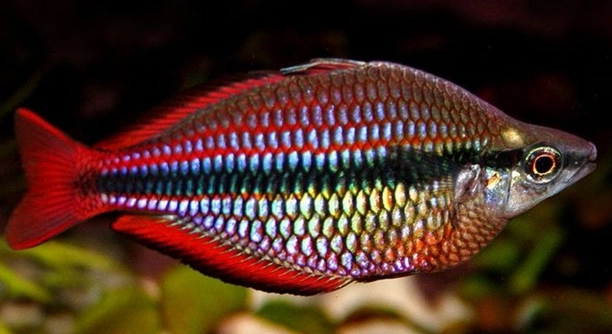
Rainbow fish can be a beautiful addition to any aquarium. However, there may be times when you notice that your rainbow fish has mysteriously disappeared. This sudden change can be concerning for any fish owner.
There are several potential reasons why your rainbow fish may have disappeared. Factors such as predation, water conditions, stress, or even the fish hiding in an unreachable area could all contribute to the disappearance. It’s important to evaluate these variables.
Understanding these factors will help you identify the cause of the disappearance and take the right steps to protect your fish in the future.
Predation by Other Fish
Rainbow fish are often peaceful, but in some cases, they may fall prey to more aggressive fish in the tank. Larger or more dominant fish can sometimes target smaller ones, especially during feeding times or when they feel territorial. This can lead to the sudden disappearance of a rainbow fish, as they may be chased or eaten by more aggressive tank mates. It’s important to observe your aquarium’s social dynamics carefully to ensure that no one fish is being bullied or eaten. If aggressive behavior is noticed, it might be necessary to rearrange the tank or add hiding places.
You might not always see aggressive fish in action, as they may target your rainbow fish during the night or when you’re not looking. It’s a good idea to pay attention to the behavior of all your tank members regularly. Sometimes, aggression isn’t obvious until it’s too late.
Ensuring you have a peaceful aquarium means balancing species with similar temperaments. If you’ve noticed a sudden disappearance, it could be a sign that certain tank mates need to be separated for the well-being of your fish. Regularly checking on your fish’s health and the overall tank environment will help prevent such incidents.
Poor Water Quality
Water conditions play a crucial role in the health and well-being of all aquarium fish. Rainbow fish are particularly sensitive to water temperature, pH levels, and other water parameters. When water quality declines, rainbow fish may become stressed, weaker, or even die. A sudden drop in oxygen levels or a build-up of toxins can force a fish to seek shelter in places that are difficult for you to access, potentially leading to the appearance of them disappearing.
If the water isn’t properly filtered or maintained, fish may hide in corners or under decorations to escape the stress caused by poor water quality. You might not notice the problem immediately if you aren’t regularly testing the water, which can result in unnoticed health issues. Additionally, sudden fluctuations in temperature or pH can cause your fish to behave differently, making them seem as if they’ve disappeared.
Regular water changes, monitoring the filter, and keeping the water at stable conditions are essential for the health of your rainbow fish. By ensuring the environment is always optimal, you can avoid situations where your fish retreat to hard-to-reach places or perish due to poor water quality.
Stress and Anxiety
Rainbow fish can experience stress for many reasons, such as overcrowding, abrupt changes in the environment, or constant disturbances. Stress can cause them to hide, and in severe cases, it can lead to illness or death. This can make it seem like your fish has disappeared, though it’s just retreating to avoid stress.
Observing the behavior of your rainbow fish closely can help you identify signs of stress. If the fish appears to be hiding more often or acting unusually, it may indicate that something in the tank is causing them distress. Overcrowding is a common issue, as it prevents fish from having their own space and can lead to constant competition for resources.
Sometimes, tank conditions like sudden changes in lighting, noise, or even the presence of new tank mates can trigger stress. Creating a peaceful and stable environment with hiding spots for your fish will help reduce their stress and keep them from disappearing. It’s essential to ensure they feel safe in their surroundings.
Hiding in Hard-to-Reach Areas
Rainbow fish are known for their active nature, but they also enjoy hiding in plants or decorations for comfort. Sometimes, they may disappear for a while only to be found in the corners or under objects that are hard for you to reach. This behavior is often a sign of the fish seeking refuge.
If you have a tank with many plants or decorations, your rainbow fish might simply be hiding in those spots. Fish naturally find areas where they feel safe and protected. This behavior can become more noticeable during breeding or when they feel threatened. If you’ve noticed that your fish seems to vanish, it could just be exploring the tank’s hiding spots.
It’s important to ensure the tank has enough open space as well as hiding spots. Providing a balance between the two will help your fish feel secure without overdoing the hiding areas. Keep an eye out for signs that your fish might be hiding for a more extended period than usual, which could be a sign of stress or illness.
Illness or Disease
Rainbow fish, like any other aquatic species, are susceptible to various diseases. Illnesses can make them weaker, causing them to retreat or hide more often. In some cases, the fish may die before you even notice any symptoms, leading to the sudden disappearance of your rainbow fish.
Common symptoms of illness in rainbow fish include faded color, abnormal swimming behavior, or visible spots or lesions. If you notice any of these signs, it’s important to act quickly. Quarantining the affected fish and improving the water conditions can help stop the spread of the disease and prevent further loss.
Keeping your fish healthy requires regular monitoring of water conditions, diet, and behavior. If you see any concerning signs, it’s best to take action quickly before the problem spreads further in your aquarium. Maintaining a clean, healthy environment is key to disease prevention.
Water Temperature Fluctuations
Rainbow fish are highly sensitive to changes in water temperature. If the temperature fluctuates too much, it can cause stress or make the fish more vulnerable to disease. A sudden drop or increase in temperature can lead to health problems, including hiding or disappearing for extended periods.
To prevent this, it’s essential to maintain a stable water temperature. A reliable aquarium heater, along with a thermometer to monitor the temperature, can help keep it within the ideal range for your rainbow fish. Avoid placing your tank in areas that are prone to temperature shifts, like near windows or air conditioning units.
Inadequate Diet
Feeding your rainbow fish a balanced diet is essential for their health. If they aren’t getting the proper nutrients, they may become weak or lethargic, causing them to hide more often. A poor diet can lead to malnutrition, which may make the fish more susceptible to illness and stress.
To keep your fish healthy and active, feed them a variety of high-quality foods, including flakes, pellets, and occasional live food. Overfeeding or underfeeding can also cause problems, so make sure to follow proper feeding guidelines. This ensures your rainbow fish are receiving the nutrition they need to thrive.
FAQ
Why did my rainbow fish suddenly disappear?
There are several reasons why your rainbow fish may have disappeared. It could be due to predation by more aggressive tank mates, stress from poor water conditions, or the fish hiding in hard-to-reach spots. Illness or disease can also cause them to retreat or even die without you noticing the early signs. It’s essential to observe your tank’s environment and your fish’s behavior regularly to spot potential issues early.
How can I prevent my rainbow fish from being eaten?
To prevent your rainbow fish from being eaten by larger or more aggressive fish, you should carefully select tank mates that have similar temperaments. Ensure that the tank is not overcrowded, giving your rainbow fish enough space to feel secure. Providing hiding spots, such as plants and decorations, will also help them avoid danger. If the aggression persists, you may need to separate the more aggressive fish from your rainbow fish.
Can poor water quality cause my rainbow fish to disappear?
Yes, poor water quality is a common cause of stress for rainbow fish. They are sensitive to fluctuations in pH, temperature, and ammonia levels. If the water is not well-maintained, it can cause them to become stressed, weaken, and even die. They may also hide in inaccessible areas to escape the poor water conditions. Regular water changes, proper filtration, and monitoring water parameters are essential to keeping your fish healthy and preventing them from hiding due to poor water quality.
What are the signs that my rainbow fish are stressed?
Stressed rainbow fish may exhibit several signs. They might become lethargic, hide more often, or display abnormal swimming patterns. You may also notice a loss of color or aggression toward other fish. Stress can be caused by various factors, such as overcrowding, changes in water conditions, or the introduction of new tank mates. Identifying the cause of stress and addressing it quickly can help prevent further health problems.
How can I tell if my rainbow fish are sick?
Sick rainbow fish may show a variety of symptoms. Look for faded color, unusual swimming behavior, lesions, or spots on their body. They may also appear weak, lethargic, or have difficulty breathing. If you notice any of these signs, it’s best to quarantine the affected fish and check the water conditions to rule out any environmental causes. If the illness persists, consulting with an aquarium professional or veterinarian is recommended.
Can my rainbow fish get sick from other tank mates?
Yes, rainbow fish can catch diseases from other fish in the tank. If a tank mate is sick, it can easily spread the illness to others through the water or direct contact. This is why it’s important to quarantine any new fish before adding them to the tank, to avoid introducing diseases. Regularly observing your tank for any signs of illness and keeping the water clean will help prevent the spread of disease among all your fish.
How can I improve the water quality for my rainbow fish?
To improve water quality for your rainbow fish, start by performing regular water changes—typically 20-30% every week. Test the water frequently for pH, ammonia, nitrites, and nitrates to ensure they are within the safe range for rainbow fish. Using a reliable filtration system is key to maintaining clean water. Additionally, avoid overfeeding, as leftover food can pollute the water. Adding live plants can help absorb excess nutrients and improve overall water quality.
What should I do if my rainbow fish are hiding too much?
If your rainbow fish are hiding too much, it may indicate stress or illness. First, check the water parameters to ensure they are within the correct range. If the water quality is fine, observe the other fish in the tank for signs of aggression. Stress from overcrowding or territorial issues could cause your rainbow fish to retreat more often. Providing more hiding spots, like plants and decorations, can help them feel more secure. If hiding continues, consider separating any aggressive tank mates.
How can I keep my rainbow fish healthy?
To keep your rainbow fish healthy, provide a stable environment with well-maintained water conditions. Regular water changes, proper filtration, and temperature control are essential. Feed them a balanced diet, including a mix of high-quality flakes, pellets, and occasional live food. Avoid overfeeding and monitor their behavior for any signs of stress or illness. Regularly check the tank for any potential hazards, and maintain a peaceful tank environment with compatible fish species.
Are rainbow fish good for beginners?
Rainbow fish can be a good choice for beginners, but they require some attention to detail. They are generally peaceful and adaptable but need stable water conditions to thrive. If you’re a beginner, it’s important to learn how to maintain water quality, avoid overfeeding, and select appropriate tank mates. With proper care, rainbow fish can live for several years and provide vibrant color to your tank.
Why do my rainbow fish keep hiding during the day?
Rainbow fish may hide during the day if they are stressed, sick, or uncomfortable with their tank environment. If your fish are hiding often, check the water parameters to ensure the conditions are ideal. Stress could be caused by aggressive tank mates or overcrowding. Providing more hiding spots may help, but it’s also important to address any underlying stress factors. If the behavior persists, it could indicate illness, and further investigation is needed.
Do rainbow fish need a heater in the tank?
Yes, rainbow fish require a heater to maintain a consistent water temperature. They prefer warm water, typically between 72°F and 80°F (22°C to 27°C). Sudden changes in temperature can cause stress and weaken their immune systems. Using a reliable aquarium heater will ensure that the temperature remains stable, helping your fish stay healthy. Regularly monitor the water temperature with a thermometer to avoid temperature fluctuations.
Final Thoughts
Rainbow fish can be a beautiful addition to any aquarium, known for their vibrant colors and peaceful nature. However, like all pets, they require specific care and attention to thrive. When a rainbow fish disappears, it can be concerning, but understanding the potential causes can help prevent similar issues in the future. Illness, stress, and poor water conditions are among the most common reasons why a rainbow fish may seem to vanish. By addressing these factors, you can create a more stable environment for your fish, improving their chances of living a long, healthy life.
Regular maintenance of the aquarium is essential for the well-being of your rainbow fish. Ensuring that the water quality is optimal, with proper filtration and regular water changes, will help keep your fish healthy and prevent many of the issues that lead to stress or illness. Temperature fluctuations, poor water quality, and overcrowding can all contribute to a decline in your fish’s health. Paying attention to these factors, along with providing a balanced diet and suitable tank mates, will make a significant difference in the overall health of your aquarium.
Lastly, if you notice any unusual behavior in your rainbow fish, it’s important to act quickly. Early detection of potential problems can make a big difference in preventing illness or further stress. Monitoring their behavior regularly and keeping an eye on water parameters will help ensure they remain in good health. Remember, maintaining a calm and stable environment is key to keeping your rainbow fish happy and visible in your tank. By taking these steps, you can avoid the concern of them disappearing and enjoy their beauty for years to come.

Hello,
If you enjoy the content that we create, please consider saying a "Thank You!" by leaving a tip.
Every little bit helps us continue crafting quality advice that supports the health, happiness, and well-being of pets around the world, for pets of all shapes, sizes, and species.
We really appreciate the kindness and support that you show us!