
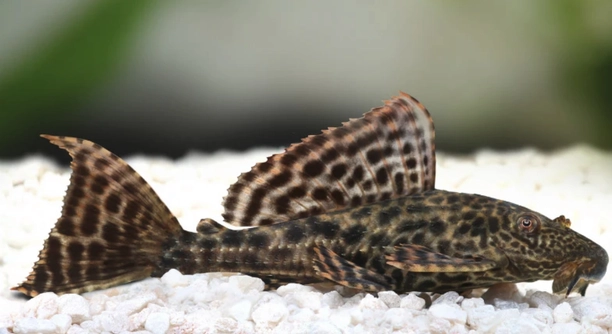
A healthy pleco is usually a peaceful addition to any aquarium. If your pleco suddenly stops eating, it can be concerning. Understanding why this change happens is important for the well-being of your fish.
There are various reasons why your pleco may have stopped eating. Common causes include stress, water quality issues, illness, or dietary changes. Identifying the specific cause can help you address the problem and get your pleco back on track.
Addressing the root cause of this issue is crucial. Once you identify what’s affecting your pleco’s appetite, you can take the necessary steps to correct it and restore balance to your aquarium.
Stress and Overcrowding in the Tank
Stress is one of the most common reasons why a pleco might stop eating. It can occur due to changes in the environment or even the presence of other aggressive fish. If your pleco feels threatened or uncomfortable, it may lose its appetite and become reclusive.
Overcrowding can also contribute to stress. If there are too many fish in your tank, the pleco may feel overwhelmed and avoid eating. Additionally, when tanks are overcrowded, oxygen levels can drop, making it difficult for your pleco to thrive.
A sudden change in water temperature or poor water conditions can worsen stress. Make sure to check water parameters regularly. Keep the tank clean and maintain a proper balance of fish to ensure your pleco feels safe and secure.
Water Quality Issues
Poor water quality is another factor that may cause your pleco to stop eating. If the water is too dirty, too acidic, or the levels of ammonia or nitrites are high, your fish will be affected. Plecos are sensitive to these changes, and prolonged exposure to bad water can cause stress and illness.
Keeping your water quality in check is essential for maintaining a healthy environment for all your fish. Regularly test the water, perform water changes, and ensure the filtration system is working properly. Plecos thrive in stable environments, and any fluctuations can lead to them refusing food.
Illness or Injury
When a pleco stops eating, illness or injury could be the reason. A sick pleco may lack the energy or desire to eat, and the stress of illness can make them hide or act unusually.
If your pleco is sick, signs like lethargy, unusual swimming behavior, or visible wounds should be present. Common issues include internal parasites or skin infections. If you notice any of these signs, consider isolating your pleco in a quarantine tank to prevent spreading illness to other fish. Consult with a vet or specialist to determine the best course of treatment.
Injuries, whether from aggressive tank mates or obstacles in the tank, can cause physical discomfort, making eating difficult. If your pleco has visible damage, it’s important to clean the tank and treat any wounds immediately. Even minor injuries should not be ignored. Keeping the water quality high and removing any sharp objects in the tank can help prevent future injuries and help your pleco heal.
Diet and Feeding Habits
Changes in diet or feeding habits can affect your pleco’s appetite. If you recently switched the type of food or feeding schedule, it might not be to your pleco’s liking. Plecos are bottom feeders and may prefer algae wafers, sinking pellets, or fresh vegetables.
It’s also important to consider how much you’re feeding. Overfeeding can lead to uneaten food sinking to the bottom, causing water quality issues that may deter your pleco from eating. Stick to a feeding routine and offer only as much as your pleco can consume in a few hours.
Lastly, plecos can be picky about food texture or flavor. Try offering a variety of foods like zucchini, cucumber, or algae-based products. If your pleco still refuses food, it may be worth adjusting the diet or offering more appealing options.
Temperature Fluctuations
Sudden changes in water temperature can cause a pleco to stop eating. Plecos prefer stable environments, and a significant drop or rise in temperature can lead to stress or even sickness.
If the temperature is too high or low, your pleco’s metabolism might slow down, reducing its desire to eat. Check your tank’s temperature regularly and use a reliable heater to maintain consistency.
A sudden cold draft or fluctuating temperatures from nearby equipment could also disturb your pleco’s feeding behavior. Avoid placing the tank in areas where temperatures change rapidly. Ensure the heater is working properly and maintains the right temperature range for your pleco.
Tank Maintenance and Cleaning
Inadequate tank maintenance can also contribute to a pleco’s lack of appetite. Dirty substrates, excess algae, or unclean decorations can stress out your fish, making it harder for them to feel comfortable enough to eat. Regular tank cleaning is essential to avoid this.
It’s vital to clean the tank regularly by removing debris and vacuuming the substrate. Ensure the filter is working effectively and that the water parameters are in check. The pleco’s environment should be clean and safe to encourage healthy behavior, including eating. Without proper maintenance, your pleco may not feel secure enough to eat.
Water Hardness and pH Levels
Water hardness and pH levels can impact a pleco’s feeding habits. Plecos thrive in slightly acidic to neutral water, and extreme fluctuations in pH can make them feel stressed or unhealthy.
If your water’s pH is too high or too low, your pleco might stop eating. Regularly test the water to ensure the pH and hardness levels are appropriate for your fish. You can adjust these levels with the help of water conditioners to create a stable environment. Make sure to keep these levels consistent to avoid disturbing your pleco’s health.
FAQ
Why is my pleco hiding and not eating?
Hiding is often a sign that your pleco is feeling stressed or unwell. It may be reacting to changes in its environment, such as poor water quality, new tank mates, or fluctuating water temperatures. If your pleco isn’t eating, it could also be dealing with illness, injury, or simply adjusting to a change in diet. Make sure the tank is clean, water parameters are stable, and the fish has a safe, quiet place to retreat if needed.
How can I encourage my pleco to start eating again?
Start by checking the water conditions, as poor water quality is a common cause for lack of appetite. Ensure the water temperature is within the appropriate range and that the pH, hardness, and ammonia levels are stable. If everything seems fine, offer a variety of food types—such as algae wafers, zucchini, or spinach—to see what your pleco prefers. If the issue continues, consider isolating the pleco in a quarantine tank to reduce stress and observe its behavior more closely.
Could my pleco stop eating due to tankmates?
Yes, aggressive or territorial tankmates can stress your pleco. If other fish are bullying or competing for food, your pleco may stop eating to avoid confrontation. Ensure there is enough space and hiding places for your pleco to feel safe. Consider separating aggressive fish or providing more food to ensure your pleco gets its fair share.
Is it possible that my pleco is just not hungry?
Plecos may naturally have periods of lower activity or appetite, especially if they are well-fed or the tank environment is stable. If your pleco stops eating for a short time and isn’t showing other signs of distress, it could simply be resting or not hungry at that moment. However, if this continues for more than a few days, you should check for signs of illness or stress.
How often should I feed my pleco?
Plecos are nocturnal feeders, meaning they typically eat at night. Offer food once or twice a day, but avoid overfeeding. It’s better to provide small amounts of food and monitor whether it’s being eaten. Plecos also benefit from a diet rich in vegetables and algae, so balance their food offerings to meet their natural feeding habits.
Can water changes help if my pleco isn’t eating?
Yes, water changes can help improve water quality and reduce stress. If your pleco isn’t eating, it might be reacting to high levels of ammonia, nitrites, or other toxins. A 25-30% water change can help restore proper conditions. Be sure to check the water parameters before and after the change to ensure the water is within the ideal range for your pleco.
Should I worry if my pleco isn’t eating for a few days?
If your pleco isn’t eating for a few days but seems otherwise healthy, it may not be cause for immediate concern. Fish can occasionally fast, especially if they’re not hungry or if the environment is temporarily unfavorable. However, if the behavior lasts longer than a few days or is accompanied by other symptoms like lethargy or unusual swimming, you should investigate further to rule out illness, stress, or poor water quality.
Can stress affect my pleco’s appetite?
Stress is a significant factor that can cause your pleco to stop eating. Stress triggers can include aggressive tankmates, improper water conditions, loud noises, or even frequent tank disturbances. By ensuring the tank is quiet, the water quality is high, and your pleco has enough space, you can reduce stress and encourage better eating habits.
How can I tell if my pleco is sick?
Signs that your pleco may be sick include a loss of appetite, lethargy, unusual swimming patterns, clamped fins, or visible lesions. Check for abnormal markings on the skin, such as white spots or fuzzy growths, which could indicate a fungal or parasitic infection. If you notice any of these symptoms, it’s important to act quickly and consult a vet or aquarium specialist.
Does my pleco need a special diet?
While plecos are generally easy to feed, they do require a specific diet. They are primarily herbivores, so algae wafers, spinach, zucchini, and other leafy vegetables should be staples in their diet. They may also eat sinking pellets or specially formulated pleco food. Make sure their food is balanced and varied to meet their nutritional needs.
Is it normal for my pleco to stop eating when molting?
Plecos, especially the larger species, can go off their food when they’re preparing to molt. During this time, they may be focused on shedding their outer skin or scales. If your pleco stops eating for a day or two while molting, it is likely nothing to worry about. Ensure the water conditions are optimal during this time to support a smooth process.
Can water temperature affect my pleco’s eating habits?
Yes, temperature plays a key role in your pleco’s appetite. Plecos are sensitive to temperature fluctuations and may refuse to eat if the water is too cold or too warm. Maintaining a consistent water temperature that fits the species’ needs is essential to their health and feeding behavior. Too much fluctuation can slow down their metabolism and discourage eating.
How can I prevent my pleco from stopping eating in the future?
Maintaining stable water conditions, offering a varied and nutritious diet, and ensuring a low-stress environment are the best ways to prevent your pleco from stopping eating. Keep the tank clean, check water parameters regularly, and avoid overcrowding. Additionally, if you have aggressive tankmates, try to separate them to prevent stress on your pleco.
Final Thoughts
If your pleco suddenly stops eating, it’s important to first consider the basics—water quality, temperature, and stress factors. These are often the root causes of many issues in aquariums. Plecos are sensitive to changes in their environment, so a small problem with water conditions or tankmates can lead to a loss of appetite. Always check the water parameters and ensure the tank is clean and well-maintained. If these factors are in check, your pleco may just need some time to adjust or recover from stress.
It’s also crucial to keep an eye on your pleco’s diet. A pleco that refuses to eat might simply be bored with the food provided or not getting the right nutrition. Offering a variety of foods, including vegetables like zucchini, cucumber, or spinach, can help get your pleco eating again. Sometimes, they may need different types of algae-based foods or sinking pellets. Keep in mind that plecos are nocturnal feeders, so they might be eating when you’re not watching. Don’t overfeed and make sure the food provided is suitable for their diet.
Lastly, remember that sometimes the issue is beyond your immediate control. If your pleco stops eating and shows other signs of illness like lesions, unusual behavior, or lethargy, it may require professional help. Consulting an aquarium vet can be the best step for diagnosing and treating any health issues. While it’s normal for fish to experience changes in appetite, prolonged periods of no eating can indicate something more serious. Taking steps to understand and address the problem will help get your pleco back to normal health and restore harmony to your tank.

Hello,
If you enjoy the content that we create, please consider saying a "Thank You!" by leaving a tip.
Every little bit helps us continue crafting quality advice that supports the health, happiness, and well-being of pets around the world, for pets of all shapes, sizes, and species.
We really appreciate the kindness and support that you show us!