
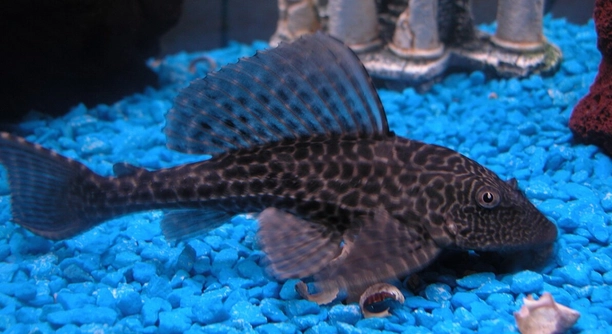
Has your pleco suddenly stopped hiding and you’re wondering why? This change in behavior can be puzzling, especially for aquarium owners who are used to seeing their plecos in hiding.
There are several possible reasons why your pleco may have stopped hiding. Changes in tank conditions, such as water temperature, lighting, or the presence of other fish, can affect their behavior. Stress from environmental factors may also lead to this shift.
Understanding why this change happens can help you maintain a healthy environment for your pleco. Identifying the causes behind this behavior will ensure your fish remains comfortable and secure in its home.
Changes in Tank Conditions
When a pleco suddenly stops hiding, one of the first factors to check is the environment inside the tank. Plecos are sensitive to water quality, and slight changes in their surroundings can have a big impact. For example, fluctuations in water temperature, pH, or ammonia levels may cause them stress. If the water parameters are not within the ideal range, your pleco might start to feel uneasy and seek out shelter more often.
While your pleco’s natural instinct is to hide when stressed, this behavior could also indicate discomfort with the tank’s layout. Some plecos may feel exposed if there aren’t enough hiding spots or if the tank is overcrowded. Another consideration is the presence of any new tank mates, which may affect your pleco’s comfort level.
Make sure to test the water regularly and ensure that everything is in proper balance. You should also take note of any changes made to the tank, whether it’s a new decoration or a shift in light intensity. Small adjustments can make a significant difference in your pleco’s behavior.
Stress from Other Fish
Plecos can be highly sensitive to the presence of other fish. If new fish have recently been added to the tank, your pleco might feel threatened. Territorial or aggressive species could make your pleco feel unsafe, leading it to seek shelter.
It’s important to observe how the fish interact. If any species seem to be bullying or chasing the pleco, this could explain the sudden change. In some cases, certain fish will display aggressive behavior, especially during feeding or when they feel their territory is being encroached upon.
If you notice this happening, consider separating aggressive fish or rearranging the tank to break territorial boundaries. Creating separate zones for your pleco and other fish might encourage a safer and more comfortable space. This adjustment can help reduce stress and allow your pleco to feel more secure.
Tank Lighting
Lighting plays a significant role in your pleco’s behavior. If the lighting is too bright, it may cause your pleco to feel exposed and stressed, pushing it to hide more frequently. On the other hand, a tank with low lighting can make your pleco more active, as it feels more secure in dimmer conditions.
Check if there have been any recent changes in the lighting setup. Maybe the light has been turned up or is staying on for longer than usual. This could be contributing to the change in behavior. Plecos tend to be more active during the night or in low-light settings, so adjusting the intensity or timing of the light could help.
If you notice the pleco is still hiding despite proper lighting, consider providing additional hiding spots that offer more refuge during the day. Adjusting the lighting and ensuring it mimics natural day-night cycles will likely encourage a more balanced behavior for your pleco.
Water Movement
Plecos often prefer calmer waters and may hide if the current in the tank is too strong. Some plecos are more sensitive to water flow, and too much movement could cause them stress. Check the water flow in your aquarium, as strong currents might make your pleco feel uneasy.
Reducing the flow can help your pleco feel more comfortable. You could try positioning the filter or pump in a way that minimizes the current in areas where your pleco spends most of its time. Another option is adding more plants or decorations that will break the water flow, creating a calmer environment for the fish.
Your pleco may start to explore more if the current is less intense. Keep an eye on your pleco’s behavior after making adjustments, as even small changes can make a significant difference in their comfort and willingness to remain in the open.
Health Issues
Sometimes a pleco’s sudden behavior change may indicate health problems. Illness or discomfort can make them more reclusive, causing them to stay hidden. If you notice other signs, like lethargy or unusual swimming patterns, it might be worth investigating.
Check for visible signs like skin discoloration, spots, or damage to fins. Infections, parasites, or internal issues could be behind this behavior. If your pleco has stopped hiding suddenly and also shows other signs of distress, it may be time to quarantine it and seek veterinary advice.
Treatments for common pleco health problems include anti-parasitic medications or antibiotics, depending on the symptoms. Always make sure the water conditions are optimal to avoid further stressing your pleco while it recovers.
Tank Maintenance
Keeping your tank clean is essential to your pleco’s health. Poor water quality can lead to stress, which might make your pleco hide more often. Regular maintenance like water changes and cleaning the filter ensures a healthy environment.
Check if the water parameters, such as ammonia, nitrate, and nitrite levels, are within the safe range. Filtration should be running efficiently, and the substrate should be free from debris that could degrade water quality. Regular tank maintenance helps reduce harmful bacteria, parasites, and excess waste, all of which can cause distress for your pleco.
Feeding Habits
Changes in feeding habits could also affect your pleco’s behavior. If you’re offering different foods or feeding less frequently, your pleco may feel unsettled. Proper feeding schedules and food types contribute to their comfort.
Switching foods can be unsettling, especially if your pleco isn’t getting its preferred diet. Plecos typically enjoy algae wafers, vegetables, and occasional meaty treats. Ensure you’re feeding enough to meet their nutritional needs while maintaining consistency.
FAQ
Why is my pleco hiding all of a sudden?
Your pleco may be hiding due to stress, changes in the environment, or health issues. If the tank conditions have shifted, such as changes in water quality, temperature, or lighting, this can cause them to seek shelter. Additionally, new fish or tank mates could be stressing your pleco, prompting it to retreat. Keep an eye on any changes made to the tank and make sure the water parameters are ideal.
How do I know if my pleco is stressed?
Signs of stress in plecos include hiding more frequently, sluggish swimming, loss of appetite, or unusual body movements. Stress can also cause changes in their skin color or fins. If your pleco is staying hidden and showing these signs, it may be reacting to unfavorable conditions in the tank, such as poor water quality or the presence of aggressive tank mates.
Can plecos live with other fish?
Yes, plecos can live with other fish, but it depends on the species. Plecos are generally peaceful but can become stressed by aggressive or territorial fish. Ensure your pleco is paired with non-aggressive tank mates and that there is plenty of space and hiding spots for it to feel secure.
How often should I change the water in my pleco tank?
It’s recommended to perform partial water changes (about 25-30%) every 1-2 weeks. This keeps the water quality high and helps prevent harmful toxins from building up. However, the frequency may vary based on tank size, filtration, and the number of fish. Always check water parameters before changing the water.
What are the ideal water conditions for a pleco?
Plecos generally prefer a water temperature between 72-78°F (22-25°C), with a pH level between 6.5 and 7.5. It’s important to monitor ammonia, nitrite, and nitrate levels to ensure they are safe for your pleco. Proper filtration and regular water changes are key to maintaining these conditions.
Should I be concerned if my pleco is not eating?
If your pleco isn’t eating, it could be a sign of stress or illness. It’s important to check the water conditions and make sure your pleco isn’t being bullied by other fish. If the water quality is fine and no other fish are causing stress, it may be time to examine your pleco for signs of illness.
Can plecos eat algae wafers?
Yes, algae wafers are a great source of food for plecos. They are herbivores and enjoy eating algae, so algae wafers are an easy and effective way to provide them with a balanced diet. You can supplement their diet with vegetables like zucchini and spinach, and occasionally, protein-rich foods like shrimp.
Why is my pleco not coming out at night?
Plecos are nocturnal, and it’s not unusual for them to remain hidden during the day and be active at night. However, if your pleco has stopped coming out even at night, there may be a problem with the tank conditions or its health. Check for signs of stress, illness, or water issues.
How do I make my pleco feel more secure in the tank?
Provide hiding spots such as caves, plants, and decorations where your pleco can retreat if it feels threatened. Make sure the tank is not overcrowded and that the fish have enough space. Keep the lighting low or use plants to create shaded areas where your pleco can feel secure.
Can plecos be kept in small tanks?
Plecos can be kept in smaller tanks, but they require a large space to thrive as they grow. Many species of plecos grow quite large, so if you’re keeping them in a small tank, ensure it has proper filtration and regular water changes to maintain water quality. For larger species, a tank of at least 75 gallons is recommended.
What should I do if my pleco is hiding all the time?
If your pleco is hiding constantly, first check the water conditions, as poor water quality can cause stress. Also, observe the tank for aggressive or territorial fish that may be bothering the pleco. If everything seems normal and the behavior persists, consider consulting a vet for a health checkup.
Can a pleco help keep my tank clean?
Yes, plecos are known for eating algae, and they can help keep your tank cleaner by grazing on the surfaces of decorations, rocks, and plants. However, they still need proper feeding, so don’t rely solely on them for tank maintenance. Regular cleaning and water changes are still necessary.
Final Thoughts
It is natural to be concerned when your pleco’s behavior changes suddenly. Plecos are generally peaceful creatures that thrive in stable environments. Any shift in their behavior, such as hiding more frequently or being less active, is often a sign that something in the tank has changed. Identifying the cause is the first step to resolving the issue. Whether it’s stress from environmental factors like water quality, tank mates, or lighting, or health issues, taking action quickly can help your pleco feel comfortable again.
Maintaining the right water parameters is one of the most important factors in keeping your pleco healthy. Regular water changes and monitoring ammonia, nitrite, and nitrate levels can prevent many problems. Lighting should also be adjusted to suit your pleco’s needs. A pleco prefers dimmer environments, and too much light may cause them to hide more often. Ensuring there are plenty of hiding spots, such as caves or plants, will also make your pleco feel more secure and less likely to retreat.
Lastly, while it’s normal for plecos to hide occasionally, if your pleco’s hiding becomes excessive, it’s worth looking into its health. Changes in appetite or physical appearance could indicate an illness that requires attention. Regular feeding of a balanced diet, along with a clean and secure tank environment, will go a long way in ensuring your pleco is healthy and happy. With proper care, your pleco should return to its active, playful self and enjoy its space in the tank once again.

Hello,
If you enjoy the content that we create, please consider saying a "Thank You!" by leaving a tip.
Every little bit helps us continue crafting quality advice that supports the health, happiness, and well-being of pets around the world, for pets of all shapes, sizes, and species.
We really appreciate the kindness and support that you show us!