
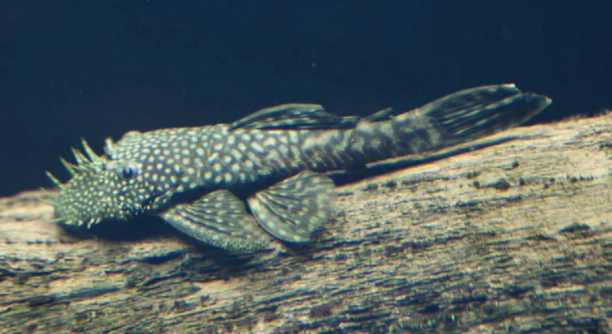
A pleco is a popular aquarium fish, often appreciated for its cleaning abilities. However, it can be concerning when your pleco stops eating at night. This behavior may be due to a variety of factors.
Plecos are nocturnal creatures, and changes in their feeding habits can be caused by water quality, stress, illness, or even changes in their environment. Identifying these factors will help in understanding why your pleco has stopped eating at night.
Taking a closer look at your pleco’s habitat can help you pinpoint potential causes. Knowing how to address these factors will lead to a happier, healthier fish.
Water Quality and Its Impact on Feeding Habits
The quality of the water in your tank plays a crucial role in your pleco’s eating behavior. When the water is too dirty or has fluctuating temperatures, it can cause stress, making the pleco less inclined to feed. Make sure the water is clean, and the pH and temperature are consistent. Regular water changes are essential to maintain a healthy environment for your pleco.
Ensure you are using a reliable filtration system to keep the water clear. A good filtration system will help remove waste, which, if left unchecked, can cause harmful toxins to build up. Check for ammonia, nitrite, and nitrate levels to ensure they are within safe ranges. If any of these are elevated, it could explain why your pleco is refusing food. A stable and clean environment is key for your pleco’s health and appetite.
Pay attention to the water temperature as well. Plecos prefer warmer waters, so ensure the temperature is between 74-80°F (23-27°C) for optimal feeding. Anything outside of this range may discourage feeding.
Stress and Its Effect on Plecos
Stress can also be a significant factor in why your pleco might stop eating. Changes in the environment, new tank mates, or even sudden movements around the tank can create anxiety for the fish.
Plecos are sensitive to their surroundings and may refuse to eat when stressed. Keep the tank’s environment as stable and peaceful as possible to reduce stress. Avoid rapid changes in water temperature or tank setup, and introduce new fish slowly.
Illness and Its Effects on Appetite
Illness is another factor that could explain why your pleco has stopped eating. When plecos are unwell, they may refuse food as their bodies focus on recovery. Watch for signs such as lethargy, abnormal swimming, or changes in coloration, as these are often indicators of illness.
Common issues include internal parasites, bacterial infections, or fungal outbreaks. If you suspect illness, it’s important to quarantine the affected pleco to prevent the spread of disease to other fish. Treatment options vary depending on the condition, so consulting a veterinarian or aquatic specialist is advised. Proper medication can help restore your pleco’s appetite.
In addition, poor water conditions can contribute to stress, which weakens the fish’s immune system and makes it more vulnerable to illness. Ensure that your pleco’s tank remains a healthy environment, as this is crucial in preventing disease and encouraging feeding.
Environmental Changes and Feeding
Changes to your pleco’s environment can have a significant impact on its feeding habits. Moving decorations, changing the lighting, or altering the tank’s layout may create stress, making your pleco less likely to eat at night.
Even small changes can confuse or frighten your pleco, especially if it’s already accustomed to a specific tank setup. The pleco may also stop eating if it doesn’t feel safe or secure in its environment. Keep in mind that plecos are sensitive to their surroundings and may take time to adjust to changes.
If you’ve recently added new tank mates, this could also be a factor. Aggressive or territorial fish can intimidate your pleco, causing it to avoid eating. It’s important to carefully observe your pleco’s behavior after any changes, as this can provide clues to the cause of its lack of appetite.
Overfeeding and Its Effects on Feeding Behavior
Overfeeding is another common issue that may cause a pleco to stop eating at night. When plecos are given more food than they can consume, uneaten food can pollute the water. This not only affects water quality but may also discourage your pleco from eating.
The excessive food creates waste, which can result in a buildup of harmful toxins in the tank. Plecos are bottom feeders and can pick up uneaten food, but they don’t need to eat all the time. Make sure to feed them the right amount and remove leftover food to keep the environment clean and safe.
Tank Size and Space
Plecos need enough space to move around freely, especially when they are active during the night. If your pleco’s tank is too small or overcrowded, it may feel stressed or cramped, which can affect its appetite.
A tank that is too small limits your pleco’s natural behaviors, like hiding or exploring. This can cause stress and ultimately make it less inclined to eat. If your pleco is in a cramped space, consider upgrading to a larger tank. This will not only help with feeding but also improve the overall health of your pleco.
Diet Imbalance
If your pleco’s diet isn’t varied or balanced, it could be another reason for its refusal to eat. A diet limited to just algae wafers or one type of food might not provide all the necessary nutrients for your pleco.
Plecos require a diet rich in fiber, vitamins, and minerals. Adding fresh vegetables like zucchini, cucumber, or spinach can help ensure your pleco gets a more varied and nutritious diet. Supplementing their diet with protein sources, such as bloodworms or shrimp, can also improve their appetite and health.
FAQ
Why is my pleco not eating at night?
There are several reasons why your pleco may not be eating at night. Poor water quality, stress, illness, environmental changes, overfeeding, or an unbalanced diet are common factors that could be affecting your pleco’s appetite. It’s important to check for these conditions and ensure your pleco’s environment is stable and healthy.
What should I do if my pleco isn’t eating?
First, check the water conditions, as poor water quality is a common cause of loss of appetite. Test for ammonia, nitrites, and nitrates. Ensure that the water temperature is within the appropriate range and that your filtration system is working well. If the water quality is good, observe your pleco for signs of stress or illness. If you suspect illness, quarantine the pleco and seek professional advice.
How do I know if my pleco is sick?
Sick plecos may display symptoms like unusual swimming patterns, lethargy, discoloration, or visible lesions. They may also stop eating altogether. If you notice any of these symptoms, it’s best to remove the pleco from the main tank to avoid spreading any potential illness to other fish. A veterinary consultation can provide guidance on proper treatment.
Can stress make my pleco stop eating?
Yes, stress is a major factor that can affect your pleco’s appetite. Stress can result from a variety of factors, including changes in water quality, tank decorations, lighting, or the introduction of new fish. Ensure that your pleco’s environment remains calm and stable. Avoid sudden changes and maintain a peaceful tank.
How much should I feed my pleco?
Plecos are bottom feeders and don’t need to be fed as often as other fish. Overfeeding can lead to poor water quality and can actually cause your pleco to stop eating. Offer only enough food that can be consumed within a few hours, and remove any uneaten food promptly. Depending on its size and species, your pleco might need food once every 2-3 days.
What type of food is best for my pleco?
Plecos require a variety of foods to maintain their health. Algae wafers are a common staple, but you should also offer fresh vegetables like zucchini, cucumber, or spinach. Additionally, occasional protein sources, such as bloodworms or shrimp, can complement their diet. A well-balanced diet is key to keeping your pleco healthy and maintaining a good appetite.
Could water temperature affect my pleco’s appetite?
Yes, water temperature plays a crucial role in your pleco’s feeding habits. Plecos generally prefer water temperatures between 74-80°F (23-27°C). If the temperature falls outside this range, your pleco may become less active and refuse to eat. Make sure your aquarium heater is functioning properly and that the temperature remains consistent.
Should I change my pleco’s tank environment?
Changing your pleco’s tank environment can cause stress, which might lead to a loss of appetite. If you need to rearrange decorations or introduce new fish, do so gradually. Any changes should be made slowly to allow your pleco time to adjust. Ensure the tank has enough hiding spaces for the pleco to feel secure.
Can tank mates affect my pleco’s eating habits?
Yes, the presence of aggressive or territorial fish can make your pleco feel threatened, leading to stress and reduced appetite. It’s important to choose compatible tank mates for your pleco. Avoid overcrowding the tank, as this can also contribute to stress and hinder feeding.
How can I tell if my pleco is overfed?
Overfeeding can lead to uneaten food in the tank, which may cause water quality issues. If your pleco seems uninterested in food despite a clean tank, it may be overfed. Try reducing the amount of food and observe if it starts eating again. Regular water changes and monitoring uneaten food are key to avoiding overfeeding.
Why is my pleco eating during the day instead of at night?
Plecos are nocturnal, so if yours starts eating during the day, it may be adjusting to a new routine or responding to changes in its environment. Ensure that the lighting is appropriate for your pleco’s natural behavior, and check for any environmental factors that might be disrupting its nighttime activity.
Can plecos eat too much algae?
While plecos do feed on algae, relying solely on algae may not provide them with a balanced diet. Overconsumption of algae can lead to nutritional deficiencies. It’s important to provide a variety of food options, including fresh vegetables and protein sources, to keep your pleco healthy.
How long can a pleco go without eating?
Plecos can survive for a few days without food, but prolonged periods without eating can harm their health. If your pleco refuses to eat for more than a couple of days, it’s important to identify the underlying cause and take action. A healthy pleco typically eats every 2-3 days.
Final Thoughts
It’s important to understand that a pleco stopping eating at night can be caused by several factors. Whether it’s due to poor water quality, stress, illness, or environmental changes, identifying the root cause is essential. Regular monitoring of water conditions, such as ammonia, nitrites, and pH levels, can help ensure a healthy environment for your pleco. Keeping track of the temperature and checking for signs of stress or illness will also provide helpful clues. Understanding these factors will give you the tools to solve the issue and help your pleco regain its appetite.
When dealing with a pleco that’s not eating, consider all aspects of its environment and health. Look at the size and setup of the tank, the types of food being provided, and any changes that have occurred. Even something as simple as a slight change in the tank’s decorations or the introduction of new fish can cause your pleco to feel stressed. Overfeeding is another factor that can discourage eating, as it can lead to waste build-up and poor water quality. Finding the right balance in both the environment and diet is key to ensuring your pleco’s well-being.
If your pleco’s lack of appetite persists despite addressing these factors, it’s important to seek professional advice. A veterinarian who specializes in aquatic animals can help diagnose any underlying health problems that might be affecting your fish. With proper care and attention, most plecos can return to their usual feeding habits. Remember, each pleco is different, and understanding its needs and behaviors will help you provide the best care possible.

Hello,
If you enjoy the content that we create, please consider saying a "Thank You!" by leaving a tip.
Every little bit helps us continue crafting quality advice that supports the health, happiness, and well-being of pets around the world, for pets of all shapes, sizes, and species.
We really appreciate the kindness and support that you show us!