
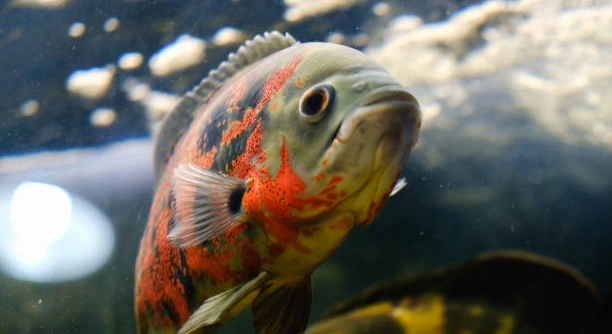
Oscar fish are known for their vibrant personalities and impressive size, but sometimes they display behaviors that may seem out of the ordinary. If your Oscar fish has torn up its tank, you’re not alone.
Oscars are territorial creatures, and aggressive behavior is common. They may tear up their tank due to stress, boredom, or even during mating rituals. Lack of space, incompatible tank mates, and water quality issues also contribute to this behavior.
Understanding the reasons behind these actions will help you create a better environment for your Oscar fish, ensuring both their well-being and your tank’s stability.
Reasons Behind Oscar Fish Aggression
Oscar fish are known for their assertive nature. In the wild, they thrive in large, territorial environments. When kept in a tank, they can act out if they feel their space is being threatened. Territorial aggression is often one of the primary reasons they tear up their tank. If there are other fish present, they might see them as a threat, even if the other fish are not aggressive themselves. Oscars can be unpredictable, and their behavior changes when they feel stressed or crowded.
Oscars are also sensitive to their surroundings, which means any sudden changes in their environment can cause them to act aggressively. Inadequate space can be a big issue, as these fish grow large and need room to move around freely.
Maintaining a calm and stable tank environment is essential for keeping your Oscar fish from becoming aggressive. Providing the right amount of space, compatible tank mates, and regular maintenance will make a big difference in keeping their behavior under control.
Tank Size and Space
A small tank can contribute significantly to Oscar fish aggression. These fish are not suited for cramped conditions. A larger tank provides enough room for them to establish their territory without feeling threatened. A good rule of thumb is to provide at least 55 gallons of water for a single Oscar, with additional space for each additional fish.
If Oscars don’t have enough space, their natural territorial instincts may cause them to become defensive and destructive. By offering a spacious environment, you create a setting where they feel more secure, reducing their urge to tear up the tank. Keep in mind that the larger the tank, the easier it is to maintain stable water conditions, which is also crucial for their overall health.
Tank Mates and Compatibility
Oscar fish are not always the best choice for community tanks due to their aggressive nature. They can tear up the tank not only because of territorial instincts but also because they’re reacting to fish they perceive as competitors. Fish that are too small or slow-moving may become targets for Oscars. Even peaceful species can provoke aggression if they enter the Oscar’s personal space.
Choosing compatible tank mates is key to preventing these outbursts. Larger, more robust fish are better suited for cohabiting with Oscars. However, even within species, some Oscars may show more aggression than others. It’s essential to monitor how your fish interact and be ready to separate them if necessary.
Stress and Environmental Factors
Stress can trigger destructive behavior in Oscar fish. Factors like fluctuating water temperatures, poor water quality, and improper tank conditions can stress them out. When Oscars are stressed, they often act aggressively and tear up their tank. They may also become more prone to illness.
Oscars are particularly sensitive to sudden changes in water parameters, such as pH, ammonia, and nitrate levels. If their environment doesn’t remain stable, it can lead to unnecessary stress. Regular water changes, proper filtration, and maintaining the correct temperature can help keep your Oscar happy and healthy.
Ensure you’re keeping the tank’s water conditions optimal and avoid sudden temperature fluctuations. Stress will cause Oscars to act out, tearing up the tank as a result. A consistent environment helps calm their nerves and reduces the likelihood of this behavior.
Feeding and Tank Behavior
Feeding habits also impact Oscar fish behavior. Overfeeding or giving them a poor-quality diet can cause stress, which leads to aggressive tendencies. Oscars are opportunistic feeders, and they may tear up their tank when hungry or when food is scarce.
A balanced diet is essential for maintaining Oscar fish’s health and behavior. Offering them high-quality pellets, frozen or live food, and avoiding overfeeding ensures their nutritional needs are met. Regular feeding schedules will help keep them satisfied and reduce aggressive behavior linked to hunger or poor diet.
By creating a feeding routine, you’re not only promoting healthy fish but also preventing any behavioral issues stemming from hunger or dissatisfaction. Regular meals will keep your Oscar in a calmer, more stable mood.
Tank Decoration and Setup
Tank decorations play a crucial role in an Oscar fish’s behavior. Too many decorations can make the space feel cramped, while too few can leave the Oscar feeling exposed. Balance is key to creating a comfortable environment for your fish.
Providing enough hiding spots with caves or plants helps reduce stress. Oscars can hide when feeling threatened, making them feel secure. Avoid sharp objects that could injure your fish. A well-decorated tank encourages a healthy environment and reduces destructive behavior.
Water Quality and Filtration
Maintaining excellent water quality is vital for Oscar fish’s health. They produce a lot of waste, which can quickly lead to high levels of ammonia and nitrites. A high-quality filtration system is necessary to keep the water clean.
Regular water changes and monitoring ammonia, nitrite, and nitrate levels will ensure your Oscar thrives in a healthy environment. Poor water quality is one of the biggest factors in stressing fish and triggering aggressive behavior. Keep your filtration system in top condition, as it directly impacts the health and behavior of your fish.
Overcrowding in the Tank
Overcrowding can lead to aggression and territorial issues with Oscar fish. When they are packed into too small of a space, they feel threatened, which leads to destructive actions like tearing up their tank.
Maintaining a low fish density in the tank will help reduce this behavior. Overcrowding can also lead to poor water quality, further increasing stress. By carefully planning the number of fish in the tank and providing ample space, you can avoid unnecessary tension and aggression.
FAQ
Why is my Oscar fish attacking its reflection?
Oscar fish can become territorial, and they may view their own reflection as a rival. This is a common behavior, especially if they are stressed or feel confined in their space. To help reduce this, avoid placing mirrors or reflective surfaces near the tank. You can also use tank dividers or place decorations that block their line of sight to minimize interactions with their reflection.
How do I stop my Oscar fish from being so aggressive?
To reduce aggression, ensure your Oscar has enough space to feel comfortable. A larger tank provides room for territorial behavior without the need to act out. Also, monitor water quality, feed a balanced diet, and avoid overcrowding. Compatibility with tank mates is also important, as Oscars can be aggressive toward smaller fish. Regular water changes and a peaceful environment can help calm aggressive tendencies.
Can Oscars live with other fish?
Yes, Oscars can live with other fish, but it’s crucial to choose compatible tank mates. Oscars are large and may become aggressive toward smaller or slower-moving fish. It’s best to house them with other similarly-sized, non-aggressive fish. Avoid keeping them with delicate species, as Oscars can become territorial and may harm them. Always monitor interactions and be ready to separate them if needed.
How do I know if my Oscar fish is stressed?
Signs of stress in Oscar fish include excessive hiding, loss of appetite, abnormal swimming patterns, and changes in color. They may also exhibit aggressive behavior, tearing up decorations or chasing other fish. If you notice these symptoms, it’s important to check the water quality, temperature, and tank setup. Stress can also result from poor tank mates or overcrowding, so adjust the environment accordingly.
What is the best tank size for an Oscar fish?
The minimum recommended tank size for a single Oscar fish is 55 gallons. However, as they grow larger, a 75-gallon tank or bigger is ideal. Oscars need room to swim and establish territory. A larger tank reduces stress, lowers the chances of aggression, and keeps water quality stable. It also allows for more tank mates if desired.
Why does my Oscar fish tear up the substrate?
Oscar fish may tear up the substrate if they are digging or searching for food. This behavior is common, as they often scavenge for small particles or insects. They may also dig to create hiding spots or to rearrange the tank. If this behavior becomes excessive, check if the substrate is too coarse or sharp, which can stress the fish.
Can an Oscar fish be kept in a tank with live plants?
While Oscar fish can be kept with live plants, they may uproot or damage them. Oscars tend to be active and curious, often digging or rearranging the tank. Hardier plants, like Anubias or Java Fern, may withstand their behavior better than delicate species. If you want to include plants in your Oscar’s tank, choose ones that are less likely to be disturbed.
How do I care for an Oscar fish in a community tank?
Oscar fish can live in a community tank, but it’s important to choose appropriate tank mates. Ensure all fish are large enough to handle Oscar’s aggression. Avoid keeping Oscars with small, slow-moving fish, as they may become targets. Provide hiding spots and monitor the behavior of all fish. Regular maintenance of water quality and tank size is also essential for a successful community setup.
What are the signs of an unhealthy Oscar fish?
An unhealthy Oscar may show signs such as faded color, lack of appetite, abnormal swimming, or visible injuries. You might notice the fish rubbing against tank surfaces or spending excessive time hiding. Check for changes in water parameters and ensure the tank setup is appropriate. A visit to a veterinarian specializing in fish can help diagnose and treat any issues.
How can I make my Oscar fish feel more comfortable?
To make your Oscar feel comfortable, ensure the tank is the right size and properly decorated. Providing enough hiding spots and minimizing stressful factors like tankmates or poor water quality will help. A stable, clean environment with optimal water conditions and a proper diet will allow your Oscar to thrive. Avoid sudden changes in the tank environment to prevent stress.
How often should I feed my Oscar fish?
Oscar fish should be fed once or twice a day, depending on their age and size. It’s important not to overfeed, as excess food can lead to water quality issues and health problems. Offer a balanced diet of pellets, live or frozen food, and supplement with occasional treats. Always remove uneaten food promptly to avoid contamination in the tank.
Can Oscars live with other aggressive fish?
Oscars can live with other aggressive fish, but the tank must be large enough to accommodate each fish’s territory. Some aggressive fish, like larger cichlids, may coexist with Oscars if there’s enough space and hiding spots. However, it’s important to monitor the fish closely for signs of aggression, as territorial disputes can lead to injuries.
How do I deal with Oscar fish breeding behavior?
Oscar fish are known to be protective during breeding. If you notice your Oscar fish laying eggs, they may become more territorial and aggressive, especially toward other tank mates. Remove any other fish to prevent fighting and reduce stress. Be ready for the pair to guard the eggs until they hatch. Ensure that the tank conditions remain stable during this time to support the breeding process.
Final Thoughts
Oscar fish are beautiful, strong creatures that require the right care and environment to thrive. They are known for their intelligence, curiosity, and unique personalities. Understanding their needs, from water quality to tank mates, is crucial in maintaining a healthy tank. Oscars are best suited for experienced aquarium owners who can meet their care requirements. They can live for many years with proper attention, making them a rewarding addition to your aquarium.
One of the most important factors in keeping an Oscar healthy is ensuring they have enough space to swim and establish their territory. A larger tank not only reduces stress but also helps prevent aggressive behaviors. Overcrowding, poor water quality, and inappropriate tank mates are common causes of stress and aggression. Regular maintenance, such as water changes and monitoring water parameters, will keep your fish in the best health. Proper tank decoration with enough hiding spots and hiding places for the Oscar to retreat to when needed can also play a role in reducing stress.
While Oscars are often known for their aggressive tendencies, they can be peaceful and well-behaved in the right conditions. Their behavior is influenced by factors like tank size, water quality, and the presence of compatible tank mates. By keeping these factors in mind and adjusting your care routine, you can prevent destructive behavior and ensure your Oscar has a long, healthy life. With proper care, they can bring joy to your aquarium for many years.

Hello,
If you enjoy the content that we create, please consider saying a "Thank You!" by leaving a tip.
Every little bit helps us continue crafting quality advice that supports the health, happiness, and well-being of pets around the world, for pets of all shapes, sizes, and species.
We really appreciate the kindness and support that you show us!