
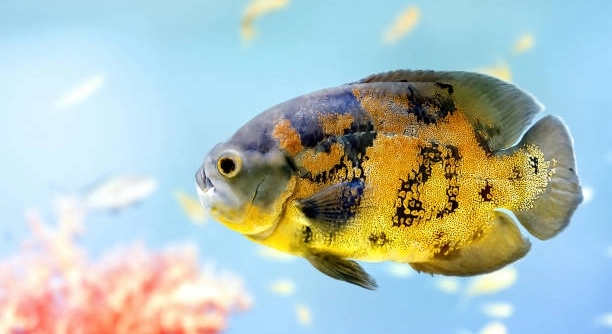
Oscar fish are popular aquarium pets known for their bold personalities and vibrant colors. However, it’s concerning when these fish suddenly stop swimming. Understanding the reasons behind this behavior is important for every Oscar fish owner.
The most common reasons for an Oscar fish to stop swimming include poor water conditions, stress, illness, or injury. Changes in tank temperature, water quality, or diet can cause the fish to become lethargic or unresponsive.
Addressing these issues promptly can prevent further complications. This article will explore the potential causes and solutions to help your Oscar fish get back to its active self.
Poor Water Conditions
Oscar fish are very sensitive to water quality. Even small changes in their environment can cause them to stop swimming or act lethargic. The water in the tank must be kept clean and well-maintained. High levels of ammonia, nitrites, or nitrates can lead to stress. When these toxins build up, they irritate the fish’s gills, affecting their breathing and movement. It’s crucial to monitor the tank’s water regularly with test kits. This includes checking for pH balance, temperature, and proper filtration. Without good water quality, your fish can quickly become sick and inactive.
Maintaining a consistent temperature between 75°F and 80°F is also important for your Oscar. Cold water can stress them, making them lethargic and uninterested in swimming.
Regular water changes, at least 25% every week, help keep the environment healthy. A well-maintained tank makes it easier for your Oscar to thrive and stay active. Poor water conditions often lead to prolonged periods of inactivity, so don’t neglect these essential aspects.
Stress
Stress can significantly impact your Oscar’s behavior. Changes in their environment, such as new tank mates, can trigger stress. Even something as simple as loud noises near the tank or excessive handling can upset them. When Oscars feel threatened, they may stop swimming and hide in corners. They might also start displaying unusual behaviors, such as hiding or darting around the tank.
Providing a peaceful environment and stable surroundings is key to reducing stress. Avoid placing the tank in high-traffic areas or exposing your Oscar to too much noise. If your fish is stressed, it might also help to rearrange the tank decor, giving it a sense of security. Adding hiding places can also create a safe space, helping your fish feel more comfortable. Always remember that stability and consistency are crucial for keeping your Oscar fish healthy and active.
Illness or Disease
When Oscar fish stop swimming, it might be a sign they’re unwell. Common illnesses like swim bladder disease, parasites, or internal infections can cause lethargy and abnormal swimming behavior. Watching for symptoms like bloating, loss of appetite, or abnormal posture is essential for identifying illness early.
Swim bladder disease is one of the most common conditions, often linked to overfeeding or poor water conditions. This disorder affects the fish’s ability to control its buoyancy, causing it to float or sink awkwardly. In some cases, a change in diet or water treatment can help. If the condition persists, medication may be necessary.
Parasitic infections, like white spot disease, can also result in reduced swimming activity. Symptoms include visible spots on the skin and fins, along with rapid gill movement. Treating these infections quickly with appropriate medication is crucial to prevent further stress and damage to the fish.
Injury
Oscar fish can stop swimming if they’ve suffered an injury. Sharp decorations or rough tankmates can harm them, leading to bruises or cuts. Sometimes, Oscars may also accidentally injure themselves by darting around the tank in fear or excitement.
When an injury occurs, the fish may prefer to stay still rather than swim. Watching for any visible wounds or swelling is important. The affected area could be sore, making it painful for the fish to move. Cleaning the wound area and providing a calm, stress-free environment will aid in recovery.
If you suspect an injury, remove any sharp objects from the tank and monitor your Oscar closely. Injured fish should be given a quiet, undisturbed space to rest. Providing a safe and clean environment helps them recover faster and reduces the chance of further harm.
Overfeeding
Overfeeding can cause your Oscar to become sluggish. When Oscars eat more than they need, undigested food can cause digestive issues, leading to bloating and lethargy. This can reduce their energy levels, causing them to swim less. Feeding them a balanced amount once or twice a day is key.
It’s important to give your fish the right portion size. Any leftover food should be removed after a few minutes to prevent water contamination and further stress. Overfeeding not only leads to inactivity but can also cause serious health issues like swim bladder disease and obesity.
Tank Size
Oscar fish are large, active fish and need enough space to swim freely. A tank that’s too small can restrict their movement and cause stress. Over time, this can lead to a lack of energy and an unwillingness to swim.
A tank of at least 75 gallons is recommended for a single Oscar fish. Larger tanks allow for a more natural environment, which helps reduce stress and keeps the fish active. Giving your Oscar the right amount of space helps prevent inactivity, promoting both physical and mental health.
Temperature Fluctuations
Oscars are sensitive to temperature changes. If the water is too cold or fluctuates frequently, it can cause them to become inactive. The ideal temperature range for Oscar fish is between 75°F and 80°F. Sudden changes in temperature can lead to stress and lethargy.
Ensure your tank is equipped with a reliable heater and thermometer to maintain a steady temperature. Temperature drops below 70°F can cause the Oscar to stop swimming and hide. Stable, warm water encourages your Oscar to stay active and healthy.
FAQ
Why is my Oscar fish not eating and just sitting at the bottom of the tank?
If your Oscar is sitting at the bottom and not eating, it could be due to stress, illness, or poor water conditions. First, check the water parameters, such as temperature, pH, ammonia, and nitrate levels. If the water is unhealthy, your Oscar might refuse food. It’s also possible that the fish is ill, suffering from a disease like swim bladder or internal parasites. If the water is fine and no visible signs of disease are present, the lack of appetite could be caused by stress from tankmates or environmental changes.
Can poor water conditions cause my Oscar fish to stop swimming?
Yes, poor water conditions are one of the leading causes of inactivity in Oscar fish. Oscars are sensitive to changes in water quality. High levels of ammonia, nitrites, or nitrates can irritate their gills and cause them to stop swimming. If the tank water is cloudy or has a foul smell, it’s a clear sign that the water conditions need immediate attention. Regular water changes and proper filtration can help prevent this issue.
What should I do if my Oscar fish is hiding and not swimming?
If your Oscar is hiding and not swimming, it could be a sign of stress, illness, or injury. First, check the water parameters to ensure they are within the proper range. If the water is clean, inspect your fish for signs of disease or injury. Make sure the tank is in a quiet area, away from loud noises and disturbances. Stress can also be caused by tankmates, so if your Oscar feels threatened, it might choose to hide. Ensure there are plenty of hiding spots in the tank to help your Oscar feel more secure.
How often should I feed my Oscar fish?
Oscar fish should be fed once or twice a day. Overfeeding can lead to health issues and inactivity, as undigested food can cause digestive problems. Offer only the amount your Oscar can consume in a few minutes. Remove any uneaten food to avoid contaminating the water. A balanced diet, including pellets, live food, and occasional treats, helps maintain your fish’s health and energy levels.
Can stress cause my Oscar fish to stop swimming?
Yes, stress is a common reason for Oscars to stop swimming. Stress can be triggered by various factors, including changes in tank conditions, new tankmates, loud noises, or a lack of hiding spaces. Oscars are territorial fish, and overcrowding can also lead to stress. If your Oscar is feeling threatened, it might stop swimming and hide in the corner of the tank. Reducing stress factors, such as providing a calm environment and adequate space, can help your Oscar return to normal activity.
How do I know if my Oscar fish is sick?
Sick Oscar fish often show symptoms like loss of appetite, abnormal swimming patterns, rapid gill movement, or visible spots on their body. If your Oscar is not swimming, has a bloated abdomen, or is showing signs of discoloration, it may be suffering from a disease. Common illnesses include swim bladder disease, internal parasites, and fungal infections. If you suspect your fish is ill, isolate it from other tankmates, and seek treatment immediately. Always keep the water clean and check for any abnormalities in the tank’s environment.
Should I move my Oscar fish to a quarantine tank?
If your Oscar is sick, injured, or showing signs of stress, moving it to a quarantine tank can help reduce the spread of disease to other fish. A quarantine tank is a smaller, controlled environment where you can monitor your Oscar closely and administer treatment if necessary. It’s also easier to adjust the water conditions in a smaller tank, which may be helpful for an Oscar recovering from illness or stress.
What are the signs of swim bladder disease in Oscar fish?
Swim bladder disease can cause an Oscar fish to have difficulty swimming. Symptoms include floating at the surface, sinking to the bottom, or swimming sideways. The fish may also appear bloated or have trouble maintaining a normal swimming position. Swim bladder disease can be caused by overfeeding, poor water conditions, or infection. If you notice these symptoms, reduce feeding and make sure the water is clean. In some cases, you may need to treat the fish with medication or adjust its diet.
Why is my Oscar fish suddenly swimming upside down?
Swimming upside down is a clear sign of swim bladder disease or a related issue. The swim bladder helps fish control their buoyancy, and if it’s damaged or infected, the fish may lose its ability to swim properly. This can be caused by poor water conditions, stress, or overfeeding. If your Oscar is swimming upside down, check the water quality, and reduce feeding. You might also need to treat the fish with antibiotics or other medications if an infection is present.
Is it normal for Oscar fish to be inactive during the night?
Yes, Oscar fish are nocturnal by nature and tend to be less active at night. They may rest or sleep during the dark hours and become more active during the day. However, if your Oscar is inactive during the day as well, it could be a sign of stress, illness, or poor water conditions. Always monitor your fish’s behavior throughout the day and night to spot any irregularities early.
Final Thoughts
If your Oscar fish has suddenly stopped swimming, there are several potential reasons behind this behavior. The most common causes include poor water quality, stress, illness, or even overfeeding. Oscars are sensitive fish that require a stable and clean environment to thrive. Keeping the water conditions in check by regularly testing for ammonia, nitrates, pH levels, and temperature will help ensure they stay healthy. If your Oscar has stopped swimming, it’s essential to inspect the tank conditions carefully and make any necessary adjustments. A clean, well-maintained tank not only helps with overall health but also keeps your Oscar active and energetic.
Stress can also play a significant role in an Oscar’s behavior. Oscars are territorial and sensitive to changes in their environment. Factors such as overcrowded tanks, new tankmates, loud noises, or even poor tank layout can cause your Oscar to become stressed. Stress can make them more lethargic, leading them to stop swimming or hide in corners. Reducing stress factors, such as rearranging the tank to provide more hiding spots or placing the tank in a quieter area, can help improve your Oscar’s behavior. Oscars do best in stable, peaceful environments where they feel secure and comfortable.
If the water conditions and stress factors are in check, but your Oscar still isn’t swimming, illness may be the issue. Common problems like swim bladder disease, parasites, or internal infections can cause lethargy and lack of movement. If you notice any other signs of illness, such as bloating, discoloration, or visible spots on the skin, it’s crucial to take action. Consult a veterinarian or start treatment with the right medication as soon as possible. In some cases, minor injuries or physical damage from sharp objects in the tank may also affect their swimming. Ensuring your Oscar has a spacious, clean, and well-maintained tank is the first step to avoiding these issues and ensuring its long-term health.

Hello,
If you enjoy the content that we create, please consider saying a "Thank You!" by leaving a tip.
Every little bit helps us continue crafting quality advice that supports the health, happiness, and well-being of pets around the world, for pets of all shapes, sizes, and species.
We really appreciate the kindness and support that you show us!