
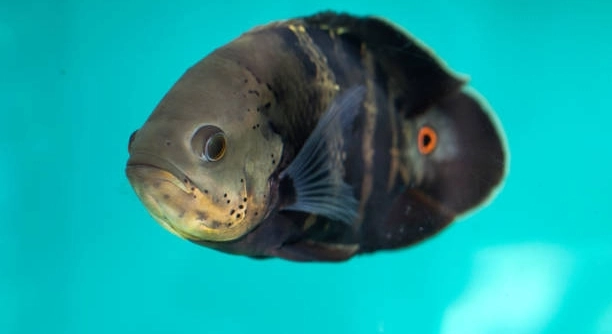
Oscar fish are often cherished for their unique personalities and vibrant colors. However, when they suddenly die without warning, it can be heartbreaking and confusing for any fish owner. Understanding the possible reasons behind such an event can provide clarity.
The sudden death of an Oscar fish can be caused by various factors, including poor water quality, stress, disease, or improper diet. It’s essential to maintain a balanced environment and regularly check the tank’s conditions to prevent such occurrences.
Learning more about how environmental factors and fish health play a role can help prevent unexpected losses. Proper care and knowledge are key to ensuring your Oscar fish thrives for years to come.
Poor Water Quality and Lack of Maintenance
One of the most common reasons for an Oscar fish’s sudden death is poor water quality. Oscars are sensitive to changes in their environment, and when the water becomes dirty or the balance of chemicals is off, they can quickly become stressed. If ammonia, nitrites, or nitrates build up in the tank, it can lead to fatal conditions for your fish. Regular water changes and consistent monitoring of the water parameters are essential to maintaining a healthy environment for your Oscar. A clean tank helps prevent the growth of harmful bacteria and parasites that could potentially harm the fish.
To keep water quality in check, test the tank regularly using water testing kits. Pay attention to the pH levels, temperature, and hardness, which can fluctuate if neglected. A well-maintained tank helps keep the fish’s immune system strong, which is key to preventing illness.
Even small lapses in water care can lead to big problems. It’s vital to establish a maintenance routine, cleaning the tank and filters regularly, and replacing water at the right intervals to ensure your Oscar fish stays healthy and thrives.
Stress from Other Fish or Environment
Stress is another significant factor affecting the health of your Oscar fish. Oscars are territorial and can become anxious if their tank is overcrowded or if they are housed with aggressive tank mates. This constant tension can lower their immunity, making them vulnerable to disease. Sometimes, changes in the tank environment, like sudden lighting shifts or a lack of hiding places, can also stress the fish.
A stressed Oscar may display erratic swimming, loss of appetite, or hiding in corners. Monitoring the behavior of your fish closely can help you identify early signs of stress, allowing you to adjust the tank setup to make them feel secure.
Introducing peaceful tank mates and ensuring the fish has plenty of space to swim and hide can prevent stress. Properly sized tanks with well-placed decorations also help create a more natural, less stressful environment for your Oscar.
Illness and Disease
Diseases can strike without warning, especially if your Oscar’s immune system is weakened by poor water conditions or stress. Common illnesses like ich, fin rot, or fungal infections can quickly cause severe damage, leading to the sudden death of your fish. Unfortunately, the early symptoms of many fish diseases are subtle, making them difficult to catch in time.
You should watch for signs such as unusual swimming behavior, faded colors, or lesions on the skin. If left untreated, these diseases can progress rapidly, making it critical to treat your fish as soon as you notice any symptoms. Quarantining sick fish and providing them with medications can prevent the disease from spreading to other tank mates.
Maintaining a high standard of water quality and providing a balanced diet will help boost your fish’s immune system. In addition, reducing stress factors in the tank can also help your Oscar fight off illness more effectively.
Improper Diet
A lack of proper nutrition is another common reason for your Oscar’s sudden death. Oscar fish require a varied diet that includes both plant-based and protein-rich foods. If they are fed too much processed food, such as pellets alone, it can lead to malnutrition and health issues. The right balance of nutrients is essential for strong immunity, proper growth, and overall well-being.
Feeding your Oscar a range of foods, such as live or frozen fish, vegetables, and occasional treats, ensures they get the necessary vitamins and minerals. Overfeeding is also an issue, as it can lead to obesity, poor water quality, and digestive problems.
By offering a varied and balanced diet and not overfeeding, you’ll help keep your Oscar fish in top health, reducing the chances of sudden death caused by poor nutrition.
Temperature Fluctuations
Temperature changes can severely impact the health of an Oscar fish. They thrive in warm water, typically between 74°F and 81°F (23°C to 27°C). Sudden shifts in temperature can cause shock, weakening the fish’s immune system and leading to illness or even death.
Oscars are particularly sensitive to rapid drops or increases in water temperature. A sudden cold snap, whether from a malfunctioning heater or drafts, can stress them out and cause respiratory or metabolic issues. Consistently monitoring the temperature with a reliable thermometer and maintaining a steady water temperature will help keep your Oscar healthy.
A heater is essential in most tanks to ensure the water temperature remains stable. If you notice any changes, adjust the heater gradually to avoid shocking the fish. Keeping the tank in a stable environment will help prevent many potential health problems.
Overcrowded Tanks
Keeping your Oscar in an overcrowded tank can lead to stress and a variety of health problems. Oscars grow quite large, often reaching 12-14 inches, and need plenty of space to swim freely. A tank that’s too small or overcrowded can increase aggression, territorial disputes, and even the spread of diseases.
In addition to the lack of space, overcrowded tanks can lead to poor water quality. With too many fish, waste levels rise quickly, which can lead to higher ammonia and nitrate levels. This puts unnecessary stress on the Oscar and other fish, often resulting in sickness.
To keep your fish healthy, it’s crucial to provide them with enough room. For a single Oscar, a minimum of a 55-gallon tank is recommended, but larger tanks are preferable. This will allow them space to swim and reduce stress levels.
Poor Tank Setup
A poorly set-up tank can be a major factor in an Oscar fish’s sudden death. Improper filtration, unsuitable decorations, and an unbalanced environment can all contribute to stress and health issues.
If the tank lacks proper filtration, waste buildup will raise ammonia and nitrate levels, which can harm your Oscar. Ensure you have an efficient filter system to maintain clean water. Also, avoid sharp decorations that could injure the fish, and give them enough places to hide.
An ideal tank setup should mimic the Oscar’s natural habitat, offering enough space, clean water, and appropriate hiding spots. Keep these factors in mind for long-term health.
Lack of Proper Tankmates
Oscar fish are territorial and can be aggressive toward other tankmates. Choosing the wrong companions can cause constant stress, leading to weakened health. It’s important to select fish that can handle the Oscar’s temperament.
Other large, peaceful fish like plecos or large cichlids are typically good tankmates. Avoid small or slow-moving fish, as the Oscar may see them as food or potential threats. Pay attention to the interactions between the fish and separate them if aggression arises.
Overfeeding
Overfeeding your Oscar fish can lead to a variety of health problems. It not only creates a mess in the tank but can also cause digestive issues and obesity. A bloated, overweight Oscar is more likely to suffer from internal problems, which can shorten its lifespan.
Feed your Oscar only as much as it can eat in a few minutes, and remove any uneaten food promptly to maintain clean water. A regular feeding schedule, using high-quality pellets or frozen food, helps keep your fish healthy without overburdening its system.
FAQ
Why did my Oscar fish stop eating?
When an Oscar stops eating, it can be a sign of stress, illness, or poor water quality. Stress from aggressive tankmates or environmental changes can make them lose their appetite. Poor water conditions, such as high ammonia or nitrite levels, can also cause this behavior. If your Oscar isn’t eating, it’s essential to check the water parameters immediately and ensure the tank is clean and stable. You may also want to observe the fish for any signs of illness, such as swelling or lesions. If everything looks fine but the behavior persists, consider reducing stress in the tank, like removing overly aggressive tankmates.
How can I tell if my Oscar is stressed?
A stressed Oscar may display erratic swimming behavior, like darting around the tank or hiding in corners. They may also stop eating, change color, or appear more aggressive than usual. Stress is often caused by water quality issues, overcrowding, or a lack of hiding places. Pay attention to any changes in behavior and environment. Adding plants or decorations for hiding spots and reducing the number of fish in the tank can help. Additionally, make sure that the tank is large enough for your Oscar to feel comfortable and not threatened.
Can Oscars live with other fish?
Yes, Oscars can live with other fish, but their aggressive nature means you must choose tankmates carefully. It’s best to pair them with other large, peaceful fish that won’t compete for territory. Suitable tankmates include large catfish, plecos, or similarly sized cichlids. Avoid small fish, as Oscars may view them as food. Aggressive or overly active fish can cause stress, leading to fights. Always observe your fish closely when introducing new tankmates and be ready to separate them if any aggression occurs.
How often should I feed my Oscar fish?
Oscar fish should be fed once or twice a day. You should provide enough food that they can eat within a few minutes. Overfeeding can lead to poor water quality and obesity, while underfeeding can cause malnutrition. A varied diet consisting of pellets, live or frozen fish, and occasional vegetables will ensure they receive the nutrients they need. Make sure to remove any uneaten food after feeding to maintain clean water. Regular feeding also helps establish a routine, which can reduce stress.
What is the best water temperature for an Oscar fish?
The ideal water temperature for an Oscar is between 74°F and 81°F (23°C to 27°C). Keeping the water in this range is important for their metabolism and overall health. If the temperature drops too low, it can slow down their immune system, making them more vulnerable to disease. On the other hand, temperatures that are too high can cause stress and accelerate the growth of harmful bacteria. Use a reliable heater to maintain a stable temperature and check it regularly with a thermometer.
How can I prevent diseases in my Oscar fish?
Preventing diseases starts with maintaining clean water, reducing stress, and providing a balanced diet. Regular water changes, testing water parameters, and cleaning the tank and filter will help keep your Oscar healthy. Additionally, avoid overcrowding the tank, as this can cause stress and facilitate the spread of diseases. Quarantining new fish before introducing them to your tank helps prevent the introduction of pathogens. Keep an eye on your Oscar’s behavior and look out for any signs of illness, such as faded color, lesions, or unusual swimming patterns.
How long do Oscar fish live?
Oscar fish can live for 10 to 15 years in a well-maintained environment. The key to a long life is providing consistent care, including proper water quality, a balanced diet, and a tank with enough space to allow them to thrive. Keeping their stress levels low and regularly checking the water parameters will help increase their lifespan. Oscars are hardy fish, but their life expectancy depends largely on the care they receive, including regular maintenance of the tank and monitoring for signs of illness.
Why is my Oscar fish swimming at the surface?
Swimming at the surface can indicate several things. If your Oscar is gulping air at the surface, it could be a sign of poor water quality, especially high ammonia or low oxygen levels. It could also indicate a problem with their gills, such as an infection or injury. Sometimes, Oscars swim at the surface simply because they are looking for food. To address this, check the water quality, ensure there is proper filtration, and observe the fish for any signs of illness. If the behavior continues, a trip to the vet may be necessary.
How can I tell if my Oscar has an infection?
Common signs of infection in Oscar fish include faded colors, white spots on the skin (like ich), frayed fins, swelling, or visible lesions. A lack of appetite and abnormal swimming can also indicate an infection. If you notice these signs, isolate the infected fish to prevent the spread of disease to other tankmates. Begin treatment immediately by adjusting water parameters and using appropriate medications. Regular water changes and a strong immune system can help your Oscar recover, but early detection is key to treating infections effectively.
Is my Oscar fish sick, or just molting?
Oscar fish do not molt like some other species, so if you see unusual shedding of skin or scales, it is likely a sign of illness. However, Oscars can have periods where they appear to “shed” their outer layers due to stress or after a fight with another fish. Look for other symptoms like discoloration, lesions, or a lack of appetite to determine if your fish is sick. If you see any of these signs, check the water quality and monitor the fish closely for further symptoms. Consult a vet if the problem persists.
How do I keep my Oscar tank clean?
Keeping your Oscar tank clean involves regular maintenance, including water changes, cleaning the filter, and removing debris. You should change 20-30% of the water every 1-2 weeks to maintain good water quality. Clean the substrate to remove uneaten food and waste that can lead to high ammonia levels. Make sure the filter is functioning properly and clean it every month. Use a gravel vacuum to remove waste from the substrate without disturbing the tank too much. A clean tank will help reduce the risk of disease and stress for your Oscar.
Final Thoughts
Taking care of an Oscar fish requires dedication and attention to detail. These vibrant and intelligent creatures can be a joy to own, but they do have specific needs that must be met to keep them healthy and happy. A proper tank setup, clean water, and the right diet are all crucial factors in ensuring that your Oscar thrives. Regular water changes and monitoring of the water parameters are essential, as poor water quality can quickly lead to health problems for your fish. It’s also important to create a stress-free environment, as stress can weaken their immune system and make them more prone to illness.
When it comes to Oscar care, prevention is key. Being proactive about tank maintenance and being aware of any changes in behavior can help you spot potential issues before they become serious. For example, if your Oscar stops eating or begins swimming erratically, it could be a sign of poor water conditions or stress. Addressing these issues early on is the best way to avoid serious health concerns. Additionally, offering a varied and balanced diet will ensure your Oscar receives the nutrients it needs to stay strong. Overfeeding should be avoided, as it can lead to water quality issues and obesity, both of which can negatively impact the fish’s health.
Ultimately, your Oscar’s well-being depends on a combination of factors, from the tank size and water temperature to the types of tankmates you choose. With the right care, your Oscar fish can live a long and healthy life, providing years of enjoyment. While there may be challenges along the way, a little extra effort in maintaining their environment will go a long way in keeping them happy. By staying informed and being attentive to their needs, you can prevent many common issues and ensure your Oscar remains a vibrant and healthy part of your aquarium.

Hello,
If you enjoy the content that we create, please consider saying a "Thank You!" by leaving a tip.
Every little bit helps us continue crafting quality advice that supports the health, happiness, and well-being of pets around the world, for pets of all shapes, sizes, and species.
We really appreciate the kindness and support that you show us!