
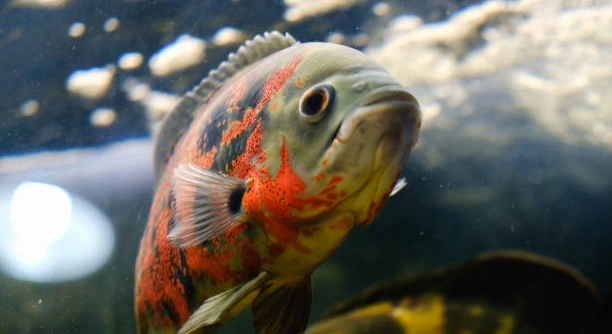
Oscar fish are known for their active and curious nature, but sometimes, they can stop interacting with their surroundings. This sudden change in behavior can be puzzling for many fish owners, leading to concerns.
The most common reasons for an Oscar fish to stop interacting include stress, illness, or environmental changes. A sudden shift in water conditions, temperature, or the introduction of new tankmates can cause them to withdraw.
Understanding the root causes of this behavior can help you address the issue quickly. By assessing your fish’s environment, diet, and overall health, you can find effective solutions to encourage your Oscar fish to interact again.
Stress and Environmental Changes
Oscar fish are highly sensitive to changes in their environment. Even small adjustments can cause them to stop interacting. This could include changes in water temperature, pH levels, or the presence of new fish. A stressful situation might make them feel unsafe or anxious, causing them to hide more than usual.
If you’ve recently introduced new tankmates or moved the tank, it might have unsettled your Oscar fish. They might need time to adjust to their new surroundings. Additionally, overcrowded tanks or lack of hiding spots can lead to stress. Make sure the water is clean and at the right temperature to prevent stress from being the main issue.
Stress can also come from loud noises or vibrations outside the tank. Even if you think your environment is calm, things like nearby traffic, strong lighting, or frequent movement in the room could be unsettling. Regularly check the tank’s temperature, filtration system, and surroundings to help ease any tension your fish may be feeling.
Illness and Health Problems
When Oscar fish stop interacting, it could be a sign of illness. They may not feel up to being active if they’re not feeling well. Symptoms of sickness include a lack of appetite, abnormal swimming behavior, or visible sores.
A sudden change in behavior might indicate internal or external parasites, fungal infections, or other diseases. It’s important to monitor their health closely. Look for any signs such as white spots, abnormal growths, or changes in skin color. If you notice these signs, consult a veterinarian with experience in fish care.
Keeping your tank clean and offering the right type of food helps your fish stay healthy. Oscars are known for being aggressive eaters, so ensuring a proper diet can improve their overall health. Healthy fish tend to be more interactive, so paying attention to these factors is key.
Water Quality and Tank Conditions
Water quality is crucial to your Oscar fish’s well-being. If the water is too dirty or the conditions are off, your fish may stop interacting. Oscars produce a lot of waste, and without proper filtration, the water can quickly become polluted. Regular water changes and a good filtration system are necessary for maintaining clean water.
Check the water parameters regularly. The temperature should be between 74°F to 81°F, and the pH level should be between 6.5 and 7.5. Ammonia and nitrite levels should be at zero, as even small amounts can stress your fish. Poor water quality can cause Oscar fish to withdraw and show signs of illness.
A clean, well-maintained tank will not only keep your fish healthy but also promote better activity levels. If your Oscar fish are showing signs of stress, the water conditions are one of the first places to check.
Tankmates and Social Interactions
Oscar fish are territorial, and conflicts with tankmates could be a reason for their change in behavior. They may stop interacting if they feel threatened or challenged by other fish. If there has been an introduction of new fish or rearrangement of the tank layout, this could trigger withdrawal.
Oscars often do better in tanks with fewer, larger companions that won’t invade their space. Adding aggressive or overly active fish can result in stress and even bullying. On the other hand, keeping them alone might also affect their social behavior, as they are naturally curious and sometimes enjoy the company of others.
It’s important to observe the interactions between all the fish in the tank. If you notice that your Oscar is hiding or avoiding other fish, it might be time to separate them. Ensuring the right mix of tankmates and offering hiding spots can help your Oscar feel safe and more likely to interact.
Tank Size and Space
A tank that is too small for your Oscar fish can lead to inactivity. Oscars are large fish that need plenty of space to move around. If your tank is overcrowded, your fish might become stressed and stop interacting as much.
Oscar fish typically need a minimum of 55 gallons for a single fish, with larger tanks being even better. They require enough space to swim freely without feeling restricted. A cramped tank can lead to poor water quality, reduced oxygen levels, and increased aggression among tankmates. If your Oscar fish seems sluggish or withdrawn, consider upgrading the tank size.
Providing sufficient space also promotes natural behaviors like exploring, interacting with tankmates, and hunting for food. If your tank is too small, your fish may become lethargic or hide, avoiding any interaction. Expanding the space will improve your Oscar’s overall well-being and activity levels.
Feeding and Diet
A proper diet plays a huge role in your Oscar fish’s behavior. If they’re not getting the right nutrients, they might stop interacting with their environment. Poor nutrition can lead to lethargy and health issues.
Oscar fish are carnivores and need a varied diet to stay active. Feeding them high-quality pellets, live food, and occasional treats like shrimp or worms ensures they receive the vitamins and minerals they need. If you notice your Oscar becoming less active or uninterested in food, this could be a sign that their diet needs improvement.
It’s essential to monitor how much your fish is eating. Overfeeding can lead to obesity, which will make them less energetic. On the other hand, underfeeding can result in weakness and poor health. A balanced diet helps keep your fish vibrant, healthy, and interactive.
Lighting and Tank Environment
The lighting in your tank can significantly affect your Oscar fish’s behavior. Too much light or sudden changes in lighting can cause stress, leading them to withdraw.
Oscar fish prefer a balanced light environment. Bright, intense lights can make them feel exposed or vulnerable, especially if they don’t have plenty of hiding spots. Dimmer, more natural lighting tends to make them feel safer, encouraging interaction. Try adjusting the lighting to find a balance that suits your fish’s needs.
If you’ve recently changed the light schedule or intensity, this could explain why your Oscar has stopped interacting. Gradually adjusting lighting conditions will help your fish feel more comfortable and active.
Tank Decorations and Hiding Spots
Adding decorations to your tank can help your Oscar fish feel secure. However, overcrowding the tank with too many decorations can limit their swimming space, leading to stress.
Ensure there are enough hiding spots for your Oscar fish, but not so many that they feel trapped or unable to move around freely. Rocks, caves, and plants can provide shelter, but they should be spaced out to allow your fish to swim easily. A few well-placed decorations can create a comfortable environment for your Oscar.
A balance between open space and secure hiding spots will help your fish feel safe and encourage more activity.
Breeding Behavior
Breeding behavior can cause an Oscar fish to stop interacting with its environment. If your Oscar is preparing to breed, it might become more territorial and withdrawn.
Oscar fish become particularly active during breeding, but afterward, they may seem distant or protective. If you notice your fish acting unusually quiet or staying in one area, it could be a sign of breeding behavior. These changes are normal, but the fish may stop interacting with other tankmates and spend more time in hiding.
FAQ
Why did my Oscar fish stop eating?
Oscar fish may stop eating for several reasons. Stress, water quality issues, illness, or an improper diet are common causes. Stress can arise from poor tank conditions, the introduction of new tankmates, or a change in the environment. If the water quality isn’t up to standard, Oscars might lose their appetite. Make sure the water is clean, properly filtered, and within the right temperature range.
Another possible cause is illness, which could make your fish feel too weak or uncomfortable to eat. If your Oscar seems lethargic or has visible signs of disease like white spots, sores, or faded colors, a visit to an aquatic vet might be necessary. Finally, if your Oscar fish is bored or unsatisfied with its food, consider offering a wider variety of live food or high-quality pellets to stimulate its appetite.
How do I know if my Oscar fish is stressed?
Stress in Oscar fish can manifest in different ways. The most noticeable sign is a sudden change in behavior. If your Oscar is hiding more often, swimming erratically, or not interacting as it usually would, it might be stressed. Stress can also cause a lack of appetite or changes in coloration.
You might also notice your Oscar becoming more aggressive, either toward tankmates or even itself if it’s seeing its reflection in the glass. Stress can also be caused by poor water quality, incorrect temperature, overcrowding, or aggressive tankmates. Regularly check your tank’s water parameters and ensure there’s plenty of space for your fish to feel safe.
Can I put other fish with my Oscar?
While Oscar fish can live with other tankmates, they are known for being territorial and aggressive, especially as they grow. If you’re planning to keep other fish with your Oscar, be sure to select species that are large enough to handle its temperament. Fish like large cichlids, silver dollars, or large plecos often make good companions.
However, smaller fish or timid species may become targets for your Oscar, especially if it feels its territory is threatened. Additionally, the tank should be large enough to provide each fish with enough space to avoid conflicts. Always keep a close eye on your Oscar’s behavior when introducing new tankmates.
How can I make my Oscar fish feel more comfortable?
To make your Oscar fish feel comfortable, ensure the tank is large enough to accommodate its size and natural behavior. Oscars require at least a 55-gallon tank, but larger is always better. Providing hiding spots with rocks, caves, or plants can help them feel safe.
Maintaining stable water conditions is crucial. Regularly check the temperature (74°F to 81°F) and pH level (6.5 to 7.5). Keep the water clean with a reliable filtration system and perform regular water changes to avoid high levels of ammonia or nitrite. Reducing stressors, like loud noises or bright lights, can also make a big difference in their comfort level.
Is it normal for my Oscar fish to be aggressive?
Yes, aggression is a normal trait in Oscar fish. They are territorial by nature and can become aggressive toward other fish, especially during breeding seasons or if they feel their space is being invaded. Oscar fish are also known to show aggression when they are stressed or feel threatened by changes in their environment.
To reduce aggression, make sure your Oscar has enough space in the tank. You may need to separate aggressive Oscars from other fish, or rearrange the tank to break up territorial boundaries. Some Oscar fish prefer to be alone and may show aggression to any new tankmates.
How do I care for a sick Oscar fish?
If your Oscar fish shows signs of illness, the first step is to identify the symptoms. Look for changes in its behavior, appearance, or eating habits. Common symptoms include faded colors, clamped fins, unusual swimming patterns, or lesions on the body.
To care for a sick Oscar, start by improving water quality. Perform a partial water change and check the filtration system. If you suspect an illness like a parasite or bacterial infection, consult a veterinarian or purchase a specific treatment from a pet store. Keep the sick Oscar in a separate quarantine tank to prevent spreading disease to other fish.
Why is my Oscar fish swimming at the top of the tank?
If your Oscar fish is swimming at the top of the tank, it could indicate several possible issues. One common reason is low oxygen levels in the water. When there’s not enough oxygen, fish will often swim near the surface where the air exchange occurs.
Another possibility is that your Oscar fish is looking for food, as they are often seen near the top when hungry. If your fish has recently started this behavior, check the water parameters to ensure it’s healthy. In some cases, gasping or swimming near the surface could be a sign of stress or illness, so pay close attention to other symptoms.
How often should I feed my Oscar fish?
Oscar fish should be fed once or twice a day, depending on their age and size. Young Oscars may need smaller, more frequent meals to support their growth. As they mature, you can feed them larger portions, but try not to overfeed.
Oscars are carnivores and thrive on a diet of high-quality pellets, live or frozen foods like shrimp, worms, or small fish. Ensure the food is appropriately sized and always remove any uneaten food to prevent water pollution. Stick to a regular feeding schedule to keep your Oscar healthy and happy.
Can Oscar fish live alone?
Oscar fish can live alone and may even prefer it. They are solitary creatures by nature and can become aggressive toward tankmates, especially when they feel their space is threatened. While they may tolerate other fish in large tanks, many Oscar owners choose to keep them in individual tanks to avoid conflicts.
If you decide to keep an Oscar alone, make sure the tank is large enough (at least 55 gallons) and well-maintained. Oscars can live for 10 to 15 years, so be prepared to commit to long-term care for a solitary fish.
How do I prevent my Oscar fish from getting sick?
The best way to prevent illness in your Oscar fish is to maintain a healthy and stable environment. Regularly check the water quality, including temperature, pH, and ammonia levels. Perform regular water changes to keep the tank clean and reduce stress on your fish.
Feeding a varied and nutritious diet also supports your Oscar’s immune system. Avoid overcrowding the tank and ensure your fish have enough space to swim freely. Finally, monitor your fish for any signs of illness and treat any problems promptly to prevent them from becoming more serious.
Final Thoughts
Understanding why your Oscar fish has stopped interacting is important for their well-being and your peace of mind. As you’ve learned, there are several factors that can affect their behavior, from stress and poor water quality to changes in their environment or tankmates. Each of these issues can make your Oscar fish feel unsettled, leading to reduced activity and interaction. The key to resolving the issue is closely monitoring your fish’s behavior and environment, addressing any potential stressors, and ensuring their tank is properly maintained.
By taking care of the basic aspects such as water quality, tank size, and temperature, you can create a comfortable and healthy environment for your Oscar fish. Making sure they have the right amount of space and proper hiding spots can help reduce stress. Keeping the tank clean and maintaining stable water parameters is vital for keeping your fish happy and active. If you’ve recently made changes to the tank or added new fish, it’s worth observing how your Oscar reacts and adjusting the setup if necessary.
In the end, patience and consistency are key when caring for an Oscar fish. If your fish continues to show signs of withdrawal despite addressing these issues, it may be a sign of illness. In such cases, seeking advice from an experienced veterinarian who specializes in fish care can provide more targeted solutions. With the right care, your Oscar fish should return to its usual, interactive self, bringing back the lively and engaging presence you once enjoyed.

Hello,
If you enjoy the content that we create, please consider saying a "Thank You!" by leaving a tip.
Every little bit helps us continue crafting quality advice that supports the health, happiness, and well-being of pets around the world, for pets of all shapes, sizes, and species.
We really appreciate the kindness and support that you show us!