
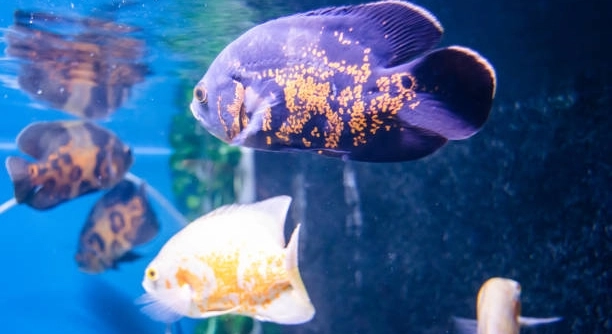
Oscar fish are often lively and interactive pets, but there may be times when they stop engaging with you. It can be concerning to notice this change in behavior, especially if your fish has always been active before.
The main reason your Oscar fish may stop interacting is stress or changes in its environment. Factors like water quality, tank size, and tank mates can all affect their behavior and cause them to withdraw.
Understanding the causes behind this shift in behavior can help you make the necessary adjustments to ensure your Oscar fish thrives once again.
Changes in Water Quality
Water quality is one of the most important factors affecting the behavior of your Oscar fish. If the water conditions aren’t ideal, they may become stressed and stop interacting. Oscar fish are sensitive to changes in pH, temperature, and ammonia levels. Poor water quality can lead to a variety of health issues, such as lethargy or loss of appetite, which can make your fish less social.
Checking the water regularly is essential to ensure your fish stays healthy. Make sure the temperature is within the right range, usually between 74°F and 81°F, and that the water pH is around 6.5 to 7.5. High levels of ammonia or nitrites can be harmful, so keeping your tank well-filtered and performing regular water changes can help prevent these issues.
If the water quality is poor, your Oscar fish may retreat to a corner of the tank or stop showing interest in human interaction. This can be a sign that they are not feeling comfortable or are struggling to adapt to their environment. Fixing the water conditions can help bring your fish back to its active self.
Tank Size and Space
Oscar fish need space to thrive. If the tank is too small, it can cause stress and affect their behavior. A cramped tank can make your Oscar feel trapped and less likely to engage.
To ensure your Oscar fish remains active and healthy, provide them with enough space to swim freely. A minimum tank size of 55 gallons is recommended for one Oscar, but larger tanks are always better. If your tank is overcrowded or too small, your fish may feel territorial or anxious, leading to a lack of interaction.
In addition to space, make sure there are plenty of hiding spots or decorations in the tank. Oscar fish can get stressed if they feel exposed or vulnerable. Providing a balanced environment with space to swim and places to hide will help your Oscar feel secure, leading to better behavior and increased social interaction.
Tank Mates and Compatibility
Oscar fish can sometimes stop interacting due to conflicts with tank mates. These fish are territorial and may become aggressive, especially if they feel their space is being invaded. If your Oscar is sharing the tank with fish that aren’t compatible, it may retreat and avoid contact.
When selecting tank mates for your Oscar, it’s important to choose fish that are large enough to avoid being bullied but also peaceful enough to coexist with your Oscar. Smaller or less aggressive fish might be bullied or chased, which can lead to a stressed and withdrawn Oscar. On the other hand, aggressive tank mates may cause your Oscar to become defensive, making it less likely to interact with you.
If your Oscar has stopped interacting, it could be a sign of stress from tank mate conflicts. Assess the situation and consider either removing aggressive fish or providing more space to reduce tensions. Proper tank mate compatibility can help your Oscar feel more comfortable and willing to engage.
Stress and Overcrowding
Overcrowding in the tank can cause stress for your Oscar fish. When there are too many fish in a small space, the water quality can suffer, and your Oscar may feel threatened or uncomfortable. This stress can result in a lack of interaction.
When overcrowding occurs, your Oscar may stop being active or engaging because it’s trying to avoid other fish. This can lead to a decrease in its energy levels. With too many fish, Oscar fish may also feel the need to defend their territory, causing them to retreat and avoid human interaction. To prevent this, it’s important to ensure your tank has the right amount of space for all its inhabitants.
A well-balanced tank with fewer fish will allow your Oscar to thrive. Reducing the number of tank mates or upgrading to a larger tank will give your Oscar more room to swim and feel safe. Stress from overcrowding can be a major factor in your fish’s behavior, so be mindful of the tank’s population size to maintain a peaceful environment.
Health Issues
If your Oscar is sick or experiencing health problems, it may stop interacting as it becomes lethargic or focused on recovering. Illness can significantly impact their behavior, leading to a lack of interest in their surroundings.
Health issues in Oscar fish can manifest in various ways, including reduced activity, loss of appetite, or hiding. Common health problems include parasites, fungal infections, or swim bladder disease. These conditions can cause your Oscar to appear withdrawn and uninterested in interacting with you. It’s crucial to monitor for signs of illness, such as abnormal swimming patterns or visible lesions, and address the issue promptly.
Treating health problems promptly can help restore your Oscar’s behavior. If your fish is showing signs of sickness, try isolating it in a quarantine tank to prevent any spread of illness. Consult a veterinarian or fish expert to help identify the issue and provide proper treatment. Healthy fish are more likely to return to their lively, interactive selves once they feel better.
Environmental Changes
Any sudden changes in the environment can affect your Oscar’s behavior. Even small shifts in temperature, lighting, or tank decorations can cause stress. This can lead to your Oscar stopping its usual interactions. It’s important to keep their environment as consistent as possible.
When you make any changes to the tank, it’s vital to do so gradually. Sudden changes, such as changing the temperature too quickly or adding new objects, can disrupt your fish’s comfort level. For instance, moving tank decorations or adjusting the lighting might make your Oscar feel unsafe, causing it to retreat and become less social.
Keep in mind that Oscars are creatures of habit. The more stable their environment, the more relaxed they will feel. To help your Oscar get back to its usual self, avoid making drastic changes all at once and allow your fish time to adjust to any new conditions.
Feeding Habits
If your Oscar is not eating properly, it could indicate stress or illness. Changes in feeding habits might lead to withdrawal or lack of interaction. Keeping a regular feeding schedule is important for both physical and behavioral health.
It’s essential to offer a balanced diet that meets your Oscar’s needs. Oscars are carnivores and need high-protein foods like fish, shrimp, or specially formulated pellets. Overfeeding or underfeeding can lead to health problems and a decrease in activity levels. By providing consistent, nutritious meals, you’ll help your Oscar feel better and more engaged.
Lighting and Tank Placement
Lighting plays a big role in your Oscar’s behavior. If the tank is too bright or too dim, it can affect their comfort. Similarly, the location of the tank itself can impact how your Oscar feels.
Oscars prefer dimmer lighting that mimics their natural habitat. If your tank is placed in a high-traffic area with excessive light, it might cause stress and discomfort. Similarly, if the tank is in a spot where vibrations or loud noises are common, it can disrupt their peace. Adjusting the lighting and ensuring the tank is in a quiet, stable location can help restore your Oscar’s behavior and interactions.
FAQ
Why has my Oscar fish suddenly become inactive?
There could be several reasons why your Oscar fish has become inactive. The most common reasons include poor water quality, stress, health issues, or changes in the environment. Check the water parameters like temperature, pH, and ammonia levels. Make sure your fish isn’t facing any aggression from tank mates and that it has enough space to swim. If your Oscar is showing signs of illness such as lack of appetite or abnormal swimming, it’s crucial to treat any potential health problems as soon as possible.
Can an Oscar fish stop interacting due to tank mates?
Yes, Oscar fish can stop interacting if there are conflicts with their tank mates. Oscars are territorial and might become stressed if they feel crowded or threatened by other fish. If the tank mates are too aggressive or small enough to be seen as prey, your Oscar may withdraw and stop interacting. Ensuring compatibility among tank mates is key to reducing stress and encouraging social behavior from your Oscar.
What are the signs that my Oscar is stressed?
Stress in Oscar fish can show through various behaviors. Common signs include hiding, reduced movement, lack of appetite, or aggression toward other fish. Your Oscar may also appear to be swimming erratically or constantly staying in one corner of the tank. Stress can be caused by poor water quality, overcrowding, aggressive tank mates, or environmental changes. Identifying the cause of stress early can help restore your Oscar’s active behavior.
How can I improve the water quality for my Oscar fish?
To improve water quality for your Oscar fish, ensure proper filtration and perform regular water changes. Test the water regularly for ammonia, nitrites, and nitrates. Make sure the water temperature is between 74°F and 81°F, and maintain a pH level of around 6.5 to 7.5. If the water is too polluted, it can cause stress and illness, leading your Oscar to stop interacting. Regular water changes and tank maintenance are key to keeping your fish healthy and active.
Is it normal for my Oscar to stop interacting when I make changes to the tank?
Yes, it is normal for your Oscar fish to become less interactive after changes are made to the tank. They are creatures of habit and may feel stressed or insecure if you suddenly change the tank’s layout, temperature, or lighting. It’s important to introduce changes gradually so your Oscar has time to adjust. This will help reduce stress and encourage your fish to resume its usual behavior.
What should I do if my Oscar fish is sick and not interacting?
If your Oscar is sick and not interacting, it’s important to first identify any signs of illness, such as abnormal swimming, spots on its body, or loss of appetite. You may need to quarantine your Oscar in a separate tank to prevent spreading illness to other fish. Consult with a veterinarian or a knowledgeable fish expert to determine the cause and find the appropriate treatment. Proper care and treatment will help your Oscar return to its lively self.
How can I help my Oscar feel less stressed in the tank?
To reduce stress in your Oscar, ensure it has enough space to swim and that the water conditions are optimal. Keep the tank clean with regular water changes, and avoid overcrowding. Provide hiding spots or plants to make your fish feel secure. Additionally, maintain a peaceful environment by choosing compatible tank mates and placing the tank in a quiet area of the home. A stress-free environment will encourage your Oscar to interact more with you.
Does my Oscar fish need a lot of interaction to be happy?
While Oscar fish enjoy interaction, they are not as social as some other fish species. They will interact with you, especially if they feel comfortable, but they are primarily solitary creatures and may spend a lot of time swimming alone or exploring their tank. However, ensuring their environment is stimulating and healthy is more important for their happiness than constant interaction. Regular feeding and maintaining a safe, clean tank will make your Oscar feel at ease.
How can I tell if my Oscar is happy?
A happy Oscar fish typically exhibits active swimming and curiosity. It will often swim around the tank, explore its environment, and engage with you when you approach. A healthy Oscar also shows a good appetite and strong color. If your Oscar is interacting with you and other tank elements, like feeding or exploring, it’s likely content. However, if it’s hiding, swimming erratically, or avoiding contact, it may be a sign of stress or discomfort.
Why is my Oscar fish hiding all the time?
Hiding behavior in Oscar fish can indicate stress, illness, or discomfort in the tank. If the water quality is poor or if the fish feels threatened by tank mates, it may seek out hiding spots. Oscars also hide when they’re unwell or trying to avoid predators. Check the water conditions, the tank’s environment, and its tank mates to see if any factors are causing stress. Ensuring a stable environment and providing proper care will help your Oscar feel more comfortable and less likely to hide.
Can lighting affect my Oscar’s behavior?
Yes, lighting can affect your Oscar’s behavior. Oscars prefer dimmer lighting, as bright lights may cause them stress. If the tank is too brightly lit, your Oscar may become more anxious or withdrawn. Try adjusting the lighting to a more natural setting, providing a gentle and calming effect. You may also want to ensure that the tank isn’t exposed to excessive sunlight, which can raise the water temperature and cause stress.
Final Thoughts
Understanding why your Oscar fish has stopped interacting is crucial to maintaining a healthy and happy aquarium. Oscars are sensitive creatures that require a stable environment to feel safe. Factors like water quality, tank size, and tank mates all play a role in their behavior. If any of these aspects change suddenly, your Oscar may become stressed, which can lead to reduced interaction. Keeping the tank clean, making sure the water is balanced, and ensuring that your fish has enough space will help it thrive. Regular monitoring of these elements can prevent stress and encourage your Oscar to stay active and engaged.
Additionally, it’s important to recognize that your Oscar’s lack of interaction might be a sign of illness. If your fish has stopped interacting and is showing other signs of sickness, such as abnormal swimming or loss of appetite, it’s important to treat it as soon as possible. Ignoring potential health problems could lead to further stress or even worsen the situation. Providing a proper diet and ensuring the tank is free from harmful bacteria or parasites will keep your Oscar healthy. If necessary, consult a veterinarian or fish expert to help diagnose and treat any conditions your Oscar might be facing.
Lastly, patience plays a big role in restoring your Oscar’s behavior. Changes in the tank’s environment or new tank mates may cause temporary stress, but with proper care and time, your Oscar should adapt and return to its usual self. Avoid making too many sudden changes, and give your Oscar the space it needs to feel secure. By creating a peaceful environment, providing appropriate tank mates, and maintaining excellent water quality, you’ll ensure that your Oscar remains a healthy, happy, and interactive part of your aquarium for years to come.

Hello,
If you enjoy the content that we create, please consider saying a "Thank You!" by leaving a tip.
Every little bit helps us continue crafting quality advice that supports the health, happiness, and well-being of pets around the world, for pets of all shapes, sizes, and species.
We really appreciate the kindness and support that you show us!