
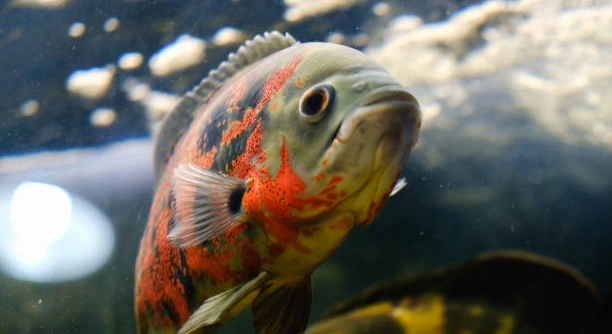
Oscar fish are known for their striking colors and active behavior. However, there are times when these vibrant creatures may stop eating suddenly, which can leave you feeling concerned. Understanding why this happens is key to resolving the issue.
There are various reasons why an Oscar fish may stop eating, including stress, illness, poor water quality, or changes in their environment. Identifying the underlying cause will help address the issue and get your fish back to eating regularly.
Understanding these potential causes and how they impact your Oscar fish’s health can help you take the necessary steps to restore its appetite.
Stress and Anxiety Can Affect Your Oscar Fish
Stress is a common reason for your Oscar fish to stop eating. Changes in their environment, such as a new tank mate, loud noises, or frequent movements, can cause anxiety. Oscar fish are sensitive to disturbances and may refuse food as a reaction to stress. Even something as simple as changing their routine can upset them. Stress can also weaken their immune system, making them more vulnerable to illness. If you notice any signs of stress, such as hiding or erratic swimming, it’s important to address the root cause quickly to help them feel secure again.
Ensuring your fish’s tank environment is stable will go a long way in keeping them comfortable. Keep the lights low and avoid frequent changes.
Consider checking your fish’s tank setup. Changes like overcrowding, sharp decorations, or too many tank mates can create tension. It’s important to keep their space calm, quiet, and consistent. Avoid overfeeding or overcrowding to minimize stress levels.
Poor Water Quality
Your Oscar fish may stop eating if the water quality in their tank is poor. High levels of ammonia, nitrites, or nitrates can cause discomfort and even health issues for your fish. Regular water testing is essential to maintain a healthy environment. If you notice your fish acting lethargic or staying near the surface, it’s a sign that the water might not be ideal.
Water changes should be done regularly, especially if you notice any changes in your fish’s behavior. Oscar fish require clean, well-filtered water to thrive. Ensure the filtration system is working properly, and perform partial water changes weekly. This helps maintain the proper chemical balance in the tank.
The temperature is another factor to monitor. Oscars prefer water between 74°F and 81°F (23°C to 27°C). If the water is too cold or too hot, it can cause stress and affect their appetite. Make sure the tank heater is functioning well, and always check the temperature regularly to avoid fluctuations. Clean water and the right temperature are key to encouraging your Oscar fish to eat again.
Illness or Injury
An Oscar fish may lose interest in food if it’s sick or injured. Common issues like internal parasites, bacterial infections, or wounds can cause them to stop eating. Keep an eye out for any changes in their behavior, such as swimming oddly or staying in one spot. If your fish has visible injuries, you should immediately address the problem to prevent further harm.
It’s important to isolate the fish if you suspect illness or injury. You can use a quarantine tank for treatment while observing symptoms. Look for signs like faded colors, swelling, or abnormal growths on the body. If there are no visible signs, the fish might be suffering from an internal issue, so it’s best to consult a veterinarian who specializes in aquatic life.
Depending on the diagnosis, you may need to treat your fish with medication. Medications for parasites or bacterial infections are available in pet stores or online. Be sure to follow the instructions carefully to avoid harming your fish while trying to improve their health. If the issue is an injury, make sure the fish is not being harassed by other tank mates.
Feeding Schedule Issues
Your Oscar fish might stop eating if there’s a change in their feeding schedule. They thrive on consistency, and a disrupted routine can cause confusion. Try to feed them at the same time each day to build a habit. Skipping feedings or feeding them irregularly may result in them losing interest in food.
Feeding your Oscar too much or too little can also impact their appetite. If overfed, they may become disinterested in eating at all. On the other hand, if they don’t get enough food, they might be too stressed to eat. A balanced, regular feeding routine is key to keeping them healthy.
Tank Mates
Oscar fish can become stressed if they’re housed with aggressive or territorial tank mates. If another fish is bullying or competing for food, your Oscar may stop eating. Make sure your fish are compatible with others in the tank to minimize tension.
You should also watch for signs of dominance and aggression in the tank. If one fish consistently chases others, it’s best to separate them. Oscars need space to feel comfortable, so providing them with enough room can make a big difference. Consider adjusting your tank setup if necessary.
Water Temperature Fluctuations
Oscars are sensitive to temperature changes. A sudden shift in the water’s temperature can make them uncomfortable, which might cause them to stop eating. Keep the water stable within the ideal range of 74°F to 81°F. Use a heater with a reliable thermostat to maintain a consistent temperature.
If the temperature fluctuates frequently, it might be a sign that your heater is malfunctioning. It’s important to regularly monitor the tank’s temperature with a thermometer. Even minor changes in temperature can stress your Oscar, leading to a loss of appetite.
FAQ
Why is my Oscar fish not eating after being introduced to a new tank?
It’s normal for your Oscar to be hesitant about eating after being moved to a new tank. The change in environment can be stressful, and it may take time for your fish to adjust. Make sure the new tank is set up properly with good water quality, temperature, and no sudden changes. Allow your fish time to explore and get comfortable in their new home. Once they feel secure, they should begin eating again.
Can my Oscar fish stop eating because of too much light in the tank?
Yes, excessive lighting can stress your Oscar fish. Oscars prefer dimmer lighting and can become anxious if the tank is too bright or if lights are left on for too long. Consider using softer lighting or reducing the light duration to around 10-12 hours a day. It can help create a more relaxed environment for your fish, which might encourage eating.
How long can an Oscar fish go without eating?
An Oscar fish can survive for about a week without food, but it depends on their health and size. If your fish hasn’t eaten for several days, it’s important to figure out the reason behind the loss of appetite and try to address it. Prolonged periods without food could lead to health problems.
Could my Oscar fish be sick if it’s not eating?
Yes, illness is one of the most common reasons why an Oscar fish stops eating. Look for signs of disease such as faded color, abnormal swimming, or bloating. It could be a bacterial infection, parasites, or an internal issue. If you suspect illness, isolate the fish, check the water quality, and treat with appropriate medications.
Is it normal for my Oscar fish to stop eating during a water change?
Some Oscar fish may stop eating immediately after a water change, especially if the process causes stress. If you disturb the tank too much, it can unsettle the fish. Try to minimize stress by making gradual changes to the water, ensuring the temperature and pH are stable, and avoid overfeeding just before or after a water change.
How do I know if my Oscar is stressed or sick?
Stressed Oscars might display erratic swimming, hiding, or refusing to eat. If your fish shows signs like rapid gill movement, staying in one spot for long periods, or abnormal behavior, it could be a sign of stress or illness. If the symptoms persist, it’s best to examine the water quality and check for other signs of disease.
Can my Oscar fish stop eating if they’re being overfed?
Yes, overfeeding can make your Oscar fish lose interest in food. If you provide too much food, your fish may become overwhelmed and refuse to eat. Ensure you are feeding them the right portion size once or twice a day. It’s better to underfeed slightly than overfeed, as uneaten food can also affect water quality.
Can I try different foods to encourage my Oscar to eat?
Yes, trying different foods can help reintroduce your Oscar to eating. If your fish refuses its usual food, you might want to offer a variety of options like live food, pellets, or frozen foods such as shrimp or bloodworms. Some Oscars might prefer one type of food over another, so experimenting with different options could spark their appetite.
How can I tell if my Oscar has a healthy appetite?
A healthy Oscar will eagerly eat their food and show a healthy interest during feeding time. They will have consistent eating habits and not refuse food for long periods. A healthy Oscar will also appear active and energetic in the tank, with no signs of lethargy or weight loss.
Could my Oscar fish stop eating because of water temperature issues?
Yes, if the water temperature is outside of your Oscar’s preferred range of 74°F to 81°F (23°C to 27°C), it can cause them to stop eating. They may become sluggish or stressed if the water is too cold or too hot. Keep an eye on the water temperature and make adjustments as needed.
What should I do if my Oscar fish stops eating for an extended period?
If your Oscar stops eating for more than a few days, it’s important to evaluate its health. Check the water quality, temperature, and tank environment to ensure everything is ideal. If the issue persists, consider consulting an aquarium vet to diagnose any potential health problems and provide treatment.
Final Thoughts
When your Oscar fish stops eating suddenly, it can be a stressful experience. There are many potential reasons behind this, from water quality and stress to illness or feeding issues. It’s important to carefully observe your fish’s behavior and the tank environment to identify any changes or problems that might be affecting their appetite. By paying attention to these factors, you can take steps to improve the situation and help your fish get back to eating.
Keeping a consistent routine for feeding and water changes is essential in maintaining a healthy environment for your Oscar. Stressful situations, like changes in the tank setup, too much noise, or incompatible tank mates, can lead to a loss of appetite. By keeping things stable and calm, you help create a space where your fish can feel secure and comfortable. Regular water testing and maintenance also ensure that the water quality stays within the right parameters for your Oscar’s health.
If your Oscar’s loss of appetite continues despite checking water quality and eliminating potential stressors, it may be a sign of illness. In such cases, it’s best to isolate your fish and observe any symptoms, like changes in behavior or visible marks on the body. You may need to treat your fish with medications specific to the issue, but always monitor the situation closely. A healthy Oscar should regain its appetite once the underlying issue is addressed. If needed, consulting an expert or aquatic veterinarian can guide you through the next steps for proper treatment and recovery.

Hello,
If you enjoy the content that we create, please consider saying a "Thank You!" by leaving a tip.
Every little bit helps us continue crafting quality advice that supports the health, happiness, and well-being of pets around the world, for pets of all shapes, sizes, and species.
We really appreciate the kindness and support that you show us!