
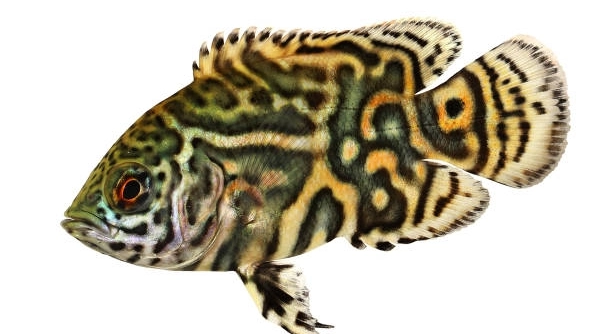
Oscar fish are popular for their personality, but when they start swimming upside down, it can be concerning. This unusual behavior often signals an underlying issue that may require attention to ensure their well-being.
The main reason an Oscar fish may swim upside down is due to swim bladder disorder. This condition affects their buoyancy and can be caused by overfeeding, stress, or water quality issues. Immediate action is necessary to diagnose and treat the problem.
Addressing swim bladder disorder and understanding its causes is crucial for restoring your Oscar’s health and preventing future complications.
Swim Bladder Disorder: What It Means for Your Oscar Fish
Swim bladder disorder is a common issue that affects the buoyancy of Oscar fish. This organ controls their ability to float and maintain balance in the water. When the swim bladder is damaged or not functioning properly, your fish may float upside down or have difficulty swimming at all. Overfeeding is a significant factor in this condition, as it can cause constipation, which in turn puts pressure on the swim bladder. Poor water quality and stress also contribute to the problem. Addressing these issues quickly is essential to prevent long-term damage to your fish’s health.
In some cases, overfeeding leads to digestive problems, which directly affect the swim bladder’s function. Monitoring their food intake is a crucial step in managing their health.
The water conditions in your tank are equally important. Regular maintenance, such as proper filtration and keeping the water clean, can prevent many swim bladder issues. Stress from tank mates or environmental factors can also exacerbate the problem. Maintaining a balanced environment will significantly reduce the likelihood of your fish suffering from this condition.
How Overfeeding Affects Swim Bladder Health
Overfeeding is one of the leading causes of swim bladder disorder. When your Oscar fish consumes too much food, it can lead to digestive issues.
Excess food that isn’t fully digested can cause bloating, pressing against the swim bladder and disrupting its function. If the stomach is too full, it can also affect their ability to swim normally. Regular feeding routines are essential to avoid this problem. Stick to appropriate portion sizes and offer food that is suitable for your fish. By monitoring their intake, you can prevent complications that arise from overfeeding.
If your fish is showing signs of discomfort, like swimming upside down or struggling to maintain balance, adjusting the amount of food is a necessary step. In severe cases, fasting your fish for a short period may help clear up the problem.
Water Quality and Stress: A Double-Edged Sword
Poor water quality is another major contributor to swim bladder issues. Oscars are sensitive to changes in their environment, and if the water is not clean or the parameters are off, they can become stressed. Stress weakens the immune system, making them more vulnerable to illness. Additionally, poor water conditions can lead to a bacterial infection in the swim bladder.
To ensure your fish stays healthy, it is crucial to test the water regularly and maintain the proper levels of pH, ammonia, nitrites, and nitrates. Keeping the water temperature stable is also important for your Oscar’s overall health.
Stress factors such as sudden changes in tank conditions, aggressive tank mates, or loud noises can also affect your fish’s behavior and contribute to swim bladder issues. It’s essential to create a calm and stable environment. Regular tank maintenance and avoiding overcrowding are simple ways to reduce the chances of stress-related problems.
Fasting Your Oscar Fish: A Temporary Solution
Fasting your Oscar fish for a short period can help relieve swim bladder issues caused by overfeeding. It gives the digestive system time to reset. Typically, a few days of fasting will clear the system, allowing your fish to regain its normal swimming behavior.
During the fasting period, you should remove all uneaten food from the tank to prevent further water contamination. Once the fasting period is over, reintroduce food gradually, starting with small amounts to avoid overloading the digestive system again. Make sure to feed high-quality, easily digestible food to support your fish’s recovery.
It’s important to note that fasting should only be used as a temporary measure. Prolonged fasting can weaken your fish, so it should be monitored closely. After fasting, keep an eye on your Oscar to ensure that its buoyancy returns to normal. Proper feeding habits will prevent the issue from recurring.
Treating Swim Bladder Disorder with Medications
If swim bladder disorder persists after adjusting diet and water conditions, medication may be required. Antibiotics and antifungal treatments can address infections that contribute to the problem. Always choose medications designed specifically for fish, as these are tailored to their unique biology.
Before treating with medication, ensure that your water conditions are optimal. Poor water quality can reduce the effectiveness of treatments, making it harder for your fish to recover. Additionally, carefully follow the instructions on the medication label for dosage and treatment duration. Overdosing or incorrect usage can harm your fish.
Medications alone may not fully resolve swim bladder disorder if underlying environmental or dietary issues persist. Therefore, it is crucial to combine medication with proper tank maintenance and feeding habits. If symptoms do not improve after treatment, consider seeking advice from a vet who specializes in fish health.
Overcrowding in the Tank
Overcrowding is another factor that can lead to swim bladder issues. When Oscar fish share a tank with too many other fish, it can create stress and poor water conditions. Both of these contribute to health problems, including swim bladder disorders.
To prevent overcrowding, make sure your tank is appropriately sized for the number of fish it holds. Oscar fish need plenty of space to swim freely, and the stress of close quarters can impact their buoyancy. Regularly monitor the number of fish and adjust as necessary to maintain a healthy, low-stress environment.
Temperature Fluctuations and Swim Bladder Health
Temperature fluctuations in the tank can impact the function of the swim bladder. Oscillating temperatures cause stress, which can weaken your fish’s immune system and make it harder to recover from any existing issues. Maintaining a consistent, stable temperature helps avoid this.
Use a reliable aquarium heater and thermometer to ensure that the water stays at an optimal temperature. Generally, Oscar fish prefer water temperatures between 74°F and 81°F. Sudden drops or increases in temperature may cause shock, worsening swim bladder problems. Regularly monitor the tank’s conditions to keep it within the ideal range.
Identifying Swim Bladder Issues Early
Early detection of swim bladder disorder can make treatment more effective. Signs such as upside-down swimming, difficulty controlling buoyancy, or floating at the water’s surface should be addressed promptly. The sooner the condition is identified, the easier it will be to fix.
Pay attention to your Oscar’s swimming patterns and behavior, especially if you notice changes. A fish that spends too much time near the surface or struggles to move may need immediate intervention. Early treatment will reduce stress and help prevent further complications. Keep an eye on your fish daily for any changes.
FAQ
Why is my Oscar fish swimming upside down?
An Oscar fish swimming upside down is usually a sign of swim bladder disorder. This can happen due to overfeeding, poor water quality, stress, or an infection. The swim bladder helps the fish control its buoyancy. When it’s not functioning properly, your fish may float upside down or struggle to maintain balance.
How can I fix swim bladder disorder in my Oscar fish?
To address swim bladder disorder, start by checking your water conditions. Ensure the temperature, pH, and ammonia levels are stable. Clean the tank and avoid overfeeding. If the disorder is caused by constipation, consider fasting your fish for a few days. You may also try treating with medications if infections are present.
Is fasting my Oscar fish a good solution?
Yes, fasting can be an effective way to clear digestive issues that contribute to swim bladder disorder. By stopping food intake for a few days, the digestive system has time to reset, relieving any pressure on the swim bladder. Afterward, reintroduce food gradually and in small amounts to avoid further complications.
What are the best water conditions for an Oscar fish?
Oscar fish require clean water with stable temperatures. Aim for a water temperature between 74°F and 81°F. The pH should be kept between 6.5 and 7.8, and ammonia and nitrites should be at 0 ppm. Nitrates should be kept under 40 ppm. Regular water changes are crucial to maintain a healthy environment for your fish.
How often should I feed my Oscar fish?
Oscar fish should be fed once or twice a day, depending on their age and size. The portion should be small enough that they can consume it in a few minutes. Avoid overfeeding, as it can lead to obesity and digestive problems, which can contribute to swim bladder disorder.
Can poor water quality cause swim bladder problems?
Yes, poor water quality is a major factor in swim bladder disorder. High levels of ammonia or nitrates, fluctuating temperatures, and improper pH can stress your Oscar fish, affecting their immune system and causing swim bladder issues. Regular tank maintenance, including water changes and filtration, is key to preventing this problem.
Can stress cause swim bladder issues?
Stress can definitely contribute to swim bladder problems. Oscar fish are sensitive to changes in their environment, such as new tank mates, loud noises, or sudden temperature fluctuations. These stressors weaken their immune system and may cause symptoms like upside-down swimming or difficulty maintaining buoyancy.
What should I do if my Oscar fish isn’t eating?
If your Oscar fish isn’t eating, it’s a sign that something is wrong. This could be due to swim bladder disorder, stress, or poor water quality. Check the water parameters first to rule out any issues there. If everything seems normal, consider observing for other symptoms or seeking professional advice.
How long does it take for an Oscar fish to recover from swim bladder disorder?
The recovery time depends on the severity of the issue. If swim bladder disorder is caused by overfeeding or constipation, a few days of fasting may resolve the problem. If there’s an underlying infection, it could take a week or more, depending on the treatment. Ensure the tank conditions are optimal for recovery.
Can swim bladder disorder be prevented?
Swim bladder disorder can be prevented by maintaining good water quality, avoiding overfeeding, and minimizing stress. Regular water changes, proper filtration, and monitoring your fish’s diet are crucial to keeping your Oscar fish healthy. Also, make sure your tank is not overcrowded, as this can cause stress and health issues.
Should I isolate my Oscar fish if it has swim bladder disorder?
If your Oscar fish is showing signs of swim bladder disorder, it may be helpful to isolate it in a separate tank. This will reduce stress from other tank mates and allow you to monitor the fish more closely. Ensure the water quality in the separate tank is perfect to aid recovery.
Can swim bladder disorder cause permanent damage?
If not addressed early, swim bladder disorder can cause long-term issues. Prolonged symptoms can weaken your fish and lead to other health problems, such as malnutrition or infections. However, with proper care, most fish recover fully, especially if the disorder is detected and treated promptly.
Are there any specific medications for swim bladder disorder?
There are no specific medications designed solely for swim bladder disorder. However, if the disorder is caused by an infection, antibiotics or antifungal treatments may be required. It’s important to identify the underlying cause before choosing a medication. Consult with a vet who specializes in fish health for proper guidance.
Can my Oscar fish recover from swim bladder disorder on its own?
In some cases, Oscar fish can recover from swim bladder disorder on their own if the underlying cause is addressed. For example, adjusting the diet or improving water quality may lead to recovery without intervention. However, if the symptoms persist, it’s best to take action and consult a professional.
Swim bladder disorder in Oscar fish can be a frustrating issue, but it’s important to remember that many cases are treatable. By identifying the problem early and taking the right steps, most fish can recover and return to normal swimming behavior. Whether the cause is poor water quality, overfeeding, or stress, proper care and attention to the tank environment can go a long way in preventing future issues.
Fasting, improving water conditions, and monitoring the health of your fish are all essential actions. If the problem persists despite these measures, it may be necessary to consult with a veterinarian who specializes in fish health. They can help determine if an infection or another underlying issue is at play. Regular tank maintenance, such as water changes and monitoring of water parameters, is crucial for overall fish health and preventing swim bladder issues from occurring in the future.
In the end, the key to keeping your Oscar fish healthy and happy lies in consistent care. Paying attention to diet, water quality, and the overall environment will ensure your fish thrives. While swim bladder disorder can be concerning, with the right approach, your fish can recover and continue to swim happily. Staying observant and addressing any changes quickly will help keep your Oscar fish swimming the right way.
By the way, would you like me to remember anything specific from this conversation, like how you prefer a simplistic style or any other details?

Hello,
If you enjoy the content that we create, please consider saying a "Thank You!" by leaving a tip.
Every little bit helps us continue crafting quality advice that supports the health, happiness, and well-being of pets around the world, for pets of all shapes, sizes, and species.
We really appreciate the kindness and support that you show us!