
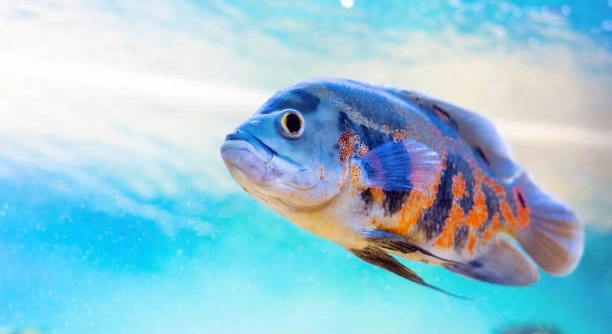
Do you ever notice your Oscar fish suddenly turning away from food it usually loves, leaving you confused and a bit concerned?
The most common reason an Oscar fish ignores its favorite food is due to stress or a change in environment. Factors like water quality, temperature shifts, or tank disruptions can greatly affect their eating behavior.
From tank maintenance tips to signs of illness, learning the small details behind this change can help keep your Oscar healthy and happy.
Common Reasons Oscar Fish Ignore Their Favorite Food
Oscar fish are known for their strong appetites, so when they stop eating, it’s usually a sign something is off. One of the most common causes is a change in their environment. This can include things like a recent tank cleaning, a new decoration, or a shift in water temperature or pH. Even a small change in water quality can cause stress. Another factor could be illness—parasites or internal infections often lead to a lack of appetite. It’s also possible your fish is simply full or bored of the same food every day. While Oscars enjoy a routine, they can sometimes go through short periods of pickiness. Finally, changes in lighting or tank mates can disrupt their feeding habits. Observing their behavior closely and checking the tank conditions are simple first steps to figuring out what’s going on.
Sometimes, Oscars stop eating for a day or two due to minor stress and return to normal quickly.
If your Oscar is skipping meals but still swimming normally and showing no signs of distress, it may not be a serious issue. But if this behavior continues for several days, it’s important to act. Start by testing the water parameters—ammonia, nitrites, nitrates, and pH. Make sure the water temperature is consistent, ideally between 74–81°F. A drop in temperature can slow their metabolism, making them less interested in food. Check for any visible signs of illness like white patches, clamped fins, or sluggish movement. If everything looks fine, try offering a different type of food. Sometimes switching from pellets to frozen bloodworms or brine shrimp can spark their interest. Feeding in smaller amounts and removing leftovers quickly also helps prevent water quality from dropping further, which could make things worse.
When to Worry and What to Do
If your Oscar hasn’t eaten in over three days and shows other unusual signs, it may be time to consider illness or deeper stress.
In cases where poor water quality or stress is ruled out, you might be dealing with a health issue like an internal parasite or bacterial infection. Oscars with parasites often show stringy white feces, swim erratically, or rub against objects. Treating with anti-parasitic medications like praziquantel or metronidazole may be necessary, but always confirm with a vet or specialist before starting any treatment. A bloated belly or visible sores may point to a bacterial infection, which usually needs medicated food or a broad-spectrum antibiotic. It’s also worth noting that older Oscars can lose interest in food as they age, especially if their diet hasn’t changed. If you recently added new fish, stress from aggression or territorial behavior could also explain the change. Keep the tank quiet, reduce light levels, and avoid overfeeding while you monitor them.
Improving Tank Conditions for Better Feeding
Small changes in tank conditions can have a big impact on your Oscar’s appetite. Keep the water clean with regular partial water changes and test parameters weekly. Stable temperature, pH, and low ammonia are key to keeping your fish comfortable and more likely to eat.
Make sure your tank size is appropriate—at least 55 gallons for one adult Oscar. Crowded tanks can increase stress and lead to poor eating habits. Use a good filter that can handle the waste these fish produce. Avoid sudden changes in lighting or loud noises around the tank. Stick to a regular feeding schedule and remove uneaten food after 5 minutes. Uneaten food can break down and cause ammonia to spike, affecting appetite. Also, avoid overfeeding. Oscars can go a few days without food and still be healthy, but too much food in the tank can make them sick over time.
Try rearranging decorations or removing aggressive tank mates if your Oscar seems stressed. Oscars are territorial, and even minor tank changes can calm them down and restore their appetite. Some owners find success by dimming the lights for a day or two or providing more hiding spots. These small tweaks can help your Oscar feel safe again. If you’ve ruled out illness, a more relaxed environment is often the key. Monitor their behavior and try feeding small amounts of a different food once you notice signs of calm. Patience is important—it can take a few days for them to come around.
Choosing the Right Foods and Feeding Techniques
Many Oscars lose interest in food simply because it’s the same thing every day. Rotating between high-quality pellets, frozen foods like bloodworms, and live options like feeder shrimp can renew interest quickly.
Feed only what your Oscar can eat in a couple of minutes. Overfeeding causes water issues and can make your fish sluggish or uninterested in food. If using pellets, soak them in tank water before feeding—they’re easier to digest that way. Frozen or live food should always be from a trusted source to avoid introducing parasites. Try feeding at the same time daily. Fish recognize patterns, and routine helps with appetite. Use feeding tongs if offering live food to prevent it from escaping and making the tank messy. If your Oscar still isn’t eating, fast them for one day, then try again with a different food. Often, this short break helps reset their appetite.
Behavioral Changes That Affect Eating
Oscars can act differently depending on their mood or surroundings. If they’ve recently been moved, had a tankmate added, or gone through a loud event nearby, they may act withdrawn. This includes hiding, less swimming, and ignoring food they usually like.
They can also go through phases where they seem disinterested in eating for no clear reason. It usually doesn’t last long and isn’t a major concern unless other symptoms appear. Keeping their environment calm and predictable can help them bounce back faster.
Signs It’s Time to Seek Help
If your Oscar continues avoiding food after you’ve checked water, tried different foods, and reduced stress, it’s time to consider professional advice. Lethargy, rapid breathing, pale colors, or stringy feces may indicate illness. A vet with fish experience can guide you through proper treatment. Don’t wait too long—many fish illnesses get worse quickly. Even if you’ve kept fish before, it’s easy to miss subtle signs. Getting help early may prevent serious issues and give your Oscar the best chance at a full recovery.
Avoiding Future Feeding Problems
Stick to a feeding routine and vary their diet to keep meals interesting. A clean, quiet tank will help them feel safe and willing to eat.
FAQ
Can Oscars go a few days without eating?
Yes, healthy adult Oscars can go several days without food and be completely fine. It’s normal for them to skip meals occasionally, especially during changes in environment or minor stress. Young Oscars should be monitored more closely, but even they can handle short fasting periods if needed. Fasting is also helpful when trying to reset their appetite after overfeeding or boredom with food. Just make sure they are still active and show no signs of illness. If they stop eating for more than four or five days, it’s worth checking water parameters and observing their behavior more closely.
Why does my Oscar spit out its food?
Oscars often spit food out when they’re testing it or trying to soften it before swallowing. This is normal and doesn’t always mean they dislike the food. Sometimes, they just need a few tries before deciding to eat it. However, if your Oscar keeps spitting out everything and seems uninterested, it might be due to poor water quality, stress, or illness. Try offering something different like frozen bloodworms or a piece of shrimp. Also, soaking pellets in tank water can make them easier to chew and more appealing.
Can bad water really make Oscars stop eating?
Yes, poor water conditions are one of the top reasons Oscars lose interest in food. High levels of ammonia, nitrites, or nitrates can irritate their gills, affect their comfort, and make them feel sick. Even small imbalances in pH or sudden temperature drops can lead to stress. Regular water changes, good filtration, and weekly testing help avoid these issues. Oscars are sensitive fish, and clean, stable water plays a big role in their appetite. If your Oscar stops eating, always test the water before trying other changes.
How can I tell if my Oscar is stressed?
A stressed Oscar may hide more than usual, lose color, breathe faster, or act more aggressive or more passive than normal. Not eating is also a big sign. Watch for clamped fins, sudden darting, or rubbing against decorations. Stress can be caused by loud noises, tank changes, poor water, or bullying from other fish. Try to keep their environment steady and avoid sudden changes. Giving them places to hide, like rocks or driftwood, can help them feel more secure and return to normal eating habits faster.
What foods are safe and healthy for Oscars?
A balanced Oscar diet includes quality pellets, frozen or live foods like bloodworms, brine shrimp, earthworms, and occasional vegetables like peas. Avoid feeding feeder fish from pet stores, as they often carry parasites. Goldfish especially are not a good choice. High-protein foods are fine in moderation, but overdoing it can lead to digestive problems. Rotate their diet to keep it interesting. Try to feed them twice a day in small portions. A varied diet helps keep them healthy, active, and more likely to eat consistently.
Is it normal for Oscars to act shy when not eating?
Yes, Oscars can get quiet or hide when they don’t feel like eating. They’re smart fish with unique personalities, and sometimes they just need a little time to adjust. This behavior is more common after tank cleanings, changes in lighting, or the introduction of new fish. Give them space, reduce activity near the tank, and try again with food later. Most of the time, if water conditions are good and there’s no sign of disease, they’ll start eating again in a day or two.
Should I feed my Oscar by hand or use tools?
Feeding by hand is fine if your Oscar is calm and used to you, but always be cautious. They have strong jaws and can nip fingers accidentally. Using feeding tongs or dropping food near them is safer, especially with live foods. Tools also prevent messy feeding and help keep the tank clean. This is especially helpful when feeding shrimp, worms, or other foods that can get lost in the tank or make the water cloudy. Keeping feeding clean and easy also reduces the chance of water problems later.
Final Thoughts
When an Oscar fish suddenly stops eating its favorite food, it can be confusing and a little worrying. But in many cases, the reason is something simple like a small change in the tank or stress from something nearby. Oscars are sensitive fish that react to their surroundings. Loud noises, sudden movements, or even a slight drop in water temperature can affect how they behave and whether they eat. As long as your fish is still active, swimming normally, and not showing signs of sickness, skipping food for a day or two is usually not a big concern.
The most important thing you can do is stay calm and check the basics first. Look at the water temperature, pH, and ammonia levels. Make sure nothing in the tank has changed suddenly. If your Oscar still isn’t eating after a few days, try offering a different kind of food. Sometimes a simple switch from pellets to frozen food is enough to get them interested again. It also helps to give them space and avoid handling or loud noises around the tank. Oscars need a calm and steady environment to feel safe and stay healthy.
Staying on top of tank maintenance, feeding a variety of foods, and watching for signs of stress or illness can help you avoid feeding problems in the future. If you ever feel unsure, getting advice from someone experienced with fish care or a vet can help you find answers faster. Oscars are strong fish when cared for properly, and most issues with eating can be solved with small changes. Watching them return to their normal, active selves is always a good reminder that even picky behavior has a cause. With patience and a little effort, your Oscar will likely get back to enjoying its meals like before.

Hello,
If you enjoy the content that we create, please consider saying a "Thank You!" by leaving a tip.
Every little bit helps us continue crafting quality advice that supports the health, happiness, and well-being of pets around the world, for pets of all shapes, sizes, and species.
We really appreciate the kindness and support that you show us!