
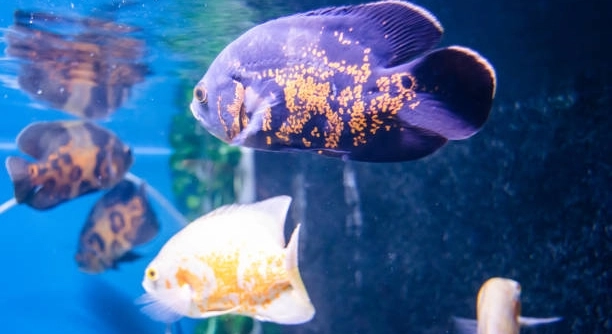
Have you ever noticed your Oscar fish acting oddly around objects in its tank, especially the thermometer? Some behaviors can seem confusing at first but often have simple explanations rooted in instinct or environment.
Oscar fish may bite at the thermometer due to territorial behavior, mistaking it for food, or reacting to their reflection. These responses are common in confined environments and are typically linked to stress, curiosity, or natural aggression patterns.
There’s more to this behavior than meets the eye, and understanding it can help you create a safer space for your fish.
Reasons Your Oscar Fish Targets the Thermometer
Oscar fish are known for their strong personalities and interactive behavior, which can sometimes lead to unexpected actions like biting at objects in the tank. The thermometer, being a small, stationary item, may become a target for several reasons. It can reflect light or the fish’s own image, triggering a territorial or aggressive response. Oscars also use their mouths to explore, so they may nip at anything unfamiliar or new in their environment. Another reason could be stress, especially if the tank is too small, lacks hiding places, or experiences sudden changes. Stress can make Oscars act out in unusual ways. It’s important to observe patterns and take note of changes in their behavior. Small shifts in tank setup or routine can affect how secure and calm your fish feels. Recognizing what triggers the biting is key to keeping your fish comfortable and the tank safe from damage.
Sometimes, the thermometer simply resembles food or prey.
This behavior is common in tanks where the fish feel understimulated or too confined. Even if conditions seem fine, Oscars need stimulation and space to feel secure. Keeping the tank enriched with hiding spots, proper lighting, and consistent feeding times can help. If the thermometer is in an awkward or overly visible location, try repositioning it or switching to an external option to remove the temptation entirely. Adding tank mates can sometimes redirect attention, but Oscars are also known to be territorial with others, so always monitor new introductions carefully. Consider rotating tank decorations every so often to keep the environment engaging. Environmental variety helps reduce boredom and can significantly cut down on repetitive or aggressive behavior like biting. If the biting continues despite these changes, monitor water parameters, feeding habits, and overall health. A change in appetite or energy may signal a deeper issue. Addressing those early makes a big difference.
When You Should Be Concerned
If the biting leads to injury or damaged equipment, it may be time to act.
While occasional biting isn’t always a problem, repeated or forceful biting can injure your Oscar’s mouth and cause stress over time. It can also damage your equipment, especially if the thermometer is glass. If you notice broken glass or any loose items in the tank, remove them immediately to prevent harm. In more serious cases, the biting might be a sign of a larger issue, such as poor water quality or an illness causing discomfort. Always test the water for pH, ammonia, nitrite, and nitrate levels to rule out environmental causes. Make sure your Oscar is eating properly, swimming normally, and not showing signs of fin rot or cloudy eyes. If other symptoms appear, consult an aquatic veterinarian. Regularly cleaning the tank and keeping a consistent care routine will help avoid behavior driven by discomfort or stress. Creating a calm, well-managed tank makes for a healthier, more peaceful Oscar.
How to Prevent Your Oscar from Biting the Thermometer
Try moving the thermometer to a less visible spot or outside the tank. This reduces the chance of it attracting attention. If the fish can’t see it clearly or access it easily, the behavior often stops.
Rearranging the tank can also make a difference. Add more plants, rocks, or hiding spots to shift your Oscar’s focus. A more stimulating layout can lower boredom and discourage obsessive behaviors. Make sure the tank is large enough—at least 55 gallons for one Oscar. This gives them room to move around and feel less confined. Biting out of frustration or stress often lessens in a spacious, enriched environment. Also, check that the thermometer isn’t shiny or reflective, as that can trigger defensive behavior. Swap it for a matte version or an external strip thermometer if needed. These small adjustments can help reduce tension and biting over time.
Keep an eye on behavior after making changes. If your Oscar still targets the thermometer, consider adding floating toys or other items for them to interact with. They may be seeking engagement, especially if alone in the tank. Just make sure anything you add is safe and aquarium-approved. Some fish benefit from routine changes in decoration or feeding patterns to stay stimulated. Keeping the tank environment dynamic can help prevent behavioral issues from recurring. Make adjustments slowly so the fish isn’t overwhelmed. Monitor for signs of stress such as hiding, darting, or loss of appetite. These may suggest the changes aren’t helping or are causing new problems. With a little observation and patience, the biting behavior can usually be managed.
Other Behaviors to Watch For
If your Oscar fish begins to ram into objects, dig excessively, or lash out at tank mates, something may be off. These actions often go hand in hand with biting and may signal deeper stress or frustration.
Oscars are known for having strong personalities, and their behavior can reflect what’s going on in the tank. Excessive digging might mean they’re trying to nest, but it could also signal anxiety or discomfort with the substrate. Aggression toward tank mates, especially during feeding, may point to overcrowding or competition. If your Oscar is ramming into the glass or flaring its fins often, check the water quality and temperature. Poor conditions can make any fish irritable. Also watch for refusal to eat or sudden hiding—these may be signs of illness, stress, or even bullying from another fish. Keep a simple log of any noticeable patterns, and address changes early. Behavior is one of the first signs your Oscar isn’t feeling right.
When Tank Conditions Are the Problem
Poor water quality can make Oscars act out in unusual ways, including biting at objects like thermometers. High ammonia or nitrite levels, incorrect pH, or temperature swings may all lead to stress-based behavior and frustration.
A tank that’s too small or overcrowded also contributes to aggression. Limited swimming space and constant competition can make an Oscar more reactive. When there’s not enough room or structure, they’re more likely to target inanimate objects in the tank, especially during feeding times or when startled.
Choosing the Right Thermometer
Using an external thermometer strip can reduce unwanted biting. These thermometers stick to the outside of the tank and are less likely to be noticed by the fish. If you prefer internal options, choose one with a dull finish and low profile. Avoid glass styles that reflect light or move easily with the current, as those are more likely to attract attention. Also, consider placing the thermometer near decorations or in a back corner where it’s harder for the Oscar to reach. The less visible and accessible it is, the better. This simple switch can help prevent repeated targeting and reduce stress.
Final Thoughts on Oscar Behavior
Oscar fish can show surprising behavior, but it often has a clear cause. Adjusting tank conditions and setup usually leads to improvement.
FAQ
Why does my Oscar fish bite the thermometer?
Oscar fish may bite the thermometer due to territorial instincts, curiosity, or a reaction to their reflection. In a confined space, they may mistake the thermometer for something else, such as food or a competitor. The glass or reflective surface can trigger this behavior, especially if the Oscar feels stressed or agitated. Biting at the thermometer is often a sign of boredom or frustration. Oscars are intelligent fish and require stimulation in their environment. Without enough enrichment, they may engage in repetitive behaviors like biting. If the tank is too small or lacks hiding spots, it can lead to this behavior as well.
How can I stop my Oscar from biting the thermometer?
To reduce this behavior, try moving the thermometer to a less visible spot or switching to an external thermometer. Repositioning the thermometer out of the Oscar’s line of sight or using one that is matte instead of reflective can help. You can also rearrange the tank to create more visual distractions. Adding plants, decorations, and hiding spots can help occupy the fish’s attention and reduce obsessive behaviors. If you notice that the Oscar is more likely to bite the thermometer during feeding times, adjust the feeding schedule or method to reduce aggression.
Can an Oscar’s biting behavior hurt the thermometer?
Yes, repeated biting or nipping at the thermometer could cause damage to it, especially if it’s made of glass. Some thermometers can crack or break when subjected to forceful biting. It’s crucial to monitor the condition of the thermometer to ensure it remains intact. If the thermometer does break, make sure to remove any glass shards immediately to prevent injury to the fish. Using a sturdy external thermometer or one with a more secure design may help prevent this problem from recurring.
Is it possible that my Oscar is biting out of stress?
Yes, stress is a common reason for biting behaviors in Oscar fish. Poor water quality, overcrowding, or a lack of hiding spots can all contribute to stress. Oscars are sensitive to changes in their environment, and any disruption in their routine can cause anxiety. If the tank is too small, the fish may feel cornered and start displaying aggressive or repetitive behaviors like biting at objects. Ensure that the water parameters are stable, the tank is large enough for the fish to move comfortably, and there are plenty of areas to hide or explore.
Should I be worried if my Oscar is biting at the thermometer?
While occasional biting is generally not a serious issue, persistent or aggressive biting can indicate that your Oscar is stressed or uncomfortable in its environment. If the behavior continues despite making environmental adjustments, you should consider checking the water quality, tank size, and décor. Also, observe if there are any other signs of stress, such as poor appetite, hiding, or excessive aggression. If the biting behavior is accompanied by physical injury or damage to the fish, it’s important to address the issue quickly. Monitoring your fish’s health and behavior closely will help ensure it remains comfortable.
Could my Oscar be trying to attack the thermometer?
Yes, it’s possible that your Oscar is exhibiting territorial aggression toward the thermometer. Oscars are naturally territorial, and they may react to any object in the tank that they perceive as a threat or competitor. If the thermometer is reflecting light or showing the Oscar’s image, the fish may view it as a rival. This territorial behavior is more likely in a small or overcrowded tank, where the fish may feel the need to defend their space. Repositioning the thermometer or adding more decorations can help alleviate this aggression.
Is my Oscar getting enough stimulation in its tank?
Oscar fish are highly intelligent and need mental and physical stimulation to stay healthy and avoid developing behavioral issues. If your Oscar is biting the thermometer, it could be a sign that the tank is lacking stimulation. Providing plenty of decorations, hiding spots, and objects for the fish to interact with can help keep it engaged. Regularly changing the layout of the tank, introducing new items, and varying feeding methods can also help keep your Oscar from becoming bored. Make sure the tank is large enough and offers space for swimming, as limited space can contribute to restlessness.
Can adding other fish help with this behavior?
Adding other tank mates can sometimes help redirect an Oscar’s attention, but it’s important to choose compatible fish. Oscars can be aggressive and territorial, so introducing new fish should be done carefully. If you add smaller or peaceful species, they may become targets of aggression, further increasing stress in the tank. On the other hand, adding more Oscars or similarly sized, non-aggressive species may help provide companionship and reduce boredom. Monitor their interactions closely to ensure that no fish are being harassed or stressed. It’s always a good idea to quarantine new fish before introducing them to the main tank.
What size tank does an Oscar need?
Oscar fish require a large tank, ideally at least 55 gallons for one fish. A larger tank allows them to swim freely and feel less confined. Providing a spacious environment can help reduce stress and aggression, which may be contributing to biting behavior. A larger tank also provides more room for decorations, plants, and hiding spots, which can help occupy the Oscar’s attention. The more space an Oscar has, the less likely it is to become agitated or engage in behaviors like biting at objects. If possible, aim for a 75-gallon tank or larger, especially if you plan to keep multiple Oscars.
Could the temperature be too high for my Oscar?
Oscars thrive in water temperatures between 74-81°F (23-27°C). If the water is too warm, it can cause stress and irritability, potentially leading to aggressive behaviors such as biting at the thermometer. On the other hand, water that’s too cold can slow down their metabolism and make them lethargic. Always ensure that the water temperature remains within the optimal range for your Oscar. If you notice the fish acting out more during warmer months or after a heater adjustment, check the temperature closely. A thermometer should help you monitor this, but be sure it’s placed in a spot where it won’t cause unnecessary stress to the fish.
How can I tell if my Oscar is stressed?
Stress in Oscar fish can manifest in a variety of ways. Signs include aggressive behavior, such as biting at objects, hiding for long periods, or swimming erratically. Stress may also lead to a loss of appetite, lethargy, or visible physical changes like faded coloration or fin clamping. If your Oscar starts exhibiting any of these behaviors, check the water quality, tank size, and environmental factors. Overcrowding, poor water conditions, and lack of hiding spots are common stressors for Oscars. Reducing these stressors and giving your Oscar a more comfortable environment will help prevent stress and promote better health.
Final Thoughts
Biting behavior in Oscar fish, especially when directed at a thermometer, is often a sign of underlying stress or boredom. Oscars are intelligent fish that thrive on stimulation, and without it, they may engage in behaviors that can seem strange or even destructive. This can happen when they are confined in a small tank with few distractions or when there are issues with the water quality. The good news is that, with a few simple changes, you can help alleviate this behavior and make your Oscar more comfortable.
To stop the biting behavior, it’s important to ensure the tank is large enough and properly equipped. Oscars need plenty of space to swim freely, and a tank that’s too small can lead to frustration. Adding decorations, plants, and hiding spots can help keep them occupied and provide a more natural environment. Changing the layout of the tank from time to time can also help stimulate their curiosity and prevent boredom. Additionally, keeping the water quality stable and within the proper range can reduce stress and improve overall health.
If you find that your Oscar continues to bite the thermometer despite making these changes, consider altering the position of the thermometer or using one that’s less likely to reflect the fish’s image. External thermometers are another option that can eliminate this problem altogether. As with any behavior issue in fish, patience is key. By monitoring the environment and providing your Oscar with the space and stimulation it needs, you can help prevent unwanted behaviors and ensure a happier, healthier fish.

Hello,
If you enjoy the content that we create, please consider saying a "Thank You!" by leaving a tip.
Every little bit helps us continue crafting quality advice that supports the health, happiness, and well-being of pets around the world, for pets of all shapes, sizes, and species.
We really appreciate the kindness and support that you show us!