
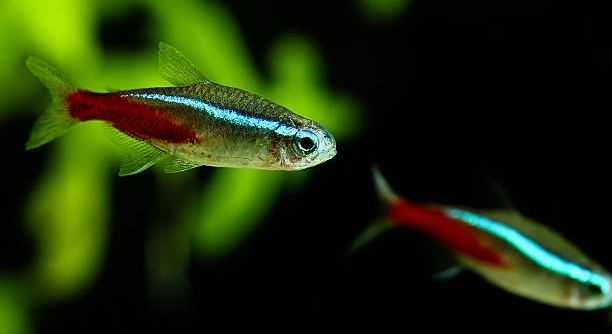
Neon tetras are popular fish for home aquariums, known for their vibrant colors and small size. They are usually easy to care for, but sometimes they unexpectedly pass away, leaving their owners puzzled.
There are several potential reasons why your neon tetra may have died. Issues with water quality, temperature, diet, or stress from tank mates can all play a role. Understanding these causes can help prevent future losses.
Knowing the common causes of death in neon tetras can help you better care for them. Let’s explore these factors so you can maintain a healthy aquarium environment.
Poor Water Quality
One of the leading causes of neon tetra deaths is poor water quality. Neon tetras are very sensitive to their environment. Ammonia, nitrites, and even high levels of nitrates in the water can quickly become dangerous. If the tank isn’t properly filtered, these harmful substances can build up, stressing your fish. Chlorine or chloramine in tap water can also be toxic to them. Regular water changes and testing the water frequently will help keep harmful elements in check.
Maintaining a stable pH and temperature is crucial. Neon tetras thrive in water with a pH of 6.0-7.0 and a temperature range of 72-78°F. If the water’s parameters fluctuate too much, it can weaken your fish’s immune system.
A good filtration system is key to keeping the water clean. Be sure to clean and maintain it regularly. Water testing kits are also valuable tools in checking your aquarium’s health. A clean environment is one of the most important aspects of keeping neon tetras healthy.
Incorrect Temperature
Neon tetras are native to warm waters and need a stable temperature to thrive. If the tank water is too cold or too hot, it can cause stress and even death. Neon tetras prefer water temperatures between 72°F and 78°F. Any temperature outside of this range can lead to health problems.
Inconsistent temperatures can also cause issues. If you live in an area with temperature fluctuations, it’s essential to use a reliable heater to maintain a stable environment. A heater with a thermometer will help you monitor the water temperature easily. Without a heater, the tank might cool down too much at night, leading to sudden stress for your neon tetra.
Temperature stress weakens their immune systems, making them more susceptible to diseases. If the water is too hot, it can also reduce the oxygen levels, making it harder for them to breathe. Keeping the temperature consistent will help your fish feel more comfortable and less stressed.
Overfeeding
Overfeeding can be another reason why neon tetras die. When fish are fed too much, they can’t consume all the food, leading to uneaten particles that pollute the water. These leftover pieces can harm the water quality, causing ammonia spikes.
It’s also easy for owners to assume fish need to eat more than they do. Neon tetras are small and don’t require large amounts of food. Typically, feeding them once or twice a day is enough. The goal should be to offer only as much food as they can eat in a few minutes. If food sits in the tank for too long, it will decay, polluting the water and endangering your fish.
Proper feeding habits help maintain both the health of your fish and the quality of the water. Avoiding overfeeding will also reduce the risk of harmful bacterial growth and keep your tank cleaner overall.
Tank Mate Stress
Choosing the right tank mates for neon tetras is essential. These small fish are peaceful but can easily become stressed by aggressive or territorial fish. If they feel threatened, it can lead to stress-related health issues or even death.
Neon tetras do best in community tanks with non-aggressive species. Species like bettas, some cichlids, or larger fish with territorial tendencies may cause stress to your neon tetras. Aggressive fish may nip at their fins or chase them around, leading to injury and a weakened immune system.
It’s important to research which fish are compatible with neon tetras before introducing new tank mates. Stress weakens their resistance to disease, so minimizing aggression and providing hiding spots can keep your neon tetras calm. A peaceful environment will allow them to thrive and live longer, healthier lives.
Inadequate Tank Size
If your neon tetra is kept in a tank that is too small, it can lead to stress and health problems. Small tanks often have poor water circulation, which can affect water quality. Overcrowding can also cause stress, making your fish more vulnerable to diseases.
A tank that’s too small can limit the fish’s swimming space and contribute to territorial disputes with other fish. Neon tetras are active swimmers, so they need adequate space to feel comfortable. Ideally, a tank of at least 10 gallons is recommended for a small school of neon tetras.
Proper tank size is essential for their well-being. A larger tank helps maintain stable water conditions, which is crucial for maintaining a healthy environment. It also allows for better filtration and less stress. Make sure your neon tetras have enough space to thrive, and they’ll live a longer, happier life.
Poor Diet
Feeding neon tetras a poor diet can lead to malnutrition and a weakened immune system. Neon tetras need a balanced diet consisting of high-quality flakes, pellets, and occasional live or frozen food like brine shrimp.
Feeding them only one type of food, or low-quality food, can result in deficiencies. For example, a lack of protein can cause growth issues, and an imbalance of vitamins can weaken their immunity. Always vary their diet to provide essential nutrients and promote good health.
A poor diet can also cause digestive issues, making them more susceptible to diseases. Over time, a lack of proper nutrition can shorten their lifespan. To keep your neon tetras healthy, make sure they’re getting a balanced diet. Regularly changing up their food will help them stay vibrant and strong.
Disease
Neon tetras are prone to various diseases, such as neon tetra disease (NTD), which is a parasitic infection. This disease can quickly weaken your fish and cause symptoms like faded color, loss of appetite, or erratic swimming. Without treatment, it can be fatal.
NTD is highly contagious, and once one fish shows signs of infection, others in the tank are at risk. Unfortunately, there is no cure for NTD, so it’s important to act fast. Quarantine any affected fish and sterilize the tank to prevent further outbreaks. Maintaining good water quality can help prevent disease.
Proper care and water conditions can reduce the likelihood of disease. Regularly monitor your fish for any signs of illness and address any changes immediately to keep your fish safe and healthy.
Stress
Stress is another common cause of neon tetra death. Factors such as poor water quality, aggressive tank mates, and fluctuating temperatures can cause significant stress. Stressed fish have weaker immune systems and are more vulnerable to other health issues.
A stressed neon tetra might show behaviors like hiding, rapid swimming, or unusual restlessness. They may also stop eating or appear lethargic. Stress can accumulate over time, leading to health problems that can be fatal if not addressed. Ensuring a calm, peaceful tank with optimal conditions can prevent stress-related deaths.
Improper Acclimation
When introducing new neon tetras to an aquarium, it’s important to acclimate them properly. Sudden changes in water temperature, pH, or salinity can shock their system and cause fatal stress. Acclimating your new fish slowly will allow them to adjust gradually to the tank conditions.
To acclimate, float the bag with the fish in the aquarium for about 15-20 minutes to match the temperature. Then, slowly add small amounts of tank water to the bag over the next 30 minutes to help them adjust to the water’s pH and hardness. After that, you can release them into the tank.
Improper acclimation can lead to significant stress, and this can be especially harmful to neon tetras. Always take the time to introduce new fish properly to ensure their well-being.
FAQ
Why did my neon tetra stop eating?
If your neon tetra suddenly stops eating, it could be due to a few reasons. Stress, water quality issues, or illness can all impact their appetite. When neon tetras are stressed, they might refuse food. This can be caused by aggression from tank mates, improper water temperature, or poor water quality. A change in their diet or the introduction of new food might also cause them to lose interest in eating. If the tank conditions are poor, neon tetras might feel unsafe, leading them to avoid food. If the fish has been acting lethargic or showing other symptoms, it’s essential to check water parameters and remove any stressed tank mates.
How often should I feed my neon tetra?
Neon tetras don’t require large amounts of food. Typically, feeding them once or twice a day is sufficient. Offer only as much food as they can consume in 2-3 minutes. Overfeeding can lead to poor water quality and digestive issues. It’s better to feed small portions multiple times a day than to overfeed once. You should also provide a varied diet, such as high-quality flake food, micro pellets, and occasional live or frozen food like brine shrimp or daphnia, to keep them healthy and vibrant.
What should the water temperature be for neon tetras?
Neon tetras prefer water temperatures between 72°F and 78°F (22°C to 26°C). Temperatures outside this range can stress your fish and weaken their immune systems. Ensure the water temperature remains stable, as fluctuations can cause additional stress and health problems. You can use an aquarium heater with a thermostat to maintain a consistent temperature and a thermometer to monitor it regularly.
How do I know if my neon tetra is sick?
Sick neon tetras may show a variety of signs such as faded colors, erratic swimming, loss of appetite, or unusual behavior like hiding or staying near the bottom of the tank. Their fins might appear clamped, and they could be lethargic or unresponsive. Infected fish may also develop visible signs like lesions, swollen areas, or white spots on their bodies. If you notice any of these symptoms, it’s important to isolate the sick fish and check the water quality. Consider consulting a veterinarian or aquatic expert for diagnosis and treatment.
Can neon tetras live with other fish?
Yes, neon tetras can live peacefully with other non-aggressive fish. They are known for being community fish and typically do well in tanks with other small, peaceful species. Avoid keeping them with larger or aggressive fish that might stress or harm them. Good tank mates include guppies, Corydoras catfish, and other tetras. Always research the temperament and compatibility of new fish before introducing them to your tank.
How long do neon tetras live?
Neon tetras generally live for 3 to 5 years when provided with optimal care. Their lifespan depends on factors like water quality, diet, tank conditions, and any illnesses they might face. By maintaining a clean tank, proper temperature, and good water conditions, you can help your neon tetras live a long, healthy life. Regular water testing, appropriate feeding, and managing tank mates are all crucial for ensuring their well-being.
Do neon tetras need a filter in their tank?
Yes, neon tetras benefit from having a filter in their tank. A filter helps maintain good water quality by removing debris and harmful substances like ammonia and nitrates. However, it’s important to use a filter with a gentle flow, as neon tetras are small and can be stressed by strong currents. A sponge filter or a low-flow power filter can provide the necessary filtration without disturbing the fish too much.
Can neon tetras survive in tap water?
Neon tetras can survive in tap water, but it must be conditioned properly before use. Tap water often contains chlorine or chloramine, which can be harmful to fish. Always treat tap water with a dechlorinator before adding it to the tank. You should also test the water for pH, hardness, and ammonia levels to ensure it is suitable for neon tetras. If your tap water is too hard or alkaline, you might need to adjust the water parameters by using special additives or relying on filtered water.
What is neon tetra disease?
Neon tetra disease (NTD) is a parasitic infection that affects neon tetras. It’s caused by the parasite Pleistophora hyphessobryconis, which attacks the fish’s muscle tissue. Infected neon tetras often display symptoms such as loss of color, swimming erratically, or having curved spines. Unfortunately, there is no cure for NTD, and it can quickly spread to other fish. If you suspect NTD, it’s important to quarantine affected fish immediately and disinfect the tank to prevent further infection.
How can I prevent my neon tetra from getting sick?
Preventing illness in neon tetras begins with maintaining clean water and a stable environment. Regular water changes and testing will help keep harmful substances at bay. A balanced diet that includes a variety of foods will ensure your fish get all the nutrients they need. Minimizing stress by keeping peaceful tank mates and maintaining proper tank conditions can help your neon tetras stay healthy. Avoid overcrowding, as it can lead to poor water quality and stress-related health issues.
Final Thoughts
Caring for neon tetras requires attention to detail and a consistent approach to their environment. These small, vibrant fish are generally hardy but can be quite sensitive to changes in their tank. Maintaining clean water, the right temperature, and proper tank mates is essential for their well-being. Regular water tests and changes can prevent many common problems and ensure a safe environment. It’s also crucial to feed them the right amount of food and avoid overfeeding, as this can lead to water quality issues and digestive problems.
Neon tetras are social fish, and they thrive in groups. A well-maintained school of neon tetras can be a beautiful addition to your aquarium, creating a calming and peaceful atmosphere. However, it’s important to remember that they are sensitive to stress, so introducing new fish or making sudden changes to their environment should be done slowly and carefully. Always make sure that your tank is large enough to accommodate your fish, as overcrowding can cause stress and harm the overall health of your aquarium.
While neon tetras are generally easy to care for, issues like poor water quality, temperature fluctuations, or disease can cause them to suddenly die. By understanding the common causes of neon tetra deaths, you can take steps to prevent these problems and ensure the longevity of your fish. Whether you’re a beginner or an experienced aquarium keeper, being mindful of their needs and keeping their environment stable will go a long way in keeping your neon tetras healthy and happy.

Hello,
If you enjoy the content that we create, please consider saying a "Thank You!" by leaving a tip.
Every little bit helps us continue crafting quality advice that supports the health, happiness, and well-being of pets around the world, for pets of all shapes, sizes, and species.
We really appreciate the kindness and support that you show us!