
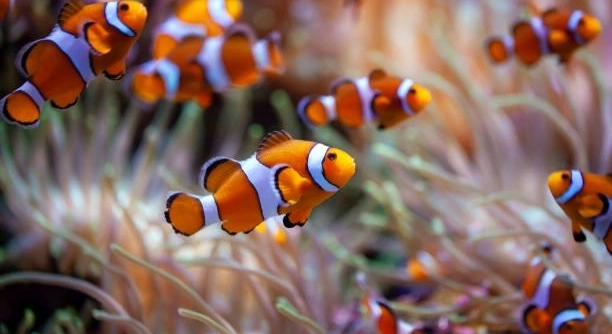
Many aquarium owners enjoy the lively presence of their clownfish. These vibrant fish often seem social and interactive. When a clownfish suddenly stops engaging, it can feel confusing and disappointing. Understanding the reasons behind this change is important for their care.
Clownfish may stop interacting due to stress, illness, changes in their environment, or shifts in tank dynamics. Poor water quality, new tankmates, or inadequate diet can also affect their behavior and willingness to engage.
Recognizing these causes will help you support your clownfish’s well-being and restore its natural behavior in your aquarium.
Common Causes of Clownfish Withdrawal
Clownfish may become less interactive for several reasons related to their environment and health. One frequent cause is stress from poor water quality. If ammonia, nitrite, or nitrate levels rise, clownfish can become lethargic and avoid interaction. Another cause is illness. Parasites or bacterial infections can make them hide or stop responding to stimuli. Changes in tank conditions, like new tankmates or rearranged decorations, can also unsettle them. Additionally, insufficient or improper feeding may lead to reduced activity. Clownfish are sensitive to sudden changes, so any disturbance in their routine can affect their behavior. Monitoring these factors closely helps maintain a stable and healthy environment, encouraging your clownfish to be more active and engaging.
Stress and illness are the most common reasons for clownfish withdrawal. Keeping a consistent, clean tank environment is essential for their well-being.
Understanding these factors allows you to create a comfortable habitat where your clownfish feels safe and willing to interact regularly.
Signs of Stress and Illness in Clownfish
Stress in clownfish often shows through changes in color, reduced movement, and hiding more than usual. Illness symptoms may include visible spots, damaged fins, or labored breathing. Monitoring these signs early helps prevent long-term health problems. Immediate attention to water quality and diet can reduce stress levels. If illness is suspected, isolating the fish and consulting a vet or aquatic specialist is advised. Regular observation ensures any subtle changes are noticed quickly, allowing timely care and treatment to restore your clownfish’s health and behavior.
Improving Your Clownfish’s Environment
A clean, stable environment encourages your clownfish to be active and interactive. Regular water changes and testing for toxins keep the tank healthy. Maintaining the right temperature and salinity is also important. Avoid sudden changes to prevent stressing your fish.
Proper tank maintenance reduces stress, which is a key factor in clownfish behavior. Monitoring water parameters like pH, ammonia, and nitrate levels helps maintain a safe habitat. Stability in the tank environment supports natural behaviors, including interaction with their owners.
Adding hiding spots and familiar objects can make clownfish feel secure. Gentle lighting and moderate tank activity also contribute to a peaceful environment. Overcrowding should be avoided, as it can cause tension and withdrawal. These measures help your clownfish regain confidence and social behavior.
Feeding and Interaction Tips
Providing a balanced diet supports your clownfish’s health and encourages engagement. Feed a variety of high-quality foods in small amounts multiple times daily. Avoid overfeeding to prevent water quality issues.
Interaction can be increased by approaching the tank calmly and consistently. Avoid sudden movements or tapping, which can frighten your fish. Using a feeding routine helps clownfish recognize your presence positively. Spending time near the tank daily builds familiarity and trust over time, leading to more interaction.
Recognizing Normal Behavior Changes
Clownfish may naturally become less interactive during breeding or molting phases. These periods can cause temporary withdrawal. Understanding these normal cycles helps avoid unnecessary worry.
During these times, clownfish often focus on self-care or reproduction. Their temporary quietness is part of their natural behavior and not always a sign of illness or stress.
When to Seek Professional Help
If your clownfish shows persistent signs of illness or prolonged withdrawal, consulting a specialist is important. Early diagnosis can prevent worsening conditions and improve recovery chances.
Professional advice can guide effective treatment plans and tank adjustments to support your fish’s health and behavior.
Avoiding Common Mistakes
Overcleaning the tank or sudden environment changes can stress clownfish. Consistency in care routines is key for their comfort.
FAQ
Why did my clownfish suddenly stop coming out of hiding?
Clownfish often hide when they feel stressed or unsafe. Changes in water quality, tankmates, or lighting can cause them to seek shelter. Sometimes illness or injury makes them avoid open areas. Checking your tank’s conditions and observing for any signs of sickness can help identify the problem. Ensuring a calm, stable environment encourages your clownfish to feel secure and return to normal activity.
How can I tell if my clownfish is sick or just shy?
Sickness usually comes with visible signs like faded color, spots, damaged fins, or labored breathing. A shy clownfish may hide but still swim actively and maintain normal color. If your fish stops eating or shows unusual behaviors over several days, illness is likely. Tracking changes in behavior and appearance over time helps distinguish between stress and health issues.
Can new tankmates cause my clownfish to stop interacting?
Yes, adding new fish or invertebrates can disrupt your clownfish’s comfort. Territorial disputes or competition for food might cause stress. New tankmates may intimidate your clownfish, leading it to hide or reduce interaction. Gradual introductions and careful selection of compatible species can minimize stress and help your clownfish adjust.
What water conditions are best for clownfish interaction?
Stable water temperature around 75-82°F (24-28°C) and a salinity of 1.020-1.025 specific gravity suit clownfish. Maintaining pH between 8.1 and 8.4 is also important. Ammonia and nitrite should always be zero, with nitrate kept low. Fluctuations or poor water quality can stress your fish and reduce interaction. Regular testing and maintenance support a healthy habitat.
Is feeding schedule important for clownfish behavior?
Yes, consistent feeding times help clownfish recognize routine and associate your presence with food. Feeding small amounts multiple times a day keeps them active and healthy. Overfeeding can pollute the tank, causing stress. A balanced diet with pellets, flakes, and occasional frozen or live food keeps your clownfish energetic and interactive.
Can lighting affect my clownfish’s willingness to interact?
Bright or fluctuating light can stress clownfish, causing them to hide. Using moderate, consistent lighting with gradual changes mimics their natural environment. Providing shaded areas or hiding spots helps them feel safe. Proper lighting balance encourages natural activity and interaction.
What should I do if my clownfish stops eating?
Loss of appetite often signals stress or illness. Check water parameters and tank conditions immediately. Offering varied foods like frozen shrimp or specialized pellets may stimulate appetite. If refusal continues beyond two days, isolate the fish and seek advice from an aquatic vet or specialist to prevent health decline.
Can I encourage my clownfish to interact more?
Approach the tank calmly and consistently, avoiding sudden movements or tapping. Spend time near the tank daily to build familiarity. Offering food by hand or near the front of the tank can encourage your clownfish to come out. Creating a stable environment with proper care is key to increased interaction.
Are there any signs that interaction will return soon?
Improved swimming activity, more frequent feeding, and reduced hiding often indicate your clownfish is recovering and may soon interact more. Watching for these positive behaviors after correcting tank issues helps confirm progress.
Is it normal for clownfish to be less active at times?
Yes, clownfish naturally vary activity levels throughout the day and during breeding cycles. Periods of lower activity or retreat do not always mean a problem. However, extended inactivity or withdrawal combined with physical signs should be addressed promptly.
Clownfish are sensitive creatures that respond to their environment and care. When they stop interacting, it is often a signal that something in their habitat or health needs attention. Understanding their needs and habits is important for maintaining their well-being. Factors such as water quality, tank stability, diet, and the presence of other fish all play a role in how comfortable and social a clownfish feels. Taking steps to provide a clean, calm, and consistent environment helps encourage your clownfish to be active and engage more.
It is also important to observe your clownfish regularly for any signs of stress or illness. Changes in behavior, color, or appetite can provide early warning signs. Acting quickly by checking water conditions, adjusting care routines, or consulting a specialist when necessary can prevent small issues from becoming serious problems. Clownfish, like all pets, rely on their caregivers to recognize these signals and respond appropriately. Patience and consistency in care contribute greatly to their overall health and willingness to interact.
Finally, remember that clownfish behavior can vary naturally at times. Periods of quietness or reduced interaction do not always mean something is wrong. Breeding cycles, molting, or simple rest phases are part of their normal rhythm. Keeping this in mind helps avoid unnecessary worry while still being attentive. Providing steady care and a stable environment ensures your clownfish remains healthy and comfortable. Over time, with proper care and attention, your clownfish can regain its usual lively and social nature.

Hello,
If you enjoy the content that we create, please consider saying a "Thank You!" by leaving a tip.
Every little bit helps us continue crafting quality advice that supports the health, happiness, and well-being of pets around the world, for pets of all shapes, sizes, and species.
We really appreciate the kindness and support that you show us!