
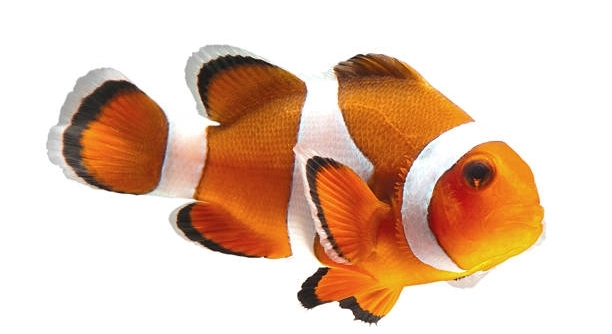
Have you ever noticed your clownfish scratching against objects in the tank? It can be surprising and concerning to see this behavior in such a peaceful pet. Understanding why this happens is important for keeping your fish healthy.
Clownfish scratch themselves mainly due to irritation caused by parasites, poor water quality, or skin infections. These conditions make the fish uncomfortable, leading them to rub against surfaces in an attempt to relieve the irritation.
Knowing the reasons behind your clownfish’s scratching can help you take the right steps to improve its environment and health. This article will guide you through common causes and simple solutions.
Common Causes of Clownfish Scratching
Clownfish often scratch because of irritations on their skin or fins. One of the main reasons is the presence of tiny parasites, like marine ich or flukes, that latch onto their bodies. These parasites cause itching and discomfort, making the fish rub against rocks or tank decorations. Poor water quality can also lead to scratching. When ammonia, nitrite, or nitrate levels are too high, clownfish skin becomes sensitive and inflamed. Another cause is skin infections, which might appear as white spots or redness. These infections can result from injuries or weak immune systems. Stress plays a role too, as stressed fish are more prone to disease and irritation. Keeping the tank clean and stable helps reduce these problems. Regular observation is important because early signs of illness often show through unusual scratching behavior. Monitoring water conditions and maintaining a balanced environment supports your clownfish’s health and comfort every day.
Maintaining good water quality and controlling parasites is essential to prevent scratching.
Proper care means addressing water parameters and watching for early signs of illness to protect your clownfish.
How to Treat and Prevent Scratching
Treatment depends on identifying the cause. For parasites, medications like copper-based treatments or formalin baths are effective but must be used carefully. Always follow dosing instructions and remove invertebrates from the tank before treatment, as these chemicals can harm them. For water quality issues, frequent water changes and testing will keep harmful chemicals at safe levels. Using a good filtration system helps maintain clean water and reduces stress. In cases of skin infections, antibacterial or antifungal medicines may be necessary, often under the guidance of an experienced aquarist or vet. Prevention starts with a healthy tank setup, including proper filtration, regular cleaning, and stable water parameters. Avoid overcrowding, as too many fish increase waste and stress. Introducing new fish should be done with quarantine to avoid spreading diseases. Feeding a balanced diet supports the immune system, making your clownfish less likely to develop irritation or infections. Taking these steps helps keep your clownfish comfortable and healthy for the long term.
Signs to Watch For
Scratching is just one sign that something might be wrong with your clownfish. You may also notice rapid breathing, loss of appetite, or faded colors. These signs often appear together when the fish is stressed or ill.
Watch closely for physical changes like white spots, torn fins, or excessive mucus. These can point to infections or parasites. Behavioral changes, such as hiding more than usual or lethargy, also signal trouble. Early detection allows for quicker treatment, improving your fish’s chances of recovery.
Keeping a close eye on your clownfish’s overall health helps catch problems early. Observing both behavior and physical condition gives a clearer picture of what might be causing the scratching.
Improving Tank Conditions
Stable water conditions are key to preventing scratching and keeping clownfish healthy. Test water regularly for ammonia, nitrite, nitrate, and pH levels, and perform water changes as needed. Clean filters and avoid overfeeding to reduce waste buildup.
Providing hiding spots and a comfortable environment reduces stress. Avoid sudden changes in temperature or lighting, which can upset your fish. Using a reliable heater and proper lighting schedule supports a natural rhythm for your clownfish. Keep the tank size appropriate; overcrowding increases stress and illness risk.
A calm, stable tank environment greatly reduces the chances of your clownfish developing skin irritation or parasites. Proper maintenance makes a big difference in their well-being.
Common Parasites Affecting Clownfish
Marine ich and flukes are common parasites that cause scratching in clownfish. These tiny pests attach to the fish’s skin, causing irritation and discomfort.
If left untreated, parasites can lead to more serious health issues, including infections and weakened immune systems.
Quarantine Practices
Quarantining new fish before adding them to the main tank prevents the spread of parasites and diseases. A separate quarantine tank for 2–4 weeks allows observation and treatment if needed.
Quarantine helps protect your clownfish by catching problems early, keeping the main tank safer and healthier.
Feeding Tips for Healthy Skin
A balanced diet rich in vitamins and nutrients supports healthy skin and a strong immune system. High-quality pellets or frozen foods designed for marine fish are good choices.
Avoid overfeeding, which can harm water quality and stress your fish.
When to Consult a Vet
If scratching persists despite your care, professional advice can help. A vet experienced with marine fish can diagnose and treat difficult cases.
FAQ
Why is my clownfish scratching only at certain times?
Clownfish may scratch more during changes in their environment, such as water temperature shifts or after introducing new tank mates. Stress from these changes can make them more sensitive to irritations or parasites, causing occasional scratching episodes. Keeping a stable environment helps reduce this behavior.
Can scratching cause permanent damage to my clownfish?
If scratching is frequent and intense, it can lead to injuries like torn fins or open wounds. These can become infected if not treated, possibly causing long-term harm. Early care and treatment prevent permanent damage and help your fish heal quickly.
Is scratching normal behavior for clownfish?
Occasional rubbing against surfaces can be normal as clownfish sometimes clean themselves. However, frequent or aggressive scratching usually signals irritation or health problems that need attention.
How can I tell if my clownfish has parasites?
Look for white spots, tiny moving dots, or red marks on the skin. The fish may also show rapid breathing and scratch against objects. Parasites often cause visible discomfort and changes in behavior.
What water parameters are best for clownfish?
Ideal water parameters include a temperature between 74–79°F (23–26°C), pH of 8.0–8.4, ammonia and nitrite at 0 ppm, and nitrate below 20 ppm. Stable levels support healthy skin and reduce irritation risks.
Can poor diet cause scratching?
A poor diet weakens the immune system, making clownfish more prone to infections and parasites that cause scratching. Feeding a varied, high-quality diet supports skin health and overall immunity.
How often should I clean the tank to prevent scratching?
Regular partial water changes every 1–2 weeks and filter maintenance keep water clean and reduce irritants. Overfeeding and waste buildup increase the risk of skin problems and should be avoided.
Are some clownfish more prone to scratching than others?
Certain species or individuals with weaker immune systems may be more susceptible. Stress, genetics, and tank conditions all play roles in how often scratching occurs.
Can scratching be caused by an allergy or reaction to tank decorations?
It’s possible if the decorations are sharp, rough, or treated with chemicals. Always use safe, aquarium-approved materials and watch for any signs of injury or irritation.
What should I do if my clownfish scratches but no parasites are found?
Check water quality, temperature, and tank conditions for possible irritants. Skin infections or stress could also be causes. Improving tank care and consulting a vet if symptoms continue is recommended.
Is it okay to treat my tank for parasites without knowing the exact problem?
It’s best to identify the issue first, as some treatments can harm beneficial organisms or invertebrates. Using the wrong medication may worsen the problem or stress your fish.
Can scratching lead to contagious diseases in other fish?
Yes, parasites and infections causing scratching can spread to other tank mates. Quarantining new fish and prompt treatment help protect the entire aquarium.
How long does it take for a clownfish to recover from scratching?
Recovery time varies with the cause and treatment but usually takes several days to weeks. Clean water, proper medication, and reduced stress speed up healing.
Are there natural remedies to reduce scratching?
Some aquarists use salt baths or herbal treatments for mild irritation, but these should be used cautiously. Always research and follow guidelines to avoid harming your clownfish.
Can scratching indicate a problem with tank mates?
Aggressive or bullying tank mates can cause stress and physical damage leading to scratching. Observing interactions helps identify if other fish are causing harm.
Should I change my feeding routine if my clownfish is scratching?
Improving diet quality is helpful, but avoid sudden changes. Gradual introduction of nutrient-rich foods supports health without causing digestive upset or stress.
Final Thoughts
Clownfish scratching is a clear sign that something in their environment or health needs attention. It’s important not to ignore this behavior, as it usually means the fish is uncomfortable or stressed. Most often, scratching is caused by parasites, poor water quality, or skin infections. By recognizing these causes early, you can take steps to help your clownfish feel better and prevent more serious problems. Keeping a close eye on your fish’s behavior and appearance is one of the best ways to notice when something is wrong.
Maintaining a clean and stable tank environment is key to preventing scratching. Regular water testing and changes keep harmful chemicals like ammonia and nitrites at safe levels. Proper filtration and avoiding overcrowding also reduce stress for your fish. Feeding your clownfish a balanced diet supports its immune system and helps it fight off infections and parasites. It’s also helpful to quarantine new fish before adding them to the main tank to avoid introducing diseases. These simple habits make a big difference in keeping your clownfish healthy and comfortable.
If scratching continues despite your care, consulting a vet or experienced aquarist can provide guidance. Treatments like parasite medications or antibiotics should be used carefully and only when needed. Sometimes, scratching can also be caused by tank decorations or aggressive tank mates, so observing your fish’s surroundings is important. Overall, paying attention to your clownfish’s needs and tank conditions helps ensure it lives a happy, healthy life. With patience and proper care, scratching can be managed and your fish can thrive in its home.

Hello,
If you enjoy the content that we create, please consider saying a "Thank You!" by leaving a tip.
Every little bit helps us continue crafting quality advice that supports the health, happiness, and well-being of pets around the world, for pets of all shapes, sizes, and species.
We really appreciate the kindness and support that you show us!