
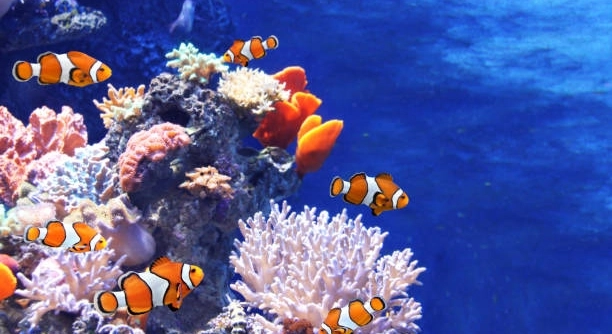
Many aquarium owners enjoy watching clownfish interact with their environment. Sometimes, these fish begin guarding unusual objects, like empty shells. This behavior can be puzzling and prompts questions about what the fish are protecting.
Clownfish guard empty shells because they instinctively seek shelter and protection for their eggs or themselves. This guarding behavior reflects their natural territorial instincts, even if the shells are unoccupied, serving as potential safe sites within their habitat.
Understanding this behavior helps improve care and habitat design for clownfish in captivity. It also sheds light on their natural instincts and social interactions in aquarium settings.
Why Clownfish Choose Empty Shells
Clownfish often select empty shells because these objects resemble natural shelters. In the wild, clownfish seek out anemones or similar hiding spots to protect themselves and their eggs from predators. When kept in tanks without many natural hiding places, they adapt by guarding empty shells. This behavior shows their instinct to claim safe territory. The shells provide a hard surface where clownfish feel secure, even if no eggs are present. Sometimes, they move shells or clean them as if preparing a nest. This activity helps them establish control over their environment and reduces stress. Tank conditions like water quality and the presence of other fish can also influence their guarding behavior. Knowing this helps aquarists create better habitats by adding suitable shelter options to meet their clownfish’s needs.
Clownfish guarding empty shells is mainly a protective and territorial behavior. It reflects their natural instincts to find safe spaces within their environment.
Adding proper shelters can improve your clownfish’s comfort and reduce stress, leading to healthier, more natural behavior in captivity.
How to Respond to This Behavior
Clownfish guarding empty shells is normal, but providing better shelter options can improve their environment. Offering artificial anemones or small caves encourages natural behavior and reduces the need to guard unsuitable objects. It is also important to keep the tank clean and maintain stable water conditions, which can lower stress levels. Watching your clownfish’s behavior helps you notice if guarding becomes aggressive or obsessive, which may indicate stress or lack of space. When this happens, rearranging the tank or adding more hiding spots can help balance their environment. Feeding clownfish a proper diet also supports overall well-being and reduces anxious behavior. Addressing these factors allows your clownfish to feel secure and less focused on guarding empty shells, promoting healthier interaction within the aquarium.
To help clownfish, improve shelter and maintain a stable environment. This approach supports their natural instincts and wellbeing.
Adjusting tank conditions and habitat structure encourages your clownfish to engage in more positive, natural behaviors and thrive in captivity.
Signs Your Clownfish Is Guarding Shells
Clownfish guarding shells often display protective postures. They stay close to the shells, chase away other fish, and may repeatedly enter and exit the shells. These signs show territorial behavior related to shelter or potential nesting.
When guarding empty shells, clownfish exhibit focused attention on these objects. They may swim tightly around the shells or hover near them for long periods. This behavior can include gentle cleaning or moving the shell. Aggressive displays toward tank mates also increase, as the fish defends its claimed space. These actions suggest the fish views the shell as important territory, even without eggs present. Watching these signs can help identify stress or environmental needs. It’s important to ensure the tank has enough space and hiding places to prevent excessive guarding and aggression.
In some cases, clownfish guarding shells might indicate readiness to breed, though no eggs are visible. Their attachment to the shell reflects instinctive preparation for egg laying or protection, showing natural reproductive behavior even in captivity.
Environmental Factors Affecting Shell Guarding
Water quality directly impacts clownfish behavior, including guarding habits. Poor conditions cause stress, making fish more defensive. Keeping water clean and parameters stable reduces this behavior. Lighting also plays a role, as too bright or inconsistent light can increase stress, affecting how much time clownfish spend guarding shells. Tank size matters too; small spaces limit movement and hideouts, forcing fish to protect limited areas. Introducing natural or artificial shelters helps. Finally, the presence of other fish or aggressive species influences guarding. Clownfish protect shells more when they feel threatened by tank mates. Adjusting the environment by balancing tank population and providing proper hiding spots reduces stress and excessive guarding.
How to Reduce Excessive Shell Guarding
Providing more hiding spots helps reduce shell guarding. Adding artificial anemones, coral decorations, or small caves gives clownfish alternative shelters to claim. This spreads out their attention.
Regular tank maintenance also lowers stress. Clean water and stable conditions make clownfish feel safe, which reduces the need to guard empty shells constantly.
Feeding and Its Effect on Behavior
Proper feeding supports healthy clownfish behavior. A balanced diet with high-quality pellets, frozen foods, and occasional live treats provides essential nutrients. Well-fed fish are less anxious and less likely to show obsessive guarding behavior.
Hunger or poor nutrition can increase stress, making clownfish more territorial. Feeding on a regular schedule helps maintain calm and reduces guarding intensity.
When Guarding Becomes a Problem
If shell guarding turns aggressive or obsessive, it can harm tank mates or cause stress to the clownfish itself. Aggression may lead to injuries or bullying.
In such cases, consider rearranging the tank layout or increasing shelter options to break territorial habits and encourage more peaceful interactions.
FAQ
Why does my clownfish guard empty shells but not lay eggs?
Clownfish guarding empty shells without laying eggs is common. This behavior is tied to their natural instinct to protect potential nesting sites. Even if no eggs are present, they treat the shell as a safe area to defend. It helps them feel secure and signals territorial control, especially in a tank without many hiding spots.
Can guarding empty shells stress my clownfish?
Yes, excessive guarding can increase stress. When a clownfish spends too much time protecting a shell, it may become more aggressive or anxious. This can lead to health issues and disrupt tank harmony. Ensuring proper shelter and good water conditions helps lower stress and prevents obsessive guarding.
Should I remove the empty shells if my clownfish guards them too much?
Removing shells isn’t always the best solution. Taking away a guarded shell might cause frustration or increase stress. Instead, try adding more hiding spots or artificial shelters. This gives your clownfish alternatives and reduces the focus on any single object.
Does guarding behavior mean my clownfish is ready to breed?
Guarding shells can be a sign of breeding readiness, but it’s not a guarantee. Clownfish prepare nesting sites by guarding shells or similar objects before laying eggs. However, some fish guard shells simply out of territorial instinct, even if breeding conditions aren’t ideal.
How can I tell if the guarding is aggressive or normal?
Normal guarding involves staying close to the shell and mild chasing of other fish. Aggressive guarding shows constant chasing, biting, or bullying tank mates. If aggression is severe or prolonged, it may harm other fish and require tank adjustments.
What type of shelters should I provide to reduce shell guarding?
Offering artificial anemones, coral caves, or small rock formations helps. These shelters mimic natural environments and give clownfish safe spaces. Multiple hiding spots encourage less territorial behavior and improve overall tank harmony.
Can tank size affect shell guarding behavior?
Yes, smaller tanks limit space and hiding places, increasing territorial guarding. Larger tanks with ample shelter options reduce competition and stress, leading to less obsessive guarding of empty shells.
Does feeding affect guarding behavior?
Proper feeding supports calm behavior. Well-nourished clownfish are less anxious and territorial. Irregular or poor diets can increase stress, causing fish to guard more intensely. Feeding a balanced diet on a consistent schedule helps reduce guarding.
Is it normal for clownfish to move or clean shells?
Yes, this behavior is part of nest preparation. Clownfish may move shells or clean their surfaces, mimicking natural nesting habits. This activity strengthens their connection to the shell and reinforces their territorial behavior.
How can I reduce stress related to shell guarding?
Maintain clean water, stable tank parameters, and provide enough shelter. Avoid overcrowding and aggressive tank mates. A well-balanced environment reduces stress and helps clownfish feel safe without obsessive guarding.
Can shell guarding damage the shells or tank decorations?
Clownfish typically do not damage shells or decorations seriously, but constant movement or cleaning can cause minor wear. Regular tank checks help ensure decorations remain safe and intact.
Is guarding empty shells a sign of poor tank conditions?
Not necessarily, but poor conditions can worsen guarding behavior. Stress from bad water quality or lack of space may increase territorial instincts. Good tank maintenance reduces these behaviors and promotes healthier fish.
What should I do if my clownfish becomes overly aggressive?
First, check tank conditions and provide more hiding places. Rearrange decorations to break established territories. If aggression persists, consider separating fish or consulting an expert to maintain peace.
Are there specific tank mates that influence shell guarding?
Yes, aggressive or territorial species nearby can increase guarding behavior. Choosing peaceful companions reduces stress and helps clownfish feel less threatened, lowering the need to guard shells obsessively.
Clownfish guarding empty shells is a natural behavior rooted in their instincts. They look for safe places to protect themselves and their potential eggs. Even if there are no eggs in the shells, clownfish may still guard them because these shells serve as shelter or territory. This behavior is part of how they feel secure in their environment, especially when other hiding spots are limited. Understanding this helps aquarium owners provide better care and improve the living space for their fish. It also shows how clownfish adapt their natural behaviors when kept in captivity.
Creating a comfortable environment is key to managing this guarding behavior. Providing various hiding places such as artificial anemones, coral caves, or empty shells gives clownfish more options for shelter. This reduces their need to guard a single empty shell excessively. Maintaining good water quality and stable tank conditions also lowers stress, which can decrease aggressive or obsessive behaviors. Regular feeding with a balanced diet supports their overall health and calmness. By paying attention to these factors, owners can help their clownfish thrive and display more natural, relaxed behaviors.
In some cases, guarding empty shells may be linked to breeding instincts. Clownfish prepare nesting sites before laying eggs, and guarding shells is part of this process. However, not all guarding behavior means the fish is ready to breed; it often relates simply to territory and security. Monitoring the fish’s behavior and tank environment is important to ensure the fish are not stressed or overly aggressive. Adjusting the tank setup when needed can improve the well-being of clownfish and other tank mates. Overall, observing and responding to these behaviors creates a healthier and more balanced aquarium.

Hello,
If you enjoy the content that we create, please consider saying a "Thank You!" by leaving a tip.
Every little bit helps us continue crafting quality advice that supports the health, happiness, and well-being of pets around the world, for pets of all shapes, sizes, and species.
We really appreciate the kindness and support that you show us!