
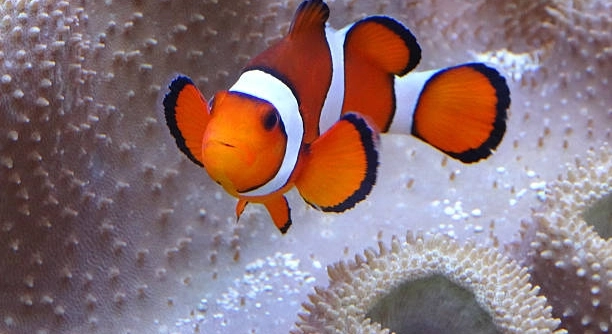
Have you ever noticed your clownfish hiding more often, staying close to the bottom, or avoiding other fish in the tank?
Clownfish often become timid due to environmental stress, such as poor water quality, sudden changes in tank conditions, or the presence of aggressive tank mates. These factors can cause behavioral shifts and decreased activity.
Understanding what triggers this behavior can help you create a more comfortable and safe space for your clownfish to thrive.
Common Reasons Behind Timid Behavior
Clownfish can act timid when something in their environment feels off. A sudden change in water temperature, pH levels, or ammonia spikes can cause stress. Even something as simple as new tank decor or lighting adjustments can make them uneasy. Poor water conditions are one of the most common causes of behavioral changes. It’s also important to look at other tank mates—larger or aggressive fish can make clownfish feel threatened. If their territory is invaded or if they’ve lost a mate, they may become withdrawn. Clownfish are sensitive creatures and react to both small and big changes in their surroundings.
Watch your fish for a few days. If they’re still hiding or acting different, check the water parameters and review recent changes in the tank.
If everything seems fine but your clownfish is still acting timid, it could be internal stress or illness. Look for signs like rapid breathing, fading color, or loss of appetite.
How to Help Your Clownfish Feel Safe
Start by testing the water. Keep ammonia at zero, nitrites low, and maintain a stable temperature. A quick check of your filter and heater can catch small issues before they grow.
Clownfish need a stable and peaceful habitat to feel secure. Make sure their environment stays consistent. Avoid adding new tank mates too quickly, especially if they’re much larger or aggressive. Provide hiding spots using soft corals or artificial caves where your clownfish can retreat when they feel uneasy. If your tank is overcrowded, consider giving them more space by removing a few fish. Lighting also plays a role—if it’s too harsh, use dimmer options or add shaded areas. Feeding high-quality food on a regular schedule helps maintain their energy and health. Lastly, observe their behavior often. Clownfish may not always show distress clearly, but regular observation will help you notice subtle shifts before they become a bigger problem.
Tank Setup and Maintenance Tips
A clean, stable tank helps reduce stress in clownfish. Test water regularly, keep filters clean, and avoid sudden changes in temperature or lighting. Small adjustments made slowly are easier for your clownfish to handle and adapt to.
Make sure your tank has enough space for all the fish. Overcrowding leads to tension and stress, especially for clownfish that prefer a set territory. Add soft hiding places like live rock, anemones, or artificial decorations. Keep your lighting on a consistent schedule—too much brightness can cause discomfort. Feed your clownfish a balanced diet with quality pellets or frozen foods. Uneaten food should be removed to avoid water quality issues. Check your heater often to maintain a stable temperature between 75–82°F.
A consistent cleaning routine is key. Do partial water changes weekly, even if everything looks fine. Algae buildup, leftover food, and waste can affect your clownfish even before you see visible signs in the water.
Social Behavior and Tank Mates
Clownfish are territorial and prefer calm surroundings. If a tank mate is too dominant or aggressive, your clownfish may begin to hide or act anxious.
Choose peaceful tank mates that won’t chase or nip at clownfish. Damsels, firefish, and gobies usually coexist well in the same tank. Avoid placing clownfish with fast swimmers or fish known to claim territory aggressively. When introducing a new fish, rearrange some decor to break established zones and reduce territorial behavior. If two clownfish are kept together, one may become more dominant as they bond. This is normal, but if one becomes overly aggressive, they might not be compatible. Watch closely when pairing new clownfish. It’s better to introduce them at the same time and when they are still young. If one clownfish remains timid for more than a few days, it may be worth separating them temporarily to reduce stress.
Signs of Stress to Watch For
Clownfish may stop swimming around actively, lose their appetite, or spend more time hiding when they’re stressed. You might also notice rapid breathing, clamped fins, or duller coloring than usual.
Sometimes they avoid their usual spot in the tank or stay in one corner. These are quiet signs something is off.
When to Separate Clownfish
If one clownfish constantly chases or nips at the other, it might be best to separate them. Timid behavior caused by bullying can lead to long-term health issues if not addressed. Use a divider or move one fish to a separate tank. Always watch how they interact during feeding and resting times. Sometimes, giving them time apart helps reduce aggression. After separation, reintroduce them slowly, preferably when both are calm and conditions are stable. If tension returns, they may not be a good match and keeping them apart may be the better choice for their well-being.
Final Notes on Behavior Changes
Behavior changes usually have a clear cause. Acting early helps prevent more serious problems later.
FAQ
Why is my clownfish hiding all the time?
Clownfish often hide when they feel threatened or stressed. Changes in water quality, temperature, or tank conditions can make them anxious. Aggressive tank mates or overcrowding also cause them to seek shelter more often. Providing plenty of hiding spots and maintaining stable tank conditions usually helps reduce hiding behavior.
Can timid behavior in clownfish be a sign of illness?
Yes, clownfish that suddenly become withdrawn might be sick. Illnesses like parasites, bacterial infections, or swim bladder problems can cause lethargy and hiding. Watch for other symptoms such as loss of appetite, discoloration, or unusual swimming patterns. If you suspect illness, testing water quality and consulting a vet or expert is important.
How long does it take for clownfish to stop being timid?
The time varies depending on the cause. If the issue is environmental stress, they may improve within a few days after conditions stabilize. If social stress from tank mates is involved, it can take weeks or require separating fish. Patience and careful monitoring are key.
Is it normal for clownfish to be shy around new tank mates?
Yes, clownfish can be shy when new fish are introduced. They need time to adjust and establish territory. Introducing new fish slowly and rearranging decorations can help ease the transition. Avoid aggressive or large fish that could intimidate your clownfish.
What can I do if my clownfish is still timid after improving tank conditions?
If your clownfish remains timid, check for hidden issues like parasites or internal health problems. Sometimes stress builds up from subtle causes like inconsistent feeding or poor water flow. Ensuring a calm environment, regular feeding, and gentle handling can help. If problems persist, seek advice from an aquarium specialist.
Do clownfish prefer company or being alone?
Clownfish are social but territorial. They often do well in pairs, especially bonded mates. However, too many clownfish in a small tank can cause stress and aggression. A single clownfish can also thrive if tank conditions are good and it has enough space.
How does lighting affect clownfish behavior?
Too bright or inconsistent lighting can stress clownfish and cause them to hide. Clownfish prefer moderate, stable lighting with a regular day-night cycle. Using timers can help keep lighting consistent and reduce stress.
Can diet affect my clownfish’s behavior?
Yes, poor diet or irregular feeding can make clownfish weak and less active. Feeding high-quality pellets, frozen shrimp, or flakes regularly ensures they get the nutrients needed for energy and health. Avoid overfeeding, which can pollute the tank and increase stress.
Is it harmful if clownfish stay hidden for long periods?
Prolonged hiding can signal ongoing stress or illness, which impacts their health. If your clownfish hides for more than a week, review water quality, tank mates, and feeding. Long-term stress weakens their immune system and may lead to disease.
How can I tell if tank mates are causing stress to my clownfish?
Signs include your clownfish hiding more, being chased, or showing fin damage. Aggressive or fast-moving fish often intimidate clownfish. Observe interactions closely, especially during feeding. If bullying occurs, rearranging the tank or separating fish can reduce stress.
What role do anemones play in clownfish behavior?
Clownfish have a symbiotic relationship with anemones, which provide shelter and safety. Having an anemone can help your clownfish feel secure and reduce timid behavior. However, not all tanks can support anemones, and they require special care.
Can stress cause color changes in clownfish?
Yes, stressed clownfish may show dull or faded colors. Healthy clownfish usually have bright and vibrant hues. Changes in color combined with hiding or lethargy should prompt a check of water quality and tank conditions.
How often should I test my aquarium water to keep clownfish happy?
Testing water weekly is ideal, especially for ammonia, nitrites, nitrates, pH, and temperature. Frequent testing helps catch problems early before they stress your clownfish. Keeping records of water tests can show trends and help prevent issues.
What’s the best way to introduce new fish to a clownfish tank?
Introduce new fish slowly and one at a time if possible. Rearranging decorations before adding new fish breaks established territories and reduces aggression. Keep an eye on how your clownfish reacts and be ready to separate fish if needed.
Can clownfish recover from stress completely?
Yes, clownfish can recover fully if stress causes are removed quickly. Stable water conditions, peaceful tank mates, and proper care help restore confidence. Some fish take longer to regain their usual activity, so patience is important.
Should I quarantine new clownfish before adding them to my tank?
Quarantining new clownfish helps prevent introducing diseases and parasites. A 2–4 week quarantine in a separate tank allows you to monitor health and treat any issues before adding them to the main aquarium. This step can protect your entire tank population.
Clownfish can sometimes act timid for many reasons, but most of them come down to stress. Changes in the tank environment, poor water quality, or aggressive tank mates can make them feel unsafe. When a clownfish hides or moves less, it is often a sign that something is bothering them. It is important to watch their behavior closely because these changes can tell you a lot about how they are feeling. If you notice your clownfish acting timid, checking the water and the tank setup should be your first step. Keeping the water clean and stable will help your fish feel more comfortable and healthy.
Creating a peaceful and balanced tank environment is the best way to help your clownfish relax and regain their normal behavior. Providing hiding spots with rocks, corals, or decorations can give your clownfish safe places to retreat when they feel scared. It is also important to be careful about which fish you add to the tank. Some fish may be too aggressive or fast, causing your clownfish to become nervous. Feeding your clownfish a good diet regularly and keeping a steady light cycle will support their overall well-being. Making small changes slowly will help your fish adjust better and avoid causing unnecessary stress.
If you try these steps and your clownfish still seems shy or withdrawn, it may be a good idea to watch for signs of illness or injury. Sometimes health problems can make fish act timid, and catching these issues early will make treatment easier. Remember that every clownfish is different, and some take longer to feel safe than others. Patience is important when helping a timid clownfish. With proper care, attention, and a stable environment, most clownfish will regain confidence and start showing their lively personality again. Taking the time to understand and meet your clownfish’s needs will create a happier and healthier tank for both you and your fish.

Hello,
If you enjoy the content that we create, please consider saying a "Thank You!" by leaving a tip.
Every little bit helps us continue crafting quality advice that supports the health, happiness, and well-being of pets around the world, for pets of all shapes, sizes, and species.
We really appreciate the kindness and support that you show us!