
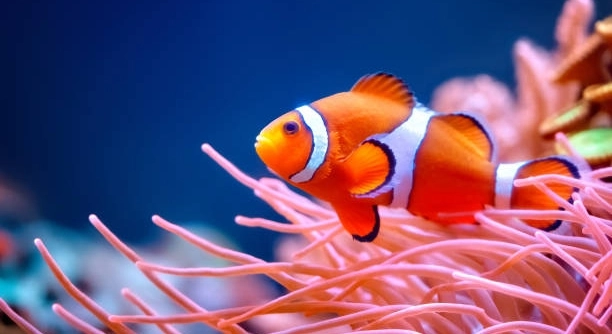
Clownfish and anemones share a unique relationship in home aquariums. Sometimes, a clownfish may reject a newly introduced anemone, causing concern for aquarium owners. Understanding why this happens helps maintain a healthy environment for both species.
Clownfish reject new anemones mainly due to unfamiliarity, stress, or unsuitable anemone species. The fish may need time to acclimate or may not recognize the new host as safe. Environmental factors like water quality and tank conditions also influence acceptance.
Learning these reasons helps you create a stable environment and encourages harmony between clownfish and their anemone hosts. The following information will clarify how to approach this common issue effectively.
Why Clownfish Might Reject a New Anemone
When introducing a new anemone, clownfish may refuse to accept it right away. This rejection often comes from the fish feeling uncertain or stressed. Anemones have specific species preferences, so not every anemone will appeal to every clownfish. The new anemone’s movement, size, and chemical signals affect whether the clownfish recognizes it as a safe home. Additionally, water quality and tank conditions can influence the clownfish’s response. If the water parameters are off, the fish may avoid the anemone altogether. Clownfish rely on their instincts to find protection, so sudden changes or unfamiliarity can cause hesitation. Observing the fish’s behavior closely during this period is essential. Patience is needed, as some clownfish take days or even weeks to accept a new anemone. Providing a stable environment with minimal stress will increase the chances of successful acceptance.
Anemones must be compatible with the clownfish species to ensure proper acceptance.
Sometimes, the rejection is temporary. Clownfish may need time to recognize and trust the new anemone. Offering hiding spots and keeping the tank calm helps. Avoid sudden changes in lighting or water flow to reduce stress. Over time, the clownfish will often explore the anemone more and begin to form a bond. If the fish continues to reject the anemone after several weeks, it may be worth considering a different anemone species better suited to the clownfish. Keeping a consistent routine and monitoring water quality helps the fish feel secure, which is essential for acceptance. Being patient and attentive during this process will make a positive difference for your tank’s balance.
Environmental Factors Affecting Acceptance
Water quality and tank conditions play a critical role in clownfish behavior.
Poor water parameters can make clownfish uneasy and less likely to settle in a new anemone. Temperature, pH, and salinity must be within optimal ranges. Strong currents or aggressive tank mates can also cause stress, making the fish avoid the anemone. A clean, stable environment encourages natural behaviors and bonding. Avoid overcrowding, which may lead to competition or intimidation, affecting the clownfish’s willingness to stay close to the anemone.
Stress and discomfort from environmental factors reduce the chances of successful anemone acceptance. Clownfish need consistent water conditions and a peaceful tank atmosphere. Fluctuations in temperature or chemistry can cause health problems and disrupt their natural instincts. Ensuring the tank is cycled and regularly maintained is important. Providing appropriate hiding spots and gentle water flow helps the fish feel safe. Introducing the anemone during a calm period rather than after recent changes can improve acceptance. Regular testing and adjustments prevent sudden shifts that upset the fish. A quiet, clean tank supports the clownfish’s natural tendency to seek protection within the anemone.
Proper care of the tank environment ensures clownfish feel secure and more willing to accept new anemones. This careful attention promotes harmony and reduces stress-related rejection behaviors.
Acclimating Your Clownfish to a New Anemone
Acclimation takes time and patience. Sudden changes can stress the clownfish, making acceptance difficult. Gradual introduction helps the fish feel safer.
Start by placing the new anemone in a separate container inside the tank for a few days. This allows the clownfish to get used to its presence without direct contact. Slowly move the anemone closer over several days. Monitor how the clownfish reacts and avoid forcing interaction. Keep the lighting and water flow stable to reduce stress during this period. This slow approach encourages the fish to explore and eventually settle with the new anemone naturally.
During acclimation, maintain clean water and stable temperature. Minimize disturbances around the tank, as sudden noises or movements can scare the fish. Provide familiar hiding spots and keep feeding routines consistent to maintain a calm environment. Avoid adding other new tank mates that might increase stress. Observing the fish’s behavior daily helps you know when it is ready to accept the new anemone fully. Patience is key; rushing the process often causes rejection or harm to both species.
Choosing the Right Anemone Species
Compatibility between clownfish and anemone species is crucial for acceptance.
Different clownfish species prefer specific anemones. For example, Ocellaris clownfish often bond with Bubble Tip anemones, while Clarkii clownfish may prefer different hosts. Choosing the wrong anemone can lead to rejection or aggression. Researching the natural pairings in the wild helps in making the right choice for your aquarium. This ensures the clownfish feel comfortable and secure with their new home.
Selecting a healthy anemone is also important. Avoid anemones that show signs of stress or damage, as they may not survive or support the clownfish properly. Make sure the anemone size matches the clownfish size, giving enough room for movement and protection. Proper lighting and water conditions tailored to the chosen anemone species support its health and improve the chances of acceptance. Matching species carefully creates a balanced and thriving environment.
Signs Your Clownfish Has Rejected the Anemone
Clownfish avoiding the anemone or spending most of their time elsewhere may indicate rejection. Lack of interaction is a key sign.
Another sign is aggressive behavior toward the anemone or signs of stress like hiding excessively. This suggests discomfort with the new host.
How to Encourage Acceptance
Consistency in tank conditions and minimal disturbances promote acceptance. Keep feeding schedules regular and maintain stable water parameters. Reducing stress helps the clownfish feel secure and more willing to bond with the anemone.
When to Consider Alternative Solutions
If rejection persists beyond several weeks despite stable conditions, changing the anemone species may be necessary. Sometimes the match is simply unsuitable.
Monitoring Tank Health
Regularly test water quality and observe all inhabitants for signs of stress or illness to maintain a healthy environment.
FAQ
Why did my clownfish suddenly stop living in the anemone?
Clownfish may stop living in an anemone due to stress, changes in water quality, or illness. If the environment shifts abruptly, the fish might feel unsafe and leave its host. Also, if the anemone becomes unhealthy or changes its behavior, the clownfish might avoid it. Make sure the tank is stable and both species are healthy to maintain their bond.
Can clownfish switch between different anemones?
Clownfish can switch anemones, but it’s uncommon in a home aquarium unless conditions force it. They usually form a strong bond with one anemone. If the current host is unhealthy or unsuitable, they may try to find another. Always ensure any new anemone is compatible and that water conditions support both species.
How long does it usually take for a clownfish to accept a new anemone?
Acceptance time varies, often taking from a few days to several weeks. Patience is important since the clownfish needs to feel safe. The acclimation process should be slow and stress-free, allowing the fish to explore the anemone gradually without pressure.
What should I do if my clownfish is attacking the anemone?
Aggressive behavior may indicate stress or that the anemone isn’t a suitable host. Check water parameters and tank conditions first. Reducing stressors and ensuring compatibility is key. If aggression continues, consider replacing the anemone with a species better suited for your clownfish.
Is it normal for a clownfish to ignore an anemone completely?
Yes, it can be normal at first, especially if the anemone is new or the fish is stressed. Clownfish may take time to explore and recognize the anemone as a safe home. Consistent water conditions and patience can encourage bonding over time.
Can lighting affect clownfish and anemone interaction?
Lighting plays an important role in the health of anemones and influences clownfish behavior. Too much or too little light can stress the anemone, affecting its appearance and survival. A stressed anemone might repel the clownfish. Providing proper lighting helps both species thrive and supports their relationship.
Are all anemones safe for clownfish?
Not all anemones are suitable for clownfish. Certain species naturally host specific clownfish varieties. Using the wrong anemone species can lead to rejection or harm. It’s important to research the natural pairings and select anemones that match your clownfish type for the best results.
How does water quality impact clownfish and anemone relationships?
Water quality is critical for the health of both clownfish and anemones. Poor water conditions can stress or weaken either species, making bonding less likely. Keeping stable temperature, pH, and salinity levels within recommended ranges supports a healthy relationship between the two.
What role does tank size play in clownfish and anemone acceptance?
Tank size affects space and comfort. A cramped tank can increase stress and reduce natural behaviors, including the clownfish’s willingness to stay with the anemone. Larger tanks provide more territory and hiding spots, making it easier for the fish to feel safe and accept their host.
Should I introduce the anemone before or after the clownfish?
Introducing the anemone first is usually better. This allows the anemone to settle in without disturbance. When the clownfish is added later, it can explore and choose the anemone more naturally. Adding both at the same time can cause stress and make acceptance harder.
Can other tank mates affect clownfish and anemone bonding?
Yes, aggressive or territorial tank mates can stress clownfish, reducing their willingness to bond with anemones. Peaceful tank companions and a well-planned community help create a calm environment where clownfish feel secure enough to form this relationship.
What are common signs that an anemone is unhealthy?
Unhealthy anemones may appear deflated, discolored, or have damaged tentacles. They might retract for long periods or not respond to touch. An unhealthy anemone is less attractive to clownfish and can even become harmful. Maintaining good water quality and lighting supports anemone health.
How can I improve the chances of my clownfish accepting a new anemone?
Ensure stable water conditions and avoid sudden changes. Introduce the anemone slowly and provide a calm tank environment. Match the anemone species to your clownfish type and maintain regular feeding and maintenance routines. Patience and consistency are essential for success.
Is it harmful if my clownfish never accepts an anemone?
While clownfish naturally seek anemones in the wild, some will live without one in captivity. It’s not harmful if they have sufficient hiding spots and a stress-free environment. However, providing an anemone usually improves their well-being and natural behavior.
Can stress cause clownfish to reject their anemone?
Stress is a common reason for rejection. Causes include poor water quality, overcrowding, aggressive tank mates, or sudden changes in the tank. Reducing stress by maintaining stable conditions and providing a peaceful environment helps encourage acceptance.
What should I do if my anemone is too large for the tank?
If the anemone outgrows the tank, it can become unhealthy or harm other tank inhabitants. Consider relocating it to a larger tank or replacing it with a smaller, more suitable species. Regular trimming and careful placement can also help manage growth.
Are there signs that my clownfish is happy with its anemone?
Happy clownfish will spend time nestled among the anemone’s tentacles and show calm, natural behaviors. They may dart in and out of the host and defend it from intruders. A close bond often means the fish feels secure and healthy.
Can feeding habits affect clownfish and anemone relationships?
Feeding routines impact overall tank health and stress levels. Overfeeding or inconsistent feeding can harm water quality and disrupt behavior. A balanced diet with regular feeding supports both clownfish and anemone health, improving their chances of bonding.
Final Thoughts
Clownfish and anemones have a special connection that can be rewarding to observe in a home aquarium. However, this relationship requires careful attention to many factors. Understanding why a clownfish might reject a new anemone helps improve the chances of success. It often comes down to the fish’s comfort level, the health of the anemone, and the overall tank environment. Keeping these factors in balance is essential for creating a peaceful and thriving habitat.
Patience is one of the most important qualities when working with clownfish and anemones. These animals need time to adjust to changes and to each other. Rushing the introduction or making sudden changes in the tank can increase stress and lead to rejection. A gradual, steady approach to adding new anemones gives the clownfish the chance to explore and accept its new home naturally. Stable water conditions, appropriate lighting, and minimizing disturbances all contribute to reducing stress and encouraging bonding between the fish and the anemone.
Maintaining proper care and attention to both clownfish and anemones supports their health and behavior. Choosing compatible species, monitoring water quality regularly, and keeping a peaceful tank environment help create the right conditions for acceptance. While it can be frustrating if the clownfish rejects the new anemone at first, understanding the reasons behind this behavior can guide adjustments. With time, patience, and the right care, it is possible to foster a strong and natural relationship between clownfish and their anemone hosts.

Hello,
If you enjoy the content that we create, please consider saying a "Thank You!" by leaving a tip.
Every little bit helps us continue crafting quality advice that supports the health, happiness, and well-being of pets around the world, for pets of all shapes, sizes, and species.
We really appreciate the kindness and support that you show us!