
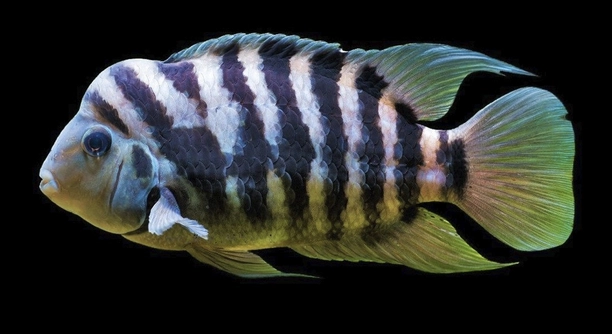
Cichlids are popular aquarium fish known for their interesting breeding behaviors. Many hobbyists enjoy watching them care for their eggs and fry. However, sometimes these fish unexpectedly eat their own eggs, causing concern and confusion.
Cichlids may eat their own eggs due to stress, poor water conditions, or insufficient food. This behavior can also result from instinctive cleaning to remove infertile or fungus-infected eggs, improving the chances of survival for healthy offspring.
Understanding why cichlids behave this way helps fishkeepers create better environments. This knowledge supports healthier breeding and reduces egg loss in your aquarium.
Common Reasons Why Cichlids Eat Their Own Eggs
Cichlids eating their eggs is often linked to environmental stress. Poor water quality, sudden changes in temperature, or overcrowding can make these fish feel threatened. When stressed, cichlids may eat eggs to protect the rest of their brood or reduce the number of offspring to a manageable amount. Another factor is diet. If they lack sufficient nutrients, they might consume their eggs to recycle valuable resources. Instinct also plays a role. Sometimes parents eat infertile or damaged eggs to prevent fungus from spreading to healthy ones. This behavior is a natural cleaning process rather than neglect. Understanding these reasons helps fishkeepers manage tank conditions better and support the fish during breeding. Watching your cichlids carefully during spawning and maintaining optimal tank settings can reduce this behavior. Regular water testing and balanced feeding are key steps in keeping the fish calm and attentive to their eggs.
Stress and poor conditions are the primary reasons behind egg-eating behavior in cichlids. Proper care can minimize these occurrences.
The relationship between cichlids and their eggs is delicate. Egg-eating is rarely about neglect but rather a survival strategy. By eating damaged or infertile eggs, the parents protect healthy ones from infection. Stress-induced eating happens because the fish perceive threats or discomfort. Overcrowding can cause tension, leading to disrupted breeding behavior. Ensuring proper tank size and stable water parameters creates a safe environment that encourages successful breeding. Feeding a diet rich in protein and essential nutrients reduces the need for parents to consume their eggs. Tank decorations and hiding spots help lower stress, allowing parents to focus on caring for their offspring. Observing your cichlids during the breeding phase offers insight into their behavior and health. With patience and proper care, the chances of egg survival can improve significantly.
How to Prevent Your Cichlids from Eating Their Eggs
Controlling tank conditions is vital to preventing egg-eating. Consistent water quality, appropriate temperature, and low stress levels support better parental care.
Preventing egg-eating involves creating a stable, low-stress environment. Keep water parameters within the recommended range for your cichlid species, as fluctuations can cause anxiety. Avoid overcrowding by providing ample space and hiding spots to reduce competition. Feeding your fish a nutritious diet before and during spawning ensures they do not resort to eating their eggs for nutrients. When possible, separate breeding pairs from other fish to reduce disturbances. Monitoring the breeding area closely allows timely intervention if egg-eating begins. Some hobbyists use breeding traps or tanks to protect eggs from parents showing aggressive or egg-consuming behavior. Implementing these measures improves the likelihood of eggs reaching maturity and supports a healthier breeding experience.
Recognizing Stress in Your Cichlids
Stress in cichlids often shows through unusual behavior like hiding, aggression, or loss of appetite. These signs indicate your fish may be uncomfortable or threatened by their environment.
Identifying stress early is crucial for preventing egg-eating. Common causes include poor water quality, sudden changes in temperature, and overcrowding. Fish stressed by aggressive tank mates or constant disturbances may react by eating their eggs. Stress weakens their immune system, making them more prone to illness and reducing their ability to care for offspring. Keeping the tank stable and peaceful helps minimize these risks. Regular observation lets you catch stress signals before they escalate. Adjusting the environment to suit your cichlids’ needs can improve their overall well-being and breeding success.
Stress affects cichlid behavior deeply, often disrupting natural breeding instincts. Reducing noise, ensuring clean water, and providing hiding spaces create a calm environment. Feeding a balanced diet also supports their health during stressful periods. These steps collectively help prevent egg-eating caused by anxiety and environmental pressures.
Feeding Strategies to Support Breeding Cichlids
Proper feeding helps prevent egg consumption by meeting the nutritional needs of breeding cichlids. A diet rich in protein and vitamins strengthens parents and supports egg development.
Feeding high-quality live or frozen foods like brine shrimp, bloodworms, and daphnia during breeding season gives cichlids essential nutrients. Including vegetable matter such as spirulina or peas adds fiber and vitamins. Regular feeding keeps the parents well-nourished, reducing their need to recycle nutrients by eating eggs. Overfeeding should be avoided as it can harm water quality and increase stress. Small, frequent meals are best during breeding to maintain energy levels. Monitoring how your fish respond to feeding helps ensure they get enough nutrition without leftovers polluting the tank.
Balanced feeding supports healthy cichlid behavior and improves egg survival. Adjusting diet to breeding stages promotes better care for eggs and fry. Providing variety keeps parents interested in food rather than eggs, increasing the success of breeding efforts.
Maintaining Optimal Water Conditions
Stable water parameters are essential to prevent stress and egg-eating in cichlids. Regular testing helps keep ammonia, nitrite, and nitrate levels in check.
Performing consistent water changes and avoiding sudden temperature shifts creates a safe environment. Proper filtration supports water clarity and health.
Using Tank Decorations to Reduce Stress
Providing hiding spots and territories with rocks, plants, or caves helps reduce aggression and stress. These structures offer safe areas for breeding pairs.
Tank decorations give cichlids control over their space, helping them feel secure during vulnerable breeding periods.
When to Separate Parents from Eggs
Separating parents from eggs may be necessary if egg-eating persists despite proper care. Using breeding nets or separate tanks can protect the eggs.
This intervention prevents further loss and allows eggs to develop safely without disturbance.
Why do cichlids eat their own eggs?
Cichlids may eat their eggs due to stress, poor water conditions, or nutritional deficiencies. Sometimes, it is a natural behavior to remove infertile or fungus-infected eggs to protect the healthy ones. This instinctive cleaning helps increase the chances of survival for the remaining offspring.
Can poor water quality cause egg-eating?
Yes, poor water quality can stress cichlids, leading them to eat their eggs. High levels of ammonia, nitrites, or nitrates, sudden temperature changes, or unbalanced pH create an uncomfortable environment. Stress weakens their ability to care for eggs and often triggers egg-eating behavior.
How can I reduce stress in breeding cichlids?
Reducing stress involves stable water parameters, sufficient space, and low tank disturbance. Providing hiding spots and maintaining proper filtration helps create a calm environment. Avoid overcrowding and aggressive tank mates to minimize tension during breeding.
Is it normal for cichlids to eat some eggs but not others?
Yes, parents often eat infertile, damaged, or fungus-infected eggs to prevent contamination. This behavior is part of their natural care process and helps protect healthy eggs from disease or decay spreading.
Does feeding affect egg-eating?
Proper feeding is important. If cichlids lack sufficient nutrients, they may eat their eggs to recycle valuable proteins and vitamins. A balanced diet rich in live or frozen foods reduces the chance of egg-eating caused by hunger or nutritional stress.
Should I separate eggs from the parents?
Separating eggs may be necessary if parents continuously eat their eggs despite good care. Using breeding nets or a separate tank can protect eggs and increase survival rates. However, not all species require this step, so observe your fish closely.
How often should I test water during breeding?
Testing water twice a week during breeding is ideal to ensure stable parameters. Keep ammonia and nitrite at zero and nitrates low. Consistent testing allows early correction of issues before they stress your cichlids or harm the eggs.
Can overcrowding cause egg-eating?
Overcrowding creates stress and competition, which often leads to poor parental care and egg-eating. Ensuring enough space and separating aggressive fish supports better breeding conditions and reduces the likelihood of eggs being eaten.
Do cichlids eat their eggs if the eggs are unhealthy?
Yes, eating unhealthy or infertile eggs is a way to protect the brood. Removing these eggs prevents fungus or bacteria from spreading to viable eggs, improving the chances of survival for the rest.
What are signs that my cichlids are stressed?
Signs include hiding, sudden aggression, loss of appetite, or frantic swimming. These behaviors often indicate discomfort or fear, which can lead to disrupted breeding behavior, including egg-eating.
How can I improve egg survival rates?
Maintain stable water conditions, feed a nutritious diet, reduce tank stress, and provide hiding spaces. If needed, separate eggs from parents showing aggressive or egg-eating tendencies. These measures collectively improve survival chances.
Are all cichlid species prone to egg-eating?
Not all species eat their eggs. Some are attentive parents that protect their offspring carefully. Egg-eating is more common in species stressed by environmental factors or nutritional deficits. Knowing your species’ behavior helps prepare for breeding.
What should I feed breeding cichlids?
Feed high-protein foods such as brine shrimp, bloodworms, and daphnia. Including some vegetable matter like spirulina or peas provides vitamins and fiber. Balanced feeding supports egg development and parental health.
How long does it take for cichlid eggs to hatch?
Most cichlid eggs hatch within 3 to 7 days, depending on species and water temperature. Warmer water speeds development, but too high temperatures can cause stress or harm. Stable conditions help ensure successful hatching.
Can tank decorations help reduce egg-eating?
Yes, decorations like rocks, plants, or caves create hiding places and territories. This reduces stress and aggression, giving breeding pairs safer environments and lowering the chance of egg-eating due to anxiety or conflict.
Is it okay to remove infertile eggs manually?
If parents don’t remove infertile eggs, carefully removing them can prevent fungus spread. Use a soft tool to avoid disturbing healthy eggs. This helps maintain a cleaner environment and supports egg survival.
How can I tell if eggs are fertile?
Fertile eggs appear clear or slightly yellow with visible embryos developing inside. Infertile eggs turn white or opaque and may develop fungus. Monitoring eggs daily helps identify which need removal.
What is the best tank size for breeding cichlids?
A tank size of at least 30 gallons is recommended for most cichlids, allowing enough space for breeding pairs and fry. Larger tanks reduce aggression and stress, improving breeding success and egg survival.
Do parents eat eggs if they feel threatened?
Yes, perceived threats can trigger parents to eat their eggs to protect themselves or reduce brood size. Minimizing disturbances near the tank and avoiding sudden movements can help parents feel secure.
How important is water temperature during breeding?
Water temperature directly affects egg development and parental behavior. Maintaining a stable temperature within the species’ preferred range supports healthy eggs and reduces stress that may cause egg-eating. Sudden changes should be avoided.
Understanding why cichlids eat their own eggs helps fishkeepers provide better care during breeding. This behavior is often linked to stress, environmental factors, or natural instincts. While it can be frustrating to see eggs disappear, knowing the reasons behind it allows you to make changes that improve the chances of successful hatching. Keeping water quality stable, reducing stress, and feeding a balanced diet are important steps. These efforts support healthier fish and a safer breeding environment.
Cichlids eating their eggs is not always a sign of poor parenting. Often, it is an instinctive way to remove unhealthy or infertile eggs. This behavior protects the remaining eggs from fungus or bacteria, which could harm the whole brood. In other cases, stress from overcrowding, aggressive tank mates, or sudden changes in the tank can cause parents to eat their eggs. Providing hiding spots and space, as well as careful tank management, can reduce this stress. Observing your fish regularly helps identify problems early so you can take action before egg-eating becomes a bigger issue.
Preventing egg-eating involves a combination of good husbandry practices. Feeding high-quality foods rich in protein and vitamins supports the parents’ health during breeding. Keeping water parameters consistent and performing regular maintenance reduces environmental stress. In some cases, separating eggs from parents may be necessary to protect them from being eaten. Each cichlid species has unique needs, so understanding your specific fish helps tailor care effectively. With patience and attention, you can improve breeding success and enjoy watching your cichlids raise healthy offspring.

Hello,
If you enjoy the content that we create, please consider saying a "Thank You!" by leaving a tip.
Every little bit helps us continue crafting quality advice that supports the health, happiness, and well-being of pets around the world, for pets of all shapes, sizes, and species.
We really appreciate the kindness and support that you show us!