
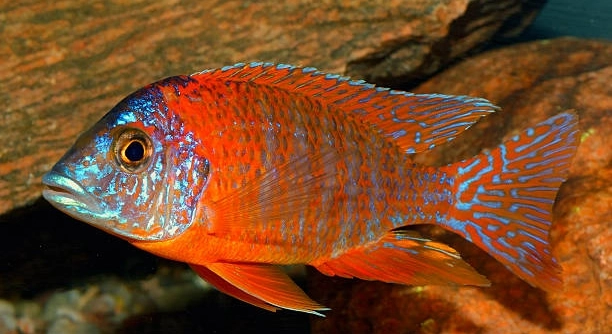
Watching a cichlid suddenly darken in color can feel surprising and a little worrying for any aquarium keeper who cares deeply about fish health, daily behavior changes, and the balance of a peaceful tank environment.
Sudden darkening in cichlids is most commonly linked to stress responses triggered by environmental changes, social aggression, or health disturbances. These factors influence pigment cells in the skin, causing temporary or prolonged color shifts as part of physiological adaptation mechanisms.
Recognizing the reasons behind color changes helps create better care routines and supports long term stability within your aquarium setup.
Stress and Environmental Changes
I noticed color changes often appear after small shifts in the aquarium environment that seem harmless at first. Cichlids are sensitive to water quality, temperature swings, lighting changes, and sudden tank rearrangements. Elevated ammonia, nitrite, or nitrate levels place stress on the body and quickly affect pigmentation. Temperature drops or rapid heating can trigger similar responses. Even replacing décor or substrate can disrupt territory boundaries and increase anxiety. When stress hormones rise, pigment cells contract or expand, leading to darker coloration. This reaction helps cichlids cope with perceived threats but signals discomfort. Consistent maintenance routines, gradual adjustments, and stable parameters reduce these reactions. Monitoring water conditions weekly and making slow changes supports calm behavior. When the environment feels predictable, coloration usually returns to normal over time, reflecting improved comfort and reduced physiological strain. I have seen this pattern repeat in multiple tanks under similar conditions during routine care periods alone.
Stress also comes from social dynamics within the tank. Aggressive tank mates, overcrowding, or constant chasing force cichlids into defensive states. Darker coloration can signal submission or dominance depending on species. Providing adequate space, visual barriers, and compatible companions lowers tension and stabilizes color over extended observation periods at home.
Lighting plays a quiet but important role in color changes. Sudden increases in brightness or long photoperiods can overwhelm sensitive fish. Cichlids rely on consistent light cycles to regulate behavior and rest. In my tanks, adjusting light intensity and timing often reduced darkening within days. Using dimmable fixtures and maintaining steady schedules helps prevent overstimulation. Natural day and night patterns support hormonal balance and visual comfort. When lighting feels stable, cichlids display calmer movement, improved feeding responses, and more balanced coloration throughout the day. This adjustment remains one of the simplest corrections available for home aquariums with minimal effort now.
Health and Behavioral Factors
Health issues can also cause sudden darkening. Parasites, bacterial infections, and internal discomfort place strain on the body. Color shifts often appear alongside reduced appetite or lethargy. Observing behavior closely helps identify problems early and supports timely intervention. I always note subtle changes during daily feeding routines for accuracy now.
Behavioral changes tied to breeding or hierarchy shifts frequently influence coloration. Many cichlids darken when establishing dominance, guarding eggs, or protecting fry. This response is natural and often temporary. However, prolonged darkening combined with isolation or erratic swimming may indicate underlying health concerns. I learned to separate normal breeding displays from warning signs by tracking feeding habits and interaction patterns. Nutrition also plays a role. Diets lacking variety or essential nutrients weaken immune responses and dull coloration. High quality pellets, supplemented with frozen or fresh foods, support pigment stability. Regular observation remains essential. Watching posture, fin condition, and breathing rate provides valuable clues. When changes persist, quarantine tanks allow closer monitoring without added stress. Addressing water quality, diet, and social balance together offers the most reliable improvement. Color often recovers gradually once the root cause is resolved, restoring a healthier and more stable appearance over time. I found patience important, as sudden fixes rarely help. Slow adjustments give the fish time to respond. Keeping notes on changes makes patterns easier to recognize later. Over weeks, this approach builds confidence and reduces unnecessary intervention driven by worry. Consistency supports long term health more effectively than frequent corrections in most cases now.
Tank Mates and Social Structure
I observed darker colors appearing when social balance shifted within the tank. Cichlids react strongly to hierarchy changes, overcrowding, and persistent chasing. These pressures activate defensive coloring used to communicate dominance or submission, helping them cope but signaling ongoing tension that requires attention from the aquarist for stability and calm.
I learned that mixing incompatible species often leads to constant stress responses. Aggressive fish limit access to food and shelter, forcing weaker cichlids into hiding. This prolonged pressure darkens coloration and weakens immunity. Rearranging territories or separating aggressive individuals usually restores balance. Providing caves, plants, and visual breaks reduces direct confrontation. Stocking levels matter as well. Too many fish compress territory space and elevate stress hormones. Observing interactions during feeding reveals underlying issues quickly. Addressing social structure early prevents chronic color changes and supports healthier behavior patterns overall. I monitor tanks closely after any stocking changes to ensure lasting calm.
Breeding periods also influence social stress and coloration. Dominant pairs often darken while defending eggs or fry. Other fish may respond by dulling or darkening their colors as avoidance signals. This behavior is normal but can escalate if space is limited. Temporary dividers or additional hiding spots reduce conflict. I prefer allowing natural behavior while controlling crowding. Once breeding ends and territories relax, coloration typically lightens. Persistent darkness beyond breeding windows suggests unresolved social pressure that should be corrected through tank adjustments and careful observation. This approach has helped me maintain calmer tanks long term without constant intervention or stress.
Water Parameters and Maintenance Habits
Poor water conditions often cause rapid color changes. Elevated ammonia, nitrites, or nitrates irritate gills and skin, triggering stress pigmentation. Inconsistent temperature and pH shifts add further strain. I test water weekly and adjust slowly. Regular water changes dilute waste and stabilize chemistry. Clean filters maintain oxygen flow. When parameters remain steady, coloration becomes more consistent and behavior noticeably calmer over time with fewer health setbacks observed during routine tank care periods at home aquariums.
Maintenance habits directly affect long term color stability. Skipping water changes allows waste buildup that stresses fish gradually. Overcleaning, however, removes beneficial bacteria and causes sudden parameter swings. I follow a balanced schedule, cleaning filters in tank water and replacing media only when necessary. Feeding practices matter too. Overfeeding increases waste and degrades water quality quickly. I offer measured portions and remove leftovers. Stable routines reduce surprises that trigger stress responses. Tracking parameters in a log helps identify patterns early. When maintenance stays consistent, cichlids display steadier coloration, improved appetite, and calmer interactions. This steady approach supports resilience during unavoidable changes like minor temperature shifts or equipment upgrades. I rely on patience rather than quick fixes to maintain long term tank balance and fish health.
Diet and Nutrition Balance
Diet plays a quiet role in color stability for cichlids. Low quality food, limited variety, or missing nutrients weaken pigment expression. I noticed darker tones when feeding lacked balance. Offering protein, plant matter, and vitamins supports healthier coloration and steadier energy levels over time with consistent feeding habits daily routine.
Overfeeding also contributes to stress by degrading water quality. Excess waste increases ammonia and reduces oxygen levels. I keep portions small and scheduled. Rotating pellets, frozen foods, and vegetables prevents deficiencies. A stable diet reduces stress signals that often appear as unwanted darkening during long term aquarium care periods alone.
Natural Color Changes and Normal Behavior
Natural color changes sometimes reflect mood, age, or seasonal behavior rather than problems. Juveniles often darken briefly as they mature. Adults may shift shades during dominance displays or spawning periods. I learned to watch behavior first. Normal swimming, strong appetite, and clear eyes usually signal healthy changes. Stress related darkening often pairs with hiding, clamped fins, or rapid breathing. Time helps clarify the cause. Allowing several days of observation prevents unnecessary adjustments. Understanding natural variation reduces worry and avoids disrupting stable tanks that are functioning well overall when routine care and environment remain consistent for extended observation periods at home.
Monitoring and Early Response
Observation remains the most reliable tool when color changes appear suddenly. I rely on daily checks of feeding, movement, and posture. Writing small notes helps track patterns. Darkening alone is rarely urgent, but combined signs guide better decisions and timely corrections without causing unnecessary stress or repeated interventions over time.
FAQ
Why did my cichlid turn dark overnight
Sudden darkening overnight is often linked to stress triggered by a recent change. This can include a water change, new tank mates, rearranged decorations, or lighting adjustments. Cichlids react quickly to unfamiliar conditions. I usually check temperature, ammonia levels, and behavior first. If everything else looks normal, the color often lightens within a few days once the fish settles and feels secure again.
Is dark coloration always a sign of stress
Dark coloration is commonly stress related, but it is not always negative. Some cichlids darken during dominance displays or breeding periods. In these cases, the fish usually remains active and feeds normally. I focus on overall behavior rather than color alone. Healthy movement and appetite usually indicate a normal response rather than distress.
Can water quality cause long term darkening
Yes, poor water quality can cause prolonged dark coloration. Elevated nitrates, unstable pH, or low oxygen levels place constant strain on the body. Over time, this stress affects pigmentation. I noticed lasting dark tones disappeared only after improving filtration, increasing water changes, and maintaining stable parameters consistently over several weeks.
Do lighting changes affect cichlid color
Lighting has a noticeable impact on color intensity. Sudden brightness or extended light periods can overwhelm sensitive fish. I prefer gradual lighting schedules and moderate intensity. When lighting feels predictable, cichlids appear calmer and show more balanced coloration throughout the day. Inconsistent lighting often causes darker tones to appear more frequently.
Can diet changes make my cichlid darker
Diet influences pigmentation and overall health. Low quality food or limited variety can weaken color expression. I noticed improvement after rotating high quality pellets with frozen and vegetable based foods. Darkening linked to poor diet often improves slowly, usually over several weeks of consistent feeding adjustments.
Should I be worried if only one cichlid turns dark
When only one fish darkens, social pressure is often involved. That fish may be lower in the hierarchy or targeted by others. I observe interactions closely during feeding. If chasing or blocking occurs, I adjust tank layout or separate fish. Addressing social stress usually improves color without further intervention.
Does breeding behavior cause color changes
Yes, breeding often triggers darker coloration. Many cichlids darken while guarding eggs or fry. This is normal and temporary. I allow this behavior while ensuring enough space and hiding areas for other fish. Once breeding ends, color typically returns to baseline without changes to care routines.
How long should I wait before taking action
I usually observe for several days before making changes unless other warning signs appear. Dark color alone is rarely urgent. Loss of appetite, rapid breathing, or hiding suggest a deeper issue. Waiting allows patterns to emerge and prevents unnecessary adjustments that could increase stress.
Can frequent tank maintenance cause darkening
Yes, overly frequent or aggressive cleaning can disrupt stability. Removing too much beneficial bacteria or changing large water volumes at once causes parameter swings. I follow a steady schedule with moderate changes. Stability supports consistent coloration better than constant corrections.
Is darkening linked to illness
Illness can cause darkening, especially when paired with lethargy or clamped fins. Parasites or internal infections strain the body and alter pigmentation. I use quarantine tanks when symptoms persist. Early isolation helps confirm whether health issues are involved without stressing the main tank.
Do juveniles darken more often than adults
Juveniles often show more frequent color shifts as they mature. Hormonal changes and social learning affect pigmentation. I found this normal as long as growth and feeding remain steady. Most juveniles stabilize in color as they reach adulthood.
Can stress darkening become permanent
Prolonged stress can lead to lasting dull or dark coloration. Chronic issues like overcrowding or poor water quality prevent recovery. Once conditions improve, color often returns gradually, though it may take months. Consistency matters more than quick fixes.
Should I isolate a darkened cichlid immediately
Isolation is not always necessary. I isolate only when aggression, illness signs, or feeding issues appear. Otherwise, improving tank conditions often resolves the issue naturally. Unnecessary isolation can add stress rather than relieve it.
Does tank size influence color stability
Tank size plays a major role. Smaller tanks intensify social pressure and waste buildup. I noticed better color stability after upgrading to larger tanks with more territory space. Extra room reduces stress and supports natural behavior patterns.
Can stress from handling cause darkening
Yes, netting and frequent handling cause immediate stress responses. Darkening often appears shortly after. I minimize handling and allow fish time to recover. Color usually normalizes once the fish feels secure again.
Is it normal for color to fluctuate during the day
Daily fluctuations are common. Activity, lighting, and interaction levels affect appearance. I focus on long term patterns rather than brief changes. Stable tanks still show mild shifts throughout the day without indicating problems.
Final Thoughts
Sudden color changes in cichlids can feel alarming at first, especially when the shift appears overnight or without an obvious cause. Over time, I learned that color is one of the clearest ways these fish communicate comfort, stress, and change. Darkening is rarely random. It reflects how the fish responds to its surroundings, tank mates, and internal state. Instead of reacting quickly, slowing down and observing patterns often gives clearer answers. Water quality, space, lighting, and routine all shape how a cichlid looks and behaves. When these elements remain stable, color tends to stabilize as well. Minor changes are normal, and not every dark phase signals trouble. Understanding this reduces unnecessary worry and helps maintain a calmer approach to care.
Consistency remains the strongest tool for long term success. Stable water parameters, predictable feeding schedules, and balanced social setups create an environment where cichlids can thrive without constant stress responses. I found that frequent adjustments often cause more harm than good. Small, thoughtful changes supported by observation lead to better outcomes than repeated corrections driven by concern. Keeping notes, even briefly, helped me recognize cause and effect more clearly. Over time, patterns became easier to identify. This made it simpler to separate normal behavior from genuine problems. Color recovery is often gradual, not instant. Allowing time for the fish to adapt builds resilience and reduces repeated disruptions that prolong stress.
Caring for cichlids becomes easier once color changes are viewed as information rather than immediate problems. Darkening offers clues about comfort, hierarchy, and environment. Responding with patience and steady care strengthens overall tank health. I noticed that tanks managed with restraint and consistency showed fewer extreme color shifts over time. Healthy fish move confidently, eat well, and display balanced coloration even when minor stressors appear. Building this stability takes effort, but it leads to fewer issues and a more rewarding experience. Color changes will still happen, but they become easier to interpret and manage. With steady routines and careful observation, darkening becomes a signal to understand rather than a problem to fear.

Hello,
If you enjoy the content that we create, please consider saying a "Thank You!" by leaving a tip.
Every little bit helps us continue crafting quality advice that supports the health, happiness, and well-being of pets around the world, for pets of all shapes, sizes, and species.
We really appreciate the kindness and support that you show us!