
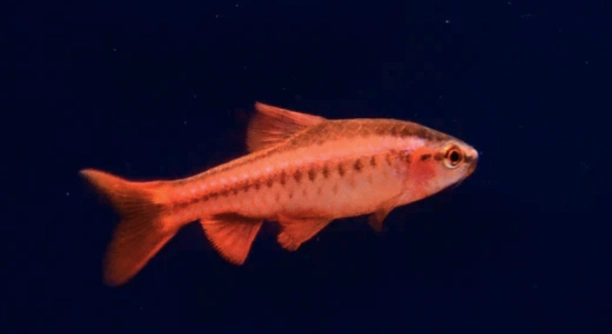
Cherry Barbs are known for their social behavior, often staying with the group. However, there are several reasons why one may stop following the others. Understanding this behavior can help ensure their well-being in the tank.
The primary reason for a Cherry Barb’s deviation from the group may stem from stress, illness, or changes in the aquarium environment. Factors such as water quality, tank mates, and inadequate hiding spots can influence their behavior and cause isolation.
Addressing these factors will help you understand and correct the cause, ensuring your Cherry Barb’s happiness and health.
Stress and Anxiety in Cherry Barbs
Stress is one of the most common reasons a Cherry Barb may stop following its group. This fish thrives in a calm environment, and any sudden changes can trigger stress. Shifting water parameters, like temperature or pH, can create an environment where the fish feels unsafe. Additionally, aggressive tank mates or overcrowded tanks can worsen the situation. If the Cherry Barb feels threatened, it may isolate itself as a protective response. This behavior is not necessarily permanent but can become a pattern if the stress continues. Reducing stress factors and providing a peaceful environment can encourage social behavior.
Stress can also stem from inadequate hiding spots. When Cherry Barbs feel vulnerable, they seek shelter to feel secure. Providing plants, rocks, or caves can help alleviate this. This will give them the opportunity to rest without feeling exposed.
If your Cherry Barb isolates itself, it is essential to assess the tank environment. Make sure the water quality is optimal and that the tank is not overcrowded. Check the temperature and pH levels regularly. Small changes can have a significant impact on their behavior.
Illness and Health Concerns
Cherry Barbs are known for being resilient fish, but they can still fall ill. If your Cherry Barb suddenly stops following the group, it might be sick. Look for symptoms such as loss of color, odd swimming patterns, or lethargy. Health issues can make them more vulnerable, causing them to retreat from the group. Illness can also affect their appetite and energy levels, making them less active and social.
Many illnesses, like fungal or parasitic infections, can go unnoticed until they become severe. Quick intervention is key. Quarantining the sick fish and consulting with a vet experienced with aquarium species is the best course of action. Make sure your fish is getting the proper nutrients and that your water parameters are within safe ranges.
Check your fish regularly for signs of distress and make sure they are not affected by common diseases. Catching problems early can improve their recovery chances and prevent other fish from becoming sick. Proper care and timely action can help restore your Cherry Barb’s normal behavior and health.
Tank Conditions and Water Quality
Cherry Barbs are sensitive to changes in water quality. Poor water conditions can lead to stress and illness, which can cause them to stop following the group. It’s important to regularly test the water for ammonia, nitrites, and nitrates, as well as pH and hardness. Any imbalances should be addressed immediately. A water change or adjusting the filtration system can help restore a healthy environment.
If the water temperature fluctuates too much, it can also affect the Barb’s behavior. Maintaining a stable temperature between 72°F and 78°F is ideal. Using a heater with a reliable thermostat can help prevent sudden shifts, which can stress the fish. Ensure the tank is well-filtered, as low oxygen levels or high waste can also impact their health.
Regular maintenance, such as water changes and checking filtration systems, is necessary to keep water quality high. Any sudden changes in these factors can lead to stress and isolation. A stable environment is key to keeping your Cherry Barb social and healthy.
Tank Mates and Compatibility
Tank mates play a significant role in Cherry Barb behavior. These fish are peaceful, but aggressive or overly active tank mates can cause stress. If a Cherry Barb feels threatened by other fish, it may stop interacting with the group. This is particularly true if larger, more territorial fish are present.
Aggressive species should be avoided. Fish like cichlids or large barbs may intimidate smaller Cherry Barbs. Instead, opt for peaceful species that coexist well with them, such as other tetras, rasboras, or peaceful bottom dwellers like Corydoras. Consider the personality of each fish when setting up the tank to avoid conflict.
The dynamics of the tank can change over time. Adding new fish can disturb the established social structure, making the Cherry Barb feel unsafe. If you notice changes in behavior after introducing new tank mates, carefully monitor interactions. It may take time for them to adjust to the new environment.
Overcrowding in the Tank
Overcrowding can stress your Cherry Barb, leading it to stop following the group. Fish need space to swim and establish their territory. When a tank is overcrowded, it can increase competition for food and cause constant stress. This may result in isolated behavior.
Make sure the tank size is appropriate for the number of fish. Generally, each Cherry Barb needs about 5 to 10 gallons of water. A crowded environment leads to higher waste levels and lower oxygen, which can negatively impact your fish’s health.
Regularly check for signs of overcrowding and adjust the number of fish if necessary. It’s important to provide adequate space for each one.
Tank Decorations and Hiding Spots
Cherry Barbs require hiding spots to feel secure. If the tank lacks plants, rocks, or caves, they may avoid the group to find shelter. A lack of hiding spots can make them feel exposed, leading to isolation.
Providing plenty of plants and decorations encourages them to stay close to the group. These structures help reduce stress by offering places for the fish to retreat when they feel threatened. Ensuring that your fish have a secure environment will help them feel comfortable socializing with others.
Feeding and Nutritional Balance
Poor nutrition can affect your Cherry Barb’s energy levels, causing it to become less active and social. Ensure that you are feeding a balanced diet that includes both high-quality flakes and occasional live food. Without the right nutrients, your fish may isolate itself from the group.
FAQ
Why is my Cherry Barb swimming alone?
A Cherry Barb may swim alone if it’s feeling stressed, unwell, or uncomfortable in its environment. Poor water conditions, aggressive tank mates, or an overcrowded tank can lead to isolation. Stress is often the main reason, and it can be reduced by addressing environmental factors. Ensuring the water parameters are within the ideal range, providing proper hiding spots, and removing aggressive fish can help.
How do I know if my Cherry Barb is stressed?
Stressed Cherry Barbs will often display abnormal behaviors such as erratic swimming, hiding, or staying away from the group. They may also lose their vibrant color and appear lethargic. If you notice these changes, it’s important to check the water quality and ensure the tank is suitable for the species.
Can Cherry Barbs live with other fish?
Yes, Cherry Barbs are peaceful and generally get along with other non-aggressive fish. However, it’s important to select tank mates carefully. Avoid larger, more aggressive fish that could intimidate or bully them. Species like tetras, rasboras, and Corydoras are good companions.
Do Cherry Barbs need a heater?
Yes, Cherry Barbs are tropical fish and require a stable water temperature between 72°F and 78°F. A heater is necessary to maintain this temperature range, especially in colder climates or tanks with fluctuating temperatures. Consistent temperature helps reduce stress and ensures your Cherry Barb remains healthy.
How often should I change the water in my Cherry Barb’s tank?
Water changes should be performed regularly to keep the environment clean and healthy. A 25-30% water change every 1-2 weeks is recommended. However, if the tank is heavily stocked or the water quality drops quickly, more frequent changes may be necessary. Always check water parameters before and after water changes to ensure stability.
How do I make my Cherry Barb feel safe in the tank?
Provide plenty of plants, rocks, and caves to create hiding spots where your Cherry Barb can retreat when it feels threatened. Fish are naturally cautious, and having a safe space helps reduce stress and encourages social behavior. A well-planted tank also provides territory and reduces aggression.
Can Cherry Barbs survive in a cold tank?
Cherry Barbs are tropical fish and should not be kept in cold water. A temperature below 72°F can cause stress and illness. They thrive in warmer temperatures, so it’s important to maintain the right conditions in their tank to keep them active and healthy.
Why is my Cherry Barb turning pale?
Paleness can be a sign of stress, illness, or poor water conditions. If your Cherry Barb is turning pale, check the water quality, temperature, and tank mates. Stress from aggression or overcrowding can also lead to a loss of color. Additionally, nutritional deficiencies or parasites may cause pale coloration.
What can I do if my Cherry Barb is not eating?
If your Cherry Barb is not eating, check the water quality first. Stress, illness, or changes in the tank can lead to loss of appetite. Offering a variety of foods, such as high-quality flakes, pellets, and live or frozen food, can help stimulate their appetite. Make sure that the food is appropriate for their size and dietary needs.
Do Cherry Barbs need a filter?
Yes, Cherry Barbs benefit from a filtration system that keeps the water clean and oxygenated. A filter helps remove debris, toxins, and waste from the tank, which is important for maintaining water quality. Make sure the filter is not too strong, as Cherry Barbs prefer calm waters.
How can I tell if my Cherry Barb is pregnant?
Female Cherry Barbs can show signs of pregnancy when their bellies become visibly rounder. They may also become more reclusive and rest near the bottom of the tank. Males will often chase and display to the females during breeding. However, Cherry Barbs do not usually breed in home aquariums unless conditions are ideal.
Can Cherry Barbs live in a community tank?
Yes, Cherry Barbs are social fish and thrive in community tanks with other peaceful species. They are non-aggressive and enjoy the company of other fish. However, it’s important to avoid placing them with territorial or aggressive species that may cause them to isolate themselves from the group.
What’s the lifespan of a Cherry Barb?
Cherry Barbs generally live for 3 to 5 years with proper care. The lifespan can be affected by water quality, diet, and tank conditions. Maintaining stable water parameters and a suitable tank environment can help ensure your Cherry Barb lives a long, healthy life.
Can Cherry Barbs be kept with shrimp?
Yes, Cherry Barbs are usually safe to keep with shrimp. They are peaceful and typically won’t harm small shrimp, like cherry or ghost shrimp. However, larger shrimp or those with more defensive behavior may not be suitable. Always monitor interactions between fish and shrimp to ensure their safety.
How can I improve my Cherry Barb’s social behavior?
Improving social behavior involves creating a calm and comfortable environment. Reducing stress by ensuring proper water conditions, providing enough space, and selecting suitable tank mates can encourage your Cherry Barb to interact more with the group. A stable, peaceful environment is key to their well-being.
Do Cherry Barbs need direct sunlight?
Cherry Barbs do not require direct sunlight. In fact, excessive exposure to direct sunlight can cause algae growth and fluctuating water temperatures. However, they do benefit from a natural light cycle, so it’s important to provide indirect light or use an aquarium light with a timer for day and night cycles.
Final Thoughts
Understanding why your Cherry Barb has stopped following the group involves considering several factors. A change in behavior often points to stress, which can be caused by overcrowding, unsuitable water conditions, or tank mates that aren’t a good fit. Ensuring that your tank is properly sized and that the water quality is ideal will go a long way in preventing these issues. Monitoring fish health and adjusting the environment to meet their needs is essential for keeping them social and active.
In addition to tank conditions, Cherry Barbs are social fish that thrive when they feel secure. Providing plenty of hiding spots and maintaining a peaceful community tank can help encourage them to stay with the group. A lack of hiding spaces or the presence of aggressive tank mates may cause your fish to isolate itself. By creating a calm environment with plenty of plants and decorations, you can foster a sense of safety for your Cherry Barb, allowing it to feel more comfortable socializing with others.
Lastly, always monitor your fish’s health and behavior closely. If your Cherry Barb continues to swim alone, it may be a sign of illness or a deeper issue that needs attention. By keeping track of its diet, water parameters, and overall environment, you can ensure that your Cherry Barb remains healthy and social. Regular water changes, proper feeding, and providing a balanced ecosystem are key steps to maintaining the well-being of your fish and helping them thrive in your aquarium.

Hello,
If you enjoy the content that we create, please consider saying a "Thank You!" by leaving a tip.
Every little bit helps us continue crafting quality advice that supports the health, happiness, and well-being of pets around the world, for pets of all shapes, sizes, and species.
We really appreciate the kindness and support that you show us!