
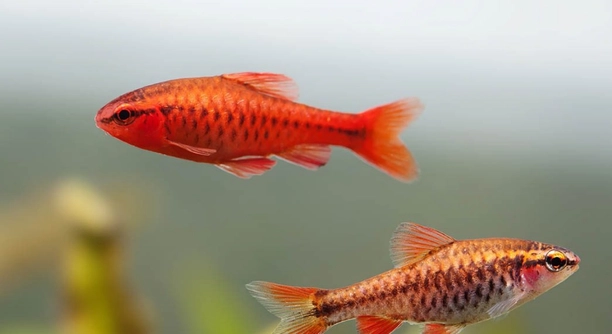
Cherry Barbs are beautiful, peaceful fish commonly kept in aquariums. However, if you notice that your Cherry Barb is breathing heavily, it can be concerning. Understanding why this happens can help ensure your fish stays healthy and happy.
A Cherry Barb may breathe heavily due to stress, poor water quality, or health issues such as an infection or gill damage. It is important to assess water parameters, tank conditions, and the overall health of the fish.
Recognizing the reasons behind heavy breathing in your Cherry Barb will help you address the situation properly. Ensuring a balanced environment and prompt action can prevent further health complications.
Common Causes of Heavy Breathing in Cherry Barbs
Heavy breathing in Cherry Barbs is often a sign of stress, poor water quality, or possible health problems. Stress can be caused by a variety of factors, such as sudden changes in the aquarium environment, tank mates, or overpopulation. If the water conditions aren’t ideal, your fish might struggle to get enough oxygen. In some cases, health issues like parasites or gill damage can also contribute to heavy breathing. It’s important to assess all aspects of your tank to pinpoint the cause of your fish’s distress.
Sometimes, when a Cherry Barb feels threatened or unsafe, its breathing rate increases. Fish rely heavily on water quality for oxygen, and if your tank’s oxygen levels are too low, they will struggle to breathe. Ensuring that your tank has proper filtration and circulation can help your fish breathe more comfortably.
Regular maintenance and attention to water conditions are key to preventing this issue. Check for any changes in water temperature, pH, or ammonia levels, as these factors can affect the fish’s respiratory system. Stress can be avoided by maintaining a stable tank environment, reducing noise, and limiting sudden changes.
How to Improve Water Quality for Your Fish
Maintaining good water quality is essential to a healthy aquarium. Water that is too dirty or unbalanced can lead to many issues, including heavy breathing in your Cherry Barbs. Regularly cleaning the tank, checking filter systems, and replacing water will help reduce stress and improve the oxygen supply.
To ensure proper water quality, you should monitor ammonia, nitrate, and nitrite levels, as they can be harmful to fish if they rise too high. The temperature should remain stable, usually between 72°F to 78°F for Cherry Barbs. Frequent water changes will help keep the tank’s conditions in check and prevent harmful buildups. Keep a close eye on any fluctuations in water parameters and adjust accordingly to avoid any stress or respiratory problems for your fish.
Oxygen Levels and Water Movement
If the water in your aquarium lacks proper oxygen levels, your Cherry Barb might begin to breathe heavily. Poor water circulation or overstocking can reduce oxygen, making it difficult for your fish to breathe. Low oxygen can also be exacerbated by high temperatures, which reduce the water’s capacity to hold oxygen.
Adding an air pump or improving the filter system can help increase oxygen levels. It’s important to have good water movement to ensure that oxygen is evenly distributed throughout the tank. When fish are stressed, they tend to breathe more rapidly, so improving oxygen flow can ease their discomfort. Remember to check your filter regularly to avoid clogging, which can reduce circulation.
Also, avoid overcrowding the tank. Too many fish in a small space can lead to poor oxygen levels, which can stress your Cherry Barbs and make them breathe harder. Make sure to balance the number of fish in the tank according to its size, and keep the water well-oxygenated for the well-being of your fish.
Temperature and Tank Conditions
Water temperature plays a crucial role in your fish’s breathing. If the temperature is too high, it will lower the amount of oxygen in the water, making it harder for your Cherry Barbs to breathe. A temperature range of 72°F to 78°F is ideal for them, and consistent temperatures are important for their health.
Sudden temperature fluctuations can also cause stress and make your fish breathe heavily. Cherry Barbs are sensitive to rapid changes in their environment. Using a heater with a thermostat can help maintain a steady temperature in your aquarium, which reduces the chances of stress. It’s a good idea to monitor the water temperature regularly using a reliable thermometer.
If your tank’s temperature is too warm, try to find ways to lower it, such as reducing the room temperature or adding more aeration. Your fish will benefit from a stable, comfortable environment that supports their respiratory health.
Tank Mates and Stress
The tank mates of your Cherry Barb can significantly impact its stress levels. Aggressive fish or territorial species can cause your Barb to become anxious, which leads to rapid breathing. It’s important to ensure your tank is filled with peaceful companions that won’t provoke unnecessary stress.
Make sure to observe your fish for any signs of aggression or bullying. If you notice any behavior like chasing or fin nipping, it could be a sign that stress is building. This stress will cause your Cherry Barb to breathe faster as it tries to manage the pressure.
Water Quality Testing
Testing your aquarium’s water regularly is essential for maintaining healthy conditions. Using a reliable test kit can help you track ammonia, nitrite, nitrate, and pH levels. These parameters should be within the appropriate range to avoid any harm to your Cherry Barb.
If any of these levels are too high or low, it can lead to heavy breathing and even health issues. Consistent testing helps you identify problems early, so you can make adjustments before things get worse. Regular water checks ensure that your Cherry Barb stays healthy and comfortable in its environment.
Possible Health Problems
Health problems like gill infections, parasites, or internal issues can also cause your Cherry Barb to breathe heavily. If you’ve ruled out environmental factors, it’s worth checking for signs of illness. Look for any changes in behavior, such as lethargy or difficulty swimming, which can signal health issues.
FAQ
Why is my Cherry Barb gasping for air?
If your Cherry Barb is gasping for air at the surface, it may be struggling due to low oxygen levels in the water. This can happen if the water is stagnant, not properly filtered, or if the temperature is too high. When oxygen levels are insufficient, fish may swim near the surface where oxygen is more abundant, leading to gasping. Make sure your tank has proper filtration and aeration to help with oxygen distribution. Check the water temperature and ensure it’s within the recommended range for Cherry Barbs to reduce stress.
Can high temperatures cause my Cherry Barb to breathe harder?
Yes, high temperatures can definitely cause your Cherry Barb to breathe harder. As the temperature rises, the oxygen levels in the water decrease, which forces your fish to work harder to get enough oxygen. Cherry Barbs do best in water temperatures between 72°F and 78°F. If the temperature in your tank is higher than that range, it can stress the fish and lead to rapid breathing. Consider using a cooling fan or adjusting the room temperature if necessary to help bring the tank’s temperature down.
What if my Cherry Barb is swimming at the surface a lot?
Swimming near the surface can indicate that your Cherry Barb is seeking more oxygen. When fish have trouble breathing, they often move closer to the surface where oxygen is more concentrated. This could be due to low oxygen levels in the tank or a water quality issue. It’s important to check if the water flow is adequate and whether the filter is working properly. You may also want to increase aeration with an air pump or increase water movement in the tank to help provide more oxygen.
Could my Cherry Barb have an infection?
Infections can cause a Cherry Barb to breathe heavily, especially if there are issues with the gills or respiratory system. Look for other signs of infection such as abnormal swimming, lesions, or cloudy eyes. Infections might be caused by poor water conditions, so it’s essential to check for any imbalances in the water. If you suspect an infection, it’s best to isolate the affected fish and treat them with appropriate medication. Consult an aquarium specialist for proper diagnosis and treatment options.
How can I reduce stress for my Cherry Barb?
Stress in Cherry Barbs can cause rapid breathing and other behavioral changes. To reduce stress, ensure that the tank is not overcrowded and that tank mates are peaceful. Avoid sudden changes in water parameters, such as temperature fluctuations or abrupt changes in pH levels. Maintaining a stable, quiet environment and offering hiding spots will also help your Cherry Barb feel secure. Additionally, avoid overfeeding and always clean the tank regularly to keep the environment stress-free.
How do I improve oxygen levels in my tank?
Improving oxygen levels in your tank can be as simple as enhancing water circulation and adding an air pump. A good filtration system that helps move the water will ensure that oxygen reaches all areas of the tank. Increasing surface agitation, like using a sponge filter or a powerful filter, can help oxygenate the water. Keep the tank water clean by performing regular water changes to avoid any buildup that might hinder oxygen flow. Make sure to check your filter and pump often to ensure they are working efficiently.
Is my Cherry Barb sick or just stressed?
It can be difficult to determine whether your Cherry Barb is sick or stressed since the symptoms often overlap, like rapid breathing. Stress can cause behavioral changes, but it’s usually temporary and can be alleviated by improving tank conditions. If your fish continues to display unusual behavior, such as lethargy, abnormal swimming, or refusal to eat, it might be more than stress. Sick fish often show additional signs, such as discolored or torn fins, swelling, or visible lesions. It’s important to assess both environmental factors and any visible symptoms to determine the root cause.
Why is my Cherry Barb breathing faster than usual?
Faster breathing in your Cherry Barb is usually a sign that the fish is stressed, uncomfortable, or struggling with water quality. The most common reason for rapid breathing is low oxygen levels in the water, but it can also occur if the tank is too warm or overcrowded. Check the water parameters for ammonia, nitrate, and pH imbalances. Also, observe if your fish is reacting to any tank mates, as aggression or bullying can also increase stress and breathing rates. Providing a calm, stable environment will help bring their breathing back to normal.
Should I change the water more often if my Cherry Barb is breathing heavily?
Changing the water regularly is an essential part of maintaining good water quality, which can reduce stress and improve the health of your Cherry Barb. If your fish is breathing heavily, it might be due to poor water quality, so doing a water change can help. Aim for a 25-30% water change every week, and ensure that the water parameters are within safe ranges. After a water change, monitor your Cherry Barb for any improvement in breathing and behavior.
Could overfeeding be affecting my Cherry Barb’s breathing?
Overfeeding can lead to water quality issues, as uneaten food can decompose, raising ammonia levels in the tank. High ammonia levels can stress your fish and cause them to breathe faster. It’s important to feed your Cherry Barb only as much food as it can consume within a few minutes. Uneaten food should be removed promptly to avoid water contamination. Proper feeding habits can help maintain good water quality and prevent stress-related breathing problems in your fish.
Can I fix my Cherry Barb’s breathing problems at home?
You can address many common breathing problems at home by focusing on water quality, temperature, and oxygen levels. Regular water changes, proper filtration, and maintaining a stable temperature can help alleviate breathing issues caused by poor tank conditions. If your fish is still having trouble breathing despite these adjustments, it may be necessary to consult a vet or aquarium expert to rule out any underlying health problems. Early intervention is key to keeping your Cherry Barb healthy and comfortable.
Final Thoughts
Heavy breathing in your Cherry Barb can be worrying, but most of the time, it’s due to environmental factors that can be easily fixed. The most common cause is poor water quality, such as low oxygen levels or imbalances in the tank’s chemistry. Regular water changes, maintaining proper filtration, and making sure the water is well-oxygenated can go a long way in improving your fish’s health. Keeping an eye on water temperature is also important. If the water is too warm, oxygen becomes less available, which can cause your fish to breathe harder. By monitoring and maintaining a stable, comfortable environment, you can prevent many of the common causes of heavy breathing.
Another major factor to consider is stress. If your Cherry Barb feels threatened by aggressive tank mates or if it’s living in an overcrowded tank, this can lead to rapid breathing. Fish need space and peace to thrive, so providing a calm, secure environment is crucial for their well-being. Watching for signs of stress in your fish, such as hiding, erratic swimming, or rapid breathing, can help you spot problems early. If your Cherry Barb is stressed, it’s important to address the root cause, whether it’s improving tank conditions or separating aggressive fish from more peaceful ones.
Lastly, while many of the causes of heavy breathing can be fixed at home, it’s always a good idea to keep an eye out for any signs of illness. If your fish continues to breathe heavily despite improving water quality and reducing stress, it might be dealing with an infection or some other health problem. In this case, isolating the fish and seeking professional advice can help ensure a quick recovery. Taking care of your Cherry Barb’s environment and well-being will help ensure it stays happy and healthy for years to come.

Hello,
If you enjoy the content that we create, please consider saying a "Thank You!" by leaving a tip.
Every little bit helps us continue crafting quality advice that supports the health, happiness, and well-being of pets around the world, for pets of all shapes, sizes, and species.
We really appreciate the kindness and support that you show us!