
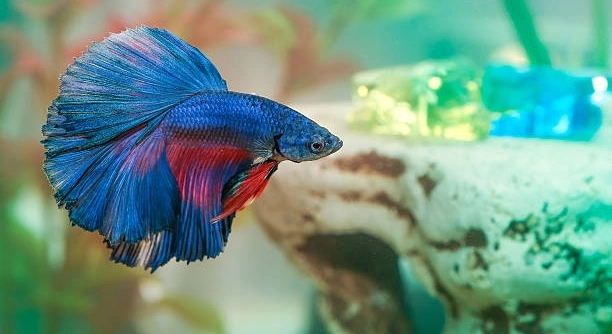
Betta fish are known for their beautiful, vibrant colors, which can be a joy to watch. However, sometimes their color fades or changes unexpectedly. This shift can be concerning, especially if you’re not sure why it happened.
The loss of color in Betta fish is often due to factors such as stress, poor water quality, or an underlying illness. Changes in diet, temperature, and lighting can also contribute to this color fading.
Understanding the reasons behind the color change can help you take better care of your Betta and ensure they stay healthy and happy. There are several factors that can impact their appearance.
Stress and Anxiety
Betta fish are highly sensitive creatures, and stress can cause them to lose their color. Stress triggers can come from many sources, such as a sudden change in their environment, loud noises, or being kept with other aggressive fish. Bettas are solitary by nature, so sharing a tank with other fish that might threaten them can make them anxious. Moreover, improper tank conditions—like too small of a space—can add additional stress. When they feel threatened or uncomfortable, their color may fade as a natural response to stress.
Stress is one of the most common reasons for a Betta fish losing its color. Bettas in stressful environments often display a lack of interest in swimming around or eating. This physical and behavioral response can lead to further health issues if not addressed. Creating a peaceful environment can help restore their vibrant colors.
If you notice signs of stress in your Betta, it’s essential to evaluate their surroundings. Ensuring that the tank is the proper size, there are no aggressive fish, and the water conditions are optimal can help keep them relaxed.
Poor Water Quality
Water quality is vital for the health of Betta fish. Dirty water, or water with high levels of ammonia, nitrates, or nitrites, can have a negative impact on their health. If the water becomes contaminated, it will lead to poor oxygen levels and stress, which can cause your Betta’s colors to fade. A clean tank is essential for your fish’s overall well-being.
Regular water changes are necessary to keep your Betta’s environment clean and healthy. It’s also important to monitor the water’s temperature, pH, and hardness. Using a filter and maintaining proper water conditions will reduce the risk of illnesses and improve their color.
Maintaining water quality is an ongoing task, but it plays a big role in keeping your Betta healthy and colorful. Be sure to test your water often, especially if you notice a change in your Betta’s appearance. Keeping their water pristine is the key to a long and happy life.
Illness or Disease
Fish illnesses can cause Betta fish to lose their vibrant colors. Bacterial, viral, or parasitic infections may lead to fading or dullness. Common signs of illness include lethargy, loss of appetite, or visible lesions. If your Betta is showing any of these symptoms, it could be sick and need medical attention.
A number of diseases, such as Velvet, Fin Rot, or Dropsy, are known to affect Bettas and alter their color. These infections can cause a decrease in color vibrancy or even complete color loss if left untreated. Early detection is key in providing the right treatment, often through medication or changes in water quality.
It’s important to regularly observe your Betta’s behavior and appearance. A sudden loss of color, paired with abnormal behavior, could indicate an infection. If you suspect your Betta is ill, remove them from the main tank and consult a vet for advice on treatment options.
Poor Diet
A poor diet can negatively affect a Betta’s health and color. If your Betta isn’t receiving the right nutrients, their colors may fade. Betta fish need a diet that includes high-quality pellets, live food, and occasional treats to maintain their health. A lack of variety or improper food can contribute to this issue.
Providing your Betta with a balanced diet ensures they get the vitamins and minerals necessary to thrive. Betta fish need protein-rich food for vibrant coloration. Overfeeding or feeding them low-quality food can lead to poor health, so stick to a routine of healthy feeding.
To prevent color loss, feed your Betta a mix of high-quality foods, such as brine shrimp, daphnia, or bloodworms. These foods contain essential nutrients that support your Betta’s bright, healthy colors.
Temperature Fluctuations
Sudden temperature changes can cause Betta fish to lose their color. Bettas prefer warm water, ideally between 75°F and 80°F (24°C to 27°C). Fluctuations outside of this range can lead to stress, illness, and color loss. Always keep the temperature stable with a reliable heater.
If your Betta’s tank is in a drafty area or exposed to temperature shifts, it can affect their health. Prolonged exposure to cold water can weaken their immune system, making them more vulnerable to diseases. Keeping the temperature steady will help maintain their vibrant colors.
Ensure the water temperature stays within the safe range by using an aquarium thermometer. A stable environment is key for keeping your Betta both healthy and colorful.
Lighting
Too much or too little light can impact your Betta’s color. Bettas require a proper light cycle, usually 8 to 12 hours of light per day. Too much light can stress them out, while too little can lead to dull colors and sluggish behavior.
Proper lighting helps Bettas regulate their natural rhythm and keeps them active and healthy. Bright, consistent lighting will bring out their colors, but too much light can lead to stress and potential health issues. A timer can help keep their light cycle consistent, promoting better well-being and color retention.
Genetics
Genetics play a significant role in the color of a Betta fish. Some Bettas are genetically predisposed to having more vibrant colors, while others may naturally have a more muted appearance. These traits are passed down from their parents and influence their overall coloration.
Although genetics is out of your control, you can still influence how well your Betta’s colors shine by maintaining optimal tank conditions and a healthy diet. If your Betta’s colors are dull from the start, it’s likely due to its genetic makeup, but care can still improve its overall health.
FAQ
Why is my Betta fish turning pale?
A pale Betta can be a sign of stress, illness, or poor water quality. If your Betta is exposed to fluctuating water temperatures, poor diet, or lack of proper care, it can cause their color to fade. Check the water conditions and make sure the temperature, pH, and other parameters are suitable for your Betta. Also, consider whether your Betta might be feeling stressed from other tank mates or environmental changes. A visit to the vet can help rule out any illness if you suspect that’s the cause.
Can Betta fish lose color as they age?
Yes, as Betta fish get older, their colors can naturally fade. Aging Bettas may not have the same vibrant colors they had when they were younger, but it doesn’t necessarily mean something is wrong. This process can be more noticeable in Betta fish with naturally lighter colors or in certain types of Betta breeds. However, if the fading is rapid or occurs alongside behavioral changes, it’s worth investigating other potential causes, such as disease or poor water quality.
Can a Betta fish regain its color?
Yes, a Betta can regain its color if the issue causing the fading is addressed. For example, if the fading is due to stress, providing a calm environment, proper water conditions, and a healthy diet can help bring the color back. If the cause is illness, treating the underlying disease may restore vibrancy. However, if the color loss is due to genetics or age, full recovery of color might not be possible.
How do I stop my Betta fish from losing its color?
To prevent your Betta from losing its color, start by maintaining a stable tank environment with clean water, the right temperature, and proper filtration. Minimize stress by avoiding tank mates that could cause aggression or anxiety. Providing a varied and balanced diet will also keep your Betta healthy and vibrant. Lastly, ensure they receive the right lighting, as improper lighting can cause Betta fish to become stressed or lethargic, which can affect their color.
Could my Betta fish be stressed from other fish?
Yes, Bettas are territorial and can become stressed if housed with other fish, especially other males or species that are aggressive. If your Betta is displaying signs of stress such as hiding, losing its appetite, or exhibiting dull colors, it could be due to tank mates causing anxiety. Bettas are best kept alone, but if you want community tanks, make sure the other fish are peaceful and won’t provoke your Betta.
How often should I change the water in my Betta’s tank?
Changing the water regularly is important for your Betta’s health and color. A 25-50% water change every week is generally recommended, depending on the tank size and filtration system. Regular water changes help remove toxins like ammonia and nitrates, which could affect your Betta’s health and cause them to lose their vibrant colors. Be sure to monitor water quality and adjust the frequency of water changes based on your specific tank setup.
What can I do if my Betta is losing color due to illness?
If your Betta’s color loss is due to illness, you should first isolate them in a quarantine tank to avoid spreading the disease to any other fish. Once separated, consult with a vet who specializes in fish to diagnose the issue and recommend the right treatment. Depending on the illness, medication or water treatments may be needed. Make sure to address the water quality, diet, and stress factors to ensure the healing process goes smoothly.
Are there specific Betta breeds more likely to lose color?
Some Betta breeds, especially those bred for specific traits like color, may be more prone to color changes. Betta fish with lighter or pastel colors can be more likely to lose vibrancy over time. Additionally, certain Betta strains, such as those with gene modifications for extreme color patterns, can also experience fading or color changes due to genetic factors. While genetics play a role, providing a stable environment and proper care can help minimize these changes.
Can Betta fish’s color change due to water temperature?
Yes, fluctuating water temperatures can lead to color changes in Betta fish. Betta fish are sensitive to water temperature, and extreme fluctuations can cause stress, which in turn can result in faded colors. Ideally, keep the water temperature stable between 75°F and 80°F (24°C to 27°C). A reliable aquarium heater and thermometer will help maintain consistent water conditions, promoting a healthy and colorful Betta.
Does a Betta fish need natural sunlight to keep its color?
While Bettas do need a light cycle to stay healthy, they don’t necessarily require natural sunlight to maintain their color. Excessive direct sunlight can lead to overheating or algae growth in the tank, which can cause stress for your Betta. A controlled light cycle using an aquarium light is sufficient to help your Betta maintain a healthy routine. Just make sure the lighting isn’t too intense, and limit exposure to 8-12 hours per day.
Why is my Betta’s color fading after feeding?
If you notice color fading after feeding, it could be a sign that the food you’re providing isn’t optimal for your Betta. A lack of nutrients or feeding the wrong types of food may cause your Betta to become weak or lose color. Ensure you’re offering a high-quality diet rich in protein and vitamins, such as Betta pellets, live food like bloodworms, or frozen treats. Avoid overfeeding as well, since excessive food can lead to poor water quality and further health issues.
Final Thoughts
Losing color in a Betta fish can be concerning, but it’s often manageable once you identify the cause. Stress, poor water quality, diet, or illness are common factors that can affect their appearance. Bettas are sensitive creatures, so maintaining a stable and healthy environment is crucial for keeping their colors vibrant. Regularly checking water quality, ensuring the right tank setup, and offering a proper diet can prevent many issues that lead to color loss. A calm and comfortable environment is key to keeping your Betta happy and healthy.
If you notice that your Betta is losing its color, it’s important to act quickly. Stress can sometimes be the primary cause, but poor water conditions and illness can also play a role. Begin by testing the water and making any necessary adjustments, such as cleaning the tank or adding a heater if the temperature is off. If the issue persists, consider isolating your Betta to monitor them more closely. In some cases, seeking advice from a vet who specializes in fish might be necessary to rule out illness or to provide treatment.
Ultimately, the key to preventing color loss is consistent care. Pay attention to your Betta’s behavior, diet, and the condition of their environment. A happy, well-fed Betta will often display the bright, beautiful colors they are known for. Taking simple steps like reducing stress and maintaining clean water can make all the difference in preserving their health and appearance. With the right care, your Betta can live a long and colorful life.

Hello,
If you enjoy the content that we create, please consider saying a "Thank You!" by leaving a tip.
Every little bit helps us continue crafting quality advice that supports the health, happiness, and well-being of pets around the world, for pets of all shapes, sizes, and species.
We really appreciate the kindness and support that you show us!