
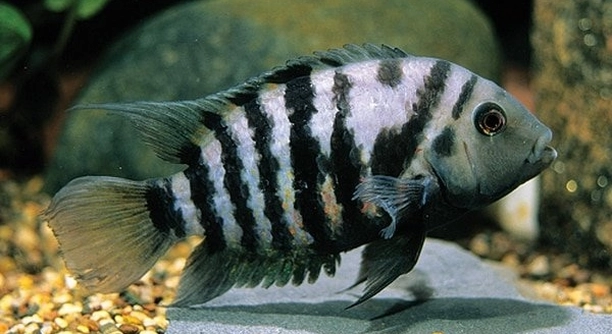
African cichlids are popular fish for many aquarium lovers. They show interesting behaviors, especially during spawning. Sometimes, these fish may die shortly after they spawn, which can be confusing and upsetting.
The death of African cichlids after spawning is often linked to stress, poor water conditions, or exhaustion. Spawning requires a lot of energy, and if their environment is not ideal, it can weaken their immune system and lead to death. Proper care and monitoring are essential.
Understanding why your fish died after spawning can help prevent future losses. This article will explain common causes and offer helpful tips for better fish care.
Common Causes of Death After Spawning
African cichlids use a lot of energy during spawning. This process can leave them weak, especially if their tank conditions are not perfect. Water quality is one of the most important factors. Poor water conditions, such as high ammonia or nitrite levels, can harm the fish’s health and cause stress. Stress lowers their ability to fight off infections and can make recovery hard. Another factor is overcrowding in the tank. Too many fish increase competition for food and space, raising stress levels. Nutrition also plays a key role. If the fish don’t get enough vitamins and minerals, their bodies won’t recover well after spawning. Lastly, sudden changes in temperature or pH can shock the fish, making them vulnerable to disease. Keeping these factors in check will help your African cichlids stay strong after spawning.
Stress during and after spawning weakens cichlids, making them prone to illness and death. Proper tank care reduces this risk.
Knowing these causes helps you create a safer environment for your fish. By adjusting tank conditions, feeding better food, and monitoring their health closely, you can prevent many post-spawning deaths.
How to Improve Survival After Spawning
Monitoring water quality regularly is crucial to your fish’s health. Clean water means less stress and fewer chances of disease.
Improving survival after spawning involves several steps. First, make sure the tank is clean and water parameters like pH, temperature, ammonia, and nitrites are stable. Regular water changes help maintain these levels. Feeding your cichlids a balanced diet rich in nutrients supports their recovery. You can add supplements or high-quality foods designed for breeding fish. Also, reduce stress by keeping the tank environment calm—avoid loud noises or sudden movements near the tank. Give the fish enough space by not overcrowding and providing hiding spots. Finally, watch for any signs of illness after spawning, such as changes in behavior or appearance, and act quickly if problems arise. These steps improve the chances your African cichlids will live healthily after spawning.
Recognizing Signs of Stress in African Cichlids
Stress can show in many ways in African cichlids. Look for changes like loss of appetite, hiding more than usual, or erratic swimming. Color fading or clamped fins are also common signs. Early detection helps prevent serious health issues.
Stress lowers the immune system, making fish vulnerable to infections. If a cichlid seems sluggish or stops eating, it’s important to check water conditions immediately. Sometimes, stress comes from aggressive tank mates or too much noise around the aquarium. Poor water quality or sudden changes in temperature also cause stress. Addressing these factors quickly can help your fish recover and avoid death after spawning.
Preventing stress involves maintaining stable tank conditions and providing enough space for each fish. Offering hiding places reduces anxiety, and keeping the tank environment calm supports their overall well-being. Monitoring your cichlids closely during and after spawning allows you to react fast if stress signs appear.
The Role of Tank Environment in Fish Health
Tank environment plays a crucial role in keeping African cichlids healthy after spawning. Water cleanliness, temperature, and tank size all impact recovery and survival.
Maintaining a stable and clean tank environment means checking water parameters regularly and performing routine water changes. African cichlids thrive in water temperatures between 75-82°F and a pH range of 7.8 to 8.6. Ensuring the tank is large enough to avoid overcrowding helps reduce territorial aggression and stress. Decorations and plants can provide hiding spots, which are important during vulnerable periods. Avoid sudden changes in water chemistry or temperature to prevent shocking the fish. Consistent care in these areas creates a safer space for your cichlids to regain strength after spawning and live longer lives.
Importance of Proper Nutrition
Good nutrition supports a cichlid’s recovery after spawning. Feeding high-quality food helps rebuild their strength. Avoid overfeeding, which can pollute the water and harm their health.
Balanced diets rich in proteins, vitamins, and minerals promote faster healing. Including live or frozen foods can improve their condition and encourage natural feeding behavior.
Common Water Quality Issues
Ammonia, nitrite, and nitrate levels must be kept low to prevent harm. Regular water testing helps catch problems early. Poor water quality is a leading cause of post-spawning deaths.
Managing Aggression in the Tank
Aggression between cichlids increases after spawning. This can stress fish and cause injury. Separating aggressive individuals or providing more space can reduce conflicts and improve survival rates.
When to Seek Professional Help
If your fish shows signs of illness or doesn’t improve despite care, consulting a vet or aquarium expert is important. Early treatment can save your cichlids’ lives.
FAQ
Why do African cichlids die soon after spawning?
African cichlids often die after spawning due to the physical stress and energy they expend during the process. Spawning is demanding and can weaken their immune system, especially if tank conditions are not ideal. Poor water quality, lack of proper nutrition, and aggressive tank mates make recovery harder and increase the risk of death.
How can I reduce stress in my cichlids during and after spawning?
Keep water clean and stable, maintain a consistent temperature, and avoid overcrowding. Providing hiding spots and minimizing loud noises around the tank helps reduce stress. Feeding high-quality food and monitoring behavior closely will also support their health during this vulnerable time.
What water parameters should I keep for African cichlids after spawning?
Ideal water temperature ranges from 75 to 82°F (24 to 28°C), with a pH between 7.8 and 8.6. Ammonia and nitrite levels should always be zero, and nitrates kept low below 20 ppm. Regular water tests and partial water changes help keep these parameters stable.
How often should I change the water during and after spawning?
It’s best to change about 20-30% of the water weekly, or more often if the tank is crowded or water quality declines. Frequent partial changes prevent buildup of harmful chemicals and reduce stress on your fish.
What should I feed my African cichlids after spawning?
Feed a balanced diet rich in protein and essential vitamins. High-quality pellets or flakes made for cichlids, supplemented with live or frozen foods like brine shrimp, bloodworms, or daphnia, help speed recovery and maintain health.
Can tank mates cause my cichlid to die after spawning?
Yes, aggressive tank mates can cause stress and injury, especially during spawning when territorial behavior increases. If you notice fighting or bullying, consider separating aggressive fish or providing more space and hiding places.
Is it normal for cichlids to stop eating after spawning?
It is common for cichlids to lose their appetite briefly after spawning. However, if they stop eating for more than a few days, it could indicate stress, illness, or poor tank conditions that need to be addressed quickly.
How can I tell if my cichlid is sick after spawning?
Watch for symptoms like lethargy, clamped fins, faded color, rapid breathing, or unusual swimming patterns. Physical signs such as sores, white spots, or bloating also indicate illness. Early treatment improves the chance of recovery.
Should I remove eggs or fry after spawning to protect the parents?
Generally, it’s best to leave the eggs or fry with the parents, as African cichlids often protect their young. However, if aggression between parents increases, removing the fry or separating one parent might be necessary to reduce stress.
Can overbreeding affect my cichlids’ health?
Repeated spawning without enough recovery time can weaken cichlids. Allow your fish breaks between spawning cycles by managing tank conditions and population. Overbreeding increases stress and reduces lifespan.
What role does tank size play in the survival of cichlids after spawning?
A larger tank reduces stress by giving fish enough space to swim and hide. Overcrowding raises aggression and competition for resources, which can harm weakened fish after spawning. Ensure your tank is appropriate for the number and size of your cichlids.
Is medication needed after spawning?
Medication is not always necessary unless there are signs of illness. Avoid unnecessary treatments, but be ready to act if disease symptoms appear. Maintaining good water quality and diet is often the best preventive measure.
How long does it take for African cichlids to recover after spawning?
Recovery time varies, but typically it takes several weeks. Proper care, stable water conditions, and good nutrition speed healing. Watch your fish closely during this period to catch any health problems early.
Can breeding affect the lifespan of African cichlids?
Breeding puts extra stress on cichlids, which may shorten their lifespan if not managed properly. Providing good care and allowing recovery time helps maintain their health and longevity.
What is the best way to reduce aggression in a mixed cichlid tank?
Provide plenty of hiding places, maintain proper tank size, and monitor fish behavior. If aggression continues, consider separating aggressive individuals or adjusting the mix of species to reduce conflicts.
Are there any special tank setups recommended for breeding African cichlids?
Yes, breeding tanks should have stable water conditions, appropriate temperature and pH, hiding spots, and enough space to reduce aggression. Avoid overcrowding and keep good filtration and aeration for best results.
African cichlids are fascinating fish to keep, especially when you get to see them spawn. However, the period after spawning can be tough on them. Many cichlids use a lot of energy during this time, and their bodies need rest and good care to recover well. If their environment isn’t right, it can lead to health problems or even death. Understanding the common challenges they face after spawning helps you prepare and take better care of them. This knowledge allows you to make changes that support their well-being and improve their chances of staying healthy.
One of the most important things to remember is the role of water quality. Clean, stable water is essential for African cichlids to heal after spawning. Even small changes in temperature, pH, or levels of ammonia and nitrites can stress the fish and weaken their immune systems. Regular testing and water changes keep the tank environment safe and comfortable for your fish. Along with water care, feeding a balanced diet that gives them the right nutrients helps the fish regain strength. It is also important to watch for signs of stress or illness. Early action when something seems off can make a big difference in whether a fish recovers well or not.
Lastly, managing the tank environment and fish behavior is key. Overcrowding and aggression among fish add extra stress, especially when they are recovering from spawning. Giving each fish enough space and hiding places helps reduce tension. If aggressive behavior is a problem, separating certain fish or changing the tank setup may be necessary. Taking these steps creates a calmer, safer place for your African cichlids to rest and grow strong again. With proper care and attention, you can help your fish live longer and healthier lives, even after the demanding time of spawning.

Hello,
If you enjoy the content that we create, please consider saying a "Thank You!" by leaving a tip.
Every little bit helps us continue crafting quality advice that supports the health, happiness, and well-being of pets around the world, for pets of all shapes, sizes, and species.
We really appreciate the kindness and support that you show us!