
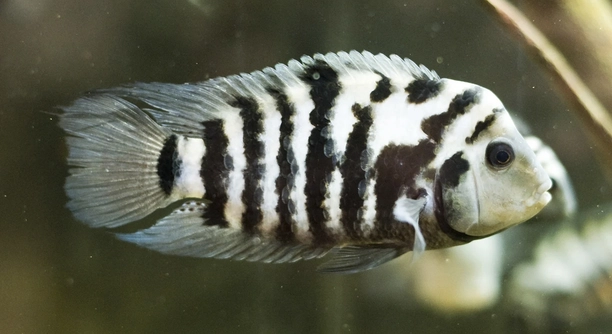
Have you ever noticed your African cichlid suddenly changing its color? These vibrant fish are known for their striking hues, but shifts in coloration can sometimes be confusing for their owners. Understanding why this happens can help you care for your pet better.
African cichlid color changes often result from stress, changes in environment, or social interactions. These fish use color shifts as a way to communicate mood, health, or dominance within their group, making color a vital part of their behavior and survival.
Color changes in your cichlid reveal important clues about its well-being and environment. Learning what triggers these shifts can help you keep your fish healthy and happy.
Common Causes of Color Change in African Cichlids
African cichlids can change color for several reasons, many of which are linked to their environment and health. Stress is a major factor. When a fish feels threatened or uncomfortable, its colors may fade or become dull. Changes in water temperature, quality, or tank setup can also influence their appearance. For example, poor water conditions with high ammonia or nitrate levels can cause stress and color loss. Another important cause is social interaction. Cichlids often change color to show dominance or submission in the tank. When a new fish is introduced or when the social order shifts, color changes become more noticeable. Lastly, aging and breeding cycles can also play a role. During breeding, males often brighten their colors to attract females or defend territory. Monitoring these factors can help you understand why your cichlid’s colors are shifting.
Changes in water quality or stress can quickly affect a cichlid’s color. Keeping the tank stable helps maintain their vibrant appearance.
Understanding these causes allows better care and adjustment of your tank environment. It also helps in identifying if a fish needs medical attention or social changes in the tank.
How to Help Your Cichlid Regain Its Color
Improving your cichlid’s environment is the first step to restoring its color. Make sure the water is clean and well-filtered, with regular testing for pH, ammonia, and nitrates. Stable water temperature also reduces stress and supports healthy coloration. Feeding a balanced diet rich in natural pigments, like spirulina or krill, can enhance colors naturally. Avoid overcrowding the tank, as it can lead to aggression and stress. Providing hiding spots or plants allows fish to feel secure. If the color change is due to social dominance, sometimes rearranging decorations or separating aggressive fish helps. Patience is important because color recovery can take time. Observing your cichlid’s behavior along with these changes will tell you if the measures are working. Sometimes, color shifts are a normal part of growth, but consistent dullness should be addressed quickly.
Restoring color often needs a combination of better water care, nutrition, and tank management.
Proper care improves not only appearance but overall fish health and comfort in the tank.
Stress and Its Impact on Color
Stress causes African cichlids to lose their bright colors. It can come from poor water conditions, overcrowding, or aggressive tank mates.
Stress weakens their immune system and changes their behavior. A stressed cichlid may hide more or stop eating, leading to duller colors. Watching for signs of stress helps catch problems early. Stress can come from many sources: sudden changes in temperature, water quality issues, or too many fish in one tank. Overcrowding makes it hard for cichlids to establish territories, increasing aggression. Aggressive behavior triggers color changes as fish try to show dominance or submission. Keeping the tank peaceful and stable is key to preventing stress-related color loss.
Regular water tests and maintaining a clean tank help reduce stress. Adding plants or decorations gives fish safe spots, reducing anxiety. Observing your fish’s daily behavior will alert you to problems before color fades become permanent.
Breeding and Color Changes
During breeding, male cichlids often display brighter colors to attract females. This color shift signals health and fitness.
Males become more vibrant and sometimes develop specific patterns or markings. Females may darken or change color to show readiness to spawn. This natural color change can last for days or weeks during breeding periods. It’s important to recognize that these changes are temporary and healthy. Watching how colors shift during breeding helps differentiate normal changes from stress or illness. Understanding this can prevent unnecessary worry and improve tank management during breeding seasons.
Diet and Color Vibrancy
A poor diet can cause African cichlids to lose their bright colors. Foods lacking essential nutrients affect pigmentation.
Feeding high-quality, color-enhancing foods like spirulina or krill helps maintain vibrant hues and supports overall health.
Lighting Effects on Color
Lighting plays a big role in how your cichlid’s colors appear. Natural or full-spectrum lighting can bring out their best colors.
Too little light may cause colors to fade, while too much can stress fish. Finding the right balance improves color and wellbeing.
Health Issues and Color Loss
Diseases and parasites often cause cichlids to lose color. Illness weakens the fish and dulls their appearance.
If color loss is sudden or accompanied by other symptoms, it’s important to act quickly to diagnose and treat the problem.
Tank Environment and Color
A clean, well-maintained tank helps fish keep their natural colors. Dirty or poorly managed tanks lead to stress and fading colors.
Why is my African cichlid suddenly turning pale?
Pale coloration usually means your cichlid is stressed or unhealthy. Stress can come from poor water quality, overcrowding, or aggressive tank mates. Check water parameters like ammonia, nitrites, and nitrates first. Make sure the tank isn’t too crowded, and observe if any fish are bullying your cichlid. Improving water quality and reducing stress usually helps restore color.
Can lighting really change my cichlid’s color?
Yes, lighting affects how colors appear. Bright, natural, or full-spectrum lights highlight vibrant colors better than dim or yellowish lighting. However, too much light can cause stress and fading. It’s important to find a balance that shows off your fish’s colors without making them uncomfortable.
Is it normal for my cichlid to change color during breeding?
Absolutely. Male cichlids brighten their colors to attract females and show dominance. Females may also change color to indicate readiness to spawn. These changes are temporary and part of normal breeding behavior. Once breeding is over, their colors usually return to normal.
Could diet affect my cichlid’s color?
Yes, diet is very important. Foods rich in carotenoids, spirulina, and krill help maintain bright colors. Feeding only generic flakes or pellets might cause colors to dull over time. Adding natural color enhancers and a variety of foods improves pigmentation and overall health.
How quickly can color changes happen?
Color changes can occur within hours to days depending on the cause. Stress or aggression often cause rapid changes, while diet and breeding color shifts may take longer. Sudden color loss usually means immediate attention is needed.
What health problems cause color fading?
Parasites, infections, and diseases often lead to dull or pale colors. Other signs like lethargy, loss of appetite, or unusual behavior usually appear alongside color changes. If you notice these signs, it’s best to isolate the fish and seek treatment.
Can tank mates cause color changes?
Yes, aggressive or dominant fish can stress others, causing color fading or darkening as signals of submission. It’s important to choose compatible species and sizes, and provide plenty of hiding spots to reduce conflict.
Does water temperature affect color?
Temperature changes can stress cichlids and affect color. Ideal temperatures vary by species but generally stay between 75-82°F (24-28°C). Sudden or extreme temperature shifts should be avoided to maintain vibrant colors and health.
How often should I test my tank water?
Testing water weekly is a good practice. Regular checks help catch problems early and prevent stress-related color loss. Monitoring pH, ammonia, nitrites, and nitrates ensures a stable environment for your cichlids.
Will rearranging the tank help with color issues?
Sometimes. Changing decorations or adding plants can reduce aggression and stress by breaking up sight lines and providing hiding places. A calm environment helps fish feel secure, which often improves color naturally.
What if my cichlid’s color never returns?
If color stays dull despite good care, it could be a sign of chronic stress, illness, or aging. Consult an expert or vet who specializes in fish health to rule out diseases or underlying problems.
Are color changes reversible?
Most color changes caused by stress, environment, or breeding are reversible with proper care. However, severe illness or genetic factors may cause permanent changes. Prompt action gives the best chance for recovery.
How does age affect cichlid color?
Older cichlids may lose some vibrancy as they age. This is normal but should not be confused with illness or stress. Maintaining good water quality and diet helps keep colors bright longer.
Is it normal for colors to vary between day and night?
Yes, cichlids may show duller colors at night or when resting. This is natural and should not be confused with stress or illness. Color usually brightens again when lights come on.
African cichlids are known for their bright and beautiful colors, but it’s normal for their colors to change sometimes. These changes can be caused by many factors, including stress, diet, lighting, breeding, or health issues. Paying attention to the environment you create for your fish plays a big role in how vibrant they stay. Clean water, proper tank size, and compatible tank mates are key to keeping your cichlid comfortable and colorful. When their surroundings are right, their natural colors shine the best.
It is important to understand that color changes are often a way for your cichlid to communicate. They may show darker colors when feeling threatened or stressed and brighter colors when showing dominance or breeding readiness. Sometimes, color shifts happen quickly and are easy to notice, while other times they happen slowly over weeks. Watching how your fish behaves along with its color can help you tell if the changes are normal or if something needs to be fixed. Keeping a regular schedule for water tests, feedings, and tank maintenance helps catch problems early before your fish lose their vibrant look.
Taking care of African cichlids means more than just providing food and water. It means observing them closely and making adjustments when needed. If you notice your cichlid’s colors fading or shifting, try improving water quality, adjusting lighting, or changing diet first. If the problem continues, check for illness or stress caused by tank mates or environment. Sometimes, changes are part of their natural cycle, but other times they show a need for care. By paying attention and acting thoughtfully, you can help your cichlid stay healthy and colorful for a long time.

Hello,
If you enjoy the content that we create, please consider saying a "Thank You!" by leaving a tip.
Every little bit helps us continue crafting quality advice that supports the health, happiness, and well-being of pets around the world, for pets of all shapes, sizes, and species.
We really appreciate the kindness and support that you show us!