
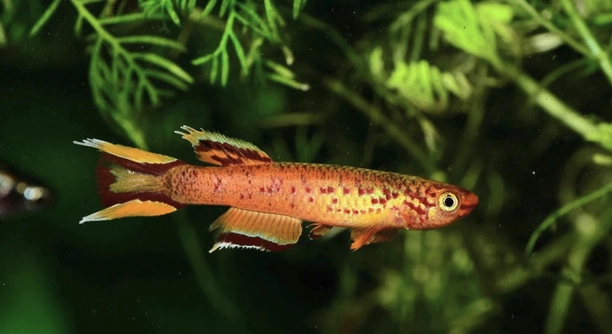
Many people enjoy keeping killifish because of their bright colors and interesting behavior. Sometimes, though, these fish can die suddenly without any clear warning. This can be upsetting and confusing for anyone who cares for them.
The most common cause of sudden killifish deaths overnight is a rapid change in water quality, such as a spike in toxins, ammonia, or a sudden drop in oxygen levels. These changes overwhelm the fish’s system, leading to fatal stress or poisoning.
Knowing what affects your killifish’s environment will help prevent future losses and keep your aquatic pets healthy and happy.
Common Causes of Sudden Killifish Death
Killifish are sensitive to changes in their environment, and several factors can cause sudden deaths. One major issue is poor water quality, often due to a buildup of ammonia or nitrites from waste. Even small amounts can be deadly if not detected early. Another problem is temperature shock. Killifish need stable temperatures, and sudden drops or spikes can stress them severely. Additionally, inadequate oxygen levels at night can cause suffocation, especially in tanks with poor circulation. Overfeeding also contributes by increasing waste and lowering water quality quickly. Sometimes diseases like bacterial infections or parasites show little warning but cause rapid decline. Regular water testing, temperature control, and tank maintenance help prevent these problems. It is important to act fast when you notice any signs of distress, such as lethargy or gasping at the surface. Keeping a clean and stable environment is key to avoiding these sudden losses.
Sudden death is often linked to multiple small stress factors combining.
Understanding these causes will help you protect your killifish more effectively.
How to Prevent Future Killifish Deaths
Preventing sudden deaths starts with monitoring water quality carefully. Testing kits for ammonia, nitrites, nitrates, and pH levels should be used regularly to catch any dangerous changes. Keeping the tank clean with frequent partial water changes removes harmful substances. Temperature should be stable within the species’ preferred range, usually between 72-78°F (22-26°C). Adding an air pump or ensuring good water movement helps maintain oxygen levels, especially overnight. Avoid overfeeding by giving only what the fish can eat in a few minutes. Quarantining new fish before adding them to the main tank reduces the risk of introducing diseases. Observing your killifish daily allows you to notice early signs of stress or illness. By combining these care habits, you create a safe environment that supports their health and longevity. Consistency is key, as killifish do best with minimal fluctuations. Taking these steps improves the chances your killifish will thrive long-term.
Recognizing Signs of Stress in Killifish
Killifish often show subtle signs before sudden death occurs. Look for changes in swimming behavior, like staying near the surface or hiding more than usual. Loss of appetite and faded colors also indicate stress or illness.
Stress in killifish can come from poor water conditions or overcrowding. When the water quality worsens, fish may gasp for air at the surface or swim erratically. Stress weakens their immune system, making them vulnerable to infections. Changes in lighting or sudden loud noises can also disturb them. Watching for these signs helps catch problems early before they become fatal.
If you notice lethargy or unusual spots on their body, it’s time to test the water and check the tank setup. Acting quickly can save your killifish from serious harm. Keeping the environment stable reduces these stressful episodes and improves their overall well-being.
Importance of Proper Tank Setup
A proper tank setup is crucial for killifish health. The tank should be large enough to avoid overcrowding and allow natural swimming behavior. Soft, slightly acidic water mimics their natural habitat and supports their comfort.
Tank plants and hiding spots are important because killifish feel safer with places to retreat. This reduces stress and aggressive behavior. Use a gentle filter to keep water clean without creating strong currents, which can tire the fish. Consistent temperature and regular water changes help maintain a healthy environment. Proper setup reduces the risk of sudden deaths and supports their natural needs. Taking time to set up correctly is one of the best ways to keep your killifish thriving.
Feeding Killifish Correctly
Feeding killifish the right food in the right amount is important. Overfeeding leads to poor water quality, while underfeeding can weaken their health.
High-quality live or frozen foods like daphnia and brine shrimp keep them healthy. Avoid feeding too much at once to prevent leftover waste.
Handling Water Changes Safely
Regular water changes help keep the tank clean and stable. Change about 20-30% of the water weekly to remove toxins without shocking the fish. Always use water treated to remove chlorine and match the tank’s temperature and pH to avoid stress.
Quarantine New Fish
Always quarantine new killifish for at least two weeks before adding them to the main tank. This practice helps prevent introducing diseases or parasites that could harm your current fish.
Monitoring Water Parameters
Keep a close watch on water parameters like ammonia, nitrite, nitrate, pH, and temperature. Maintaining these within safe ranges ensures your killifish stay healthy and less prone to sudden health problems.
FAQ
Why did all my killis die overnight?
Sudden deaths usually happen because of rapid changes in water quality or temperature. Spikes in ammonia or nitrites, drops in oxygen, or unexpected temperature shifts stress the fish beyond recovery. Poor filtration, overfeeding, or introducing sick fish without quarantine can also cause sudden losses.
How often should I test my tank water?
Testing your water at least once a week is important, especially if your tank is small or densely stocked. Frequent testing helps catch harmful changes early, so you can fix problems before they become fatal for your killifish.
What water parameters are best for killifish?
Killifish prefer soft, slightly acidic water with a pH between 6.0 and 7.0. Temperature should stay stable around 72-78°F (22-26°C). Ammonia and nitrites must always be at zero, while nitrates should be kept below 20 ppm to avoid stress.
Can overcrowding cause killifish to die suddenly?
Yes. Overcrowding leads to increased waste and poor water quality. It also raises stress levels, making fish weaker and more likely to get sick. Providing enough space and hiding places reduces aggression and keeps the tank healthier.
What kind of food is best for killifish?
High-quality live or frozen foods such as brine shrimp, daphnia, and bloodworms are best. They provide good nutrition and encourage natural hunting behavior. Avoid overfeeding and remove uneaten food to keep water clean.
How do I prevent diseases in my killifish?
Quarantining new fish before introducing them is crucial. Keep the tank clean, maintain stable water parameters, and avoid sudden changes. Observing fish daily for signs of illness allows early treatment, reducing the chance of disease spreading.
Why do killifish gasp at the surface?
Gasping usually means low oxygen levels. It can happen if the tank has poor aeration or too many fish. Improving water circulation with an air pump or filter, and doing regular water changes can fix this problem.
How often should I do water changes?
A weekly water change of about 20-30% is recommended. This helps remove toxins and refreshes the tank environment without causing stress to the fish. Larger or heavily stocked tanks may need more frequent changes.
Can sudden temperature changes kill killifish?
Yes, sudden temperature shifts can shock killifish and weaken their immune system. Keeping a stable temperature and avoiding placing the tank near windows or heaters helps prevent this.
Is it okay to keep killifish with other fish?
Killifish can be kept with peaceful, small fish, but it depends on species compatibility. Avoid aggressive or large fish that might stress or harm them. Always research tank mates carefully before adding them.
What should I do if my killifish looks sick?
Isolate the sick fish in a quarantine tank if possible. Test water parameters and correct any issues. Treat with appropriate medication if you suspect disease. Early action improves the chance of recovery.
How can I improve oxygen levels in my killifish tank?
Use an air pump or increase water movement with a filter. Adding live plants also helps oxygenate water naturally. Avoid overcrowding to reduce oxygen demand.
Why are my killifish hiding all the time?
Excessive hiding may indicate stress from poor water conditions, bullying, or sudden environmental changes. Check water quality, tank setup, and make sure they have enough hiding spots to feel secure.
What are signs of ammonia poisoning in killifish?
Signs include gasping at the surface, red or inflamed gills, lethargy, and loss of appetite. Testing water immediately and performing a water change is crucial to prevent further damage.
Can overfeeding kill killifish?
Indirectly, yes. Overfeeding causes leftover food to decay, increasing harmful toxins in the water. This lowers water quality quickly and stresses the fish, which can lead to sudden death if untreated.
Keeping killifish healthy can sometimes feel tricky, especially when sudden losses happen without warning. These delicate fish need careful attention to their environment to thrive. Water quality, temperature, and tank setup all play major roles in their well-being. When one factor changes quickly or becomes unsafe, it can cause stress or illness that leads to sudden death. By understanding these risks and how to manage them, it becomes easier to create a stable and safe home for your killifish.
Regular tank maintenance is essential to avoid unexpected problems. Testing water often, performing consistent water changes, and feeding the right amount of quality food are simple steps that make a big difference. Killifish prefer soft, slightly acidic water and stable temperatures. Sudden fluctuations can harm them, so keeping conditions steady is important. Also, providing enough space and hiding places helps reduce stress, as these fish like to feel secure. Paying attention to small signs of stress or illness allows for early action before serious problems develop.
Ultimately, patience and routine care help ensure killifish live long, healthy lives. Sudden deaths can be upsetting, but many times they happen because one or more factors in their environment were off balance. Taking time to monitor and adjust their tank conditions will improve their chances of thriving. Remember that killifish need a gentle, stable environment to stay strong. With proper care, you can enjoy their bright colors and unique behaviors for years to come.

Hello,
If you enjoy the content that we create, please consider saying a "Thank You!" by leaving a tip.
Every little bit helps us continue crafting quality advice that supports the health, happiness, and well-being of pets around the world, for pets of all shapes, sizes, and species.
We really appreciate the kindness and support that you show us!