
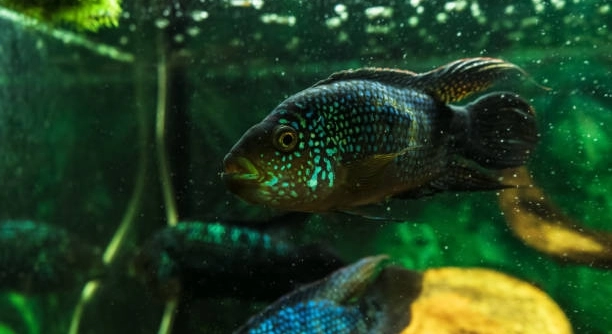
Have you ever noticed your Dempsey fish spending time near the bottom of the tank but not building a nest as expected? Observing this can be confusing, especially when the fish seems healthy and active.
Dempsey fish might refuse to nest due to stress, poor water quality, lack of proper nesting surfaces, or conflicts with tank mates. These factors can inhibit natural breeding behaviors and prevent the fish from feeling secure enough to reproduce.
Understanding these reasons can help create a better environment for your Dempsey fish and encourage natural nesting behaviors in your aquarium. Small changes can make a big difference for their comfort.
Understanding Water Conditions
Water quality is one of the most important factors affecting Dempsey fish nesting behavior. These fish need stable pH levels, clean water, and proper temperature to feel comfortable enough to breed. Sudden changes in temperature or high ammonia and nitrate levels can stress the fish and stop nesting entirely. Regular water changes, careful monitoring of chemical levels, and using a reliable filter can help maintain an ideal environment. Additionally, Dempsey fish prefer slightly soft to moderately hard water, with a pH between 6.5 and 7.5. Too acidic or too alkaline water can make them feel unsafe, reducing the chances of nest building. Providing hiding spots, plants, and smooth surfaces can also make them more willing to settle and breed. Observing the tank daily can help catch potential water issues before they affect nesting behavior. Attention to these details ensures the fish remain healthy and motivated to reproduce.
Maintaining stable water conditions encourages Dempsey fish to feel secure and increases the likelihood of successful nesting.
Even minor water fluctuations can have a big impact. Stress from poor water conditions reduces breeding instincts and may cause aggression. Dempsey fish are sensitive to their environment, and ensuring proper water quality is critical. This includes regular testing of pH, ammonia, nitrate, and nitrite levels. Temperature consistency is equally important, as sudden drops or spikes can disrupt natural behavior. Using quality filtration and performing scheduled water changes helps remove toxins while keeping minerals balanced. Beyond chemistry, the physical environment also matters. Providing smooth rocks, sand, or other surfaces suitable for egg-laying encourages nesting. Dense plants and hiding spaces give the fish security and reduce stress. Even tank layout can influence comfort, as overcrowded or bare tanks may prevent natural behaviors. Understanding the connection between environment and behavior allows you to proactively address nesting challenges, supporting healthy reproduction and stronger fish activity.
Social Dynamics in the Tank
Aggression between tank mates can prevent Dempsey fish from nesting.
Dempsey fish are territorial, especially during breeding periods. If other fish are overly aggressive or the tank is overcrowded, they may feel unsafe and abandon nesting attempts. It is important to observe interactions and separate aggressive individuals when necessary. Pairing compatible fish and providing clear territories can reduce stress. Visual barriers, plants, and rocks help define spaces and create privacy. Even subtle stress from nearby fish can affect breeding behavior, making nesting less likely. Adjusting tank mates and maintaining balance in numbers ensures the Dempsey fish feel secure. Proper social arrangements not only improve overall tank harmony but also encourage natural reproductive behavior. Careful attention to these dynamics can help your fish establish nests confidently and successfully, promoting healthier growth for both adults and future fry.
Tank Setup and Nesting Spaces
Providing proper nesting spaces is essential for Dempsey fish breeding. Flat rocks, smooth surfaces, and sand beds give them places to lay eggs safely. Dense plants and hiding spots also help them feel secure while nesting.
Arranging the tank with multiple surfaces allows Dempsey fish to choose the most comfortable spot for egg-laying. Rocks should be flat and stable, while sand beds should be clean and soft to prevent damage to eggs. Adding plants around the nesting area reduces stress and creates a sense of privacy. Even small decorations can act as visual barriers, lowering tension from tank mates and encouraging breeding behavior. Consistent layout and minimal disturbances help the fish focus on nesting, improving the chances of successful reproduction.
Overcrowding or bare tanks can prevent nesting altogether. If the tank lacks suitable surfaces or privacy, Dempsey fish may feel exposed and avoid building nests. Observing their preferences and adjusting the environment increases comfort. Providing multiple potential nesting sites reduces competition and supports natural behavior. Clean, well-maintained nesting areas also prevent fungal or bacterial growth on eggs, ensuring healthier fry. With proper setup, Dempsey fish are more likely to engage in consistent breeding behaviors.
Diet and Nutrition
A well-balanced diet plays a critical role in encouraging Dempsey fish to nest. High-quality protein and occasional live food strengthen breeding instincts.
Feeding a mix of pellets, frozen foods, and live treats ensures the fish receive essential nutrients. Protein-rich foods, such as bloodworms or brine shrimp, increase energy levels and support reproductive health. Overfeeding or underfeeding can cause stress, affecting nesting behavior. Consistent feeding schedules and portion control help maintain optimal health. Vitamins and supplements may enhance color and vitality, making the fish more likely to engage in breeding behaviors. Attention to diet directly influences overall activity, aggression levels, and the likelihood of successful egg-laying.
Diet also affects egg quality and fry survival. Nutrient deficiencies can result in weak or infertile eggs, while a balanced diet improves reproductive outcomes. Including a variety of foods ensures the fish receive necessary vitamins, minerals, and proteins for optimal breeding readiness. Live foods stimulate natural hunting behavior, increasing confidence and activity levels. Seasonal adjustments to diet may also help mimic natural cycles, encouraging nesting at appropriate times. Healthy nutrition combined with proper tank conditions supports consistent nesting and better fry development.
Light and Temperature
Consistent temperature and lighting are crucial for Dempsey fish nesting. Sudden fluctuations can stress the fish and prevent breeding. Maintaining stable warmth and a natural day-night cycle encourages comfort and normal behavior.
Too much direct light or extreme temperature changes can make Dempsey fish anxious. Using a reliable heater and timed lighting helps maintain stability. Even small adjustments, like dimming lights near the nesting area, can make the fish feel safer and more willing to breed. Consistent conditions support both daily activity and reproductive instincts.
Stress Reduction
Reducing stress improves nesting behavior. Overcrowding, frequent tank disturbances, or aggressive neighbors can prevent Dempsey fish from building nests.
Breeding Readiness
Monitoring behavior is important to determine breeding readiness. Signs include digging, cleaning surfaces, and increased territorial activity. Observing these behaviors helps prepare for nesting and ensures the environment meets their needs.
Health Maintenance
Healthy fish are more likely to nest successfully. Regular check-ups, clean water, and balanced nutrition reduce disease risk and support reproductive behavior.
FAQ
Why is my Dempsey fish not building a nest even though it seems healthy?
Even healthy-looking Dempsey fish may avoid nesting if the environment is not ideal. Stress, unstable water conditions, or lack of proper surfaces can prevent nesting behavior. Territorial disputes or overcrowding also make fish feel unsafe, reducing the instinct to breed. Ensuring stable water chemistry, providing flat rocks or sand beds, and arranging private spaces encourages nesting behavior. Monitoring interactions between tank mates and removing aggressive individuals can also help the fish feel secure enough to build a nest.
How does water quality affect nesting?
Water quality directly influences breeding behavior. High levels of ammonia, nitrites, or nitrates can stress Dempsey fish and suppress nesting instincts. Sudden changes in pH or temperature may cause the fish to feel unsafe. Regular water testing, proper filtration, and partial water changes help maintain a stable and clean environment. Dempsey fish thrive in slightly soft to moderately hard water, with a pH around 6.5 to 7.5. Providing a consistent and well-maintained habitat reduces stress and encourages natural reproductive behaviors.
Can tank mates prevent nesting?
Yes, aggressive or overly active tank mates can prevent Dempsey fish from building a nest. Territorial behavior during breeding periods can lead to stress or conflict. Separating aggressive fish or overcrowded tank populations ensures Dempsey fish have enough space to feel secure. Adding plants or visual barriers helps reduce tension, allowing the fish to focus on nesting. Observing the fish daily helps identify stress triggers and ensures the environment is conducive to natural breeding behaviors. Proper social balance is key to successful nesting.
Does diet influence nesting behavior?
Diet plays a significant role in reproductive behavior. Dempsey fish require a balanced diet with high-quality protein and occasional live foods like bloodworms or brine shrimp. Protein supports energy and reproductive health, while vitamins enhance vitality and breeding readiness. Overfeeding or underfeeding can cause stress and affect nesting behavior. Maintaining consistent feeding schedules and portion control ensures the fish are healthy and motivated to breed. Adequate nutrition also improves egg quality and increases the chances of fry survival.
How do I know when my Dempsey fish is ready to breed?
Breeding readiness is indicated by specific behaviors. Dempsey fish may clean and dig flat surfaces, display heightened territorial activity, and show increased color vibrancy. Males often guard potential nesting areas, while females may inspect surfaces for egg-laying. Monitoring these signs helps prepare the tank environment and ensure privacy, proper surfaces, and minimal disturbances. Observing readiness allows for timely adjustments in water conditions, tank setup, and diet to encourage successful nesting.
Can lighting and temperature affect nesting?
Yes, both lighting and temperature influence Dempsey fish reproductive behavior. Sudden fluctuations in temperature can stress the fish and prevent nesting. A consistent heater and natural day-night light cycle create a stable environment. Too much bright light or inconsistent lighting schedules can cause anxiety. Adjusting light levels near nesting areas and maintaining a steady temperature improves comfort and encourages breeding activity.
What should I do if my fish is stressed?
Stress can be reduced by stabilizing water conditions, rearranging tank decorations for privacy, and removing aggressive tank mates. Providing hiding spaces, flat surfaces, and clean water reduces anxiety. Minimizing disturbances, such as tapping the glass or frequent handling, helps the fish feel secure. Stress management improves nesting behavior and overall health.
How can I ensure successful fry survival?
To ensure fry survival, provide proper nutrition, maintain stable water quality, and remove overly aggressive tank mates. Clean, flat surfaces for egg-laying prevent fungal growth. Feeding adult fish a nutrient-rich diet improves egg quality. Separating eggs or fry from aggressive adults may increase survival rates. Monitoring tank conditions and behavior ensures optimal growth for young Dempsey fish.
Are there seasonal effects on nesting?
Dempsey fish may respond to seasonal changes in temperature and daylight, which can influence breeding readiness. Simulating natural seasonal cycles with consistent lighting and temperature adjustments can encourage nesting behavior. Sudden, extreme changes may cause stress and prevent reproduction. Maintaining predictable conditions helps the fish feel secure and supports natural breeding patterns.
Can overcrowding prevent nesting?
Overcrowded tanks reduce privacy and increase aggression, making Dempsey fish less likely to nest. Ensuring sufficient space, visual barriers, and proper tank size allows the fish to establish territories and engage in natural breeding behavior. Removing excess fish or providing additional hiding spots supports successful nesting.
What are the most common mistakes that stop nesting?
Common mistakes include poor water quality, lack of nesting surfaces, aggressive tank mates, improper diet, and unstable lighting or temperature. Addressing these factors proactively ensures the fish feel safe, healthy, and ready to reproduce. Consistent monitoring and gradual adjustments support successful nesting and fry survival.
How long does it usually take for a Dempsey fish to start nesting?
The timing varies depending on age, health, and environmental conditions. Once fish feel secure with stable water, proper nutrition, and suitable nesting spaces, they may start building nests within a few weeks. Patience and careful observation help identify readiness and prevent unnecessary stress.
Can I encourage nesting without separating the fish?
Yes, but it requires careful tank management. Providing multiple hiding spaces, flat surfaces, and visual barriers reduces stress and territorial conflicts. Adjusting diet, lighting, and water quality further encourages nesting behavior while keeping the fish in the same tank. Gradual improvements often yield positive results.
Is it necessary to provide live food for breeding?
Live food is not strictly necessary but can stimulate activity and enhance reproductive instincts. Protein-rich live foods increase energy and vitality, making fish more likely to engage in nesting behavior. Supplementing with high-quality pellets ensures balanced nutrition for overall health.
How do I know if my nesting attempts are successful?
Successful nesting is indicated by eggs attached to flat surfaces, male guarding behavior, and reduced aggression near the nest. Monitoring egg development and removing stressors, such as aggressive tank mates or poor water conditions, ensures continued protection and increases the likelihood of fry survival.
What adjustments are most effective for encouraging nesting?
Stabilizing water conditions, providing proper nesting surfaces, reducing stress, maintaining consistent lighting and temperature, and offering a balanced diet are the most effective adjustments. Observing behavior and making gradual improvements create a secure environment, which increases the chances of successful nesting and healthy fry development.
How often should I monitor my tank during nesting?
Daily observation is ideal to catch early signs of stress, aggression, or water issues. Frequent checks allow timely adjustments to environment, diet, and social dynamics. Consistent monitoring ensures the Dempsey fish remain comfortable and increases nesting success.
Can Dempsey fish nest more than once in a season?
Yes, if conditions remain favorable, Dempsey fish may nest multiple times. Stable water quality, adequate nutrition, proper tank setup, and low-stress environments support repeated breeding cycles and improved fry survival. Planning for multiple nesting attempts helps maintain healthy reproductive behavior.
How long does it take for eggs to hatch?
Eggs usually hatch within 3 to 5 days, depending on temperature and water quality. Consistent care, clean surfaces, and protection from aggressive tank mates are essential during this period to ensure fry survival. Observing the eggs daily helps identify any issues early.
What should I do if eggs get fungus?
Remove affected eggs immediately to prevent spread. Maintaining clean water, stable temperature, and proper tank conditions reduces the risk of fungal growth. Some aquarists use antifungal treatments carefully, but prevention through hygiene and environmental control is most effective.
Are Dempsey fish aggressive during breeding?
Yes, males become highly territorial and may attack intruders. Providing privacy, visual barriers, and sufficient space reduces conflict and allows safe nesting. Observing behavior and separating overly aggressive fish ensures the safety of both adults and eggs.
Can stress from humans affect nesting?
Excessive tapping, sudden movements, or frequent handling can stress Dempsey fish. Minimizing disturbances and allowing privacy near the nest supports breeding behavior and encourages consistent nesting activity.
How do I know if fry are healthy?
Healthy fry are active, feeding, and showing normal growth. Weak or deformed fry may indicate poor water conditions, inadequate nutrition, or genetic issues. Monitoring development and providing appropriate food ensures healthy growth and reduces mortality.
What is the best tank size for breeding?
A spacious tank with enough room for territory, hiding spots, and nesting surfaces is essential. Overcrowded tanks increase aggression and stress, preventing natural breeding behavior. Adequate space supports both adult and fry health, improving reproductive success.
How can I prevent aggression during nesting?
Provide flat surfaces, visual barriers, and multiple hiding spots. Separate overly aggressive tank mates if necessary. Balanced social arrangements and minimal disturbances reduce conflict, allowing safe nesting and egg protection.
Do Dempsey fish prefer certain nesting surfaces?
Yes, they prefer flat rocks, sand beds, or smooth surfaces. These surfaces provide secure egg attachment and reduce damage. Observing preferences and offering multiple options encourages nesting and supports reproductive behavior.
Can I use artificial decorations for nesting?
Artificial decorations are acceptable if they provide flat, smooth, and stable surfaces. Avoid rough or sharp items that may harm eggs. Positioning decorations to create privacy and reduce stress improves nesting success.
Is it normal for females to be picky about nesting sites?
Yes, females inspect surfaces carefully before laying eggs. Providing multiple suitable options increases the likelihood they will choose a site and engage in breeding behavior. Observing selection helps adjust tank setup for optimal conditions.
What is the role of the male during nesting?
Males guard the nest, clean surfaces, and protect eggs from threats. Aggressive or territorial behavior is normal and ensures higher survival rates for the eggs and fry. Proper environment reduces stress and supports these behaviors.
How do I care for eggs after they are laid?
Monitor water quality, remove stressors, and ensure the male can guard the nest. Clean surfaces prevent fungal growth, and stable conditions support healthy development until hatching. Minimal disturbances increase survival rates.
Can Dempsey fish lay eggs without a male present?
No, fertilization requires a male. Unfertilized eggs will not hatch. Both male and female participation is essential for successful reproduction. Ensuring compatible pairings and stable conditions encourages breeding.
Are there signs that eggs are unhealthy?
Discoloration, fungus, or detachment from surfaces indicate unhealthy eggs. Poor water quality, stress, or inadequate care can cause these issues. Immediate action improves overall outcomes and fry survival.
How often should I feed the fry?
Fry require small, frequent feedings of suitable food, such as infusoria, baby brine shrimp, or specialized fry diets. Proper nutrition ensures healthy growth and development during early stages.
Do Dempsey fish prefer certain tank layouts for nesting?
Yes, tanks with flat surfaces, hiding spots, and clear territories encourage nesting. Dense plants, rocks, and visual barriers reduce stress and support territorial behavior, improving reproductive success.
Can temperature swings harm eggs or fry?
Yes, sudden changes can damage eggs or reduce fry survival. Maintaining stable water temperature is crucial for development and overall health. Gradual adjustments are safer than sudden fluctuations.
How can I encourage repeated breeding cycles?
Maintain stable water conditions, proper diet, and low-stress environment. Provide suitable nesting sites and monitor behavior. Healthy fish with optimal conditions are more likely to breed multiple times successfully.
What are common mistakes to avoid during breeding?
Ignoring water quality, overcrowding, lack of suitable surfaces, improper diet, and frequent disturbances are common mistakes. Addressing these factors ensures safer nesting and higher fry survival.
How do I prevent disease during breeding?
Regular water changes, proper filtration, balanced nutrition, and monitoring for signs of illness reduce disease risk. Maintaining a clean and stable environment supports both adults and fry.
Is patience important in breeding Dempsey fish?
Yes, Dempsey fish may take time to feel secure and engage in nesting. Observing behavior, making gradual adjustments, and avoiding stress allows natural breeding instincts to emerge successfully.
How do I know when it’s safe to introduce other fish?
Wait until eggs hatch and fry are strong enough to survive alongside tank mates. Ensure the environment supports peaceful coexistence and provides hiding spaces to reduce aggression. Proper timing ensures safety for both fry and adults.
Can poor diet cause nesting failure?
Yes, inadequate nutrition reduces energy, affects egg quality, and can prevent breeding behavior. Balanced, protein-rich diets support reproductive health and encourage natural nesting activity.
How do I balance aggression and nesting in the tank?
Provide enough space, visual barriers, and hiding spots. Remove overly aggressive individuals if necessary. Proper tank management allows Dempsey fish to maintain territorial behavior without compromising nesting success.
Are Dempsey fish sensitive to noise or vibrations?
Yes, excessive noise, tapping, or vibrations can stress the fish. Reducing disturbances near the tank encourages nesting and protects eggs from harm.
Can multiple pairs nest in the same tank?
Yes, but only if space, hiding spots, and nesting surfaces are sufficient. Overcrowding or aggression may prevent successful nesting. Providing enough territory for each pair ensures reproductive success.
How important is consistency in all tank conditions?
Consistency in water quality, temperature, lighting, diet, and tank layout is critical. Fluctuations increase stress and reduce the likelihood of nesting. Predictable conditions support comfort and natural breeding behavior.
What should I do if nesting still doesn’t occur?
Reevaluate water quality, tank layout, diet, and social dynamics. Making gradual adjustments and observing behavior helps identify issues preventing nesting. Patience and careful management improve success over time.
How long should I wait before trying to encourage nesting again?
Allow fish to recover from stress, adjust to stable conditions, and regain health. Weeks of consistent care are often needed before fish are ready to nest again.
Can stress from illness affect breeding?
Yes, sick fish are less likely to engage in nesting behavior. Maintaining health through proper diet, clean water, and prompt treatment is essential for successful reproduction.
Are certain Dempsey fish more likely to nest than others?
Mature, healthy, and well-fed fish in stable environments are more likely to nest. Age, experience, and environmental conditions influence readiness and reproductive success.
How do I maintain the tank after breeding?
Continue stable water conditions, remove dead eggs, feed adults and fry appropriately, and monitor for stress or disease. Proper care ensures long-term health and supports future breeding cycles.
Can changing decorations affect nesting?
Yes, rearranging surfaces may disrupt nesting behavior. Maintain consistent nesting areas, and make gradual adjustments if needed to avoid stress and encourage breeding.
What is the best way to observe without disturbing?
Watch from a distance, avoid tapping the glass, and minimize sudden movements. Subtle observation allows monitoring of nesting behavior without adding stress.
Do Dempsey fish prefer specific water flow near nests?
Moderate, gentle flow is ideal. Strong currents may disturb eggs or fry, while stagnant water can reduce oxygen levels. Proper flow supports healthy development and comfort for nesting adults.
How do I know if adults are overprotective?
Excessive aggression, chasing, or attacking nearby tank mates beyond the nest area indicates overprotection. Adjusting space or barriers helps reduce stress and ensures safe nesting.
Can I use breeding traps or nets?
Breeding traps are optional. They can protect eggs or fry from adults, but careful monitoring is essential to prevent injury. Many successful setups rely on natural tank arrangements instead.
Are Dempsey fish nesting behaviors influenced by age?
Yes, younger fish may not show strong nesting instincts. Mature, experienced fish are more likely to build nests and care for eggs effectively. Age and maturity affect success rates.
What is the average number of eggs per nesting?
Dempsey fish typically lay between 300 and 800 eggs per spawning, depending on health, age, and environmental conditions. Proper care ensures higher survival rates.
Do males and females have different nesting roles?
Yes, males guard and maintain the nest, while females lay eggs and may assist in egg placement. Both roles are essential for successful reproduction and fry survival.
Can I use tank dividers to help nesting?
Dividers can reduce aggression and provide privacy for nesting pairs. Ensuring sufficient space and visual barriers allows natural behavior while maintaining safety.
How important is water hardness?
Moderate water hardness supports egg development and adult comfort. Extreme soft or hard water may stress the fish and reduce nesting behavior. Testing and adjustments help maintain ideal conditions.
Can Dempsey fish nest in planted tanks?
Yes, planted tanks can provide hiding spots and security. However, ensure there are flat surfaces for egg-laying, as plants alone are insufficient for proper nesting.
What role does tank size play in nesting success?
Larger tanks reduce aggression, provide space for territory, and allow multiple nesting surfaces. Sufficient space is crucial for comfort, stress reduction, and successful breeding.
How do I handle aggressive pairs?
Separate aggressive fish temporarily or provide barriers. Ensuring privacy and territory reduces conflict and encourages safe nesting. Observation and careful adjustments help maintain balance.
Can I reuse tank water for breeding?
Yes, if water quality remains high and parameters are stable. Avoid contaminated or chemically treated water, which can stress fish and harm eggs.
Is there a specific pH range for optimal breeding?
A pH between 6.5 and 7.5 is ideal. Maintaining stability within this range reduces stress and encourages nesting behavior, improving reproductive success.
How do I prevent egg-eating?
Provide privacy, reduce stress, and ensure the male can guard the nest. Removing aggressive or hungry tank mates decreases the likelihood of egg predation.
Do temperature fluctuations affect fry growth?
Yes, stable temperatures promote healthy development. Sudden drops or spikes can stunt growth or cause mortality. Gradual adjustments are safer than abrupt changes.
Are there signs that adults are ready to breed again?
Increased digging, surface cleaning, and heightened territorial behavior indicate readiness. Observing these behaviors helps prepare the tank and ensure suitable conditions for the next spawning.
How long should I leave eggs with the male?
Typically, males guard eggs until they hatch, around 3–5 days. After hatching, fry may need additional protection or separation, depending on tank conditions and adult behavior.
Can I use supplements to encourage breeding?
Supplements can enhance color, vitality, and reproductive health. Protein-rich foods and vitamins support energy levels and increase the likelihood of nesting behavior.
How do I prevent fungal infections?
Maintain clean surfaces, stable water conditions, and proper nutrition. Removing affected eggs immediately reduces spread and ensures healthier fry. Preventive measures are more effective than treatments after infection.
Is it normal for fish to abandon a nest?
Yes, abandonment may occur due to stress, poor water quality, or perceived threats. Adjusting conditions and reducing disturbances helps prevent repeated abandonment.
How do I safely move fry if needed?
Use a
Final Thoughts
Understanding why Dempsey fish might refuse to nest requires attention to several key factors in their environment and care. Water quality, tank setup, diet, and social dynamics all play significant roles in influencing their breeding behavior. Stable water parameters, including pH, temperature, and cleanliness, are essential to reduce stress and support natural instincts. Without consistent conditions, Dempsey fish may feel unsafe or uncomfortable, making them less likely to engage in nesting. Even small changes, such as fluctuations in temperature or water chemistry, can impact their willingness to breed. By maintaining a stable and healthy environment, fish are more likely to display natural behaviors, including nest building and caring for eggs.
The physical layout of the tank also plays a critical role in encouraging nesting. Providing flat surfaces, sand beds, and smooth rocks allows the fish to choose appropriate locations for egg-laying. Dense plants and visual barriers create privacy and reduce stress from other tank mates. Overcrowding or lack of hiding spots can prevent Dempsey fish from feeling secure enough to build nests. Observing their behavior can help identify areas that need improvement, such as providing additional surfaces or rearranging decorations to create a safer and more comfortable environment. Proper tank arrangement supports both the fish’s territorial instincts and their reproductive behaviors, making it more likely that nesting will occur naturally.
Nutrition and overall health are equally important in promoting successful nesting. A balanced diet that includes protein-rich foods, live or frozen treats, and essential vitamins helps maintain energy levels and supports reproductive health. Poor nutrition can reduce the quality of eggs and decrease the likelihood of successful breeding. Stress, caused by aggressive tank mates, frequent disturbances, or improper care, can also prevent nesting. Reducing stress through careful management, providing privacy, and maintaining clean water encourages confidence and natural behaviors. Paying attention to these factors allows Dempsey fish to feel secure, healthy, and ready to reproduce, ultimately improving the chances of successful nesting and healthier fry. By combining proper care, stable conditions, and careful observation, it is possible to create an environment where Dempsey fish can thrive and engage in their natural reproductive behaviors.

Hello,
If you enjoy the content that we create, please consider saying a "Thank You!" by leaving a tip.
Every little bit helps us continue crafting quality advice that supports the health, happiness, and well-being of pets around the world, for pets of all shapes, sizes, and species.
We really appreciate the kindness and support that you show us!