
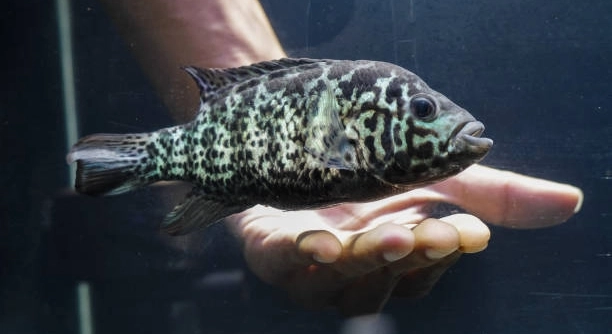
Dempsey fish are known for their vibrant colors and lively personalities. Many aquarists expect them to protect their fry, but sometimes these fish behave differently than anticipated, leaving their young unguarded or even ignored entirely.
Dempsey fish may refuse to guard fry due to stress, environmental conditions, or lack of parental instinct. Factors such as overcrowding, poor water quality, or absence of suitable hiding spaces can lead to neglect or aggressive behavior toward offspring.
Understanding these behaviors can help aquarists manage their tanks more effectively. Observing patterns and adjusting conditions often improves both the well-being of the fry and the adult fish.
Understanding Dempsey Fish Behavior
Dempsey fish are naturally territorial and can be unpredictable with their fry. Even when eggs are present, some adults may ignore them completely. This behavior is influenced by environmental factors, such as tank size, water temperature, and the presence of other fish. Stress can make Dempseys more aggressive or indifferent, causing them to abandon their offspring. Observing these fish closely helps in recognizing early signs of neglect or aggression. Many aquarists have noticed that a previously attentive Dempsey can suddenly lose interest in guarding its fry. Diet also plays a role; insufficient nutrition can reduce a fish’s energy to care for its young. Providing hiding spots and proper conditions can sometimes encourage natural guarding behavior. However, it’s important to accept that not all Dempsey fish will show parental instincts, and some may prioritize their own survival over protecting their eggs. Awareness and preparation are essential for anyone keeping these fish.
Some Dempseys may become aggressive if they feel overcrowded or threatened. Removing potential stressors often improves fry survival rates.
Even with careful tank management, some Dempsey fish remain indifferent toward their offspring. Observing patterns can reveal which individuals are more likely to guard. Separating aggressive adults from eggs or providing tank decorations and plants can create a safer environment. Proper water quality, stable temperatures, and adequate nutrition improve the chances of fry survival. Adjusting the tank environment can reduce stress and encourage more natural behavior. Understanding each fish’s tendencies helps prevent losses and supports healthier fry development. By paying attention to subtle signals, aquarists can identify when intervention is necessary to protect the young. While Dempseys may not always behave predictably, careful planning and observation make it possible to foster a stable, nurturing environment that encourages natural instincts while keeping the tank safe for all its inhabitants.
Tank Conditions That Affect Fry Protection
Water quality plays a major role in fry survival. Poor conditions can lead to neglect or aggression.
Stable temperature, clean water, and proper filtration reduce stress in Dempsey fish. Overcrowding or sudden changes can trigger avoidance of fry or even attacks. Providing enough space and hiding spots allows fry to survive even if the parent shows no interest. Observing fish behavior and adjusting tank conditions as needed helps create a more stable environment. Nutrition also contributes, as well-fed adults are more likely to engage in natural behaviors, though some may still ignore eggs. Creating a calm and consistent environment can encourage parental instincts and reduce fry mortality. Aquarists who monitor their tanks closely often notice patterns that allow them to intervene effectively and protect young fish before problems escalate. By understanding how environmental factors influence Dempsey behavior, it becomes easier to anticipate potential issues and take proactive measures.
Temperature fluctuations, overcrowding, and lack of hiding spaces increase stress. Controlling these variables helps improve fry survival rates.
Dempsey fish are highly sensitive to their surroundings, and even minor changes can impact parental behavior. When water conditions fluctuate, fish may become defensive or disinterested in guarding fry. Tank size also matters, as smaller spaces can intensify stress and trigger aggression. Introducing plants, rocks, or shelters provides fry with refuge and increases survival odds. Consistent maintenance, including regular water checks and partial changes, minimizes environmental stressors that affect parental care. Observing daily behavior allows aquarists to respond promptly if aggression arises or fry are in danger. Nutrition plays a supportive role, ensuring adult fish have the energy to display natural guarding instincts. While not all Dempseys will protect their young, maintaining ideal tank conditions reduces risk and promotes healthier interactions, creating an environment where fry have a better chance to thrive despite unpredictable parental tendencies.
Common Signs of Fry Neglect
Dempsey fish may ignore or attack their eggs. Fry left unguarded often hide constantly or appear weak. Observing whether adults show aggression, disinterest, or avoidance helps identify neglect early.
Fry neglect can appear as abandoned eggs or young left exposed. Adults may swim past without reacting or chase fry away from hiding spots. Sometimes eggs are eaten shortly after being laid. This behavior is often linked to stress, lack of parental instinct, or environmental pressures. Monitoring the tank closely helps determine if intervention is needed. Providing hiding places, proper diet, and a calm environment can reduce the likelihood of neglect and give fry a chance to survive despite parental indifference.
Even when adults seem calm, subtle signs indicate they may not care for their young. Fry may stay in corners, barely moving, while adults ignore them. Occasional chasing or nipping is also a warning. Adjusting tank conditions, like water quality and space, can reduce stress and prevent aggressive behavior. Separating fry temporarily or using breeding boxes ensures survival when parents show disinterest. Understanding these signals allows aquarists to respond promptly, minimizing losses while maintaining the health of the adult fish. Consistent observation is key for successful fry care.
Steps to Encourage Parental Care
Providing sufficient space reduces territorial stress in Dempseys. Overcrowded tanks often lead to aggression or neglect.
Environmental enrichment encourages natural behavior. Hiding spots, plants, and gentle water flow give fry refuge and reduce adult stress. Adults are more likely to guard when they feel secure, and fry survival improves. Stable temperatures and regular feeding routines also support natural instincts, though not all fish will respond. Observing interactions allows timely intervention, such as temporary separation or additional protection for the fry. Maintaining calm conditions and consistent care gives Dempseys the best chance to engage in parental behavior while minimizing aggression or abandonment.
Diet plays a crucial role in encouraging parental care. Well-fed Dempseys have more energy to interact with and protect their young. Offering high-quality proteins and varied meals strengthens the fish and supports natural instincts. In addition to nutrition, maintaining optimal water parameters is essential. Stable temperature, clean water, and proper filtration reduce stress that often leads to fry neglect. Tank decorations, including caves and dense plants, provide shelter and mimic natural habitats, making adults feel safer. Regular monitoring allows aquarists to notice early signs of aggression or disinterest. Combining proper diet, environmental enrichment, and careful observation gives fry a stronger chance to survive even if some adults naturally lack guarding instincts.
Reasons Adults Abandon Fry
Stress from overcrowding or sudden changes can make Dempsey fish abandon their fry. Adults may leave eggs unprotected or chase fry away when they feel threatened.
Lack of parental instinct is another factor. Some Dempseys naturally ignore offspring regardless of conditions, prioritizing their own safety over guarding behavior.
How Tank Layout Influences Behavior
The arrangement of decorations and hiding spots affects Dempsey behavior. Open spaces may make adults feel exposed, increasing stress and aggression. Adding plants, caves, or rocks gives fry safe areas and helps adults feel secure. Proper layout can encourage natural guarding instincts, although some adults may still show disinterest.
Managing Aggressive Adults
Separating aggressive adults from fry prevents injury and stress. Using breeding boxes or temporary partitions allows fry to grow safely without constant threats.
FAQ
Why do some Dempsey fish not guard their fry?
Some Dempsey fish naturally lack parental instincts. Others may be stressed, hungry, or feel threatened by their environment. Overcrowded tanks, sudden temperature changes, or poor water quality can make adults indifferent or aggressive toward their young. Not all Dempseys will act as caretakers, even under ideal conditions.
Can stress cause a Dempsey to abandon fry?
Yes, stress is a major factor. Loud noises, aggressive tank mates, or frequent handling can trigger neglect. Even subtle changes, like new decorations or shifts in lighting, can make adults avoid their offspring. Minimizing stressors improves the chance that a parent will show protective behavior.
Do all Dempsey fish eat their eggs?
Not all, but it is common. Some adults eat eggs due to stress, hunger, or inexperience. Fry may also be eaten if they wander too far from hiding spots. Providing plenty of food and safe shelters reduces this behavior.
How can I encourage a Dempsey to guard fry?
Creating a calm environment helps. Proper water conditions, adequate hiding spaces, and a spacious tank can encourage natural guarding instincts. Consistent feeding and reducing stressors also make adults more likely to protect eggs. However, some individuals will still show little interest.
Should fry be separated from adults immediately?
It depends on adult behavior. If adults show aggression, chase fry, or eat eggs, separation is recommended. Breeding boxes or partitions allow fry to grow safely. Observing the parent first helps determine whether intervention is necessary.
Does diet affect parental care in Dempseys?
Yes. Adults with a high-quality diet are more likely to have energy for guarding. Protein-rich foods, live or frozen, support vitality and may improve the likelihood of parental behavior, though it does not guarantee it.
Can tank size influence fry protection?
Tank size is critical. Smaller tanks increase stress and territorial behavior, reducing parental care. Larger tanks provide space for adults to establish territory and fry to hide, improving survival chances.
Are younger Dempseys less likely to guard fry?
Often, yes. Younger adults may lack experience or confidence, causing neglect. Older, more established fish sometimes display stronger protective instincts, though individual variation is common.
How long do Dempsey fish usually guard fry?
When they do guard, it is typically for the first few days after hatching. Once fry become mobile and leave the nesting area, adult interest often declines, especially if environmental conditions cause stress.
What signs indicate neglect or aggression?
Fry hiding constantly, adults swimming past eggs, or occasional nipping are clear signs. Eating eggs, chasing fry, or ignoring the group altogether indicates the parent is not providing care and intervention is needed.
Can environmental enrichment improve guarding behavior?
Yes. Plants, caves, and rocks create secure areas, reducing adult stress and giving fry places to hide. While enrichment does not guarantee protection, it improves survival rates and may encourage natural behavior in some adults.
Is it possible to predict which Dempseys will guard fry?
Prediction is difficult. Observing prior behavior, age, and environmental response helps, but there is always variability. Some adults may seem attentive initially and later lose interest, while others remain protective throughout.
Should water quality be adjusted for breeding?
Stable, clean water is essential. Sudden changes can stress adults, leading to neglect. Maintaining proper temperature, pH, and filtration supports healthy fish and increases the likelihood of natural guarding behavior.
Can Dempseys be trained to protect fry?
Not in the conventional sense. Adjusting conditions and reducing stress may encourage guarding, but instincts vary. Some adults will never show interest, and intervention, like fry separation, is the safest approach.
What is the best way to monitor fry survival?
Daily observation is key. Look for hiding, activity levels, and interactions with adults. Note any aggression or egg consumption. Quick responses to problems, such as separation or adding shelters, greatly improve survival.
Are breeding boxes effective for all Dempseys?
Yes, they provide protection when adults show aggression or disinterest. They allow fry to grow safely while giving adults space. Using breeding boxes is a common method to ensure higher survival rates even with unpredictable parental behavior.
Do Dempseys ever become more attentive after initial neglect?
Occasionally. If stress is reduced or environmental conditions improve, some adults may begin guarding or interacting with fry. However, this is not guaranteed and varies widely between individuals.
Can tank mates affect parental care?
Absolutely. Aggressive or overly active tank mates increase stress and may prevent adults from guarding fry. Keeping breeding Dempseys in a controlled environment with compatible fish improves chances of successful fry protection.
How often should fry be fed if separated from adults?
Multiple small feedings per day are ideal. Young fry need frequent, nutritious meals to grow healthy. Foods like infusoria, baby brine shrimp, or finely crushed flakes support early development and survival.
Is it normal for Dempseys to show aggression only occasionally?
Yes. Some adults guard sometimes but attack or ignore fry at other times. Observing patterns and intervening when necessary ensures fry safety and reduces losses caused by unpredictable parental behavior.
Final Thoughts
Dempsey fish are vibrant and fascinating, but their parenting behavior can be unpredictable. Some adults show strong protective instincts, while others may completely ignore or even attack their fry. Understanding this variability is important for anyone keeping Dempseys in a home aquarium. Observing each fish individually helps identify patterns in behavior, which can guide decisions about tank setup and fry care. Environmental conditions, tank size, and diet all play roles in shaping whether a Dempsey will guard its young. Even with ideal care, it is important to recognize that some adults will naturally lack parental instincts. Preparing for this possibility and having a plan to protect fry increases survival chances and reduces stress for both the fish and the aquarist.
Maintaining a calm and consistent tank environment is one of the most effective ways to support natural guarding behavior. Clean water, stable temperatures, and proper filtration reduce stress in adult fish and create conditions that encourage protective instincts. Providing hiding spaces, such as rocks, plants, or caves, allows fry to escape aggression if adults are indifferent or hostile. Diet is equally important; well-fed adults are more likely to have the energy needed for parental behavior. Even with all precautions in place, however, some Dempseys may remain disinterested in their young. Observing adults closely and understanding early warning signs, like chasing or egg consumption, allows timely intervention. Separating fry temporarily using breeding boxes or partitions ensures their safety while giving adults space to remain comfortable in the tank. Over time, these adjustments can help create a more stable and manageable environment for both adults and young fish.
Patience and observation are essential when managing Dempsey fry. Even small changes in tank conditions or adult behavior can affect the survival of young fish. Consistent monitoring helps aquarists respond quickly to signs of aggression or neglect. Understanding that not all Dempsey fish will guard their fry allows for realistic expectations and better planning. By focusing on water quality, nutrition, and tank layout, aquarists can create conditions that maximize fry survival even when parental care is lacking. While unpredictability is part of keeping Dempseys, careful preparation and attention make it possible to support healthy growth and reduce losses. Each fish behaves differently, and learning to adapt to their tendencies ensures a safer and more balanced tank environment for both adults and fry.

Hello,
If you enjoy the content that we create, please consider saying a "Thank You!" by leaving a tip.
Every little bit helps us continue crafting quality advice that supports the health, happiness, and well-being of pets around the world, for pets of all shapes, sizes, and species.
We really appreciate the kindness and support that you show us!