
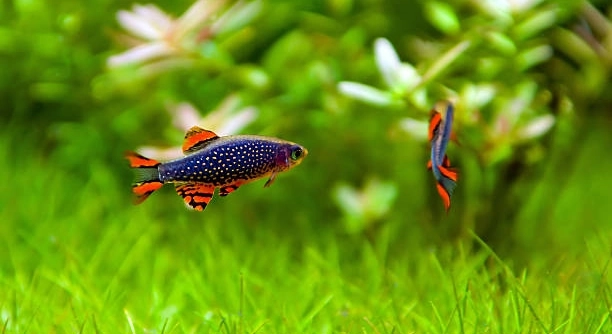
Danios are small, energetic fish often seen swimming quickly around their tanks. Their sudden bursts of movement and short circling patterns can catch the attention of many aquarium enthusiasts observing their behavior.
Danios may circle for seven seconds straight due to instinctive schooling behavior and environmental stimuli. This rapid, repetitive movement allows them to establish social hierarchy, maintain group cohesion, and respond to perceived threats efficiently within their habitat.
Observing this behavior can reveal insights into their natural instincts and tank environment, helping ensure their well-being and healthy social interaction.
Understanding the Circling Behavior
Danios often exhibit short bursts of circling that can seem puzzling at first. This behavior is typically linked to their schooling instinct. In the wild, these movements help them navigate around obstacles and stay close to other fish in the group. The circling can also be a way for them to explore their environment quickly, responding to changes in light, currents, or nearby objects. It is common to notice this behavior during feeding times or when they sense movement outside the tank. While it may appear erratic, it is usually a normal part of their activity. Some fish may circle more often depending on their personality or level of energy. Providing adequate space, hiding spots, and companions of similar size helps reduce stress and supports natural swimming patterns. Observing these moments closely can give insight into their health and comfort in the tank.
Circling is generally harmless and part of normal activity patterns for Danios, reflecting their natural instincts and energy.
Regularly monitoring their environment and interactions ensures they remain healthy and active while preventing unnecessary stress or aggression among tank mates.
Environmental Factors Influencing Movement
Water conditions play a key role in how Danios behave.
Temperature, oxygen levels, and current strength can all influence their activity. Sudden changes may trigger brief circling as they adjust to new conditions. Proper filtration and regular water changes help maintain stability. Even small decorations or rearrangements can temporarily increase circling. Maintaining consistent feeding schedules also reduces unnecessary stress-related movement. Clear visibility of other fish encourages schooling and can impact swimming patterns.
Ensuring stable tank conditions is essential for supporting natural behaviors. Danios are sensitive to their environment, and small adjustments can make a significant difference in their activity levels and overall health. Temperature should remain within their preferred range, and water quality must be monitored to prevent fluctuations. Adequate space allows for normal swimming, while hiding spots provide security when needed. Consistent feeding prevents aggressive chasing, and gentle water flow encourages smooth, calm movement. By observing their circling and responses to changes, tank owners can better understand their fish’s needs and improve care practices. Attention to these environmental details promotes a balanced, stress-free habitat where Danios can thrive naturally and display healthy social behaviors.
Social Interaction and Hierarchy
Danios often circle as part of establishing their social order within the tank. These brief bursts help them assert position while maintaining group cohesion. Observing their interactions can show which fish are dominant or more submissive.
Circling also serves as a subtle communication method. Dominant fish may lead the movements while others follow, creating a natural rhythm that reduces conflict. These interactions are more visible in groups of three or more, where social hierarchies are more pronounced. The behavior is a sign of active engagement rather than stress, and it helps each fish recognize its place. Adjusting tank size and the number of companions can influence how frequently this circling occurs, supporting healthier social dynamics. Watching these interactions over time can provide insights into overall tank harmony and individual fish behavior.
Understanding these social cues is essential for maintaining a balanced aquarium. Proper tank arrangement and consistent observation help ensure Danios interact naturally while reducing potential aggression. Social interactions also influence feeding patterns and swimming energy, making the environment more predictable for all fish. By supporting these natural behaviors, tank owners can foster an environment that encourages active, confident, and healthy fish while minimizing unnecessary stress.
Feeding Patterns and Activity Levels
Danios often increase circling when anticipating or seeking food. They respond to visual or chemical cues from feeding times, creating short bursts of focused movement.
Regular feeding schedules help manage these bursts by providing predictability. Overfeeding or irregular timing can heighten circling as fish search for food, leading to unnecessary energy expenditure. Observing the pattern can indicate if the tank’s diet meets their nutritional needs. Small, frequent meals can reduce frantic circling, while varied food types stimulate healthy interest without stress. Proper portion control and careful observation ensure fish maintain consistent energy levels. Circling during feeding is usually a sign of alertness rather than distress.
Activity levels are closely tied to diet and feeding habits. Fish that receive balanced nutrition tend to swim calmly with occasional bursts, whereas nutritional deficiencies or sudden changes in diet may lead to erratic or prolonged circling. Tank arrangement can also influence movement, as open spaces encourage natural bursts while overcrowding can cause tension. Understanding feeding patterns allows for adjustments that maintain both physical health and social balance. Monitoring responses to food helps ensure that each fish’s energy is used constructively, promoting overall vitality and harmony in the tank.
Stress and Environmental Changes
Danios may circle briefly in response to stress or sudden changes in their environment. New decorations, moving the tank, or changes in lighting can trigger this behavior as they adjust.
Providing stable conditions and minimal sudden disturbances helps reduce unnecessary circling. Fish adapt more smoothly when changes are gradual, promoting calm swimming patterns.
Breeding Behavior
During breeding periods, circling can increase as males display to females or compete for attention. This behavior is part of their natural reproductive instincts. Observing increased activity can indicate readiness for spawning and overall reproductive health within the group.
Tank Size and Space
Limited space can lead to more frequent circling. Danios need room to swim freely, and cramped conditions may amplify repetitive movements.
FAQ
Why do Danios circle for exactly seven seconds?
Danios do not have an internal timer that limits their circling to seven seconds. The behavior is usually brief because it is a burst of energy meant for schooling, exploring, or responding to environmental stimuli. Once the fish completes the movement or adjusts to its surroundings, it naturally slows down. This short duration allows them to conserve energy while still reacting quickly to perceived threats or changes in their environment. Circling in this way is an instinctive and efficient response rather than a fixed action.
Is circling a sign of stress in Danios?
Circling can indicate stress, but not always. Temporary circling often occurs when the fish is adapting to new decorations, tank rearrangements, or sudden changes in lighting. Persistent, frantic, or continuous circling, however, can signal underlying issues such as poor water quality, overcrowding, or illness. Monitoring the behavior alongside other signs, like loss of appetite, clamped fins, or lethargy, helps determine whether it is a normal burst of energy or a stress response. Ensuring a stable, spacious environment reduces stress-related circling.
Can the tank size affect circling behavior?
Yes, smaller tanks can lead to more frequent circling. Danios are active swimmers, and when space is limited, they may repeat short loops as they navigate the confined area. Providing ample swimming space encourages natural, fluid movement and reduces repetitive circling. Even in moderately sized tanks, obstacles or crowded conditions can make fish circle more often. Arranging open swimming areas while adding hiding spots allows them to feel secure, supporting healthy activity levels. Proper spacing also helps maintain social hierarchies and reduces minor conflicts between individuals.
Does diet influence circling?
Feeding patterns and diet can influence how often Danios circle. Fish often increase movement around feeding times, especially if food is inconsistent or portion sizes are too small. Overfeeding can also cause energetic bursts as they compete or search for excess food. Providing small, regular meals with a balanced diet keeps energy levels stable and prevents unnecessary circling. Observation during feeding can reveal whether fish are alert and healthy or showing signs of overexcitement due to inadequate nutrition. Adjusting meal sizes and frequency is key to moderating activity.
Is circling linked to breeding behavior?
Yes, circling can be part of mating behavior. Male Danios may circle actively around females to display dominance and attract attention. Increased movement can also occur during competition with other males. These brief bursts are natural and typically harmless. Observing which fish lead or follow during these periods can give insight into reproductive readiness. Providing proper spawning conditions and hiding spots ensures that this behavior does not become overly stressful and that all fish have space to express natural instincts safely.
Should I be worried if my Danios circle too often?
Frequent circling is not always concerning. Occasional bursts are normal, especially in groups, during feeding, or when adjusting to environmental changes. Worry is warranted if circling is continuous, frantic, or paired with other abnormal behaviors like rubbing against surfaces, loss of appetite, or lethargy. Checking water quality, tank space, and fish health is important to rule out stress or illness. Small adjustments in environment, diet, and tank layout often resolve excessive circling and improve overall well-being.
Can tank decorations affect circling patterns?
Yes, the layout of a tank can influence circling. Sharp corners, narrow spaces, or sudden obstacles can trigger brief loops as fish navigate around them. Smooth, open swimming areas encourage natural movement and reduce repetitive circling. Gradual rearrangements allow fish to adapt without stress. Decorations that provide hiding spots support calmer swimming, as fish feel secure while exploring the tank. Careful planning of the tank environment ensures balanced activity and reduces unnecessary bursts of circling while maintaining visual interest.
How do water conditions impact circling?
Water quality and temperature directly affect Danio behavior. Sudden fluctuations in temperature, low oxygen, or high nitrate levels can increase circling as fish respond to discomfort. Maintaining stable temperature ranges and clean water minimizes stress-induced movement. Regular water changes, proper filtration, and monitoring of chemical levels ensure a consistent environment. Fish in stable conditions display natural circling for social or exploratory reasons rather than stress responses. Observing their behavior alongside water parameters helps identify potential issues before they escalate.
Does the number of tank mates matter?
Yes, social dynamics influence circling. Danios are schooling fish, and having too few or too many tank mates can change movement patterns. Small groups may lead to more frequent loops as fish attempt to maintain cohesion, while overcrowded tanks can increase stress and erratic circling. Keeping a balanced group size supports natural social behaviors and reduces unnecessary bursts of movement. Observing interactions helps determine if the group is well-matched or if adjustments are needed for a calmer environment.
Are certain Danio types more prone to circling?
Some Danio species or individual fish may display circling more frequently due to temperament or activity levels. Varieties with higher energy or curiosity tend to show short bursts more often, while calmer individuals circle less. Recognizing these tendencies helps anticipate behavior and adjust tank conditions. Differences between species, age, and even gender can influence how often circling occurs. Ensuring proper space, nutrition, and social balance accommodates these differences and supports healthy, natural movement for all fish.
Danios are small, active fish whose behaviors can sometimes seem puzzling, especially when they circle repeatedly for brief periods. Observing them closely can reveal that this circling is often a normal part of their natural activity. It serves several purposes, including social interaction, exploration, and responses to environmental changes. While it may look unusual at first, it is usually a sign of healthy energy and engagement. Understanding these behaviors helps provide better care and ensures the fish can express their instincts safely in a tank environment. Patterns such as circling are part of how Danios communicate and interact, which can give insights into their mood, comfort, and overall well-being. Recognizing what is normal and what might indicate stress or environmental issues is essential for maintaining a balanced and healthy aquarium.
Proper tank conditions are a key factor in regulating behaviors like circling. Water quality, temperature, and oxygen levels directly influence how fish move and interact. Sudden changes in the environment can trigger bursts of movement, including circling, as the fish adjust to new conditions. Tank size and layout also play a role, as cramped spaces or obstacles may encourage repetitive swimming patterns. Providing ample room, clear swimming paths, and hiding spots allows Danios to move naturally while feeling secure. Feeding routines and diet also impact activity levels. Consistent, balanced meals prevent excessive bursts of energy that may be associated with searching for food. Observing the fish during feeding and throughout the day helps identify patterns and ensures that their energy is being used in healthy ways.
Social dynamics within the tank influence circling as well. Danios are schooling fish, and their interactions often involve short bursts of movement to maintain cohesion or assert hierarchy. Males may circle more during breeding periods, and dominant fish often lead groups, while others follow. Watching these interactions can provide insights into social balance, stress levels, and the overall health of the tank. By paying attention to these factors, tank owners can make adjustments to maintain harmony, whether it involves rearranging decorations, adjusting group sizes, or monitoring water conditions. Supporting natural behavior helps Danios thrive, making their activity patterns more predictable and reducing stress. A thoughtful approach to tank management ensures that circling remains a healthy, normal expression of their instincts rather than a sign of distress.

Hello,
If you enjoy the content that we create, please consider saying a "Thank You!" by leaving a tip.
Every little bit helps us continue crafting quality advice that supports the health, happiness, and well-being of pets around the world, for pets of all shapes, sizes, and species.
We really appreciate the kindness and support that you show us!